 Maka Medical Surgical
Global buyers need more than attractive packaging when choosing Orthopedic Support products in 2026. A knee brace, wrist splint, back belt, or ankle support must suit the intended condition, user, and daily routine. Comfort matters during an eight-hour shift. So does stability during walking, lifting, or recovery exercises.
This guide examines product design, material quality, adjustability, sizing accuracy, and practical durability. It also considers evidence-informed recommendations from healthcare professionals and recognized product standards. Buyers should review manufacturer documentation, testing information, warranty terms, and local medical-device requirements before placing large orders. Regulatory expectations differ between markets. A product accepted in one country may require additional review elsewhere.
Small details can influence real-world results. Breathable fabric may reduce discomfort in warm climates. Clear size markings can prevent costly returns. Strong hook-and-loop closures may help users with limited hand strength. However, no support fits every body or diagnosis. That point is easy to overlook.
The selection process is not perfect. Product descriptions can sound more certain than available evidence allows. Some buyers may also value low prices over long-term wearability, creating avoidable replacements. Careful comparison remains essential. We will assess promising options with a practical, critical view, focusing on safety, usability, sourcing reliability, and transparent claims. The goal is not to recommend one universal solution. It is to help distributors, retailers, clinics, and informed consumers make better decisions for different markets and real users.
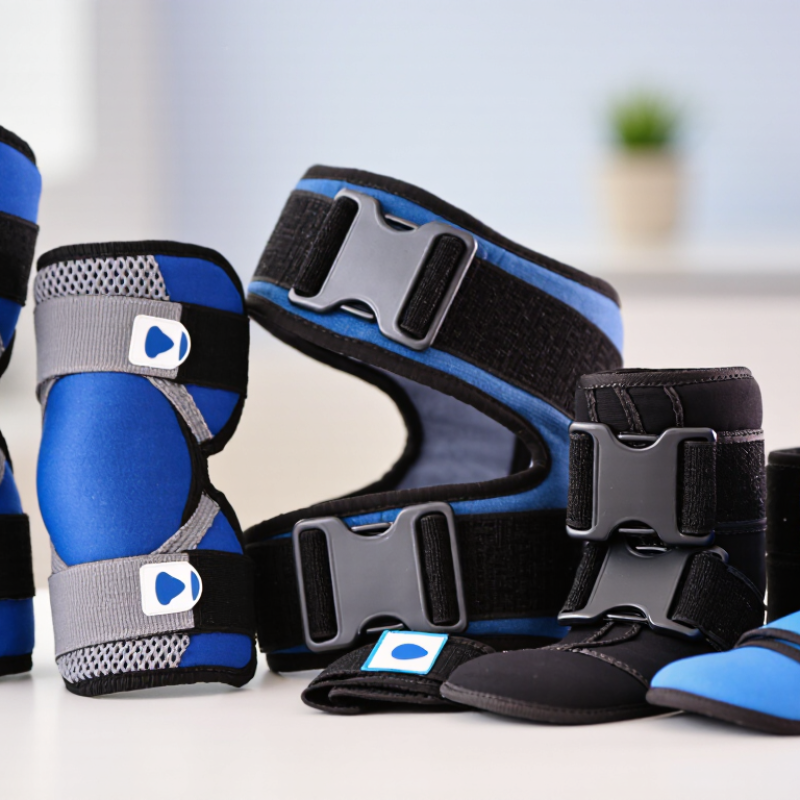
Orthopedic Support Products: Types, Uses, and Buyer Needs in 2026
Orthopedic supports now serve recovery, prevention, and daily mobility. Common types include knee braces, wrist splints, ankle supports, back belts, and shoulder immobilizers. Each design addresses different movement risks. A hinged knee brace may control instability after injury. A soft wrist splint can reduce strain during repetitive work. The World Health Organization reports that about 1.71 billion people live with musculoskeletal conditions worldwide. This figure shows why buyers need more than attractive packaging.
In 2026, global buyers will examine fit, breathability, adjustability, and documented performance. They will also request sizing systems that work across regions. The Global Burden of Disease Study 2021 identified low back pain as a leading cause of disability worldwide. Therefore, support products should balance compression with comfortable movement. Excessive pressure can reduce user acceptance. A lower price may hide weak stitching or poor material recovery. Product testing, traceable materials, and clear care instructions support responsible purchasing. Still, comfort claims remain difficult to compare across suppliers.
Tips: Ask for measurement charts, material details, wash-test results, and independent performance evidence. Check whether the support fits the intended activity. Review return conditions before large orders. Sample testing matters. Also, assess older users and people with limited hand strength. Their feedback may expose design problems that laboratory tests miss. WHO data guides demand, but buyer experience should guide final selection.
| Product Type | Primary Body Area | Typical Support Level | Common Uses | Common Materials | Key Buyer Requirements | Important Sizing Factors | Typical Compliance Considerations |
|---|---|---|---|---|---|---|---|
| Knee Sleeve | Knee | Light to moderate | Compression, warmth, daily activity, mild joint support | Nylon, polyester, elastane, neoprene, silicone grip elements | Breathability, four-way stretch, low-profile construction, non-slip performance | Thigh and calf circumference; knee-center measurement may also be used | Textile labeling, care instructions, material declarations, applicable medical-device rules if therapeutic claims are made |
| Hinged Knee Brace | Knee | Moderate to high | Ligament support, instability management, post-injury activity support | Aluminum or polymer hinges, neoprene, mesh, hook-and-loop fasteners | Adjustable straps, secure hinges, comfortable condyle padding, left/right options | Thigh and calf circumference, knee width, brace length, left/right leg | Mechanical safety testing, skin-contact material evaluation, labeling and claims review |
| Ankle Stabilizer | Ankle | Moderate to high | Sprain support, inversion control, sports and walking stability | Neoprene, polyester, nylon, foam padding, plastic or textile stays | Secure heel fit, shoe compatibility, adjustable figure-eight straps, washable liner | Ankle circumference, foot length, shoe size, left/right configuration | Textile and polymer safety, fastener durability, instructions for correct application |
| Wrist Support | Wrist and hand | Light to moderate | Typing comfort, repetitive-use support, mild wrist stabilization | Elastic textile, neoprene, nylon, foam, removable metal or polymer splint | Thumb freedom, breathable palm area, adjustable closure, ambidextrous or side-specific design | Wrist circumference, palm width, hand length, thumb opening dimensions | Skin-contact testing, textile labeling, splint-edge safety, care and use instructions |
| Thumb Spica Brace | Thumb and wrist | Moderate | Thumb immobilization, joint protection, recovery support | Neoprene, nylon, foam, aluminum or polymer stay, hook-and-loop closure | Stable thumb positioning, comfortable web space, adjustable fit, right/left versions | Wrist circumference, thumb length, hand width, side selection | Material safety, splint rigidity checks, clear fitting instructions, claims control |
| Elbow Compression Sleeve | Elbow | Light to moderate | Compression, warmth, repetitive-motion and sports support | Nylon, polyester, elastane, neoprene, silicone bands | Consistent compression, freedom of movement, moisture management, durable seams | Forearm and upper-arm circumference; elbow-center position | Fiber content labeling, wash durability, skin-contact evaluation, accurate performance claims |
| Lumbar Support Belt | Lower back and waist | Moderate | Lifting support, posture assistance, work and travel comfort | Elastic webbing, neoprene, mesh, foam, flexible stays | Wide size range, breathable back panel, secure closure, adjustable tension | Waist or hip circumference, torso length, preferred wearing position | Load and closure durability, textile labeling, usage warnings, claim substantiation |
| Posture Corrector | Upper back and shoulders | Light | Posture awareness, desk-work support, shoulder retraction assistance | Elastic webbing, mesh, polyester, foam shoulder padding | Low visibility under clothing, soft arm openings, adjustable straps, easy fitting | Chest circumference, shoulder width, torso length, garment compatibility | Textile and skin-contact safety, strap-strength testing, non-medical claims clarity |
| Cervical Neck Support | Neck | Light to moderate | Temporary positioning support, travel comfort, post-procedure support when directed | Foam, cotton or polyester cover, hook-and-loop closure, molded polymer options | Correct height, breathable cover, adjustable closure, smooth edges | Neck circumference, neck height, chin position, intended duration of use | User instructions, material safety, edge and closure testing, medical claims review |
| Compression Gloves | Hand and fingers | Light | Warmth, compression, dexterity during daily tasks | Nylon, polyester, elastane, cotton blends, silicone grip print | Finger mobility, flat seams, breathable fabric, pair-based sizing, easy donning | Palm circumference, hand length, finger length, left/right design | Fiber content, colorfastness, wash durability, skin-contact and compression claims review |
Request intended-use statements, risk files, material declarations, and traceable lot numbers. Ask for recent test reports. Documentation matters.
No. Certification usually covers a quality system, not every individual product. Verify certificate scope, expiry date, issuing body, and test methods.
Risk reviews should consider pressure injuries, restricted circulation, skin reactions, sizing errors, and misuse. These risks can appear during ordinary wear.
Request biocompatibility evidence based on recognized medical-device principles. Check material composition and labels. Skin comfort alone proves little.
Request measured pressure data, rather than relying on brochure claims. Check seams, tensile strength, wash durability, and size tolerances.
Inspect samples from recent batches. Measure them after repeated washing and wearing, not only when unopened. Shape can change.
Define size ranges, support locations, materials, washing instructions, labels, and carton dimensions. Request samples in several sizes. Decoration is secondary.
Use a scorecard covering quality, capacity, lead time, communication, documents, and corrective actions. Compare at least three identical quotations. Factory price is incomplete.
A low quote may exclude testing, tooling, freight, replacements, or delays. Compare landed cost, not only the factory price.
Confirm order quantities, payment terms, tariff codes, labeling rules, and destination-market requirements in writing. Small omissions create expensive delays.
In 2026, Orthopedic Support products will remain important tools for managing mobility, injury recovery, joint stability, and everyday musculoskeletal discomfort. This overview explains the main product categories, including braces, supports, compression wear, posture aids, and rehabilitation accessories, while showing how buyers can match each option to conditions such as sprains, arthritis, muscle strain, or post-surgical recovery. It also highlights the importance of selecting suitable materials, accurate sizing, breathability, comfort, adjustability, durability, and performance features for different users and environments.
For global buyers, responsible sourcing requires careful attention to safety standards, certifications, labeling, quality-control procedures, and product testing. The article also examines pricing factors, minimum order quantities, customization options, packaging, production capacity, delivery terms, and supplier communication. By comparing specifications, requesting samples, verifying manufacturing processes, and assessing after-sales support, buyers can reduce quality risks and build reliable supply partnerships while offering safe, practical, and user-focused orthopedic products.
