Maka Medical Surgical
Maka Medical Surgical
Maka Medical Surgical
Explore our elite portfolio of clinical-grade trauma fixations, surgical drills, and micro-machined spinal implants engineered to exceed FDA and ISO standards.
Understanding the clinical, material-scientific, and regulatory shifts shaping modern medical hardware procurement.
The transition from standard surgical steel to ultra-high-grade Titanium Alloys (such as Ti-6Al-4V ELI / ASTM F136) and engineered polymers like PEEK (Polyetheretherketone) is accelerating. These materials improve bone integration, reduce radiographic interference, and prolong implant lifespans within the human body.
Global procurement teams must now navigate more rigorous approval paths. European Medical Device Regulations (EU MDR 2017/745) and the FDA’s modernized 510(k) pathway demand full traceability, extensive mechanical validation (such as fatigue testing), and stringent cleanroom particle counts.
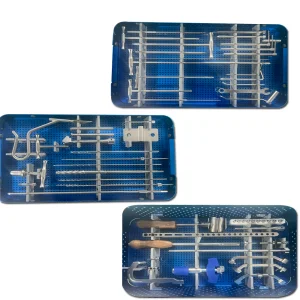
Modern surgical procedures rely heavily on specialized instrumentation kits designed for smaller incisions. This shifts manufacturing focus toward cannulated drill bits, low-profile locking plates, and custom guide systems that require micron-level dimensional accuracy.
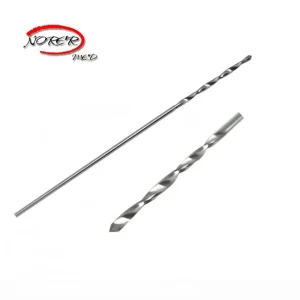
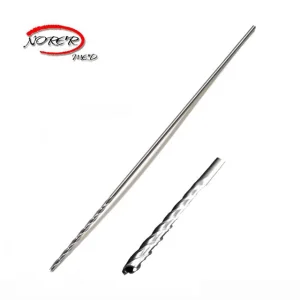
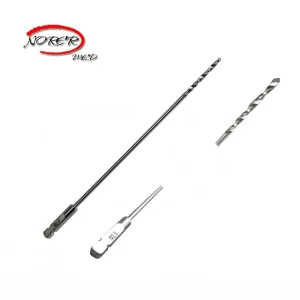
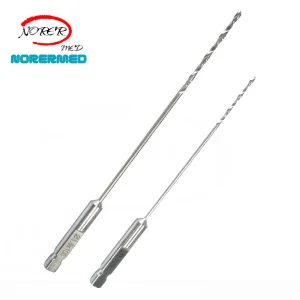
A key difference between standard bone drills and advanced clinical tools is heat generation. Standard surgical drill bits can cause localized thermal necrosis in cortical bone if bone temperatures exceed 47°C for over a minute. Our manufacturing processes utilize double-fluted geometries, precision quick-coupling AO connections, and custom surface passivation. These elements optimize chip clearance and reduce friction, protecting bone integrity during high-speed internal fixation procedures.
Why leading global distributors and hospital groups source from Changzhou's MedTech cluster.
Sourcing medical implants is a complex process. Strategic procurement demands a balance of high precision, consistent quality, and scalability. In the medical sector, Changzhou in Jiangsu Province has developed into an advanced manufacturing ecosystem for orthopedic devices.
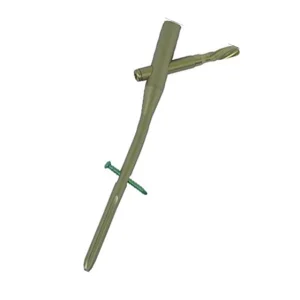
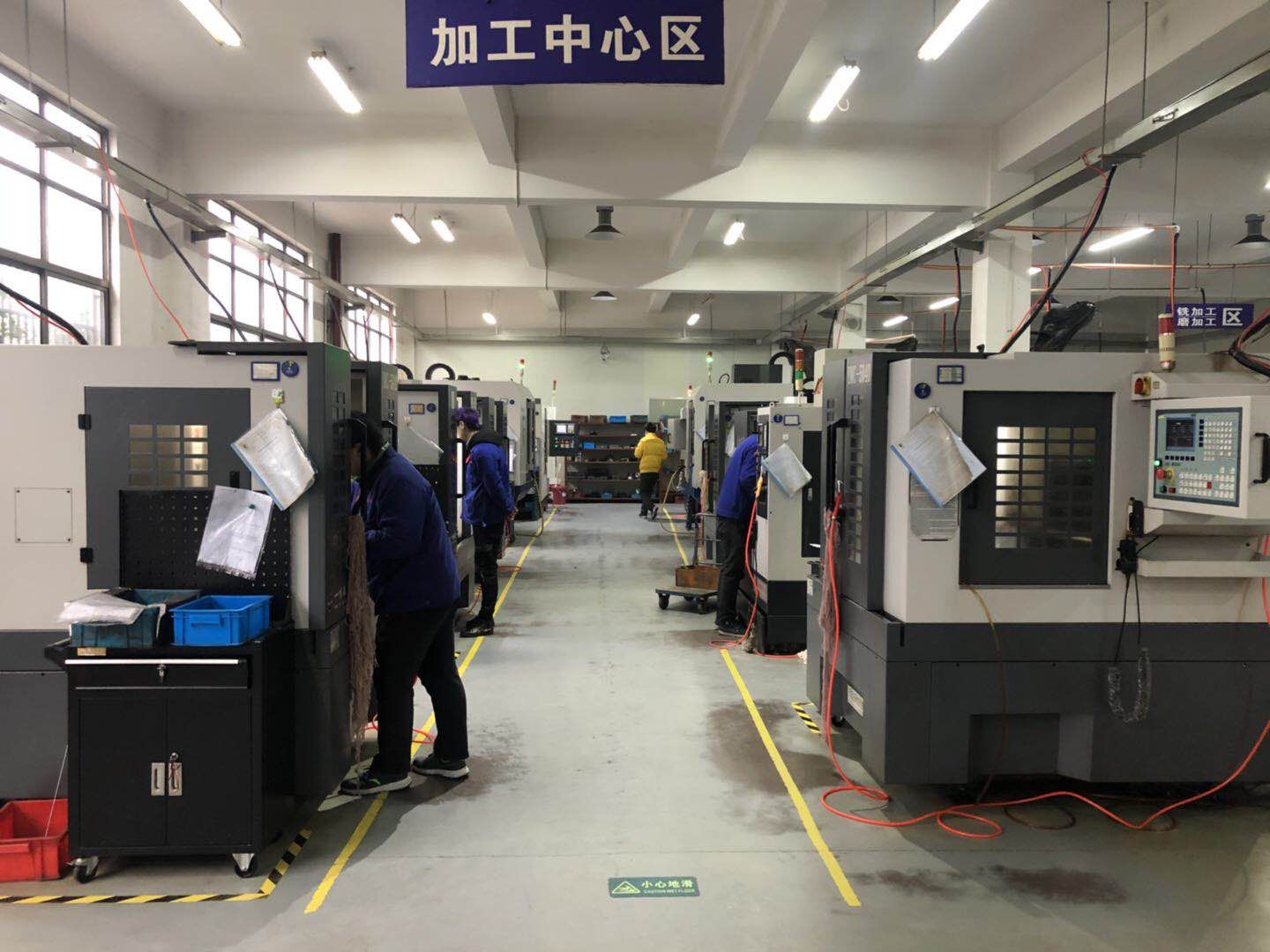
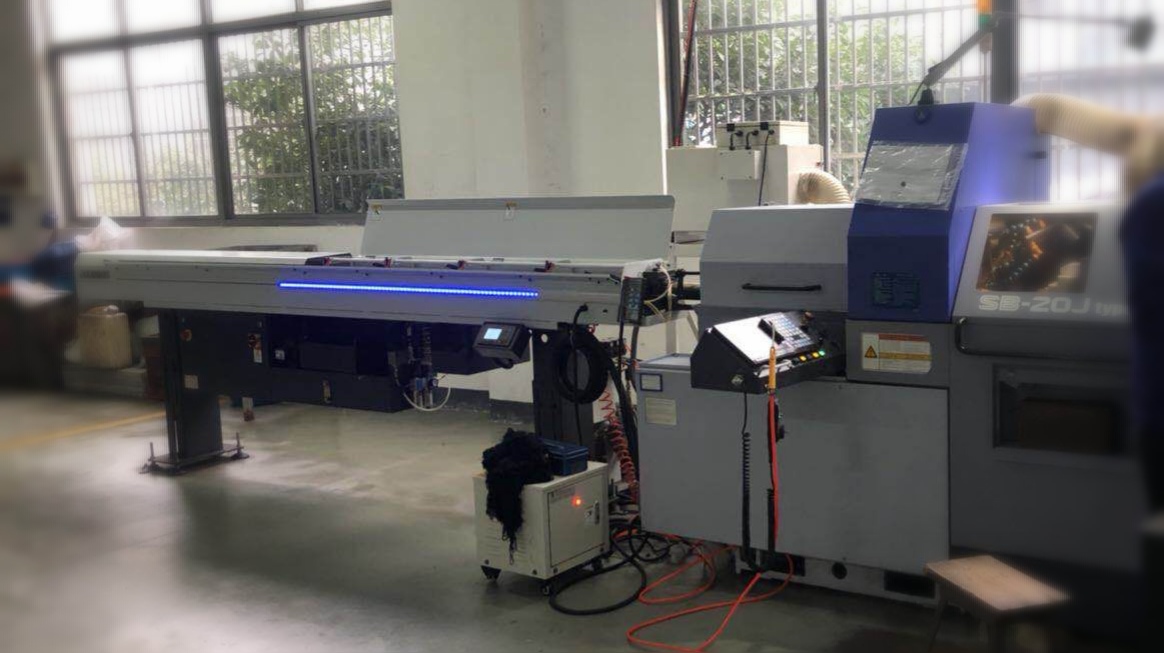
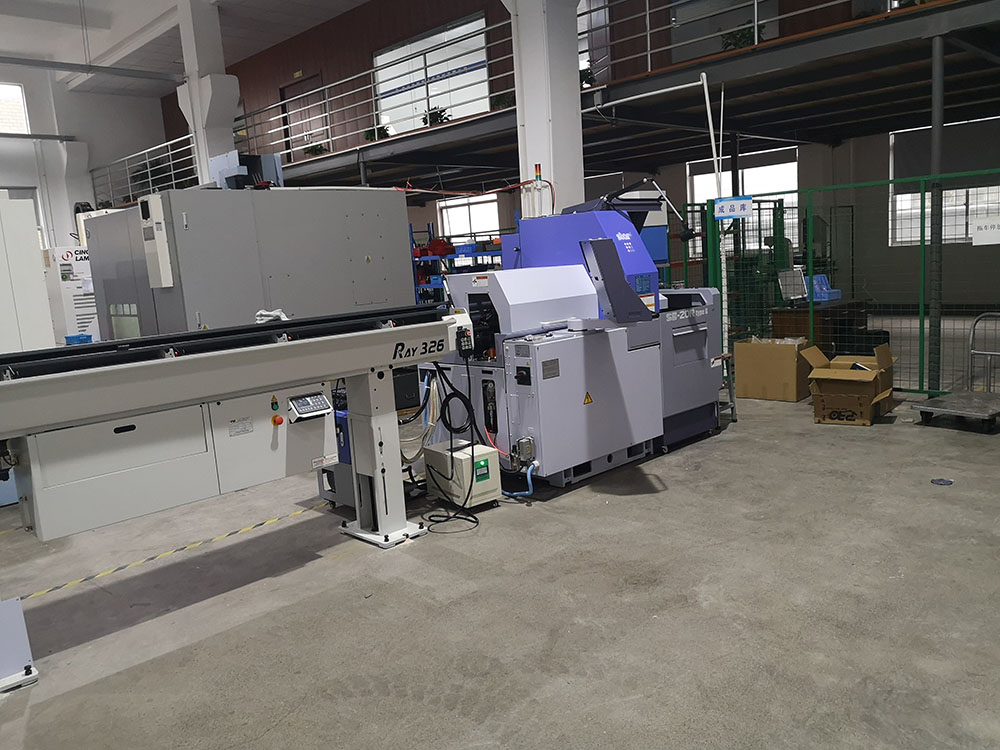
Through the integration of Factory 4.0 smart manufacturing practices, Chinese facilities have transitioned from manual workshop assembly to fully automated production lines. Our production ecosystem integrates Swiss-type CNC lathes, multi-axis machining centers, and automated coordinate measuring machines (CMM). This level of automation ensures that every spinal pedicle screw, intramedullary reconstruction nail, and bone plate matches the CAD master specifications exactly, with tolerances held to +/- 5 microns.
Additionally, local supply chain integration provides significant cost advantages. From raw medical-grade titanium bars to vacuum sterilization packaging, every phase of production is handled within a small geographic area. This concentration minimizes lead times, improves quality control between production steps, and protects buyers from global shipping disruptions.
A trusted manufacturing and trading partner for orthopedic trauma and spinal fixation systems.
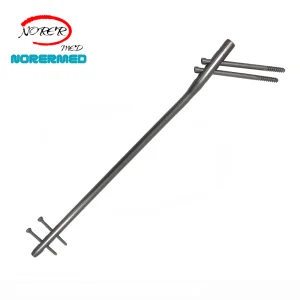
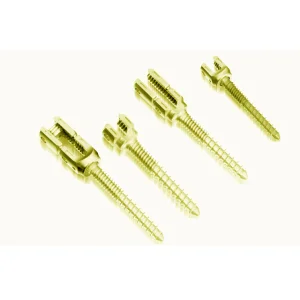
Based in the manufacturing hub of Changzhou City, Jiangsu Province, Maka Medical Technology Co., Ltd. serves as a reliable supplier of orthopedic trauma bone plates, bone screws, interlocking nails, spine pedicle screws, Cervical Plates, and PEEK cervical and lumbar cages. Over the past decade, we have partnered with clinical organizations, veterinary clinics, and distributors worldwide to deliver quality-assured implants.
How our products are optimized for different clinical environments and biological structures.
Orthopedic requirements differ significantly between human and veterinary applications. While human implants focus on biocompatibility, fatigue resistance, and standard anatomical shapes, veterinary orthopedics requires adaptable designs to suit various animal sizes and dynamic loading patterns.
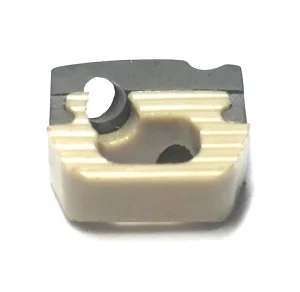
In human spinal fusion, PEEK material is often preferred for cervical and lumbar cages because its modulus of elasticity closely matches that of human cortical bone. This helps reduce stress shielding and promotes bone graft fusion. For long-bone fractures, interlocking nail systems for femur or tibia reconstruction provide stable fixation. This stability allows patients to begin weight-bearing exercises earlier, supporting a faster recovery.
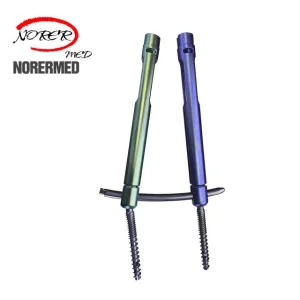
Veterinary surgeries demand high durability due to the unpredictable movements of animal patients. Our veterinary-specific implants, such as the minimally invasive spinal titanium screw and specialized PEEK locking infusion cages, are built to withstand the high forces of quadrupeds. These products provide veterinary surgeons with reliable options for small domestic animals, working breeds, and larger livestock.
Essential insights for medical device procurement managers and QA specialists.
We use medical-grade Titanium Grade 5 (Ti-6Al-4V ELI) complying with ASTM F136 standards. This alloy provides excellent biocompatibility, high tensile strength, and good fatigue life, making it suitable for load-bearing spinal screws and trauma plates.
Our quality control process utilizes optical comparators, laser measuring systems, and coordinate measuring machines (CMM). Critical dimensions on drill bits, such as AO quick-coupling points and flute geometries, are inspected systematically throughout production.
Yes, our engineering department works from 2D/3D CAD drawings or physical models to develop custom implants. We assist throughout the process, from initial design review to pilot production, verification testing, and full manufacturing.
We follow strict internal quality protocols that align with international standards. All products are manufactured from certified medical-grade raw materials, with full batch traceability from initial machining through cleanroom cleaning and packaging.
Select implant assemblies engineered for spinal stabilization, joint reconstruction, and complex osteotomy fixes.