Maka Medical Surgical
Maka Medical Surgical
Maka Medical Surgical
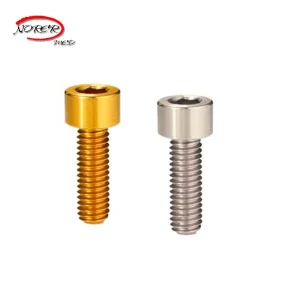
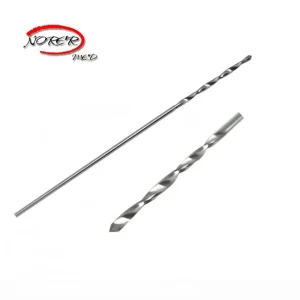
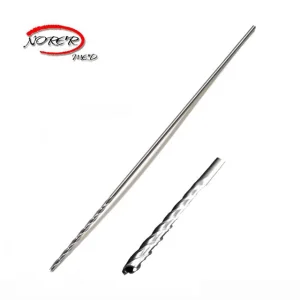
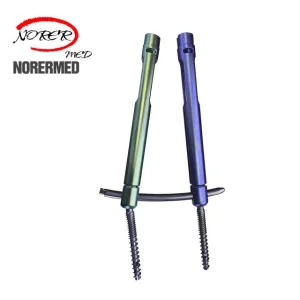
Explore our foundational lineup of CNC precision-machined titanium locking systems, crosslink rods, and orthopedic drill bits engineered for absolute anatomical stability.
Unpacking the raw mechanics, supply trends, and manufacturing innovations that make Titanium the ultimate material for critical stress environments.
Medical grade titanium alloys (specifically Ti-6Al-4V ELI / ASTM F136) remain the absolute gold standard for orthopedic trauma components due to their outstanding biocompatibility and modular flexibility. The material promotes natural osseointegration, meaning bone tissue integrates natively with the implant surface.
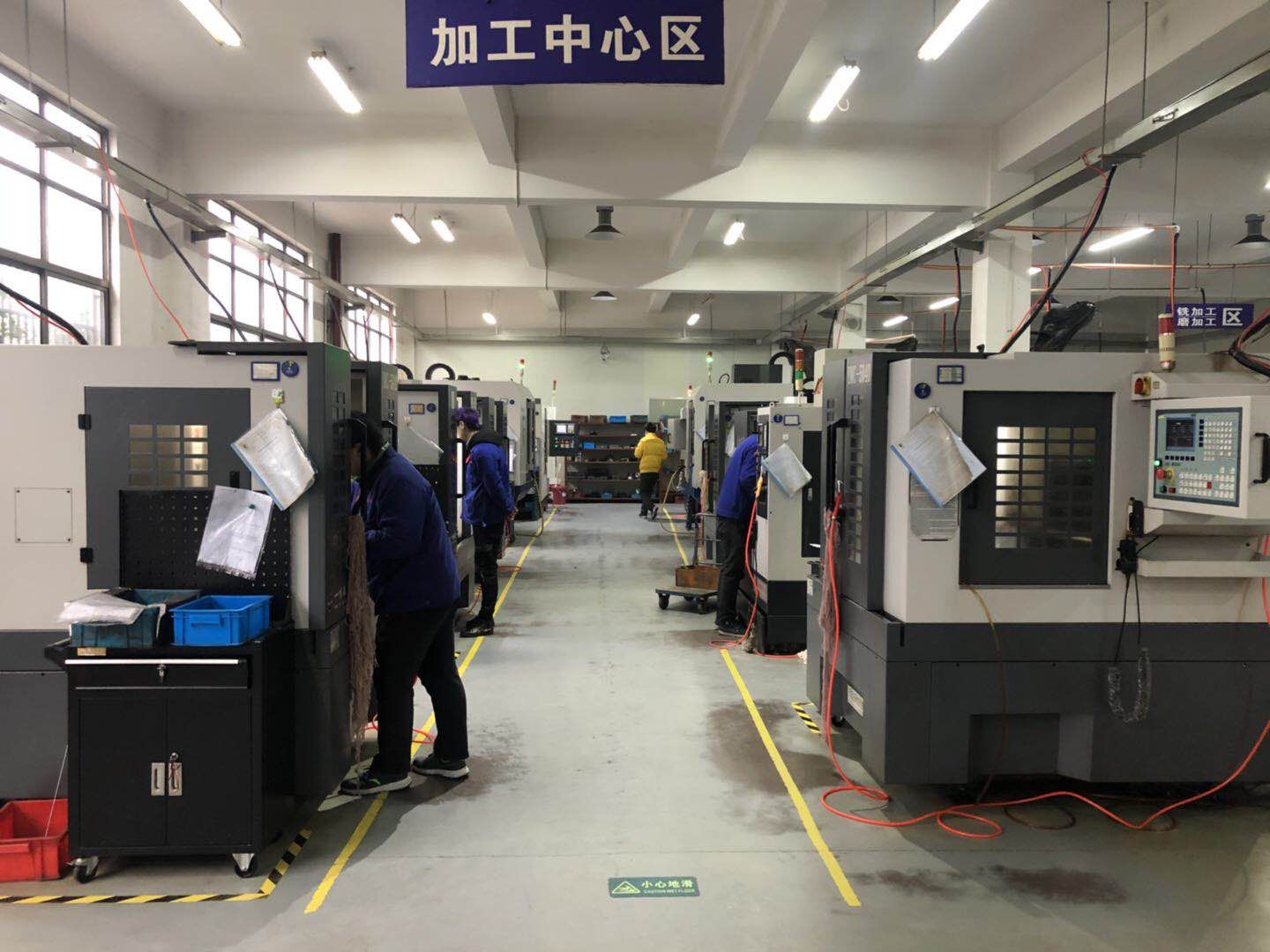
Industrial supply chain disruptions have driven tier-one manufacturers to seek reliable, vertically integrated OEM suppliers. Centralizing CNC machining, surface anodization, and dynamic stress validation under a single facility (such as Changzhou's manufacturing hub) drastically cuts lead times and ensures traceability.
Beyond surgical procedures, high-stress engineering uses custom titanium parts for vibration dampening, micro-assemblies, and lightweight performance metrics. The high strength-to-weight ratio ensures structures withstand mechanical fatigue better than stainless steel or carbon compounds.
An engineering deep-dive on how custom titanium parts are shaped from raw ingots to functional sterile biological implants.
| Property / Dimension | Ti-6Al-4V (Grade 5) | Ti-6Al-4V ELI (Grade 23) | PEEK (Polyetheretherketone) |
|---|---|---|---|
| Tensile Strength | ≥ 895 MPa | ≥ 860 MPa | 90 - 100 MPa |
| Yield Strength | ≥ 828 MPa | ≥ 795 MPa | N/A |
| Elastic Modulus | 114 GPa | 110 GPa | 3.6 GPa |
| Biocompatibility Profile | Excellent (Industrial & Dental) | Superior (Orthopedic & Trauma) | Excellent (Radiolucent Cages) |
| Primary Applications | Custom structural screws, pins | Spinal Pedicle Screws, locking plates | Interlocking ACIF cages, spacers |
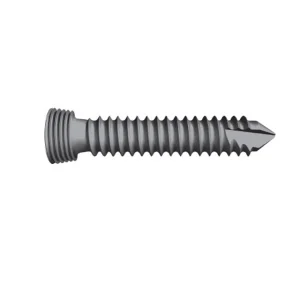
In modern manufacturing environments, subtractive multi-axis CNC milling is the leading method to obtain reliable structural parts. Medical implants such as headless compression screws and cannulated bone screws rely on internal cannulation. This step requires high-precision deep-hole gun drilling. The process ensures that the internal lumen remains perfectly concentric to the outer threads, preventing catastrophic hardware failure during emergency surgeries.
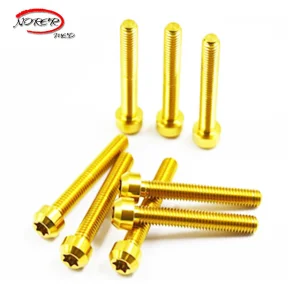
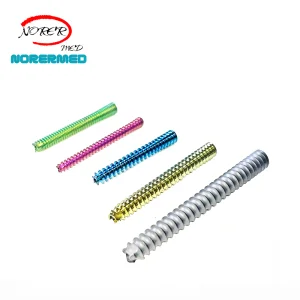
At the same time, we have seen rapid changes in how raw titanium rods are processed. Clean-room post-machining passivation using nitric or citric acid solutions removes any free iron from the surface. This step creates a highly stable, corrosion-resistant titanium oxide layer. In addition, Type II and Type III color anodization allows hospitals to quickly identify screw diameters during high-pressure operating procedures.
Direct factory facts, figures, and verified information regarding our manufacturing operations in Jiangsu, China.
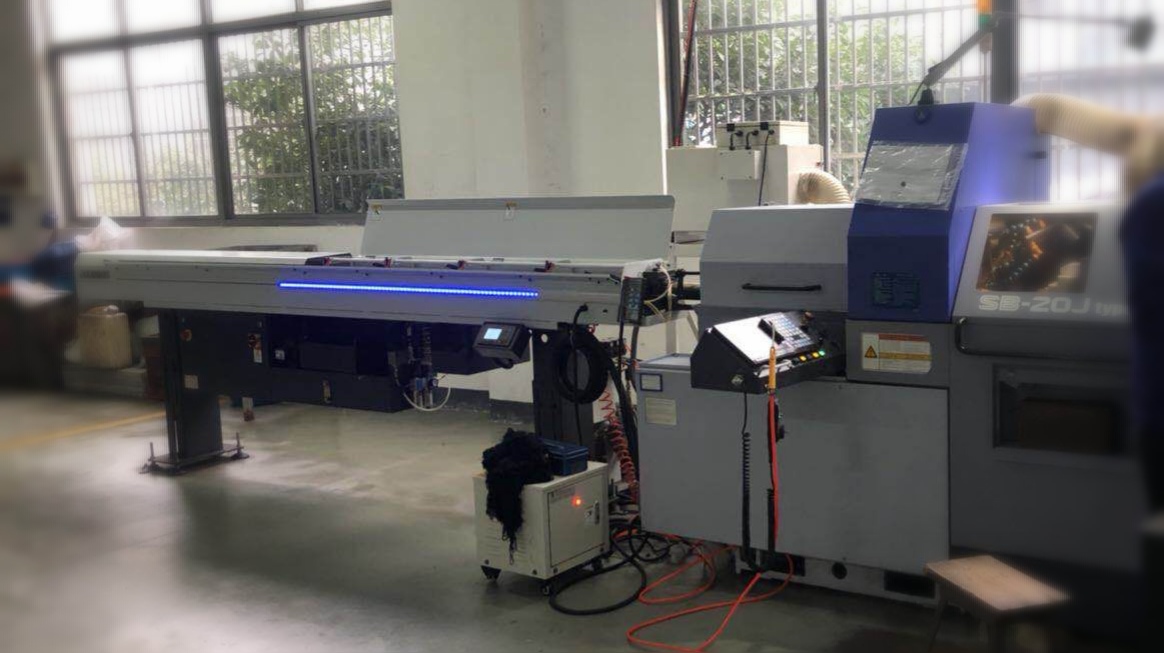
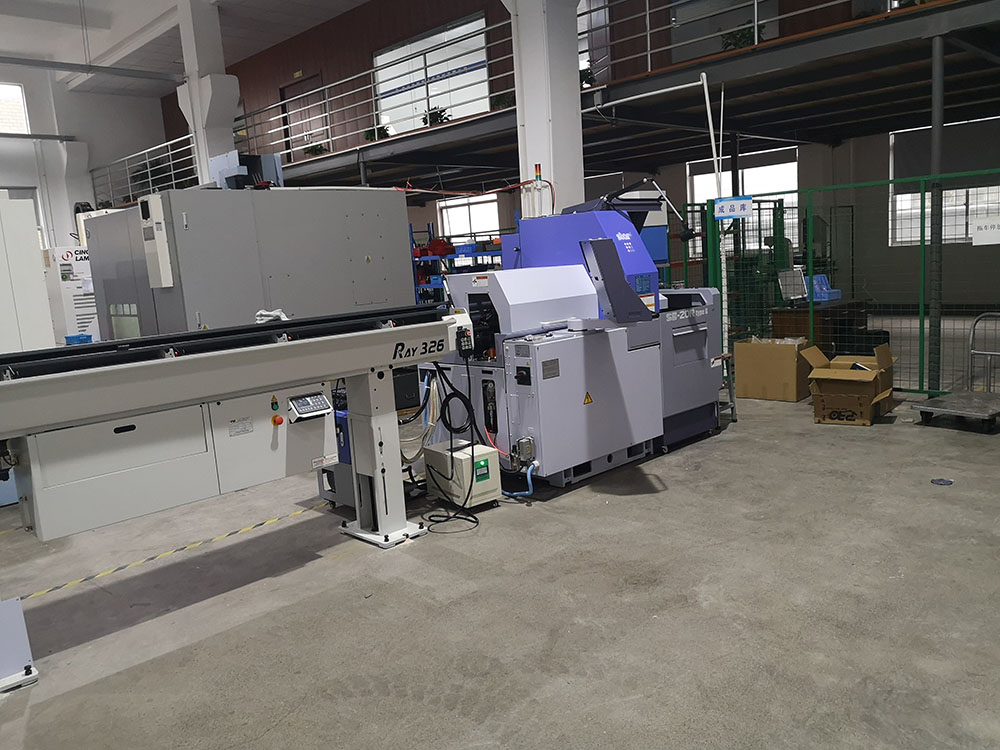
From veterinary applications to intricate spinal constructs, discover how our custom titanium parts serve global supply chains.
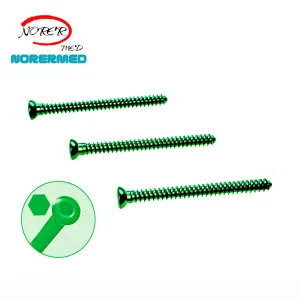
High-density cortical bone screws, cancellous screws, and reconstruction nails. Our parts feature self-tapping configurations designed to match human bone density profiles and minimize intra-operative splitting risk.
Spinal fixation systems and specialized PEEK cages designed for canine, feline, and equine anatomy. We custom-machined pedicle screws to address the distinct load distributions found in quadruped locomotion.
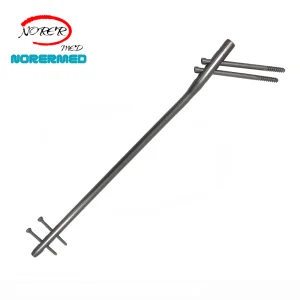
Interlocking PFNA systems designed to stabilize subtrochanteric fractures. The high fatigue strength of our titanium alloy components prevents bending deformation under early weight-bearing loads.
Answers to critical technical and logistical questions on material characteristics, manufacturing practices, and international compliance.
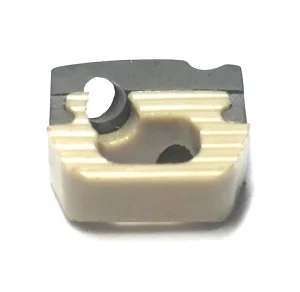
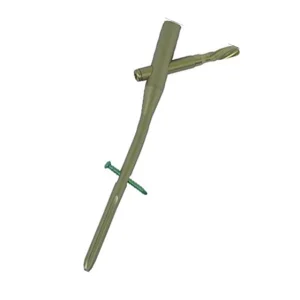
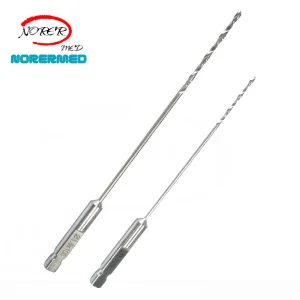
Discover our highly technical spinal constructs, reconstruction nailing systems, AO-coupled drill systems, and specialty veterinary cages.