Maka Medical Surgical
Maka Medical Surgical
Maka Medical Surgical
High-precision orthopedic implants manufactured under rigorous quality control standards, supporting key surgical protocols worldwide.
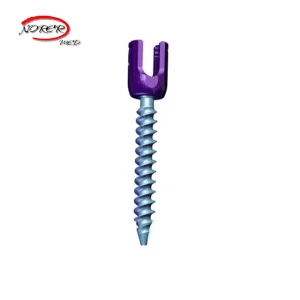
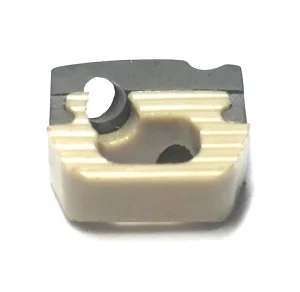
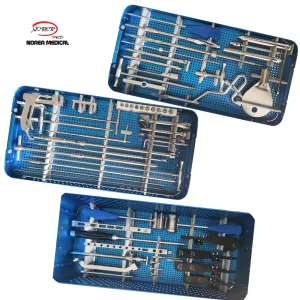
The global spinal implant market is undergoing a structural transition driven by aging demographics, rising demands for minimally invasive surgery (MIS), and shifting economic paradigms in healthcare procurement. Orthopedic surgeons and medical device procurement committees now require more than just quality hardware—they demand comprehensive, bio-engineered solutions that minimize revision rates, lower the risk of implant-associated infections, and improve early postoperative osseointegration.
“Surgical efficacy depends directly on material purity, surface roughness micro-engineering, and mechanical load-sharing characteristics.”
For B2B distributors, healthcare networks, and import partners, finding an established spinal implant supplier is critical. Maka Medical addresses this gap by combining state-of-the-art Chinese precision manufacturing with global compliance frameworks, delivering ISO-compliant, premium spinal pedicle screws, TLIF/PLIF cages, and trauma fixation assemblies directly from Changzhou's medical manufacturing hub.
In modern spinal fusion surgery, the choice of material determines long-term stability and fusion rates. Maka Medical manufactures components utilizing Medical Grade Titanium Alloys (Ti-6Al-4V ELI) and Polyetheretherketone (PEEK) to align with diverse clinical preferences.
Widely preferred for pedicle screws and trauma plates. Medical-grade titanium offers high strength-to-weight ratios, reliable fatigue resistance, and biocompatibility. However, its elastic modulus is higher than native bone, which we mitigate through structural design modifications.
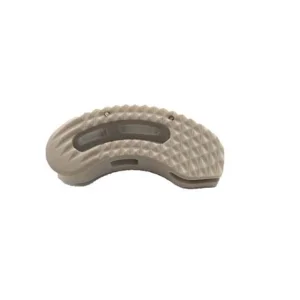
Used predominantly in our lumbar (TLIF) and cervical (ACIF) cages. PEEK mimics the elastic modulus of human cancellous bone, minimizing stress shielding. Its radiolucent properties allow surgeons to track fusion progress clearly through conventional X-rays.
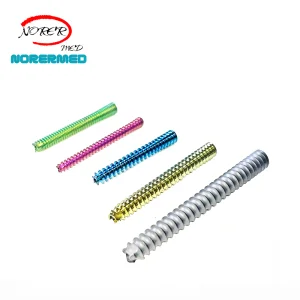
We leverage advanced sandblasting, acid-etching, and anodization protocols. These surface modifications optimize micro-roughness, promoting cellular adhesion and accelerating osteogenesis around the implant site.
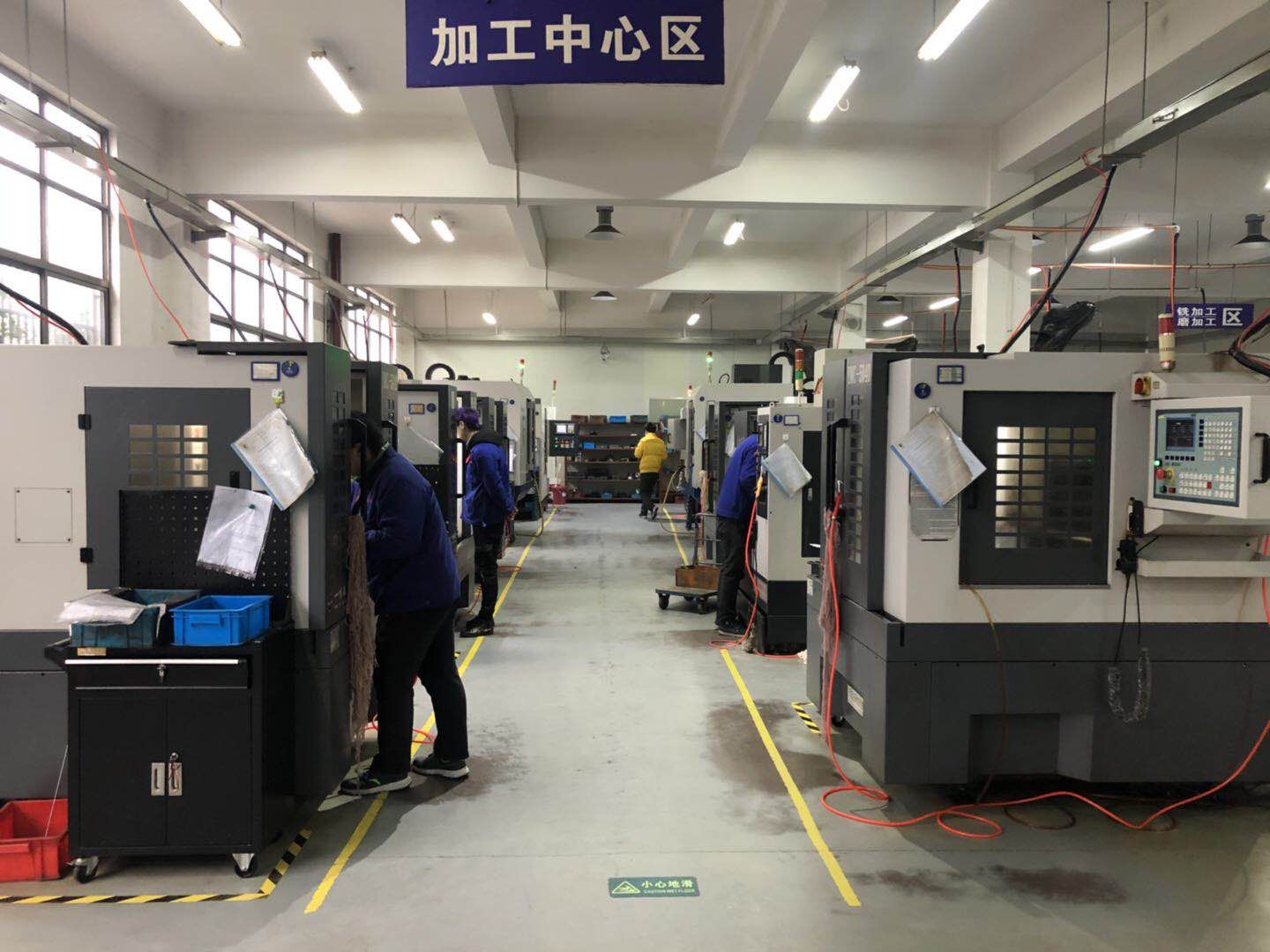
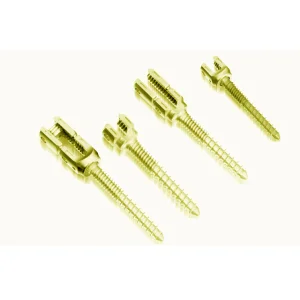
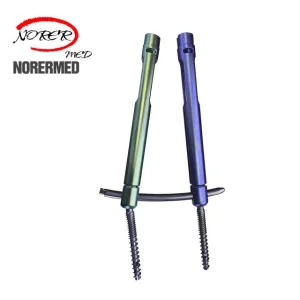
Spinal pedicle screws are subjected to significant static and dynamic stresses post-implantation. To resist pull-out and fatigue failure within both osteoporotic and high-density bone structures, our design utilizes dual-thread configurations. Coarse threads are applied at the cancellous bone interface, while fine threads engage the cortical bone near the pedicle entrance.
Additionally, our monoaxial and polyaxial pedicle screws incorporate a friction-fit head design with self-tapping tips. This facilitates swift surgical execution and allows for up to 25 degrees of angulation, accommodating variable anatomy and reducing intraoperative stress on the spinal column.
Our minimally invasive spine pedicle screw options allow for percutaneous placement, minimizing muscle dissection and postoperative discomfort. These systems feature extended sleeve options and reliable rod-reduction mechanisms, supporting stable reduction across multi-segment constructs.
Exporting implantable medical devices requires stringent documentation and verification. Maka Medical supports international distributors by providing complete material certification and traceability from raw melt to final sterile packaging.
Our manufacturing protocols align with ISO 13485 quality systems, ensuring consistent design validation, cleanroom environment monitoring, and validation tracking for every production lot.
We supply chemical analysis certificates (MTR - Material Test Reports) and biocompatibility evaluation data for all medical titanium and PEEK raw stock, confirming compliance with ASTM F136 and ASTM F2026 specifications.
Leveraging optimized customs clearance pathways out of Shanghai and Nanjing ports, we deliver securely packaged implants worldwide, complete with documentation for local regulatory entry.
Maka Medical's engineering division tracks emerging trends in orthopedics to maintain clinical relevance. Our long-term technology initiatives focus on three primary pillars:
Using Electron Beam Melting (EBM) and Direct Metal Laser Sintering (DMLS), we are developing porous titanium cages that mimic trabecular bone structure. This allows bone graft material to grow directly *through* the implant, promoting mechanical interlock and reducing fusion timelines.
We are researching bioactive coatings, including silicon-doped hydroxyapatite and silver-nanoparticle antimicrobials, to stimulate bone healing and minimize the potential for post-operative bacterial colonization.
As the veterinary sector expands, Maka Medical continues to scale its dedicated line of veterinary-specific implants. These components are designed to meet the distinct anatomical and load-bearing requirements of canine and feline patients, rather than adapting downsized human hardware.
Essential insights for medical device importers, hospital distributors, and veterinary purchasing departments.
Browse our selection of interlocking nails, trauma fixation screws, and precision surgical instruments.