Maka Medical Surgical
Maka Medical Surgical
Maka Medical Surgical
Discover our primary catalog of clinical-grade titanium and metal alloy interlocking nails, engineered for maximum biomechanical stability and anatomical fit.
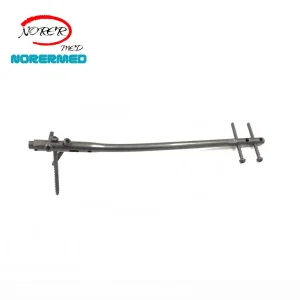
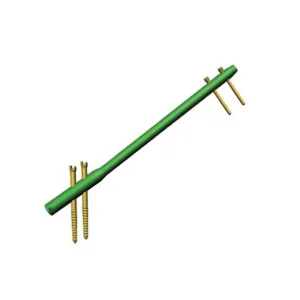
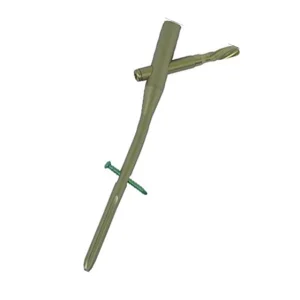
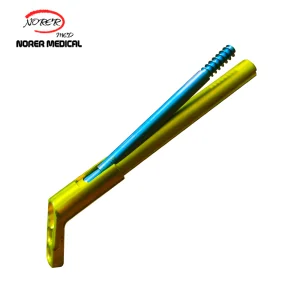
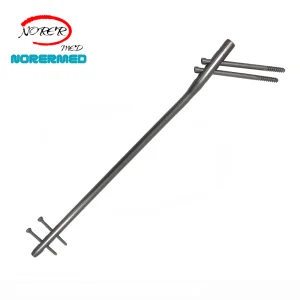
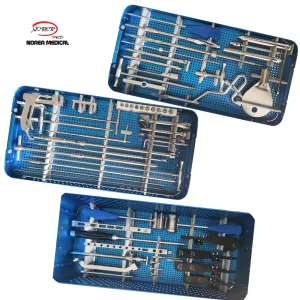
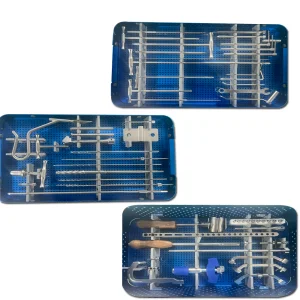
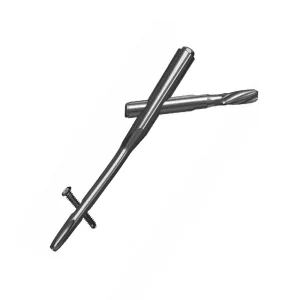
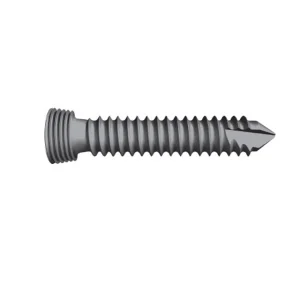
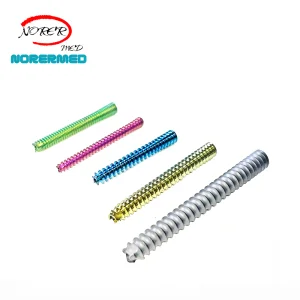
Interlocking intramedullary (IM) nails have long stood as the gold standard for the treatment of long bone fractures, particularly in diaphyseal fractures of the femur and tibia. The biomechanical superiority of interlocking nails lies in their function as load-sharing devices rather than load-bearing devices, which is the primary limitation of traditional bone plates. When placed within the medullary canal, the nail aligns close to the bone's neutral axis, allowing controlled axial compression during weight-bearing. This axial compression stimulates external callus formation, promoting accelerated and structurally superior physiological bone healing under Wolff's Law.
However, the stability of an intramedullary construct depends heavily on the interface between the bone, the nail, and the proximal/distal locking screws. Without these locking screws, the nail cannot resist torsional or shearing forces, leading to rotational instability, limb shortening, or hardware failure. Standard-grade interlocking nails resolve this vulnerability by offering customizable configuration options:
Static locking utilizes round screw holes at both ends of the nail, preventing both rotational and axial movement. This is critical for highly unstable, comminuted fractures. Dynamic locking uses oblong slots to allow controlled axial translation while maintaining rotational control, useful in delayed unions where dynamic load-sharing triggers secondary osteogenesis.
The human femur possesses an anterior curvature (radius of curvature averaging 1.5 to 2.0 meters). Maka Medical engineers femoral nails with an optimized Herzog bend and curvature options to prevent anterior cortical impingement or iatrogenic distal femur fractures during insertion.
We source medical-grade Titanium Alloy (Ti-6Al-4V ELI - Extra Low Interstitial) conforming to ASTM F136. This material provides an optimized balance of low Young's modulus (closer to natural bone than stainless steel to prevent stress shielding), high fatigue limits, and superior biocompatibility.
B2B procurement of orthopedic implants requires navigating complex regulatory landscapes, precision manufacturing audits, and strict logistical lead times.
Hospital groups, national healthcare ministries, and private distribution networks face multi-faceted problems when procuring interlocking nails. Chief among these issues is balancing product cost against strict regulatory compliance (such as the transitioning European MDR and FDA 510k clears). As a leading manufacturing hub based in Changzhou, China—a globally recognized cluster for orthopedic manufacturing—Maka Medical Technology Co., Ltd. offers a streamlined, risk-mitigated supply chain model.
Our export solutions address the three major pillars of medical device procurement:
Analyzing the shift toward advanced intramedullary nail architectures and next-generation surface treatments.
Advanced tibial systems feature multi-planar locking options at both the proximal and distal ends. By placing locking screws in divergent directions, surgeons can secure extremely proximal or distal metaphyseal fractures, areas previously deemed unsuitable for intramedullary stabilization. The addition of end caps prevents tissue ingrowth, making future hardware removal vastly easier.
PFNA systems replace traditional dual-lag screw designs with a single helical blade. The helical blade compacts the cancellous bone of the femoral head during insertion, providing significantly higher resistance to varus collapse and "cut-out" failures in osteoporotic patients. It represents a paradigm shift in geriatric trauma care, reducing operative time and patient recovery windows.
The Femoral Neck System (FNS) and reconstruction nailing systems allow dual-axis locking into the femoral neck and head. These systems are specifically indicated for complex ipsilateral femoral shaft and neck fractures, offering superior rotational stability while preserving the vascular supply of the femoral head.
Looking toward 2030, the integration of smart sensors within intramedullary devices is transitionary. These micro-sensors will measure real-time micro-strain and loading changes, transmitting bio-feedback to clinicians to monitor bone healing progress remotely. Furthermore, surface treatment technologies are shifting from basic anodization to bioactive coatings, such as hydroxyapatite (HA) or silver-ion doping, which concurrently accelerate osseointegration and reduce the risks of implant-associated osteomyelitis.
Inside Maka Medical's manufacturing facility: Where material science meets state-of-the-art precision engineering.
Precision is not negotiation; it is the core foundation of patient safety. Maka Medical operates Swiss-type CNC automatic lathes and multi-axis milling centers capable of cutting implants with tolerances as small as ±0.005mm. Each batch of raw titanium undergoes metallographic analysis and tensile strength testing before entering production. Our processing cycle includes chemical cleaning, passivation, and ultrasonic washing to eradicate chemical residues from machining oils, ensuring safe implant surface chemistry.
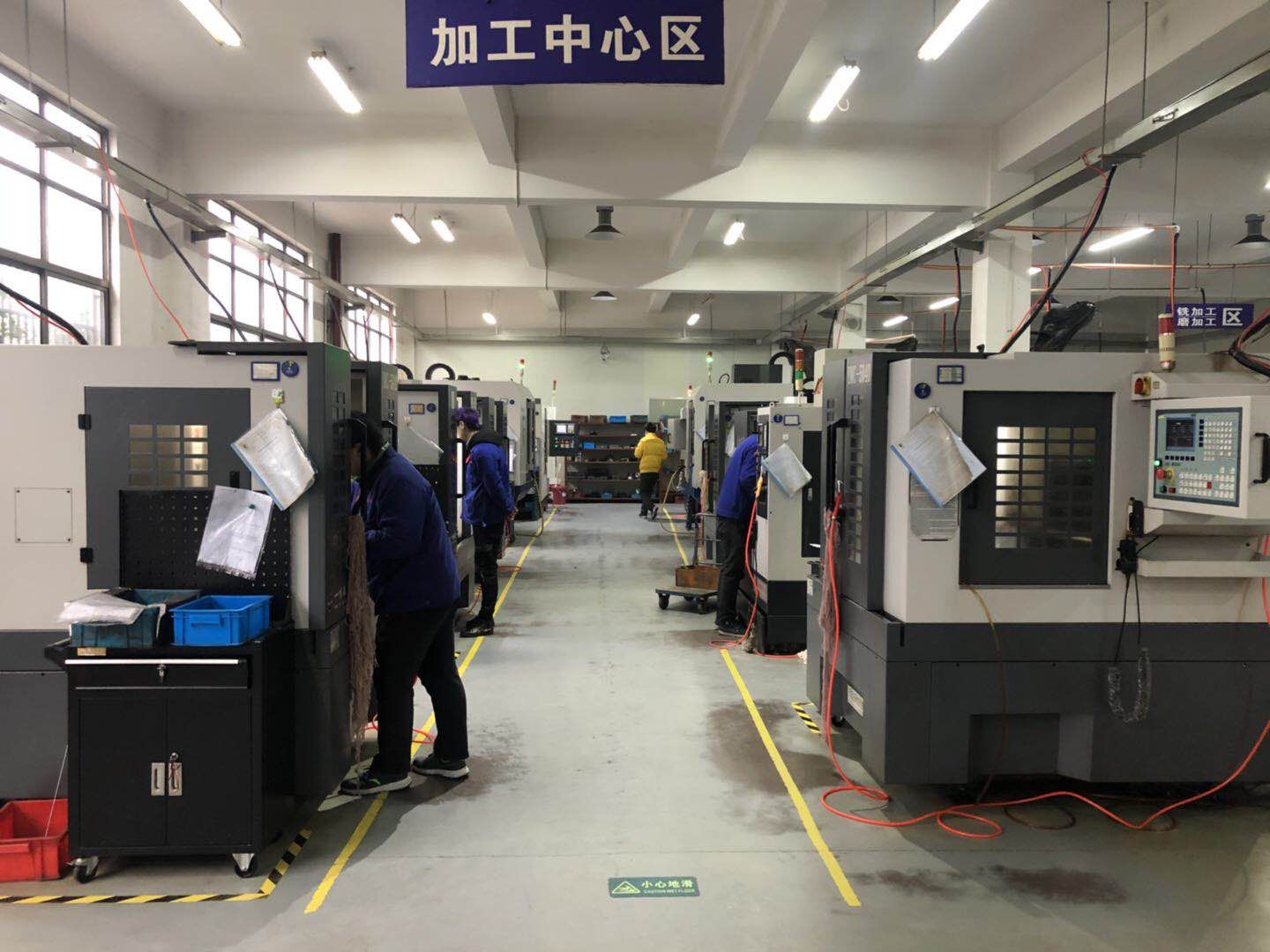
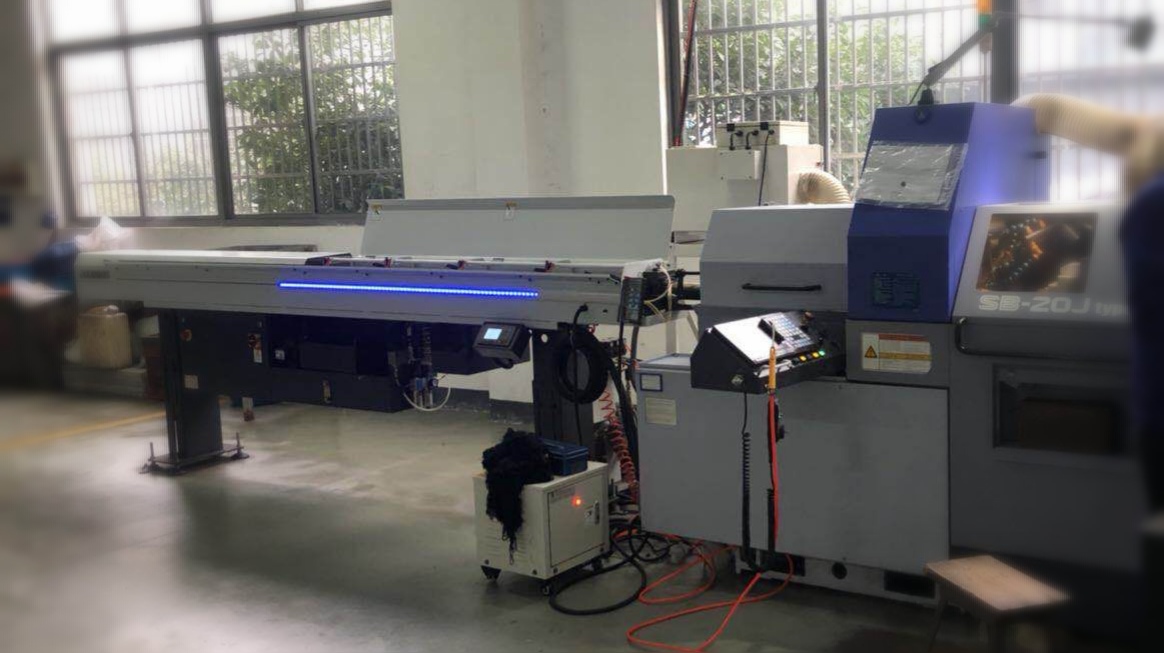
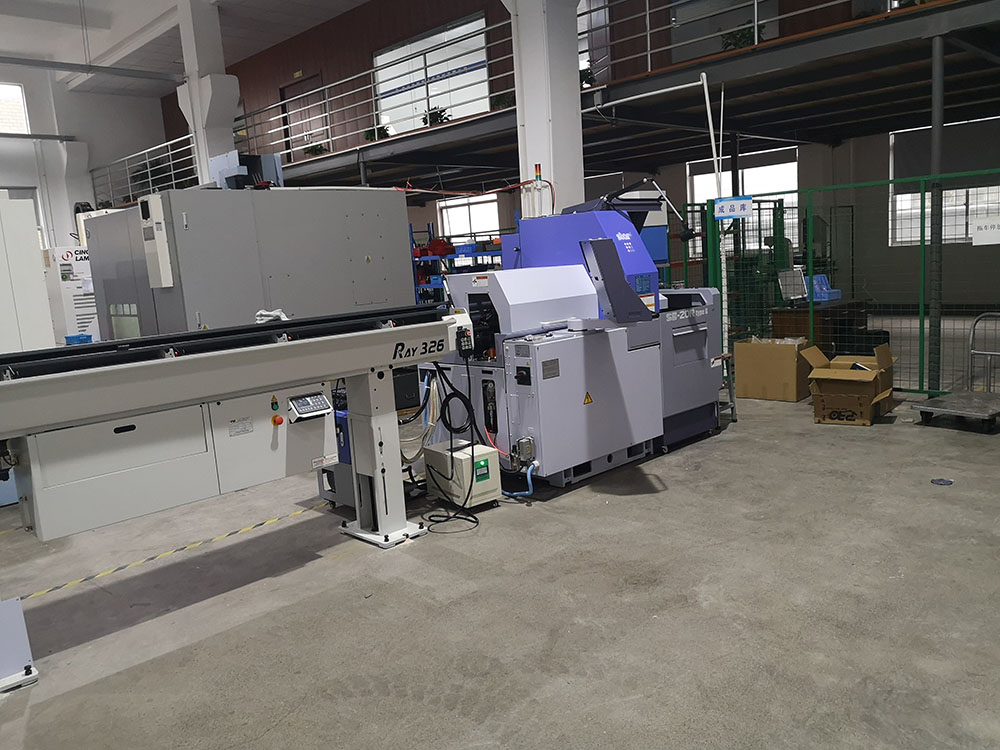
Our quality assurance program guarantees that every exported orthopedic interlocking nail complies with rigorous international parameters. We control the entire production pipeline—from raw bar stock inspection to dynamic fatigue testing simulating millions of walking cycles—so that surgeons can trust the mechanical integrity of each implant they place.
Frequently asked questions concerning material specs, regulatory alignment, and installation protocols.
Based in the high-tech medical device manufacturing hub of Changzhou City, Jiangsu Province, China, Maka Medical Technology Co., Ltd. is a dedicated manufacturer and international supplier of orthopedic trauma solutions.
We specialize in the design, engineering, and global distribution of trauma bone plates, cortical and cancellous bone screws, intramedullary interlocking nails, spine pedicle screw systems, cervical plates, and PEEK cervical and lumbar cages. Over the past decade, we have established a robust supply chain network, providing custom OEM/ODM solutions to medical distributors, hospitals, and veterinary clinics across five continents.
Our operation is anchored in technical accuracy, clinical safety, and absolute customer trust. By maintaining low overheads and leveraging Changzhou’s massive medical manufacturing ecosystem, we offer high-grade implant options that reduce procurement costs without compromising on critical mechanical standards.
Complete your procurement with our line of orthopedic locking screws, veterinary-specific implants, and instrument kits.