 Maka Medical Surgical
Maka Medical Surgical
Maka Medical Surgical
Orthopedic tools play a critical role in modern medicine. These devices aid in diagnosing and treating musculoskeletal conditions. As noted in a recent report by Market Research Insights, the global orthopedic tools market is projected to reach $57 billion by 2025. This growth highlights the increasing demand for innovative solutions in orthopedic care.
Dr. John Thompson, a renowned orthopedic surgeon, states, "The advancement of orthopedic tools has revolutionized how we approach surgery and rehabilitation." His expertise underscores the importance of continuous evolution in this field. Despite significant advancements, challenges remain in ensuring tools are accessible and effective for all patients.
Many orthopedic tools are designed to enhance precision and minimize recovery time. Yet, some tools still face scrutiny over their long-term effectiveness and safety profiles. The necessity for rigorous testing and feedback loops suggests that while we have made strides, the quest for improvement continues.
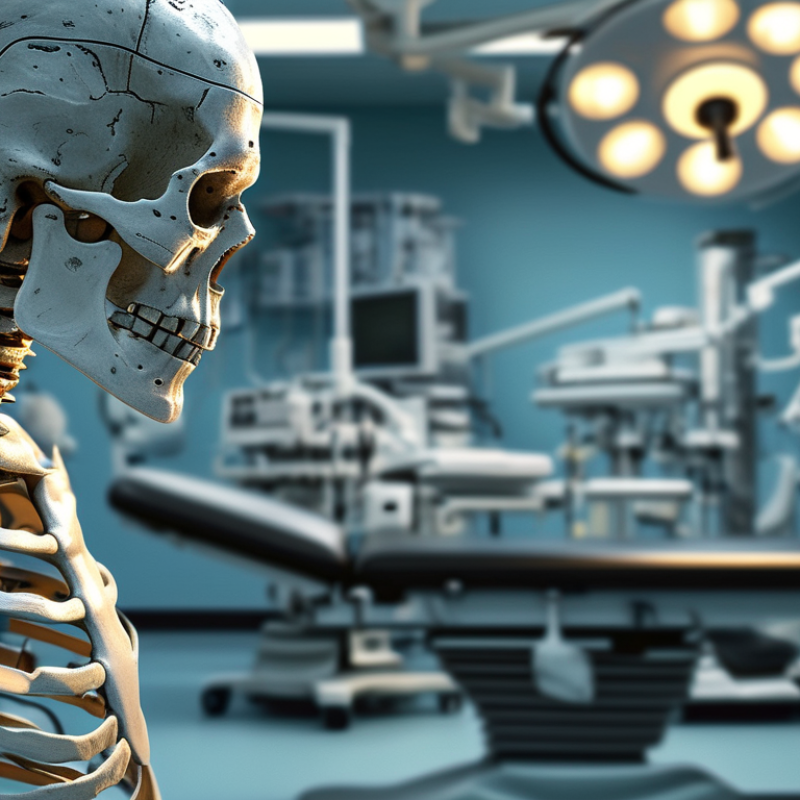
Orthopedic tools are essential medical instruments that support the diagnosis and treatment of musculoskeletal conditions. These tools range from simple splints to advanced surgical instruments. Their primary purpose is to help restore mobility and alleviate pain in patients suffering from injuries or chronic conditions such as arthritis. According to industry reports, over 30 million adults in the U.S. are affected by osteoarthritis, emphasizing the need for effective orthopedic tools.
The design and functionality of orthopedic tools are driven by the specific needs of patients. For instance, surgical instruments like bone saws and tissue retractors are engineered for precision in delicate procedures. Meanwhile, non-surgical tools, such as braces and supports, provide stability and promote healing. However, not all tools are perfect. Some may not fit well, leading to discomfort or limited effectiveness. Continuous feedback from patients helps improve these tools.
**Tips:** When selecting orthopedic tools, consider customization options. A well-fitted brace can significantly enhance comfort. Regularly consult with healthcare professionals for personalized recommendations, as they understand the intricacies of your condition. Proper maintenance of these tools also ensures their long-term effectiveness.
| Tool Name | Purpose | How it Works | Common Use |
|---|---|---|---|
| Surgical Scalpel | Incision Making | Sharp blade used to cut through skin and tissues. | Used in surgeries for precise cutting. |
| Bone Saw | Bone Cutting | Powered or hand saw designed for cutting through bone. | Commonly used in orthopedic surgeries. |
| Forceps | Grasping Tissues | Used to hold and manipulate tissues during surgery. | Used in various surgical procedures. |
| Drill | Creating Holes in Bone | Rotating drill bit that penetrates bone. | Used in screw placements and orthopedic fixation. |
| Screwdriver | Screw Insertion | Tool to insert screws into bone or implants. | Used during procedures requiring fixation of bones. |
: Orthopedic tools are medical instruments that assist in diagnosing and treating musculoskeletal conditions. They range from splints to surgical instruments.
Their primary purpose is to restore mobility and alleviate pain for patients with injuries or chronic conditions like arthritis.
Surgical tools manipulate tissues during procedures. For example, scalpels incise, while forceps grasp tissues effectively during surgeries.
Continuous patient feedback helps improve tool design. Not all tools fit perfectly, which can lead to discomfort and limited effectiveness.
Regular cleaning is essential to prevent infection. Improper maintenance can significantly increase post-operative complications.
Regular inspections are crucial. Tools must be checked for wear and replaced promptly to ensure patient safety during procedures.
No, not all tools are autoclave-compatible. It's essential to follow sterilization protocols for each specific tool to ensure safety.
Considering customization options for braces can significantly improve comfort and effectiveness. Regular consultations with healthcare professionals are recommended.
Only about 60% of orthopedic residents feel adequately trained in handling equipment, indicating a need for improved training.
Safety is critical due to the potential for complications. Guidelines exist, but they are not always rigorously followed by medical professionals.
Orthopedic tools are specialized instruments designed to diagnose, treat, and rehabilitate musculoskeletal disorders. Their primary purpose is to support medical professionals in performing procedures related to bones, joints, and soft tissues, ensuring improved patient outcomes. Common types of orthopedic tools include casts, splints, surgical instruments, and imaging devices, each serving a unique function in patient care.
These tools operate through mechanisms that may involve stabilization, realignment, or enhancement of movements within the body. Proper safety and maintenance practices are crucial to ensure their effectiveness and longevity, protecting both patients and healthcare providers. As technology advances, innovations in orthopedic tools are emerging, promising to enhance precision and reduce recovery times, shaping the future of orthopedic medicine.
