 Maka Medical Surgical
Maka Medical Surgical
Maka Medical Surgical
Choosing the right orthopedic device can significantly impact recovery and mobility. According to Dr. Jane Thompson, an esteemed orthopedic surgeon, "The right device can be a game-changer for patients." This highlights the importance of making informed choices in this field.
Orthopedic devices, ranging from braces to prosthetics, cater to various needs. A well-fitted device promotes healing and enhances overall quality of life. However, the selection process can be overwhelming, particularly with the vast number of options available. Patients often struggle to find a device that aligns with their specific requirements.
It's crucial to consider factors such as fit, functionality, and comfort. Patients should also seek guidance from healthcare professionals. They can provide valuable insights based on clinical experience. A thorough understanding of one’s own needs can avoid potential complications and ensure better outcomes. Ultimately, choosing the right orthopedic device can determine the success of rehabilitation efforts.
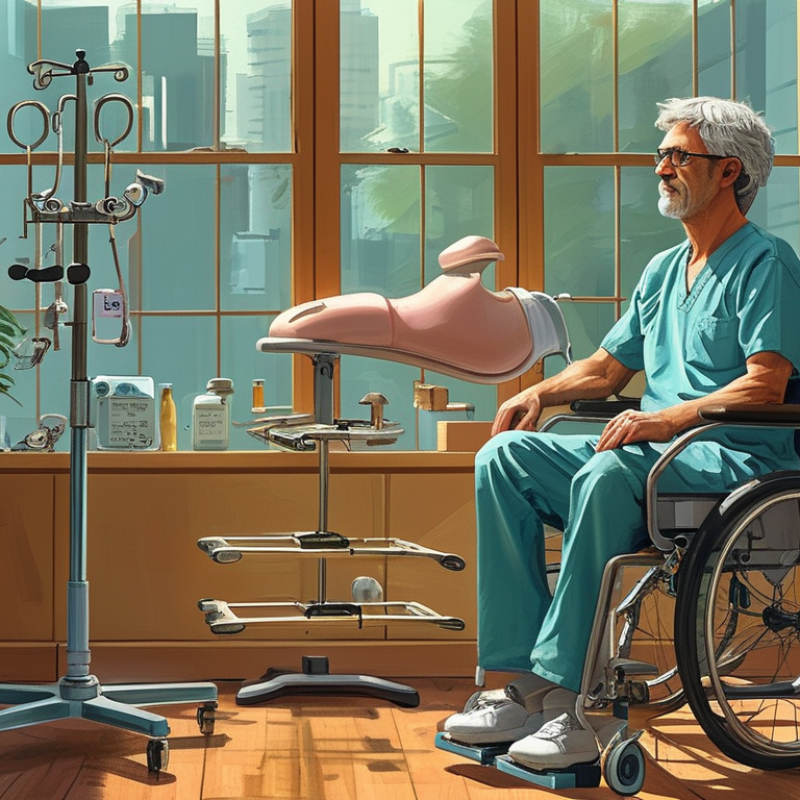
Understanding your orthopedic needs and goals is essential when choosing the right orthopedic device. Different conditions require specific solutions. For example, data from the American Academy of Orthopaedic Surgeons (AAOS) indicates that over 30% of adults will experience some form of musculoskeletal issue. Knowing your specific condition can aid in selecting an effective device.
Consider your daily activities. Will you need support during exercise, work, or recovery? A study published in the Journal of Orthopaedic Research suggests that tailored devices increase patient satisfaction and outcomes. Many users overlook the importance of fit and comfort. Ill-fitting devices can lead to discomfort or even worsened conditions.
It’s also important to consult with healthcare professionals. Their expertise can guide you in finding the best match for your needs. Reflecting on your personal lifestyle can inform your choices. Are you active, or do you prefer a more sedentary routine? Aligning your orthopedic device with your lifestyle is crucial for optimizing recovery and daily function.
| Orthopedic Device Type | Common Uses | Key Features | Considerations |
|---|---|---|---|
| Knee Brace | Support for knee injuries, post-surgery recovery | Adjustability, materials, range of motion control | Size fitting, comfort, wear duration |
| Ankle Stabilizer | Prevention of ankle sprains, rehabilitation | Lightweight, breathable material, adjustable straps | Activity level, type of sports or activities |
| Back Support Brace | Support for lower back pain, posture correction | Lumbar support, adjustable fit, lightweight | Type of pain, duration of use, comfort level |
| Shoulder Sling | Post-surgery support, immobilization after injuries | Adjustable design, padded straps, breathable fabric | Arm size, resting position, duration of immobilization |
| Wrist Brace | Carpal tunnel syndrome, wrist injuries | Stabilization, adjustable straps, comfort lining | Usage time, needed support level, activity type |
: Assess your specific condition, such as a fracture or arthritis. Consult a healthcare professional for a proper evaluation.
A proper fit is crucial. Ill-fitting devices can cause discomfort and worsen your condition, affecting recovery.
Yes, your daily activities matter. Determine if you need support for work, exercise, or recovery to align your choice.
Regular cleaning with mild soap and water is recommended. Avoid harsh chemicals to maintain its quality.
Store it in a cool, dry place. Extreme temperatures can damage the materials and affect performance.
Regular inspections for damage are essential. Address any cracks or wear points quickly to avoid larger issues.
Breathable fabrics enhance comfort during extended use. Try different options to find what works best for you.
Yes, some may offer better support but seem complex. Evaluate each option for adjustability and usability.
Make adjustments based on comfort and listen to your body's changes. This will help maintain its effectiveness.
Changes in body shape or weight may affect fit. Consult a professional for advice on adjustments or replacements.
Choosing the right orthopedic device is crucial for addressing specific health needs and achieving recovery goals. Understanding your orthopedic needs starts with a clear evaluation of the conditions that need support, whether for injury recovery, pain management, or mobility enhancement. There are various types of orthopedic devices, including braces, supports, and prosthetics, each serving distinct functions to aid in rehabilitation and improve quality of life.
When selecting an orthopedic device, several factors must be considered, such as comfort, fit, and intended use. Consulting healthcare professionals can provide valuable insights and guidance tailored to your situation, ensuring the chosen device effectively meets your requirements. Additionally, proper maintenance and care of your orthopedic device are essential for maximizing its effectiveness and longevity. By being informed and proactive, you can make empowered decisions that lead to better health outcomes.
