Maka Medical Surgical
Maka Medical Surgical
Maka Medical Surgical
Select, precision-engineered orthopedic systems complying with CE protocols for bone and joint reconstruction.
In the rapidly advancing arena of orthopedic surgery, spinal fusion, and reconstructive traumatology, the utilization of CE Certified Bone Graft materials has transitioned from an alternative surgical option to a foundational therapeutic pillar. Bone defect repair stands as a paramount clinical challenge, triggered by complex fractures, congenital anomalies, oncological resections, and age-related osteoporotic degradation. As a critical partner in the medical device supply chain, professional procurement managers, import agents, and orthopedic surgeons demand bio-resorbable solutions that act harmoniously with human tissue.
Historically, autologous bone grafting represented the clinical "gold standard" due to its intrinsic osteogenic, osteoinductive, and osteoconductive capabilities. However, issues surrounding donor-site morbidity, limited tissue supply, extended operative times, and unpredictable resorption profiles have propelled the research, development, and scaling of advanced synthetic bone substitutes. Today's global market leans heavily toward engineered biomaterials such as biphasic calcium phosphates (BCP), hydroxyapatite (HA), beta-tricalcium phosphate (β-TCP), and bio-glass. These materials are tailored to emulate the natural bone mineral matrix, offering structured scaffolding that promotes rapid vascularization and robust cellular infiltration.
Highly porous interconnected structures mimicking trabecular bone geometry, enabling direct cellular attachment, angiogenesis, and structural stability.
Synchronized degradation kinetics ensuring the artificial scaffold slowly dissolves as the patient's native osteoid matrix consolidates and mineralizes.
Rigorous regulatory validation ensuring compliance with European Medical Device Regulations, mitigating clinical hazards and supply chain liabilities.
Selecting the correct bone graft biomaterial involves understanding the balance between mechanical load-bearing capacity and host tissue integration. Below is an analytical review comparing the performance profiles of current synthetic and natural-derived systems utilized in orthopedic and spine procedures.
| Biomaterial Class | Composition & Spec | Osteoconduction Rate | Resorption Timeline | Primary Clinical Application |
|---|---|---|---|---|
| Hydroxyapatite (HA) | Ca10(PO4)6(OH)2 crystalline profile | High density, structured scaffolding | Slow (12 - 36 months) | Structural load-bearing, joint revisions |
| Beta-Tricalcium Phosphate (β-TCP) | Pure synthetic phase Ca3(PO4)2 | Rapid cell attachment & capillary growth | Fast (6 - 12 months) | Metaphyseal defects, simple fracture voids |
| Biphasic Calcium Phosphate (BCP) | Custom ratios of HA & β-TCP (e.g. 60/40) | Optimized pore interconnectivity | Balanced (9 - 18 months) | Spinal fusion cages, trauma reconstructions |
| Bioactive Glass (Silicon-based) | SiO2-Na2O-CaO-P2O5 matrix | Stimulates fast localized ion release | Variable based on formulation | Dental augmentations, localized bone defects |
The Technological Roadmap: Over the next decade, the research and development pipeline for bone graft technology will concentrate on surface functionalization. Next-generation scaffolds are designed not only to act as passive structures but to actively signal host tissues. By integrating osteoinductive growth factors like Bone Morphogenetic Proteins (BMP-2, BMP-7) or vascular endothelial growth factors (VEGF) directly into the molecular structure of 3D-printed ceramic matrices, suppliers can offer products that replicate the natural healing cascade. This technical evolution ensures that surgeons can treat challenging non-unions and large segmental skeletal losses with predictable outcomes, eliminating the reliance on autograft harvesting.
Navigating the strict standards of CE Certification (EU MDR 2017/745) and ISO 13485 manufacturing environments.
Under European Union guidelines, bone graft materials containing animal-derived raw components or bio-resorbable synthetics are classified as Class III (high risk) medical devices. This requires exhaustive clinical data, biocompatibility evaluations, and continuous post-market clinical follow-ups (PMCF).
Strict adherence to validated sterilization cycles (Gamma Irradiation, Ethylene Oxide, or E-beam) is essential. Suppliers must guarantee a Sterility Assurance Level (SAL) of 10⁻⁶ to prevent healthcare-associated infections and ensure product stability over extended shelf-lives.
From raw material sourcing to packaging, every batch must register a clean quality audit trail. Quality Management System (QMS) adherence certified under ISO 13485 guarantees that batch-to-batch consistency meets strict chemical purity and crystalline homogeneity criteria.
For international distributors and clinical purchasers, importing medical devices demands verified regulatory compliance. Partnering with a supplier that maintains updated EC Certificates issued by recognized Notified Bodies (such as TÜV SÜD, BSI, or SGS) is crucial. It simplifies the registration process in destination countries, safeguarding medical professionals from clinical liabilities and guaranteeing patient safety during surgical interventions.
Modern orthopedic medicine operates in diverse clinical environments, from high-volume trauma centers in metropolitan hubs to specialized veterinary clinics and dental implant centers. Each scenario presents distinct requirements for graft performance, stability, and handling characteristics.
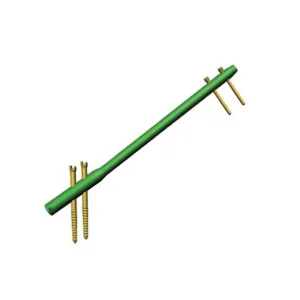
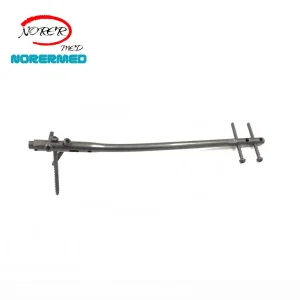
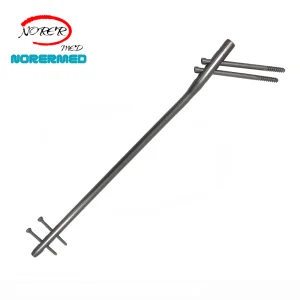
High-energy impacts, compound fractures, and skeletal non-unions require load-supportive bone grafts and stable internal fixation. Combining bone graft materials with advanced titanium interlocking intramedullary nails or locking trauma plates optimizes mechanical stabilization and physiological healing.
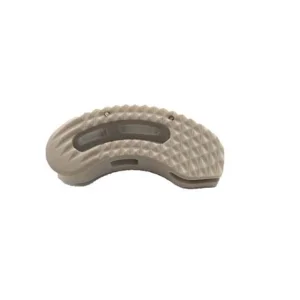
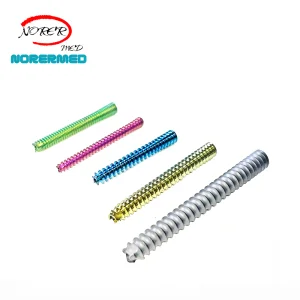
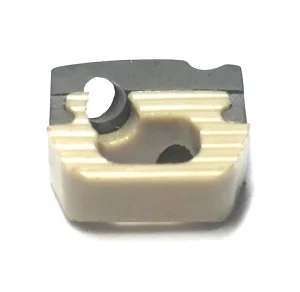
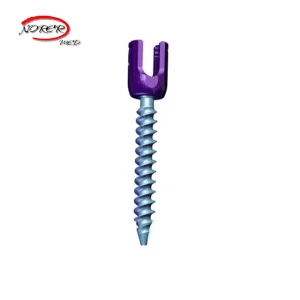
For degenerative disc disease (DDD) and spondylolisthesis, spine surgeons utilize synthetic bone grafts packed within PEEK or Titanium Lumbar/Cervical cages. The graft promotes solid interbody bridging, which is secured by pedicle screw systems to achieve lasting fusion.
With the growth of veterinary orthopedics, canine TPLO (Tibial Plateau Leveling Osteotomy) and fracture fixations depend on biological bone graft alternatives. These materials accelerate healing in companion animals, reducing postoperative recovery times and implant failures.
Verified manufacturing background, capabilities, and orthopedic device ecosystem.
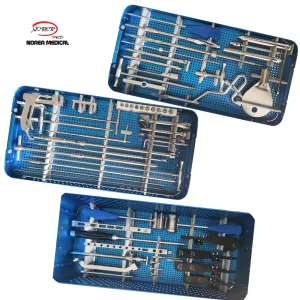
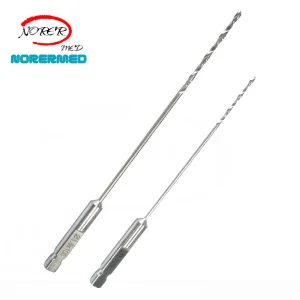
We are located in Changzhou city, CHINA. We are an orthopedic trauma bone plate, bone screw, orthopedic interlocking nail, orthopedic spine pedicle screw, cervical plate, PEEK cervical & lumbar cage, and related equipment manufacturer.
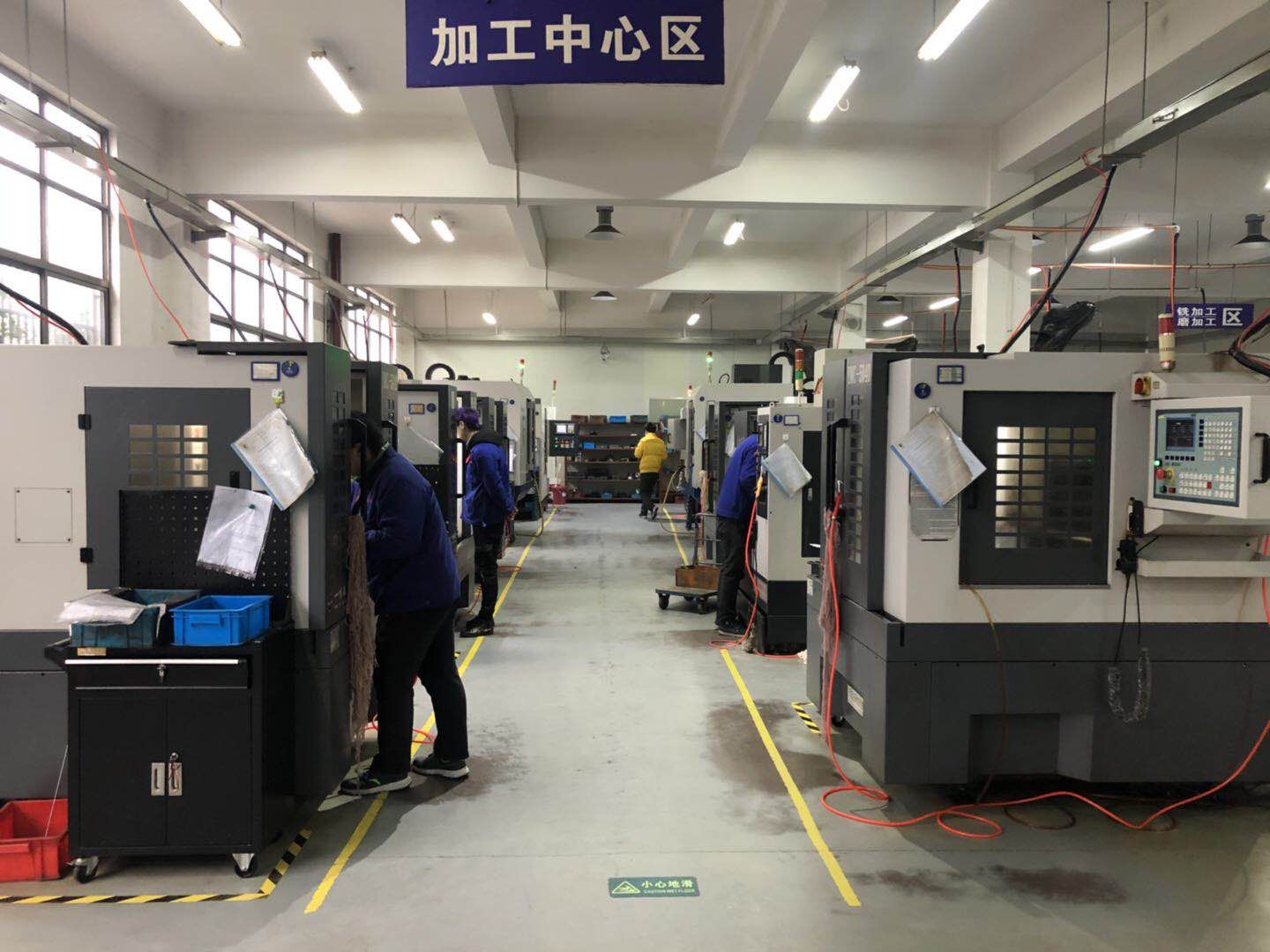
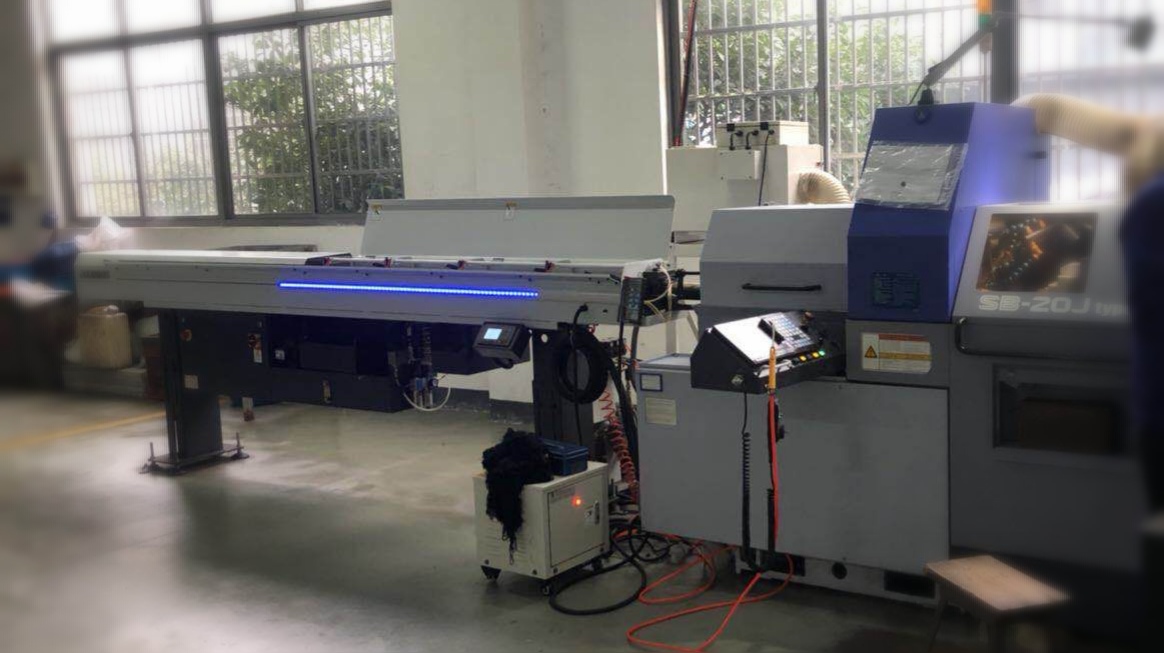
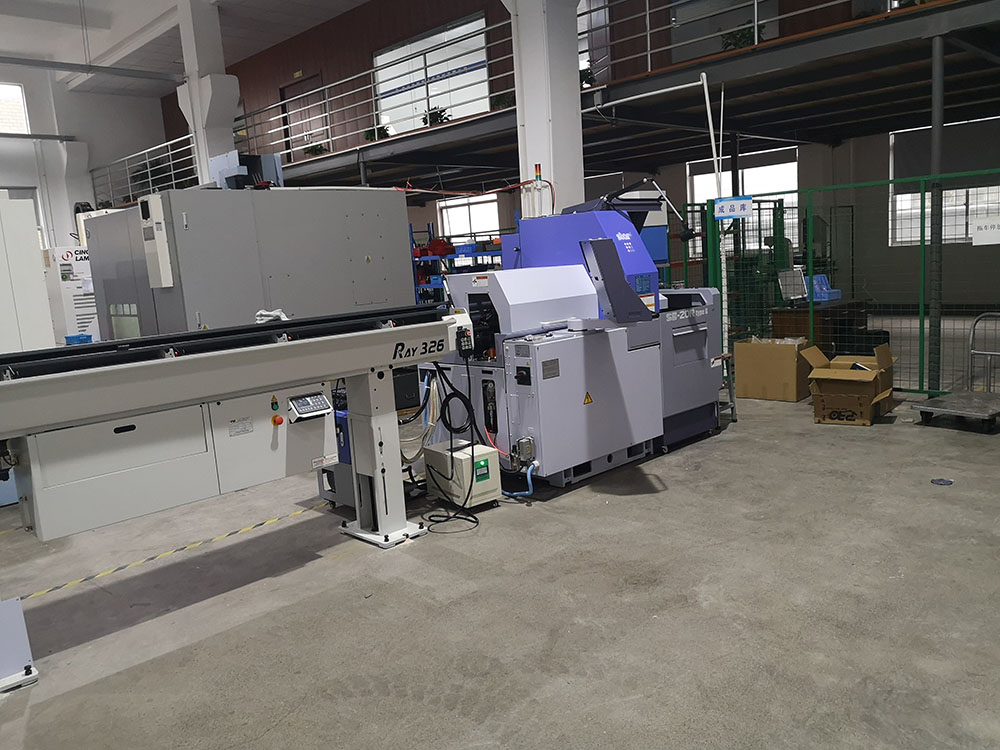
Operating with an integrated industrial focus, Maka Medical combines state-of-the-art metal machining (Titanium, Stainless Steel) and polymers (PEEK) processing to deliver clinical-grade orthopedic solutions. Our close alignment with high-precision fabrication plants enables us to supply the internal fixation systems that complement bone grafting procedures, providing global partners with single-source supply chain benefits.
Next-generation hardware configurations engineered for stability and long-term biocompatibility in reconstructive surgery.
Inside our manufacturing systems, cleanroom areas, and testing facilities.
Answers to critical questions regarding sourcing, compliance, material specifications, and logistics.