 Maka Medical Surgical
Maka Medical Surgical
Maka Medical Surgical
Explore our elite range of CE-compliant spinal fixation screws, intramedullary nails, and precision surgical instruments.
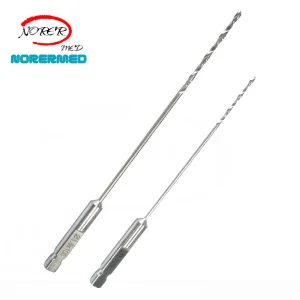
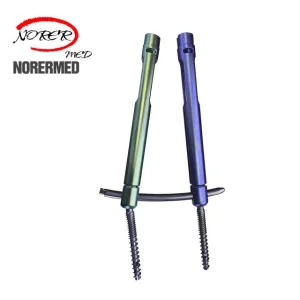
Veterinary Orthopedic Minimally Invasive Spinal Titanium Pedicle Screw
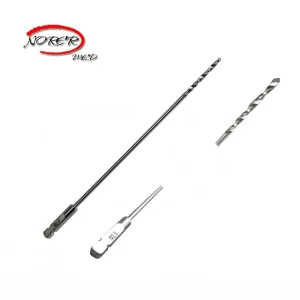
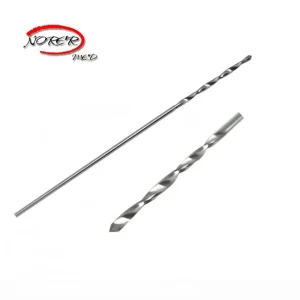
China Medical Orthopedic Stainless Steel Drill Bit With Quick Coupling
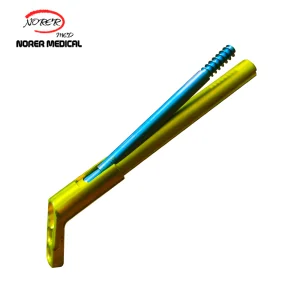
Orthopedic Titanium Femoral Neck Nail Plate Locking Screw System (FNS)- Bone Fixation Implant
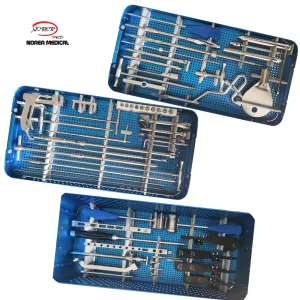
Orthopedic PFNA Interlocking Nails Instruments Kit Hip Joint Replacement Surgery (Tibial ,Femoral)
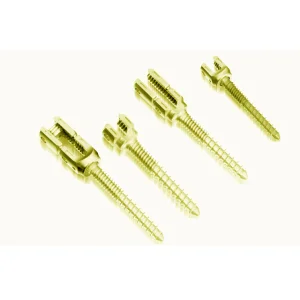
Veterinary Orthopedic Titanium Monoaxial Pedicle Screw for Spinal Fixation
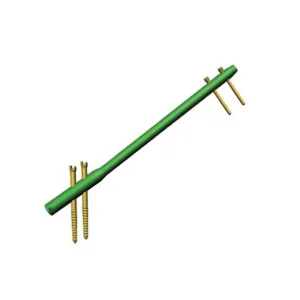
Human Orthopedic Titanium Femoral Femur Interlocking Nail GAMA
The global cervical collar market is witnessing significant growth, driven by a sharp rise in emergency traumas, cervical spondylosis, and postoperative care requirements. As populations age and screen-reliant lifestyles increase the prevalence of degenerative cervical spine disorders, external orthopedic support has transitioned from short-term emergency devices to highly customized, biomechanically optimized therapeutic solutions. The global market value for cervical spine immobilization orthoses is expected to expand at a compound annual growth rate (CAGR) of over 5.4% in the coming decade.
In response to these market needs, medical institutions worldwide demand rigid, semi-rigid, and soft cervical collars that not only provide strict alignment but also prevent secondary pressure injuries. Today’s industrial landscape demands absolute adherence to strict medical regulations, specifically the European Union’s Medical Device Regulation (MDR 2017/745) and FDA guidance documents. Consequently, sourcing managers are prioritizing partnerships with CE certified cervical collar factories capable of maintaining traceable raw material batches and validating physical fatigue tests.
Cervical collars do not operate in isolation; they are a critical component of a comprehensive orthopedic intervention pathway. Following procedures like anterior cervical discectomy and fusion (ACDF), patients require precise external support. High-quality cervical collars act as an external scaffolding, shielding internal implants—such as cervical plates and pedicle screws—from excessive loads and micro-motions that could lead to fixation failure. By limiting flexion, extension, and rotation, these orthoses ensure optimal bone fusion and graft stability.
Our manufacturing processes are certified to meet the European Union's MDR, ensuring all products satisfy the highest safety, bio-compatibility, and technical design standards.
We utilize medical-grade, hypoallergenic EVA foam, non-toxic polyethylene sheets, and breathable textiles that minimize skin breakdown during long-term immobilization.
Designed using computerized anthropometric data, ensuring maximum restriction of sagittal flexion and extension while allowing comfortable mandibular fit.
China has long established itself as the global epicenter for medical device manufacturing, particularly in the orthopedic sector. This dominance is not simply based on cost reduction, but rather on structural cluster advantages. Regions such as Changzhou in Jiangsu province have developed highly concentrated ecosystems of orthopedic engineering expertise. This cluster integrates raw material refining, CNC high-precision machining, plastic injection molding, and sterilizing facilities within a tight geographical radius.
For global procurement teams, sourcing from a specialized Chinese manufacturer offers distinct advantages:
Accelerate time-to-market with quick 3D design adjustments and rapid injection mold creation within days.
Direct procurement of premium polymers and medical alloys ensures high durability and patient safety.
Strategic proximity to major international ports ensures streamlined export operations and fast global delivery.
Adherence to strict quality systems ensures zero defects across all orthopedic support and implant lines.
Cervical collars serve diverse purposes across different clinical environments. Standardizing collar applications across these scenarios is key to optimizing patient recovery and ensuring safe mobility:
In acute trauma scenarios, such as motor vehicle accidents or falls, immediate stabilization of the cervical spine is vital to prevent secondary spinal cord damage. EMS teams rely on rigid, two-piece collars (such as Philadelphia or Malibu-style collars) that offer maximum mechanical constraint. These devices must feature large trachea openings for quick airway access, pulse checks, and emergency cricothyroidotomies, while remaining completely X-ray, CT, and MRI transparent.
Following spinal surgeries, such as anterior cervical discectomy and fusion (ACDF) or posterior cervical fusion, maintaining spinal alignment is critical. In these scenarios, semi-rigid collars are prescribed for 4 to 12 weeks. These collars must distribute pressure evenly over the chin, sternum, and occiput to prevent painful skin breakdowns, especially in elderly or malnourished patients.
For patients suffering from mild whiplash, acute neck spasms, or cervical radiculopathy, soft foam cervical collars provide comfort and warmth. By restricting movement slightly, these collars help reduce muscle spasms and relieve pressure on pinched nerve roots. Their breathable design is optimized for extended home use, facilitating a smoother return to daily activities.
Orthopedic immobilization is also essential in veterinary medicine. Following spinal stabilization procedures on small or large animals—often utilizing dedicated veterinary orthopedic titanium screws and plates—custom veterinary neck braces are used to prevent postoperative self-injury. These braces are built to withstand unique mechanical stresses and environmental moisture, ensuring safe recovery for animal patients.
For B2B procurement managers, sourcing cervical collars and associated orthopedic devices requires meeting rigorous quality and supply chain criteria. Selecting a supplier based on unit price alone can lead to regulatory delays, product recalls, and compromised patient care. Professional procurement strategies focus on verifying several key areas:
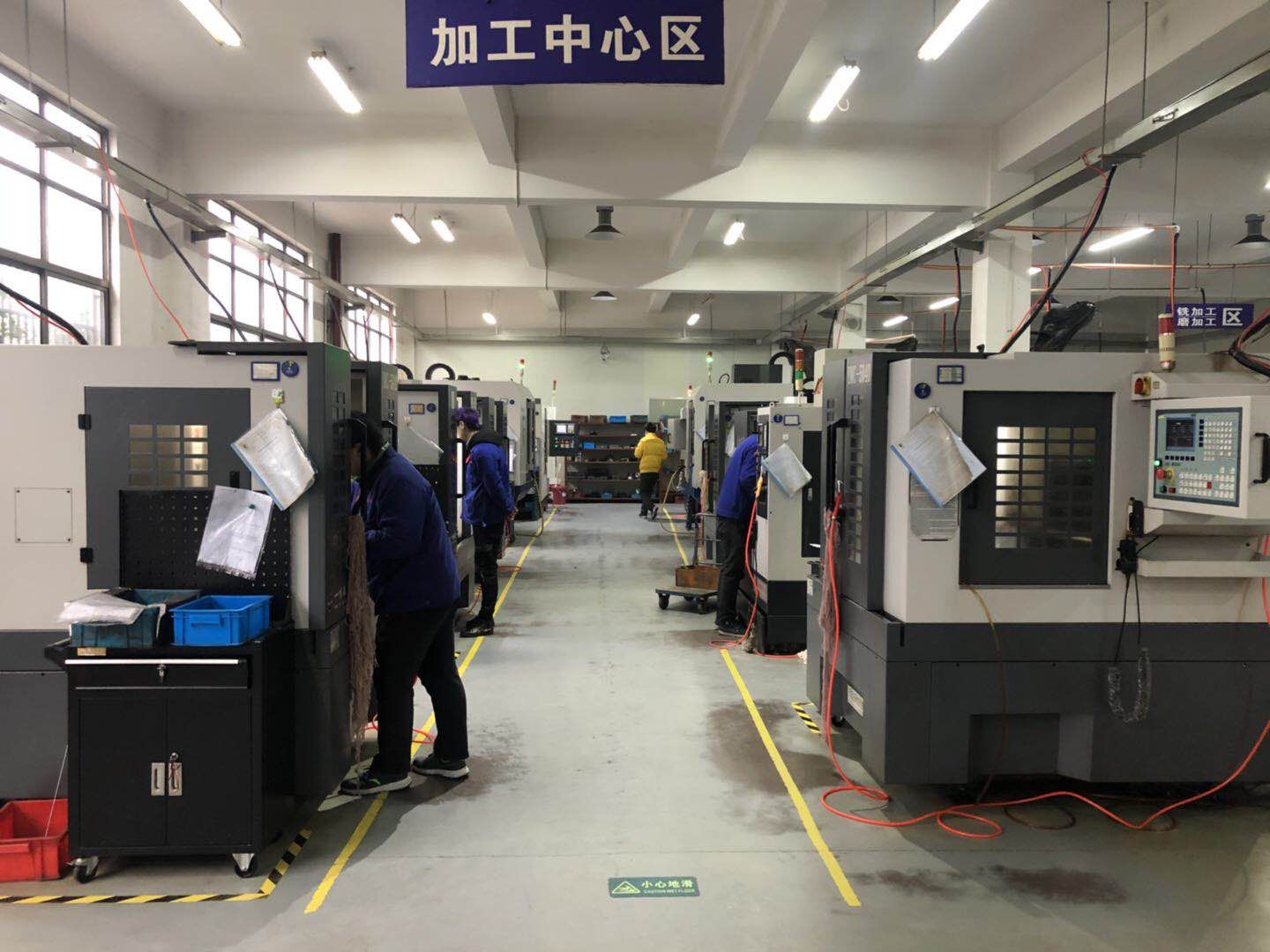
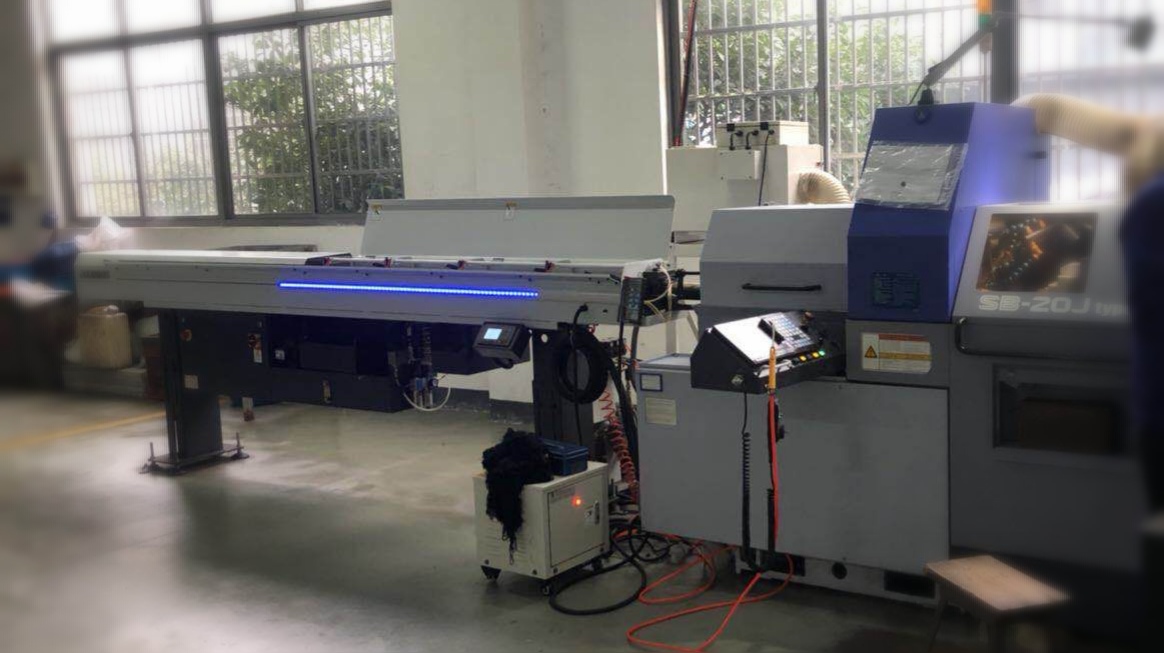
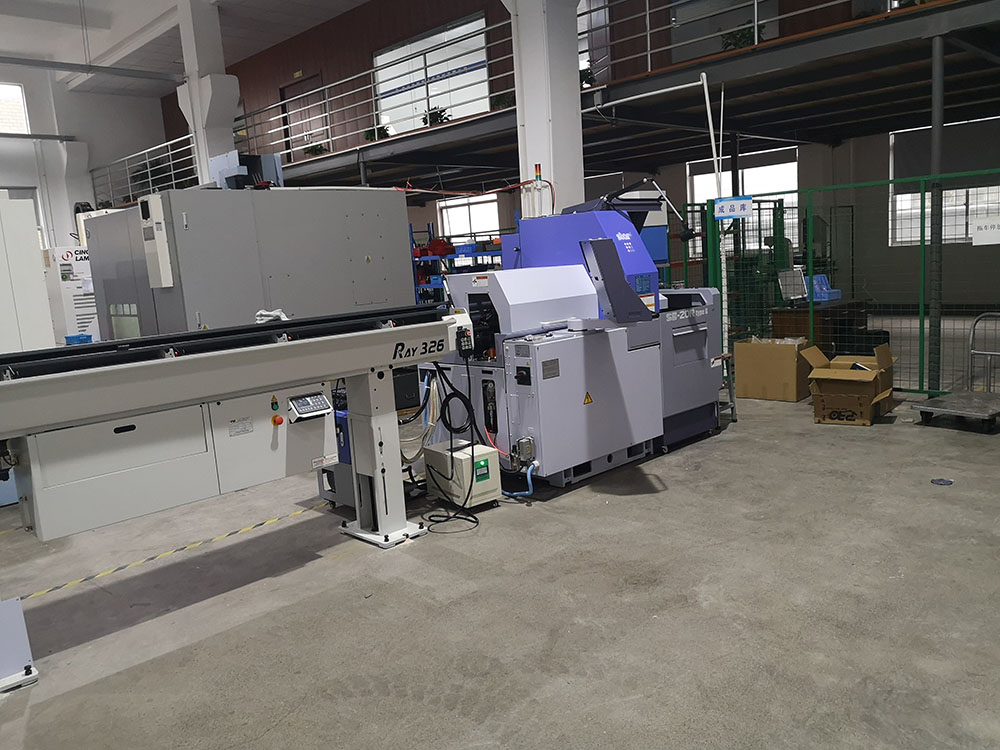
Answers to essential clinical, engineering, and procurement questions for global buyers.
Select from our comprehensive inventory of premium trauma implants and precision instruments.
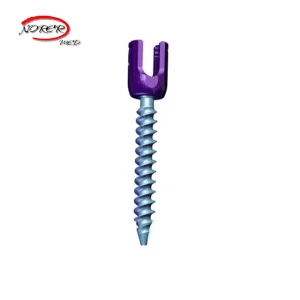
Human /Veterinary Orthopedic Titanium Spine Uniplanar Pedicle Poly Screw for Fixation
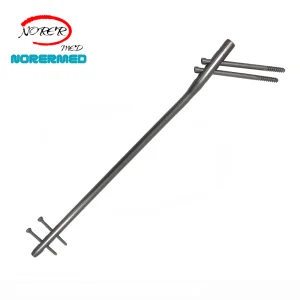
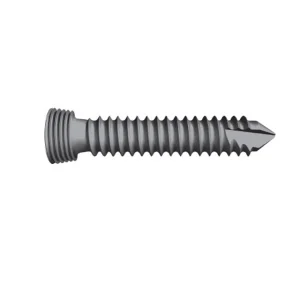
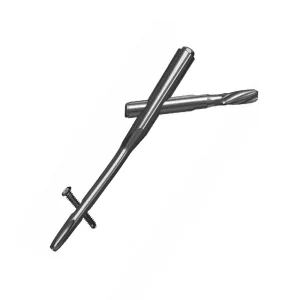
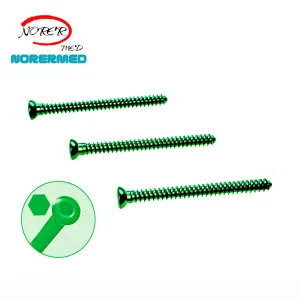
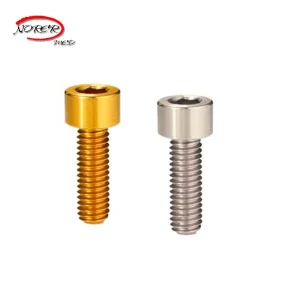
CHINA Manufacturer Metal Alloy Screw Machining Production Manufacture
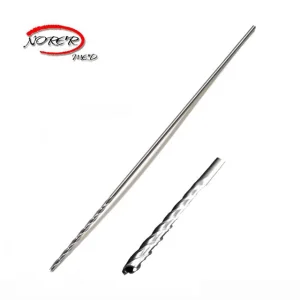
China Medical Orthopedic Stainless Steel Cannulated Drill Bit
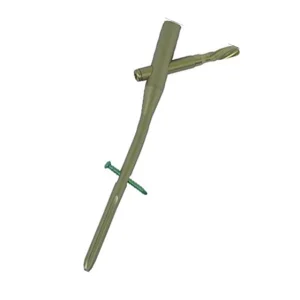
Titanium Orthopedic PFNA Interlocking Nail(Expert)-PFNA Nail for Human or Veterinary