Maka Medical Surgical Maka Medical Surgical

CE Certified Orthotic & Orthopedic Device Factory & Exporters

Precision Biomechanical Implants and Trauma Fixation Systems for Human and Veterinary Healthcare Excellence.

Global Procurement Landscape & Strategic Demands

As clinical demands shift toward minimally invasive techniques and biological stabilization, international medical device distributors, hospitals, and veterinary clinics face complex procurement requirements. Ensuring patient safety dictates selecting manufacturing partners that offer verified biocompatibility, structural fatigue resistance, and rigid regulatory compliance.

Stringent Regulatory & CE Compliance

Global markets require medical implants to comply with the European Union Medical Device Regulation (EU MDR) and ISO 13485 quality systems. We manufacture each implant to clear regulatory paths for importers, protecting distributors from supply chain bottlenecks and customs non-compliance.

Advanced Biomaterials (Titanium & PEEK)

Our implants leverage Grade 5 Titanium (Ti-6Al-4V ELI) and PEEK (Polyetheretherketone) polymers. Titanium offers high fatigue strength and osseointegration, while PEEK provides radiolucency and a modulus of elasticity matching human cortical bone, preventing stress-shielding.

Dual Human & Veterinary Applications

The companion animal market has expanded veterinary orthopedics into micro-fixation and specialized spinal fusion cages. Our dual-line production facilities design, machine, and test clinical-grade trauma systems for both human and veterinary applications.

Technical Roadmap & Material Science

Maka Medical integrates clinical input with precise CNC engineering to optimize implant geometry and load distribution. Our product development cycles target three core areas:
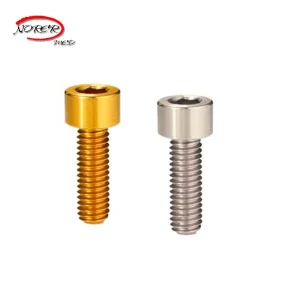
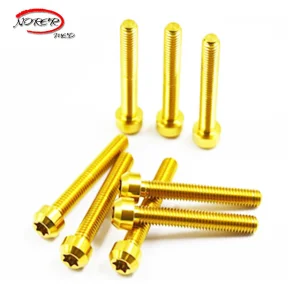
  • Surface Modification: Implementing Type II and Type III anodization for titanium implants to improve wear resistance, surface hardness, and osteoblast attachment.
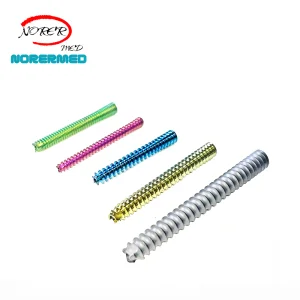
  • Optimized Thread Biomechanics: Machining cortical and cancellous screws with variable pitch profiles, maximizing initial pull-out strength in osteopenic bone structures.
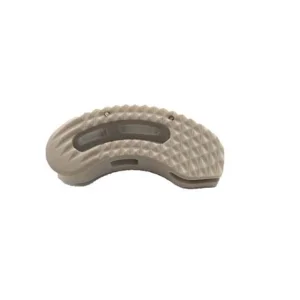
  • Advanced Spinal Fusion Geometries: Developing PEEK and titanium-coated cages with internal structures optimized for graft packing and accelerated fusion.
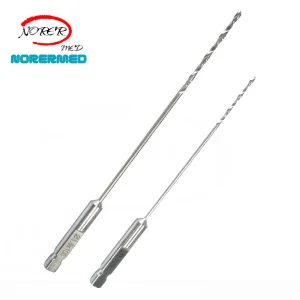
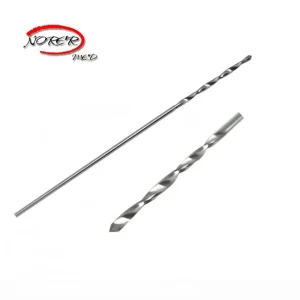
  • Drill Bit AO Coupling Engineering: Maintaining tight machining tolerances on AO quick-coupling attachments to minimize drill runout and thermal necrosis risk during osteotomy.
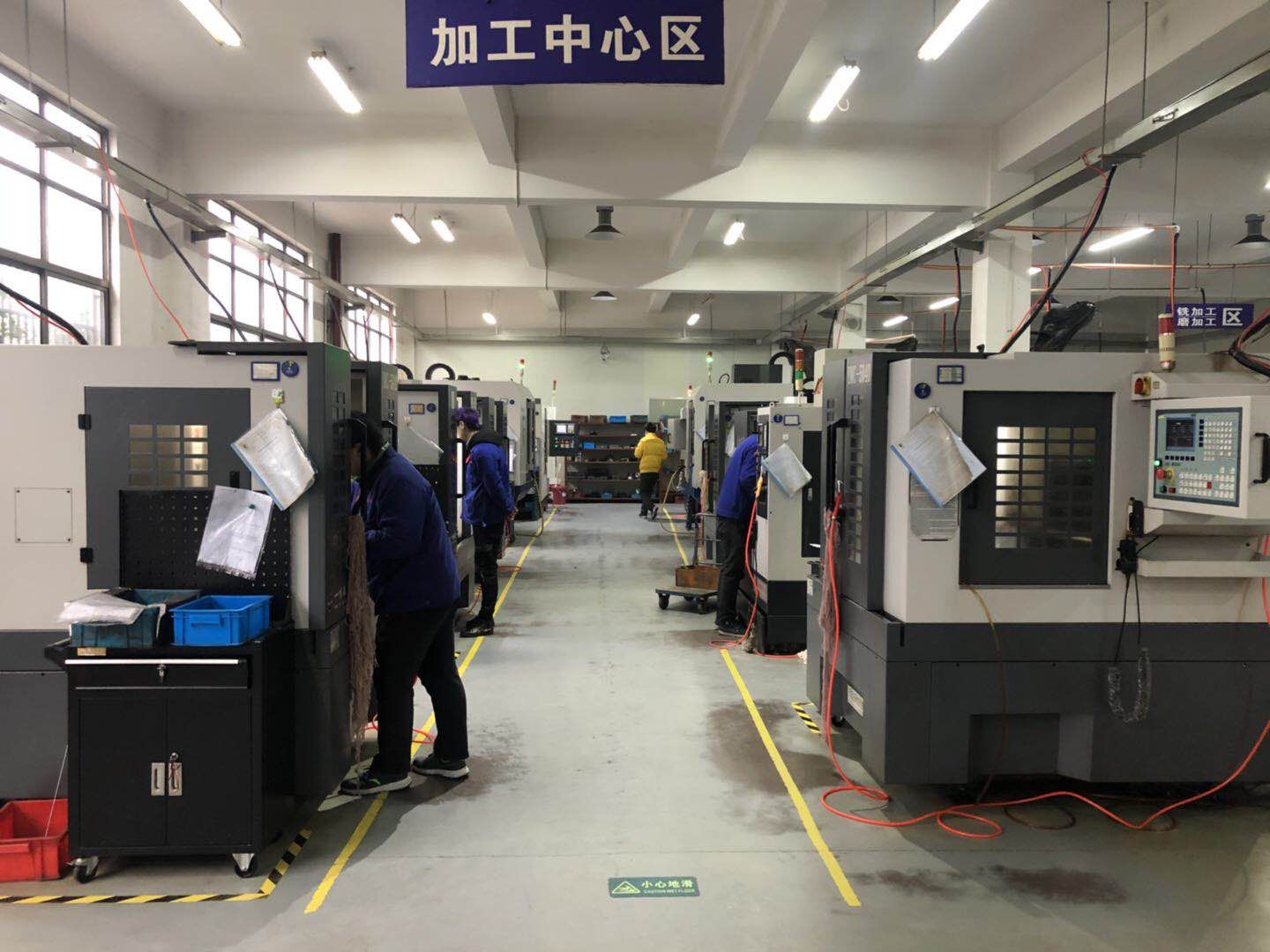
Precision CNC Orthopedic Production Floor Quality Inspection of Orthopedic Titanium Screws
Maka Medical Production Scale & Verification Capabilities

Based in Changzhou, China—a global hub for orthopedic manufacturing—Maka Medical Technology Co., Ltd. operates advanced manufacturing lines producing CE-certified implants and instrumentation. Our production and quality controls align with global standards to deliver consistent clinical performance.

10+
Years of Industry Presence
ISO 13485
Quality Management Standard
11-50
Highly Skilled Technicians
100%
Traceable raw materials (ASTM F136)
Product Line Primary Material Options Core Clinical Indication / Use Cases Key Structural Integrity Feature
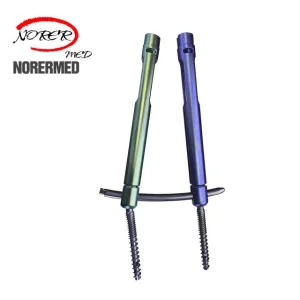
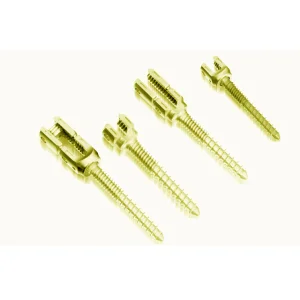
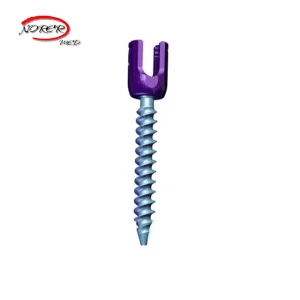
Spinal Fixation Systems Grade 5 Titanium (Ti-6Al-4V ELI) Degenerative disc disease, spinal stenosis, trauma Polyaxial and monoaxial configurations with self-tapping threads
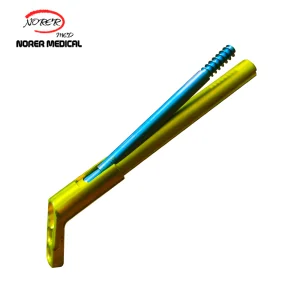
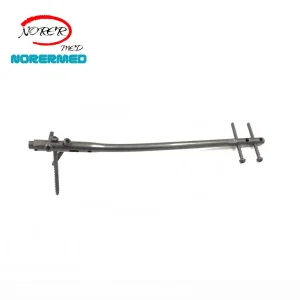
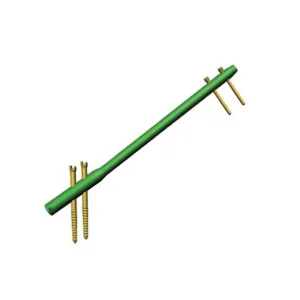
Interlocking Nails Titanium Alloy / Surgical Stainless Steel Femoral, tibial, and humeral shaft fractures Multi-planar distal locking options to prevent rotational deformity
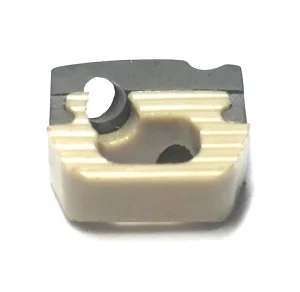
Spinal Fusion Cages Bio-compatible PEEK / Titanium Coating Anterior and transforaminal lumbar interbody fusions Aggressive surface teeth preventing migration; high radiographic clarity
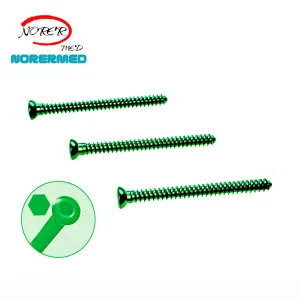
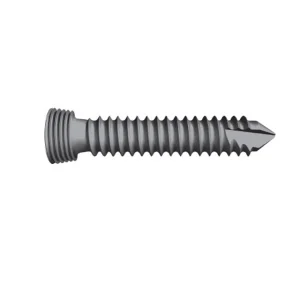
Bone Screws (Cortical / Cannulated) Titanium Alloy (ASTM F136) Small fragment and extremity bone fixation Headless design with self-drilling, self-tapping reverse cutting flutes
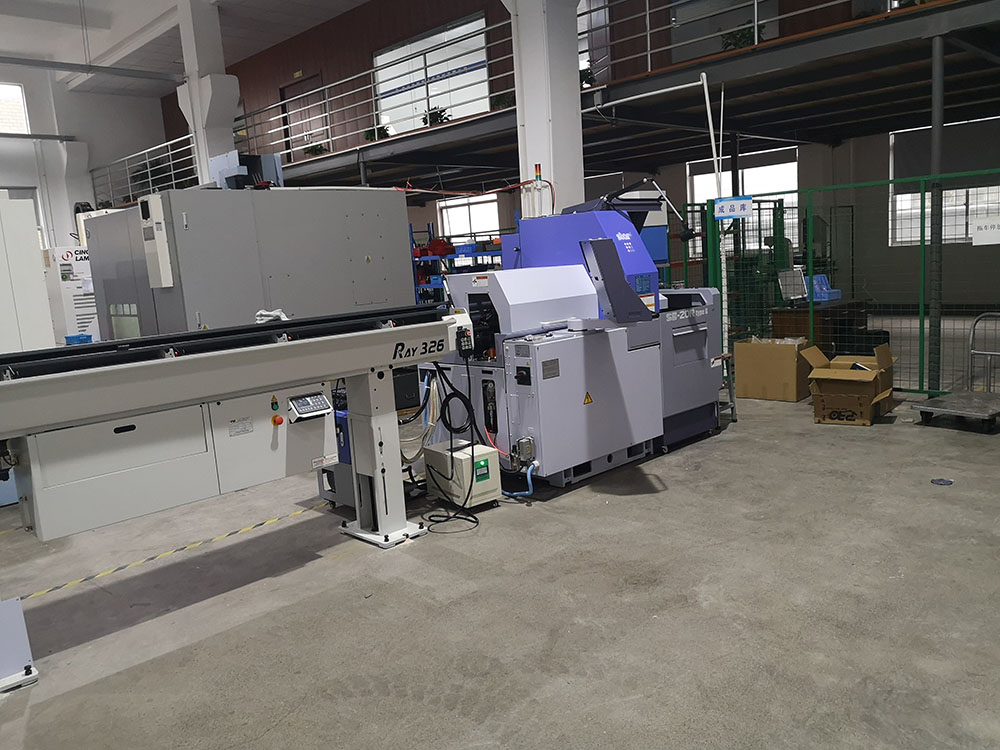
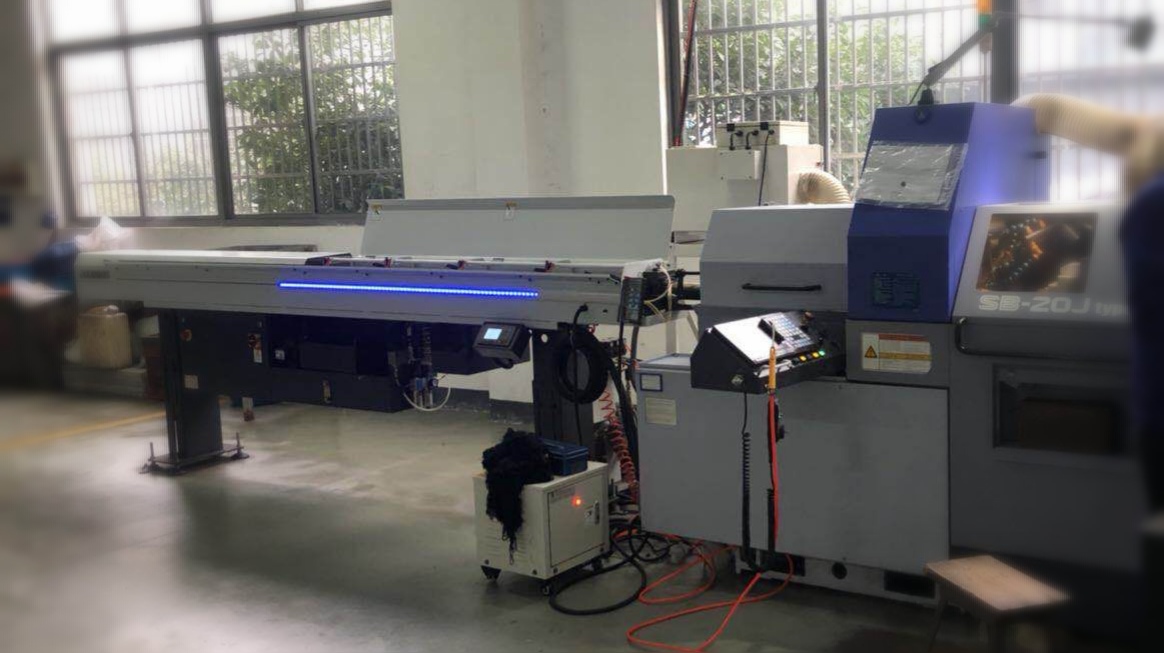
Orthopedic Production Machine Line
Maka Medical Profile & Capabilities

Maka Medical Technology Co., Ltd. is a specialized manufacturer based in Changzhou City, Jiangsu Province, China. We supply high-grade trauma, spine, and joint implants alongside corresponding surgical instruments.

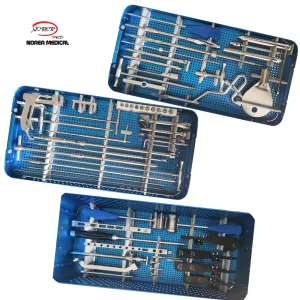
Our catalog features orthopedic trauma bone plates, bone screws, interlocking nails, spinal pedicle screws, cervical plates, and PEEK cervical and lumbar fusion cages.

Company Name: Maka Medical Technology Co., Ltd.
Headquarters: Changzhou City, Jiangsu, China
Total Employees: 11 - 50 People
Business Type: Trading Company & Manufacturer
Export Footprint: Global (Europe, Americas, Southeast Asia)
Years Active: 10 Years in Medical Export Sector
Technical & Regulatory FAQ

Find authoritative answers regarding materials, manufacturing standards, and ordering processes for Maka Medical products.

1. What materials are used in Maka Medical orthopedic implants?
We use medical-grade Titanium Alloy (Ti-6Al-4V ELI) conforming to ASTM F136, and pure PEEK (Polyetheretherketone) sourced from ISO-compliant biomaterial partners. These materials ensure high biocompatibility, corrosion resistance, and favorable biomechanical properties, minimizing the risk of adverse tissue reactions and implant failure.
2. Does the factory hold CE certification and ISO 13485?
Yes, our manufacturing partners and production processes operate under strict ISO 13485 quality management systems. Product lines bear CE marking, allowing smooth regulatory clearance in Europe and other global jurisdictions that accept CE certifications.
3. What is the advantage of using PEEK for lumbar TLIF and ACIF spinal cages?
PEEK polymers match the elastic modulus of human bone (approx. 3.6 GPa to 4 GPa) much closer than titanium (approx. 110 GPa). This significantly reduces stress shielding and potential implant subsidence. PEEK is also radiolucent, enabling clear postoperative imaging to assess spinal fusion progress.
4. Can Maka Medical customize orthopedic implants for OEM/ODM clients?
Yes. Leveraging our 5-axis CNC machining, Swiss-type turning centers, and cleanroom packaging facilities, we collaborate with international distributors and clinical brands to produce customized trauma plates, pedicle screws, and joint replacement implants tailored to specific design parameters.
5. What quality control steps are performed before shipment?
Every batch undergoes strict quality control. This includes dimensional verification via high-precision optical comparators, thread fit tests, surface roughing measurements, ultrasonic cleaning verification, and coordinate-measuring machine (CMM) testing to confirm conformity to technical drawings.
6. How are veterinary implants structurally distinguished from human implants?
While using the same biocompatible Grade 5 Titanium or PEEK materials, veterinary implants are designed to accommodate the distinct biomechanical loading and anatomy of animals. They feature smaller sizing increments, modified thread pitches for high density bone, and specialized fixation geometries suited for canine and feline patients.