 Maka Medical Surgical
Maka Medical Surgical
Maka Medical Surgical
Premium medical hardware engineered to optimize surgical workflow, minimize operating time, and interface seamlessly with modern anesthesia support systems.
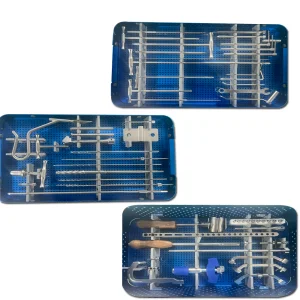
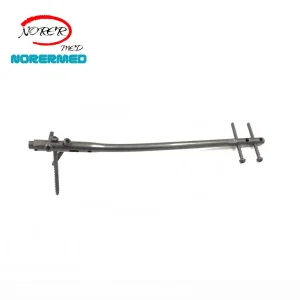
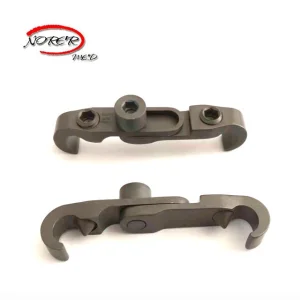
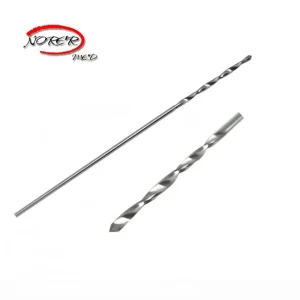
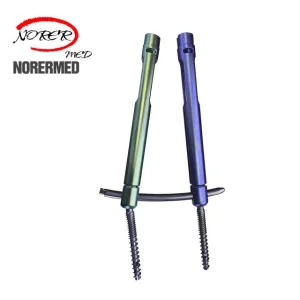
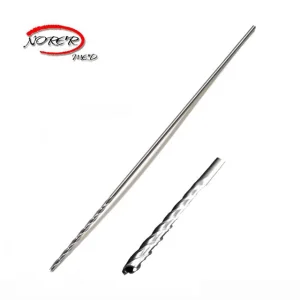
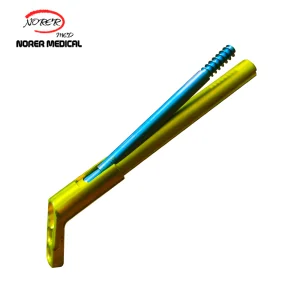
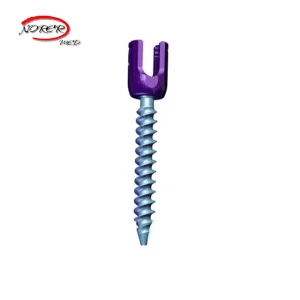
Exploring the symbiotic relationship between high-precision orthopedic hardware and general anesthesia management within advanced operating departments.
In modern perioperative medicine, the boundary between clinical structural reconstruction and physiological support is fading. The clinical success of surgeries—especially highly stressful orthopedic interventions such as total joint replacements, complex spinal fusions, and trauma stabilization—requires a highly coordinated ecosystem. In this environment, advanced anesthesia delivery systems and surgical monitoring units operate in tandem with precision surgical implants.
From a clinical workflow standpoint, the mechanical precision of surgical implants directly influences the anesthesia team’s ability to maintain patient homeostasis. Prolonged procedures increase the volume of general anesthetics (volatile agents or intravenous infusions) administered, which heightens the risk of post-anesthesia complications like respiratory depression, hemodynamic instability, and delayed emergence. By using high-performance, pre-engineered instrument kits and implants, surgeons can perform precise implantations with minimal resistance, significantly reducing total operative time and general anesthesia exposure.
High-precision instrument tolerances and self-tapping screw designs accelerate bone fixation, minimizing patient exposure to volatile anesthetics.
Using ASTM F136 titanium alloy and implant-grade PEEK reduces localized inflammatory responses and system stress, assisting post-op recovery.
Precision-machined drill guides and interlocking nails align with standardized operating procedures (SOP), lowering surgical error rates.
Medical procurement officials, hospital supply chains, and international distributors face strict regulatory environments. With the European Union transitioning from MDD to the more rigorous Medical Device Regulation (MDR 2017/745), and the U.S. FDA maintaining strict 510(k) approval paths, source verification has become a top priority. Procurement decisions now look past simple pricing models to prioritize comprehensive validation dossiers:
Leveraging advanced manufacturing clusters, multi-axis Swiss CNC machining, and automated quality control to secure global medical supplies.
Maka Medical Technology Co., Ltd., located in Changzhou City, Jiangsu Province—a top manufacturing hub for medical orthopedics and precision instruments in China—uses advanced production processes. This region offers a mature material supply network, highly trained technical workers, and optimized logistics, allowing us to keep production efficient and reliable.
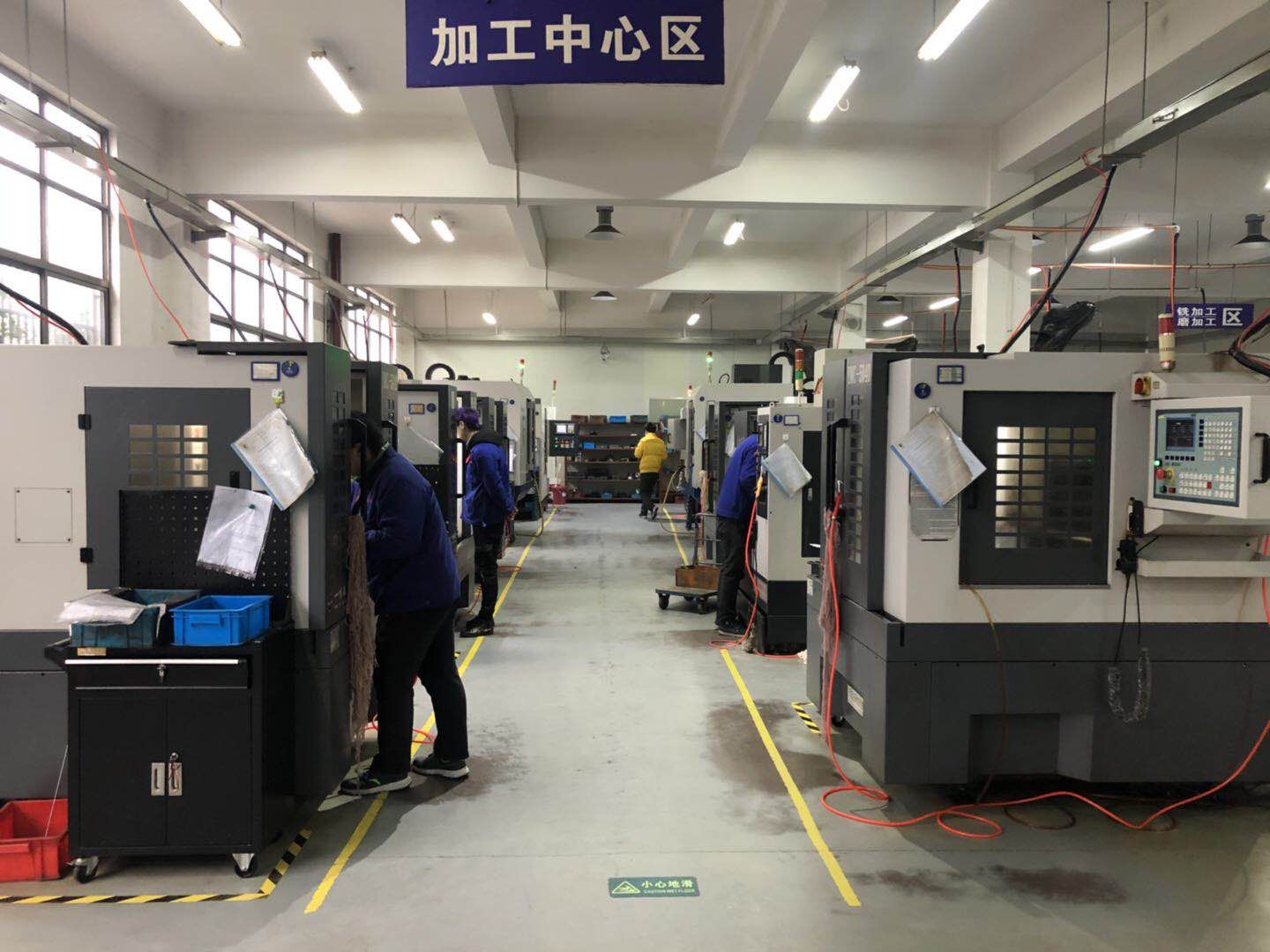
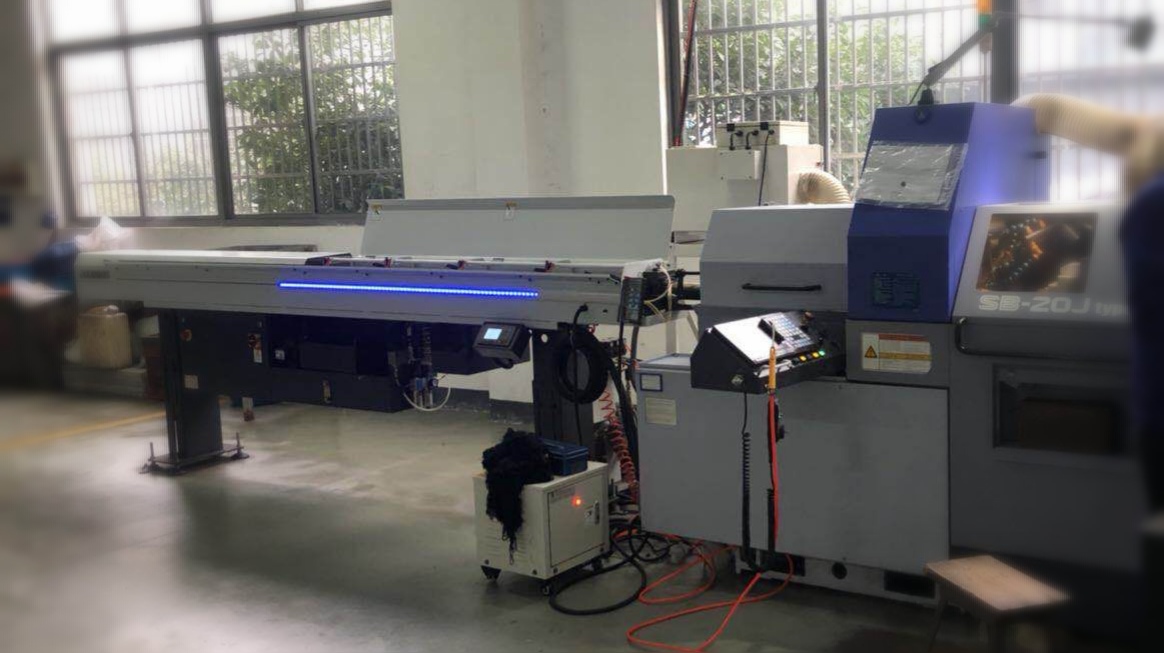
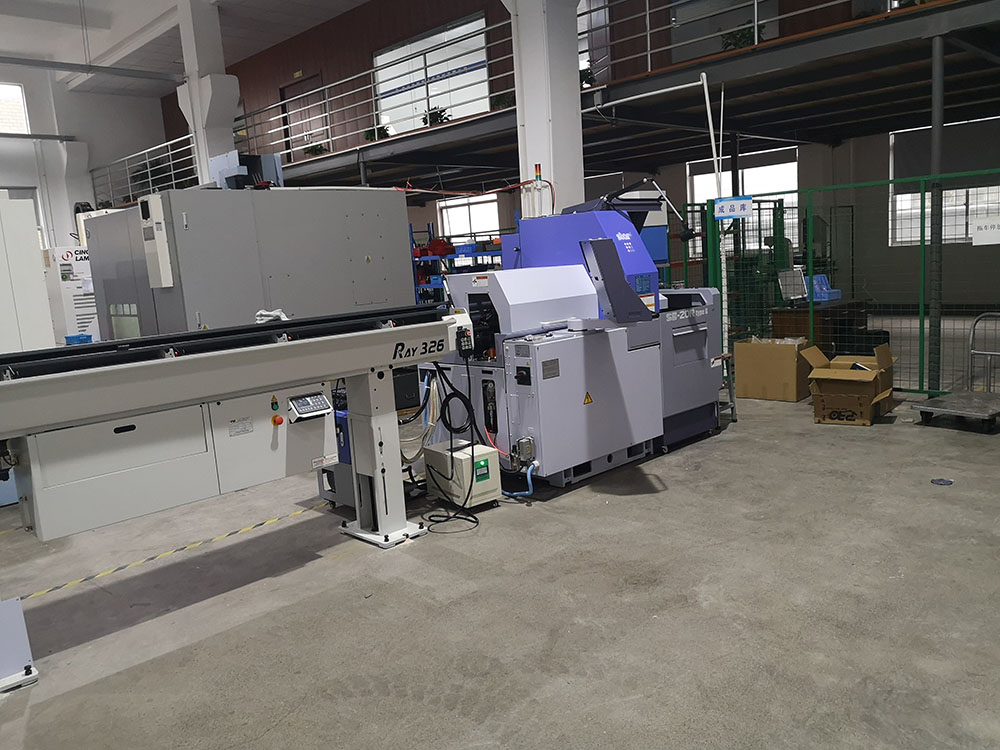
Our facility runs multi-axis Swiss-type CNC lathes and high-speed machining centers. This advanced setup allows us to keep manufacturing tolerances within 0.005 mm, ensuring that locking screws, intramedullary nails, and pediatric spine components fit together precisely. By integrating advanced production scheduling with strict quality checks, we maintain supply chain resilience to support global clients during unexpected market changes.
Genuine visual evidence of our high-precision machining, testing laboratories, and corporate presence in Changzhou, China.
How our trauma implants and specialized instrumentation kits are deployed across diverse clinical environments.
In emergency trauma centers, quick surgical intervention is critical to stabilizing patients. For fractures of the tibia or femur, our Titanium Expert Tibial Interlocking Nailing System allows for fast, stable intramedullary fixation. Quick, secure placement reduces blood loss and limits the depth of anesthesia required, which helps lower the risk of postoperative fat embolism syndrome and pulmonary complications.
Spinal surgeries demand extreme precision due to nearby neurological structures. Using our Titanium Spine Uniplanar Pedicle Poly Screws and PEEK Lumbar TLIF Cages gives surgeons the control and visual clarity needed for spinal stabilization. The radio-translucent properties of PEEK implants allow for clear intraoperative fluoroscopic checks without metal artifact interference. This enables the anesthesia team and neuro-monitoring technicians to track somatosensory evoked potentials (SSEPs) without implant-induced imaging obstructions.
Veterinary orthopedic surgery requires specialized instruments tailored to unique animal anatomies. Our range of veterinary-specific implants, including the Veterinary ACIF PEEK Locking Infusion Cage and Veterinary Minimally Invasive Spinal Titanium Pedicle Screws, allows veterinary surgeons to perform complex joint and spinal procedures on small animals. This helps reduce surgery times, which is vital because small animals are more vulnerable to anesthesia-induced hypothermia and cardiovascular depression.
Direct answers to technical, logistical, and compliance questions frequently asked by international medical device distributors and purchasing managers.
What grades of materials are used for your orthopedic implants and locking screws?
We use medical-grade Titanium Alloy (ASTM F136 Ti-6Al-4V ELI) and implant-grade Polyetheretherketone (PEEK). These materials are sourced from validated suppliers with full heat-number traceability, chemical analysis reports, and mechanical testing certificates to ensure biocompatibility and fatigue strength.
How does Maka Medical support the optimization of surgical and anesthesia procedures?
We design integrated, ergonomic surgical instrument kits, such as our Expert Tibial Interlocking Nails Instruments Kit. By matching drill bits, taps, and screwdrivers precisely with our locking screws, we help reduce surgical errors, minimize bone damage, and shorten operative times. This reduction in surgery duration directly decreases the patient's exposure to general anesthetics, lowering post-op risks.
Does your facility operate under international medical quality standards?
Yes, Maka Medical operates under ISO 13485 quality management system standards. Our production processes—including CNC machining, ultrasonic cleaning, passivation, and cleanroom packaging—are monitored to meet international regulatory requirements for Class II and Class III medical devices.
What is the typical lead time for custom OEM/ODM orders of titanium screws and spinal plates?
Standard production cycles range from 30 to 45 days, depending on the complexity of the components and batch sizes. We maintain a stock of standard orthopedic drill bits, cortical screws, and interlocking nail lines to support immediate clinical replacement needs.
How is implant sterilization managed prior to international shipment?
Implants can be supplied in either non-sterile packaging (requiring hospital autoclave preparation) or pre-sterilized via ETO (Ethylene Oxide) or Gamma irradiation. Each sterilized batch is shipped with a corresponding sterilization indicators report and validation certificate.
Explore our range of orthopedic implants, custom titanium machining, and advanced PEEK cages designed for human and veterinary applications.
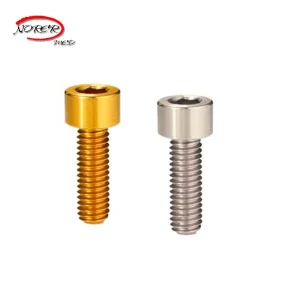
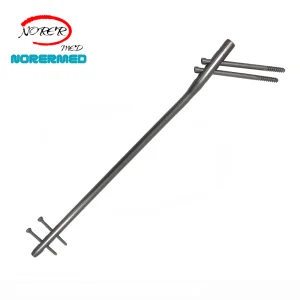
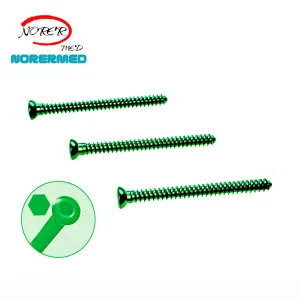
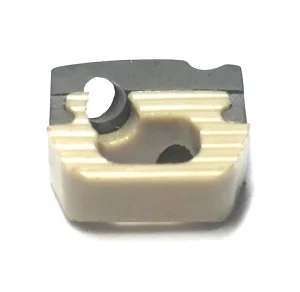
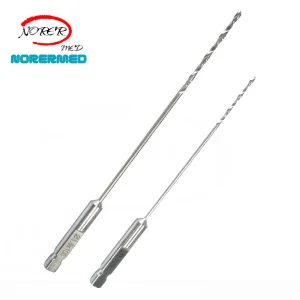
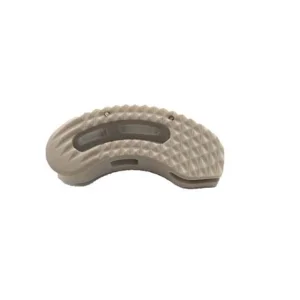
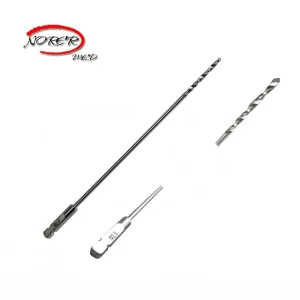
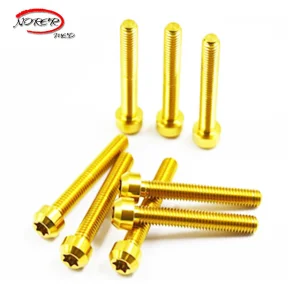
Maka Medical Technology Co., Ltd. is a specialized manufacturer of orthopedic implants and surgical instrumentation based in Changzhou, China.
At Maka Medical, we produce high-performance trauma bone plates, locking screws, intramedullary nails, pedicle screws, and cervical/lumbar PEEK cages. We work closely with international healthcare distributors and surgical equipment suppliers, delivering components that meet exact biomechanical specifications.
By integrating advanced multi-axis CNC machining, strict cleanroom processes, and comprehensive validation documentation, we help our clients maintain a reliable, high-quality medical device supply chain.