Maka Medical Surgical Maka Medical Surgical

China Best Infusion Pump Manufacturers & Supplier

Precision-Engineered Medical Fluid Delivery Systems & High-Tolerance Medical Device Component Solutions for Critical Sourcing and Clinical Excellence.

1. Executive Sourcing Paradigm: Infusion Systems & High-Precision Medical OEM

The global healthcare sector demands absolute fidelity in clinical performance. When hospital procurement boards, biomed departments, and distribution networks source critical patient care apparatuses like infusion pumps, they do not just buy a physical shell. They purchase accuracy, regulatory safety compliance, firmware reliability, and precision fluidics engineering. The manufacturing complexity of volumetric and syringe pumps mirrors the exact high-precision tolerances required in implantable orthopedic hardware and surgical instruments.

For instance, the micro-stepper motors, occlusion sensor brackets, and peristaltic rotor assemblies inside a modern smart infusion system require machining tolerances below 5 micrometers. This is the exact technological nexus where Chinese medical manufacturers have capitalized on their advanced metallurgical expertise, high-speed multi-axis CNC tooling, and cleanroom packaging capabilities to serve global markets. By bridging the gap between mechanical tolerances and clinical software safety, China-based OEM/ODM suppliers now offer robust global alternatives to legacy European and North American brands.

Key Takeaway for B2B Procurements

Evaluating an infusion pump supplier requires assessing the alignment of physical mechanical precision (such as valve, casing, and motor housing assembly) with advanced electronic control systems. High-end manufacturing facilities leveraging titanium and surgical-grade stainless steel machining technologies offer a superior baseline of reliability for long-term electromechanical medical device production.

2. Technical Blueprint: Classification & System Architecture

Infusion pumps are classified under Class IIb (EU MDR) and Class II (US FDA) medical devices, indicating a medium-to-high risk profile due to their contact with systemic circulation and delivery of high-alert medications (e.g., insulin, vasoactive drugs, chemotherapeutic agents). A reliable infusion pump system depends on distinct architectural systems:

  • Volumetric Infusion Systems: Utilize linear peristaltic or rotary mechanism design to compress the infusion tubing sequentially. This mechanism demands exact calibration of the finger plates and occlusion sensors to prevent over-infusion or line crimping.
  • Syringe Infusion Systems: Designed for micro-infusions (e.g., pediatric or neonatal wards), where the stepper motor pushes the plunger of a syringe with extreme precision (increments as small as 0.01 mL/h). The mechanical lead screw must feature zero-backlash engineering to ensure smooth, pulsation-free delivery.
  • Patient-Controlled Analgesia (PCA) & Ambulatory Pumps: Focus on portability, battery optimization, and robust physical lockboxes to prevent unauthorized dosage changes.

Fluid Mechanics

Dual-microprocessor control keeps flow rate deviations under ±2% for syringes and ±5% for general IV sets.

Safety Systems

Integrated ultrasonic air-bubble detectors and high-sensitivity pressure sensors prevent air embolism and line occlusions.

Smart Connectivity

HL7 integration capability via embedded Wi-Fi modules supports connection to Hospital Information Systems (HIS) and EMR.

3. Sourcing Strategy: Navigating the Chinese Medical Device Supply Chain

Procurement agencies and hospital groups sourcing from China face complex decisions around price, quality, and regulatory compliance. Understanding the structural layers of Chinese manufacturers is essential for successful sourcing:

  1. Tier-1 Industrial Hubs: Cities like Shenzhen, Changzhou, and Shanghai house state-of-the-art manufacturing zones. In Jiangsu province, for example, medical clusters specialize in high-end metallurgical components, orthopedics, surgical tools, and electromechanical assemblies.
  2. Verification of Certifications: Do not rely solely on sales presentations. Buyers must verify the authenticity of ISO 13485 (Medical Devices Quality Management Systems), CE certificates registered under the EU MDR, and FDA 510(k) clearances.
  3. OEM vs. Standard Brand: Many Chinese factories operate on dual models. They produce high-quality private-label components for international brands and also sell their own branded equipment. Understanding this dynamic helps buyers negotiate better terms for custom software, UI localization, and customized mounting solutions.
100%
ISO 13485 Audited
< 0.5%
Defect Rate Tolerance
80+
Countries Exported

4. Technological Roadmap & Future Outlook

The infusion pump industry is shifting away from isolated bedside units toward integrated, intelligent therapeutic ecosystems. Understanding the direction of clinical fluidics helps buyers prepare their current capital investments for future demands:

  • DERS (Dose Error Reduction Systems): Modern infusion systems require robust software integration. Built-in drug libraries with hard and soft dosing limits protect patients from programming errors.
  • Cybersecurity Hardening: As infusion systems connect to network switches, they become potential entry points for network threats. Advanced manufacturers implement encrypted firmware, secure boot controls, and certificate-based network authentication.
  • Closed-Loop Administration: Future therapeutic designs link real-time patient monitors (e.g., depth-of-anesthesia monitors or glucose sensors) directly to infusion control algorithms. This setup dynamically modulates dosage levels without manual intervention.

5. Localized Technical Support & Regulatory Compliance

Purchasing high-precision medical machinery represents only the initial phase of the product lifecycle. The critical differentiator for successful procurement projects is the post-sale service and support infrastructure. Experienced Chinese suppliers establish localized service nodes or partner with regional biomedical engineering groups to provide:

  • Preventative Calibration: Regular pressure and volume verification using traceable analyzer equipment (e.g., Fluke Biomedical systems) to verify performance limits.
  • Spare Parts Availability: Sourcing key wear items like battery packs, peristaltic door latches, occlusion plates, and mainboards from readily available local inventory.
  • Clinical and Biomedical Training: Providing interactive, remote, or on-site engineering workshops to ensure hospital maintenance staff can diagnose board-level faults, reload calibration profiles, and run standard safety protocols (IEC 60601-1-2 electrical safety tests).

Manufacturing Excellence & Production Profile

Bridging metallurgical perfection with advanced medical device fabrication to supply global markets with clinical-grade equipment.
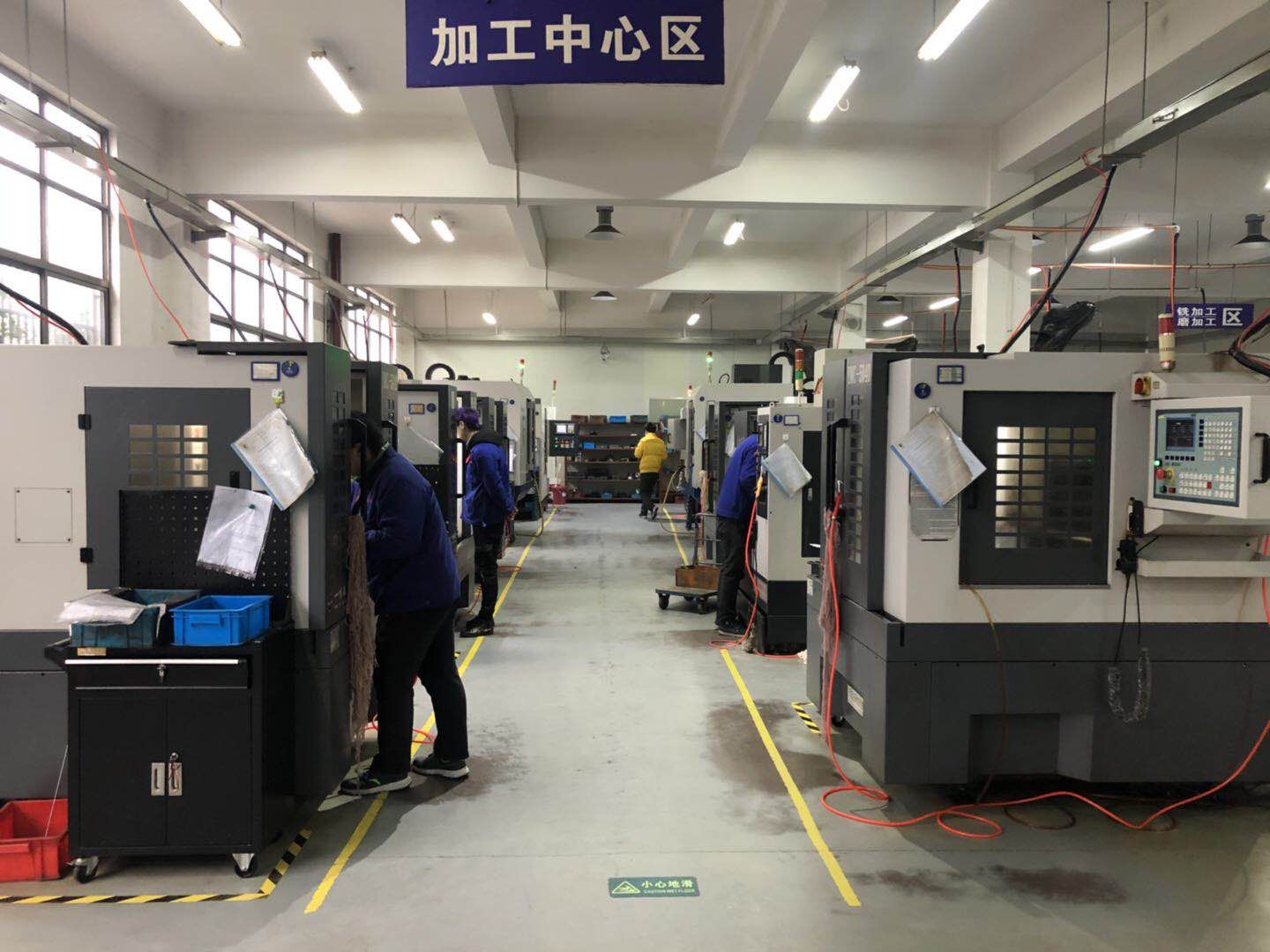
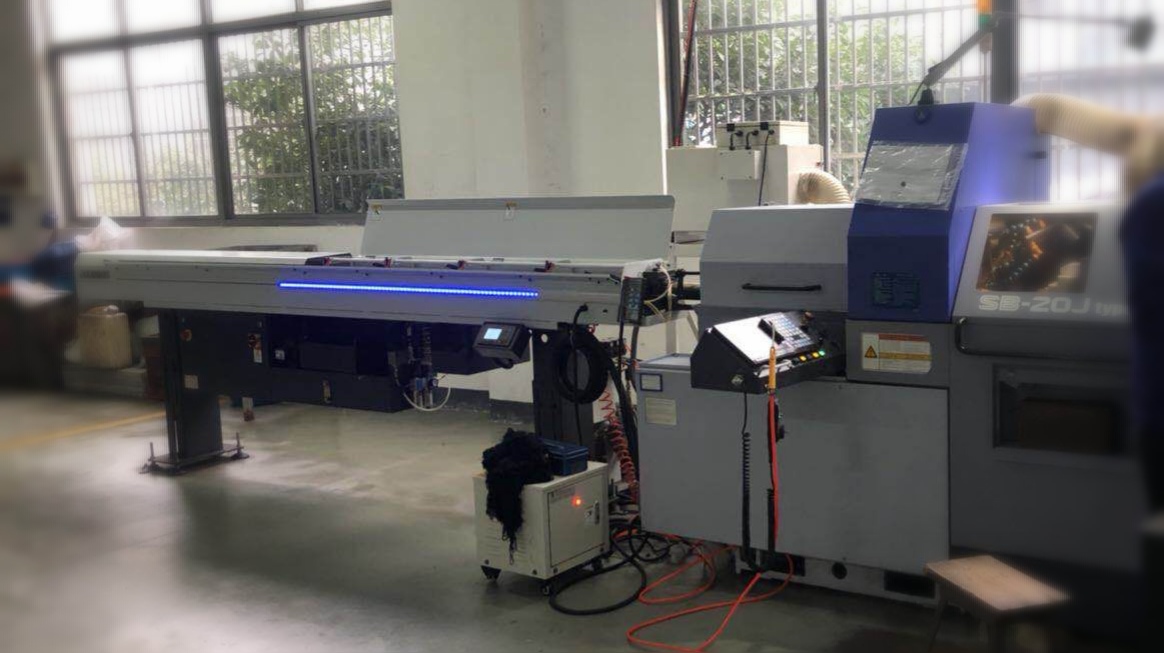
Maka Medical Technology Co., Ltd.

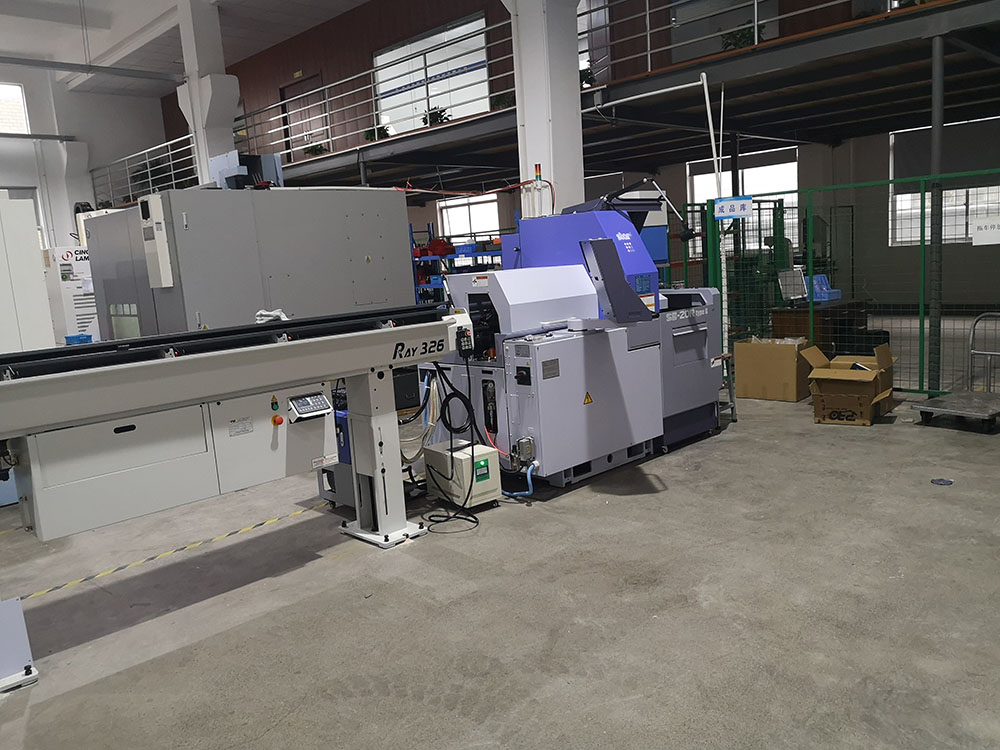
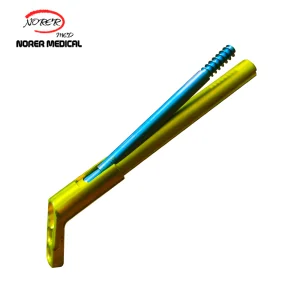
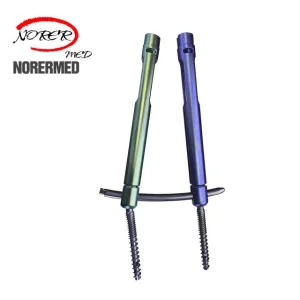
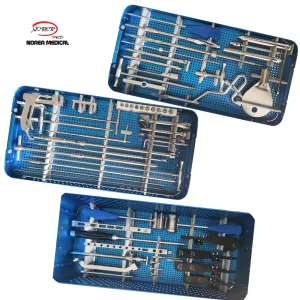
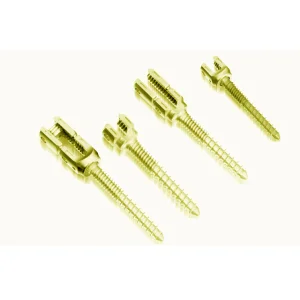
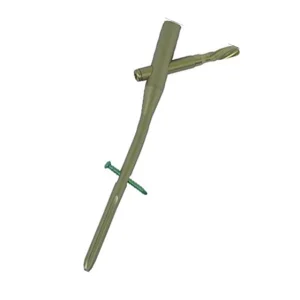
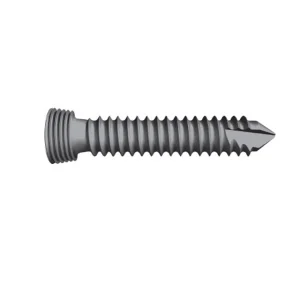
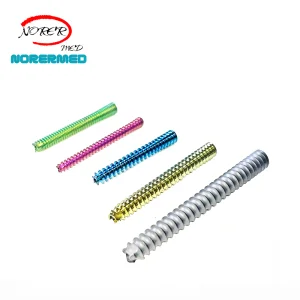
Maka Medical Technology Co., Ltd. is a leading medical hardware and precision implant manufacturer based in Changzhou city, China. Our facilities specialize in complex CNC tooling, high-precision machining, and sterile medical packaging. We produce orthopedic trauma bone plates, bone screws, interlocking nails, spinal pedicle screws, cervical plates, and PEEK cervical/lumbar cages.

Our expertise in processing high-tolerance biocompatible metals (such as medical-grade titanium alloys and ultra-high-density polymers) underpins our precision OEM partnerships. The strict quality assurance systems and micron-level tolerances we maintain in our orthopedic lines are applied across our medical manufacturing collaborations, ensuring that all components meet international clinical safety standards.

Company Name
Maka Medical Technology Co., Ltd.
Location / Origin
Jiangsu, China
Total Workforce
11 - 50 Professional Personnel
Export Experience
10+ Years Sourcing Collaboration

Technical & Sourcing Frequently Asked Questions (FAQ)

Get authoritative answers on regulatory requirements, calibration steps, and hardware customization options for medical fluid systems.
What are the main regulatory requirements for importing Chinese infusion pumps?
Importing infusion pumps requires compliance with target market regulations. For the European Union, devices must hold a valid CE certificate under the EU Medical Device Regulation (MDR 2017/745). For the United States, FDA 510(k) clearance is required. Suppliers must also show ISO 13485 certification, electrical safety test reports (IEC 60601-1), and electromagnetic compatibility reports (IEC 60601-1-2).
How do suppliers ensure the accuracy of micro-infusions on syringe pumps?
Flow accuracy depends on the high-precision stepper motor and the mechanical drive screw. Tier-1 manufacturers use dual-microprocessor systems where one processor monitors motor steps and the second independently verifies the physical movement of the syringe plunger. Software algorithms correct for syringe tolerance variations to maintain flow accuracy within ±2%.
Can Chinese suppliers configure Dose Error Reduction Systems (DERS) for local hospital protocols?
Yes, professional OEM partners can configure drug libraries and DERS profiles. During procurement, buyers can specify drug names, concentration protocols, and soft/hard limits. This custom data is compiled into the firmware before shipping, or uploaded using proprietary calibration software.
What measures are taken to prevent cyber vulnerabilities in connected smart pumps?
Advanced smart pumps use built-in WPA2/WPA3 enterprise Wi-Fi encryption, secure data transmission protocols (HTTPS/TLS 1.2 or higher), and disabled physical diagnostic ports. Manufacturers work with biomedical teams to implement network segment policies, ensuring the pump communications remain separate from other hospital networks.
How do you verify the biocompatibility of the fluid pathway and IV consumables?
All materials in contact with fluids (infusion pump internal manifolds and dedicated IV sets) undergo ISO 10993 biocompatibility testing. This includes evaluation for cytotoxicity, sensitization, intracutaneous reactivity, and systemic toxicity. Sourcing managers should request the complete laboratory reports before signing supply agreements.
What post-sale technical training is offered to foreign distributors?
We provide structured technical support programs, including video instruction libraries, interactive digital manuals, circuit schematics, and sensor calibration codes. We also offer remote certification sessions for local biomedical engineers, enabling them to handle regular maintenance and compliance tests independently.