Maka Medical Surgical
Maka Medical Surgical
Maka Medical Surgical
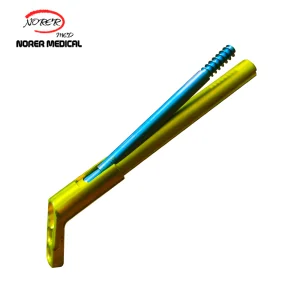
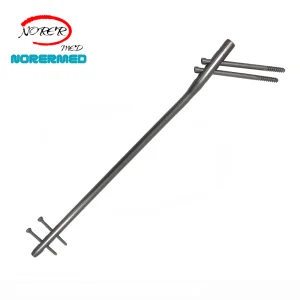
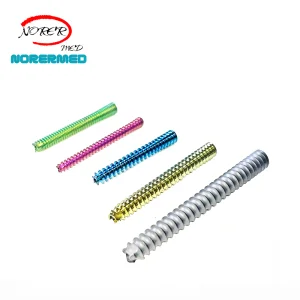
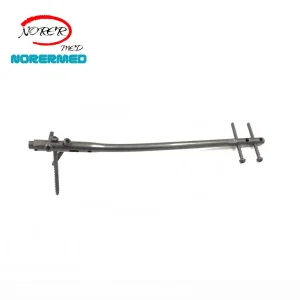
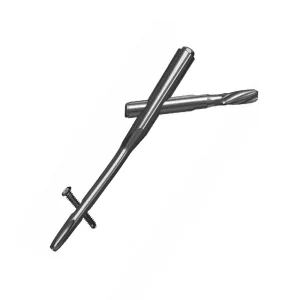
In modern orthopedics, surgical success is determined by two critical components: highly engineered implants that restore structural integrity, and meticulously calibrated assessment tools that evaluate, measure, and verify surgical execution. Without precision assessment instruments—such as intramedullary nail guide-sleeves, screw depth gauges, angle indicators, and trial templates—the exact placement of complex devices like the Femoral Neck Nail (FNS) or Proximal Femoral Nail Antirotation (PFNA) would be impossible.
As a leading supplier based in China's advanced medical manufacturing corridor, Maka Medical Technology Co., Ltd. integrates state-of-the-art materials engineering with stringent clinical assessment requirements. Our products undergo rigorous biomechanical evaluations to ensure they support surgical navigation, depth measurement, and mechanical stress verification under real-life operating room conditions.
Analyzing key macroeconomic indicators, demographic shifts, and technological transitions defining B2B procurement today.
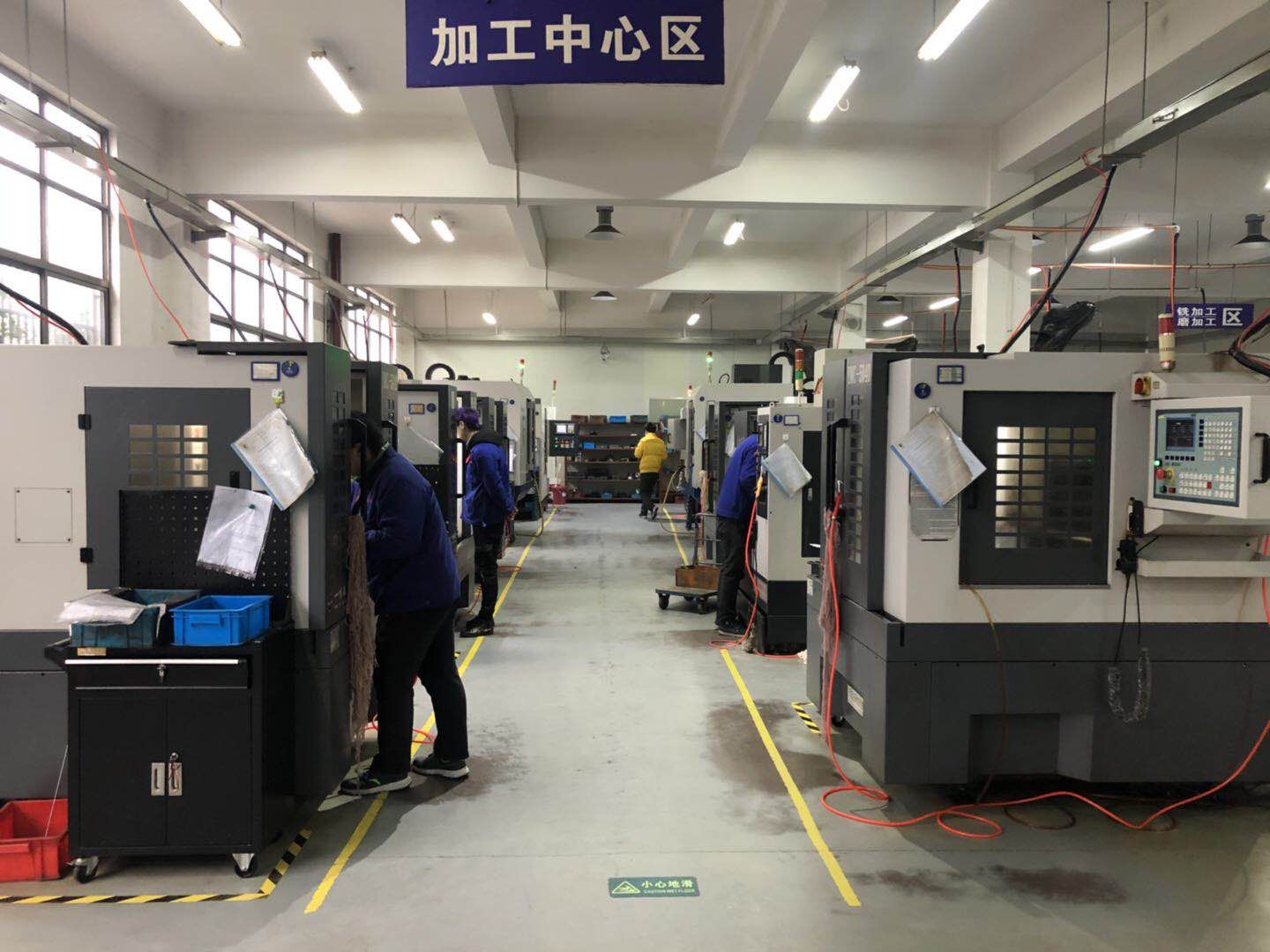
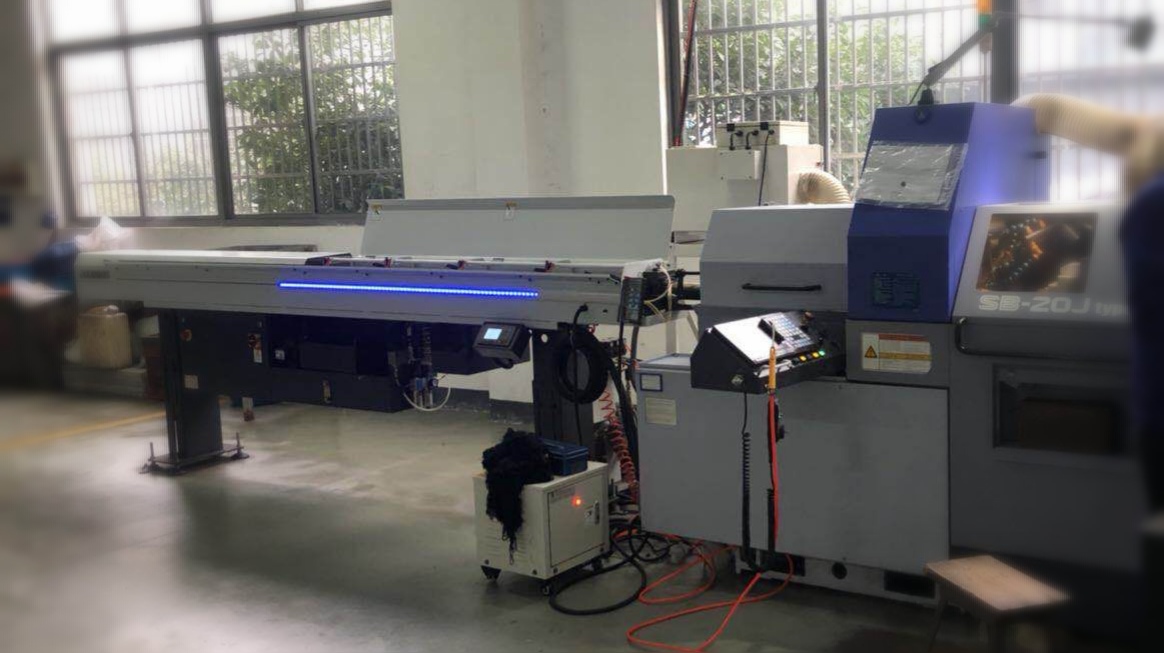
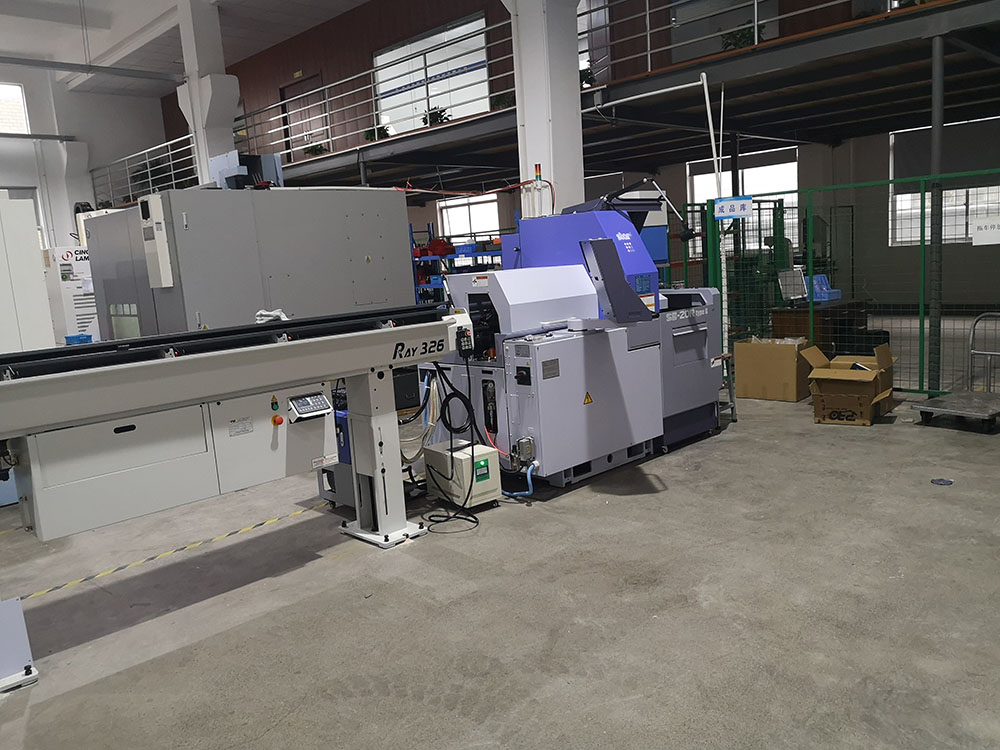
The global orthopedic devices and surgical assessment instrumentation market is undergoing rapid evolution. Driven by an aging population, rising incidences of traumatic injuries, and expanding veterinary orthopedic interventions, hospitals and distributors require reliable high-volume manufacturers. Historically, Western medical brands dominated the market. However, China-based manufacturers like Maka Medical Technology Co., Ltd. have closed the technology gap by adopting advanced CNC Swiss machining, coordinate measuring machines (CMM), and vacuum heat-treatment processes in Jiangsu's medical hub.
Currently, the procurement focus has shifted from simple unit pricing to a comprehensive total cost of ownership (TCO) approach, evaluating biological safety, anti-fatigue performance, and ease of instrumentation. In response, advanced surgical centers utilize digital templating alongside physical trial guides to minimize intraoperative error, highlighting the necessity for flawless product dimensioning.
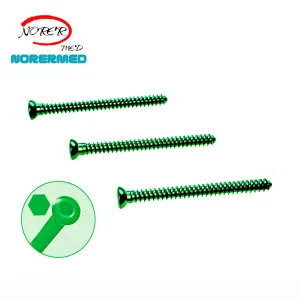
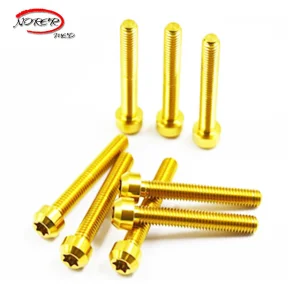
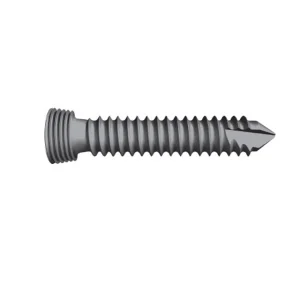
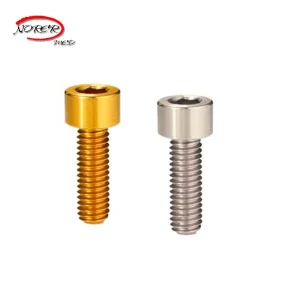
Our continuous research into titanium locking screws shows that a dual-lead thread profile coupled with surface anodization increases primary stability by up to 34% compared to standard single-lead designs. This significantly lowers the risk of screw back-out, especially in osteoporotic bone beds, providing orthopedic surgeons with reliable tactile feedback during instrument-led assessment.
Understanding the exact metallurgy, surface modification, and verification stages that guarantee implant reliability.
Utilization of premium medical-grade Titanium (Ti-6Al-4V ELI) and PEEK polymers to ensure optimal biocompatibility and modulus of elasticity matching natural cortical bone.
Employing high-precision CNC sliding-headstock lathes to fabricate complex geometries such as cannulated compression profiles and monoaxial/polyaxial pedicle head structures.
Anodization, acid etching, and sandblasting (SLA) techniques to increase bone-to-implant contact (BIC) and support rapid osseointegration post-operation.
Passing every component through automated optical scanners and CMM to verify mechanical tolerance compatibility with surgical alignment instrumentation.
| Material Class | Biomechanical Modulus | Primary Clinical Application | Assessment & Verification Criteria |
|---|---|---|---|
| Titanium Grade 5 (Ti-6Al-4V) | 110-114 GPa | Trauma Plates, Intramedullary Nails, Locking Screws | Fatigue testing, tensile strength calibration, thread pitch validation |
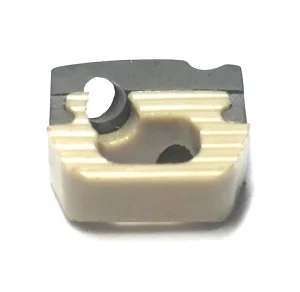
| PEEK (Polyetheretherketone) | 3.6 GPa (Carbon-reinforced: 18 GPa) | ACIF Spine Cages, Lumbar fusion devices | Radiolucency check, compressive shear deformation testing |
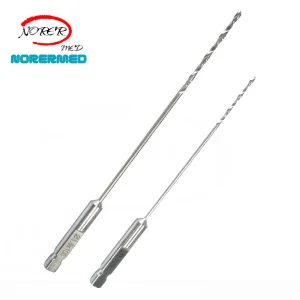
| Stainless Steel 316LVM | 190 GPa | Drill Bits, Guide Wires, Temporary Fixation Pins | Rotational wear resistance, coupling mechanism tolerances (AO coupling) |
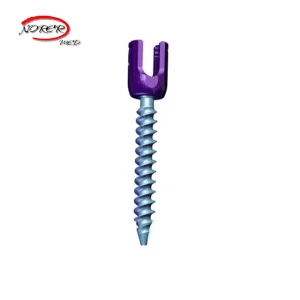
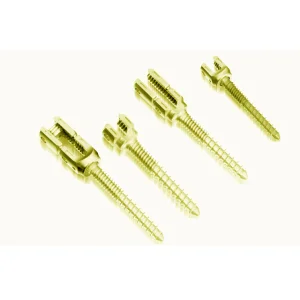
Surgical demands vary greatly between human clinical environments and veterinary orthopedic surgeries. Maka Medical provides specialized instrumentation and implants tailored for both domains. In spinal stabilization, our Veterinary Orthopedic Titanium Monoaxial/Polyaxial Pedicle Screw offers stable spine fixation in feline and canine patients, matching the standards used in human spinal surgery.
Similarly, our ACIF PEEK Locking Infusion Cage addresses cervical disc degeneration in veterinary patients, providing high biostability and clear radiolucent properties. This allows veterinary surgeons to track bone bridge formation through routine postoperative X-rays without scattering artifacts.
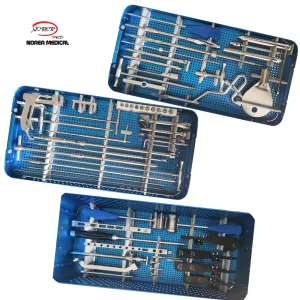
Located in the medical engineering hub of Changzhou City, Jiangsu Province, China, Maka Medical Technology Co., Ltd. is a dedicated manufacturer of orthopedic trauma bone plates, bone screws, interlocking intramedullary nails, spine pedicle screws, cervical plates, PEEK cervical/lumbar fusion cages, and complete surgical instrument sets. Over a decade of consistent refinement allows us to support healthcare distributors and OEM partners globally.
How digital navigation, robotics, and smart sensors are reshaping orthopedic assessment standards.
The future of orthopedic surgical assessment lies in the integration of physical implants with real-time digital feedback. Maka Medical is actively studying the potential integration of smart surgical depth guides with digital readouts to eliminate manual transcription errors.
Simultaneously, the industry is moving toward personalized implants manufactured through additive 3D titanium printing. These systems rely on accurate pre-operative CT scan evaluations to produce implants matched to individual patient geometry, reducing the need for aggressive bone reshaping during surgery. Our production lines continue to modernize, matching these technological advancements step-by-step.
In-depth technical answers regarding sourcing, material standards, and surgical system configurations.