Maka Medical Surgical
Maka Medical Surgical
Maka Medical Surgical
High-precision orthopedic components engineered for immediate load management, trauma repair, and skeletal structural integrity.
In classical orthopedics, the term plaster cast represented the gold standard for fracture immobilization. Composed of gypsum (calcium sulfate hemihydrate) embedded in gauze, plaster of Paris provided reliable external stability. However, the constraints of external casting—such as joint stiffness, muscle atrophy, skin breakdown, and lack of rigid anatomical reduction—have driven the medical sector to develop internal fixation technologies. Today's global medical buyers look for plaster cast manufacturers and trauma implants under the same clinical umbrella: comprehensive skeletal stabilization solutions.
Modern surgical interventions heavily prioritize immediate anatomical restoration and stable load-bearing. This paradigm shift utilizes advanced materials like Titanium Alloys (Ti-6Al-4V ELI) and biocompatible polymers (PEEK) to fabricate plate and screw configurations that replace or supplement traditional casting techniques. In complex articular or comminuted fractures, traditional plaster casting is no longer primary; it serves as a temporary stabilizer, while modern internal locking screws and intramedullary interlocking nails assume the heavy lifting of biological fixation.
Unlike external plaster casts which depend on soft tissue compression, titanium plates and locking systems offer direct mechanical support, allowing patients to begin active rehabilitation much earlier, reducing joint contractures.
By moving from external casts (which can harbor moisture and bacteria) to sterile internal titanium and medical-grade PEEK implants, modern healthcare providers minimize long-term skin breakdown and hardware failure.
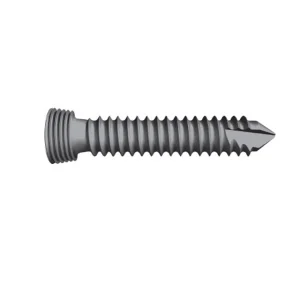
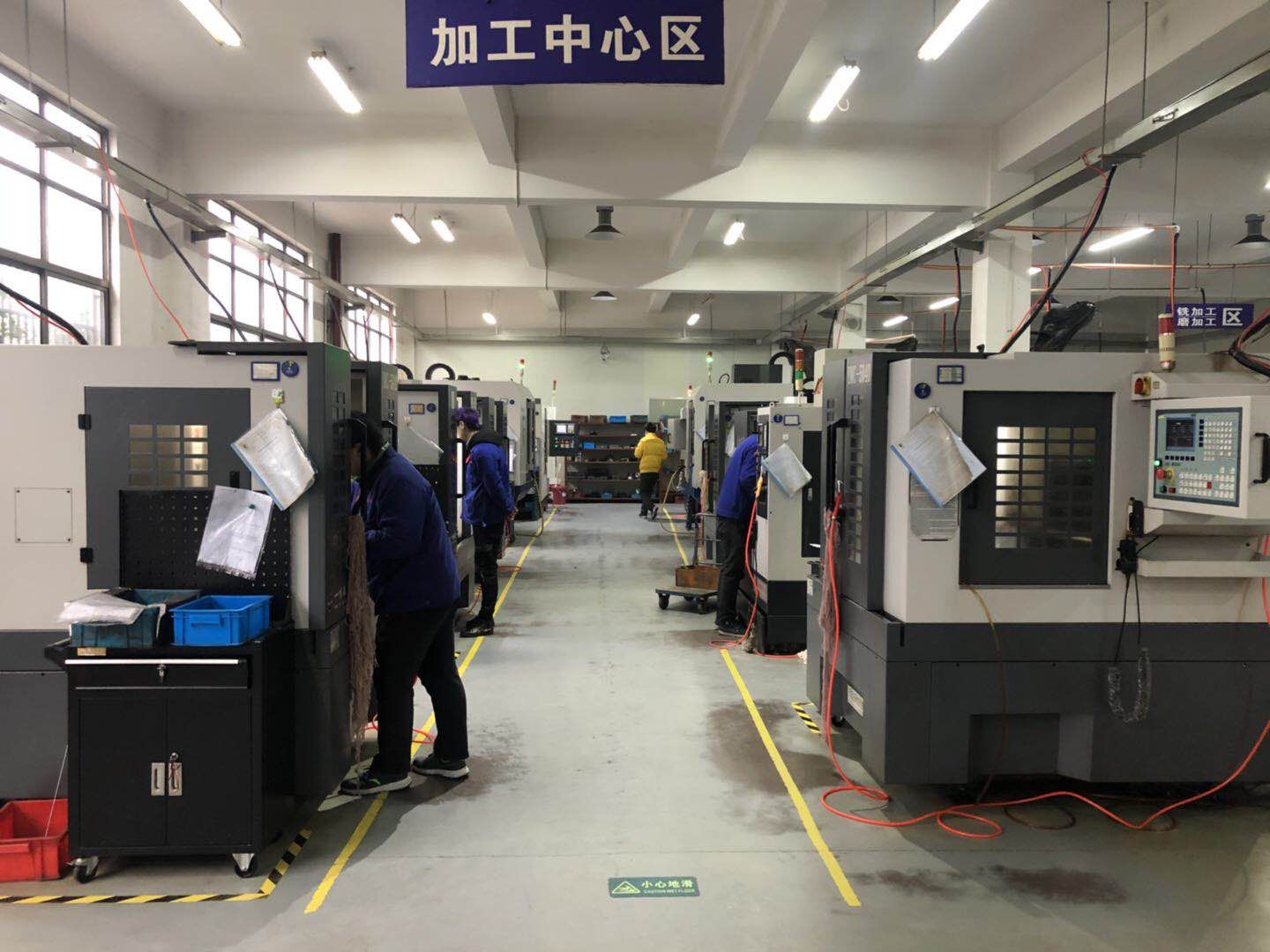
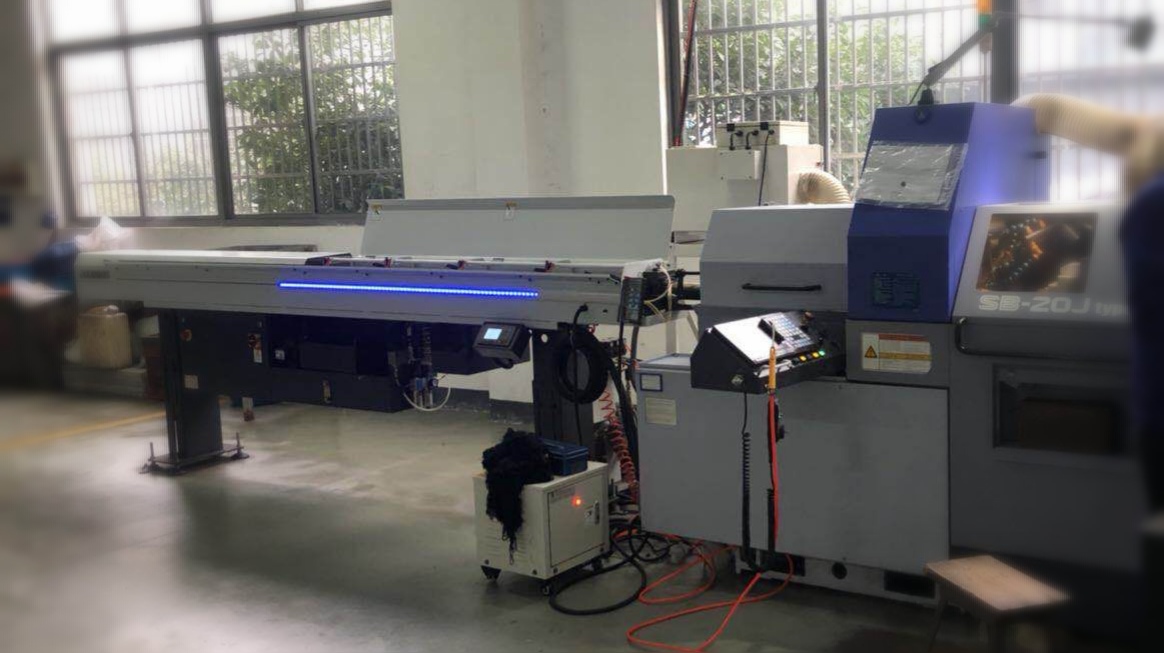
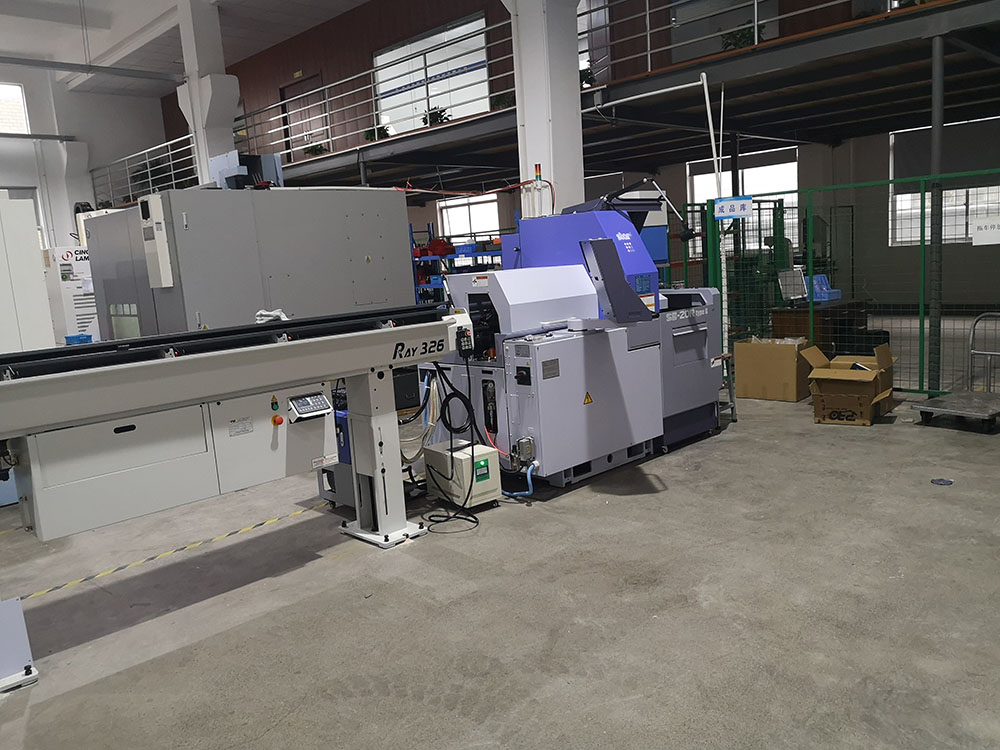
Advanced Chinese medical industrial parks (such as Changzhou's orthopedics cluster) utilize multi-axis CNC machines to achieve micron-level tolerances for locking screws, pedicle screws, and anatomically contoured plates.
The global demand for orthopedic stabilization is expanding due to aging populations, increased trauma incidents, and rising companion animal veterinary care. For procurement officers in hospitals, distributors, and trading companies, evaluating suppliers in China is no longer just about searching for a basic plaster cast manufacturer. The key is finding integrated partners capable of supplying high-grade surgical titanium and alloy implements designed to handle various bone densities and loading structures.
Jiangsu Province, particularly Changzhou city, has emerged as the premier manufacturing hub for orthopedic implants in Asia.
Integrating production under strict ISO 13485 regulations allows Chinese manufacturers to offer components that comply with global medical standards. This hub leverages consolidated supply chains—spanning raw material processing, precision tooling, cleanroom packaging, and EO (Ethylene Oxide) sterilization—delivering significant cost advantages while maintaining rigorous quality control.
| Fixation Modality | Typical Applications | Material Composition | Key Clinical Benefit |
|---|---|---|---|
| Traditional Plaster Cast | Simple pediatric fractures, temporary stabilization | Gypsum (Hemihydrate) + Gauze | Non-invasive, rapid application |
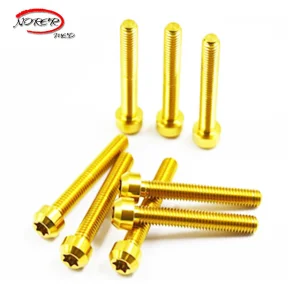
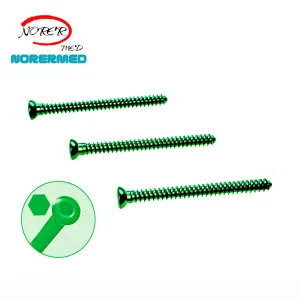
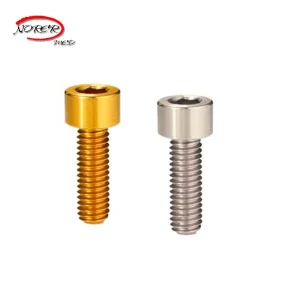
| Titanium Locking Plate/Screw | Comminuted fractures, periarticular osteotomy | Ti-6Al-4V ELI (Grade 5 Titanium) | Fixed-angle stability, blood supply preservation |
| Intramedullary Nails (PFNA) | Femoral, tibial shaft fractures | High-Strength Titanium / Stainless Steel | Load-sharing, minimally invasive insertion |
| PEEK TLIF/ACIF Cages | Spinal fusion, intervertebral spacing | Polyetheretherketone (PEEK) | Elastic modulus close to cortical bone, radiolucent |
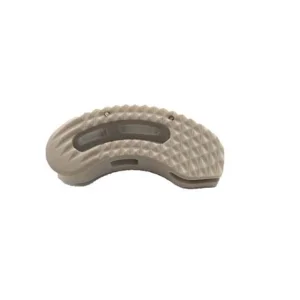
To support high-load clinical environments, the selection of raw materials is critical. Maka Medical utilizes implant-grade Titanium and surgical-grade PEEK. PEEK (Polyetheretherketone) is highly valued in spinal spinal fusion applications, such as TLIF and ACIF cages. This material has an elastic modulus matching natural human bone, minimizing the risk of stress shielding and adjacent segment degradation.
Below is an inside look at the high-standard medical facility, machining precision, and quality testing systems executed under Chinese industrial compliance.
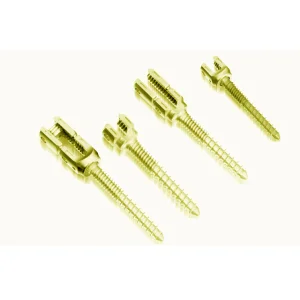
One of the largest emerging growth drivers for medical exporters in China is the veterinary orthopedics market. The biological structures of small animals, canines, and felines present unique challenges that traditional plaster casts cannot resolve due to pet compliance issues (biting, tearing, moisture degradation). Products like the Veterinary Orthopedic Titanium Monoaxial Pedicle Screw and Veterinary PEEK Lumbar TLIF Cages represent a significant upgrade in stabilizing active animals.
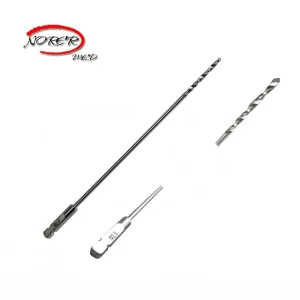
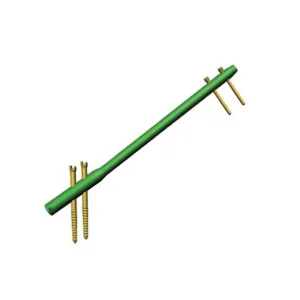
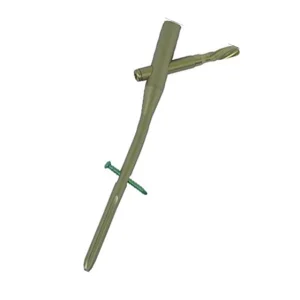
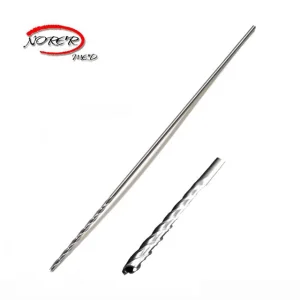
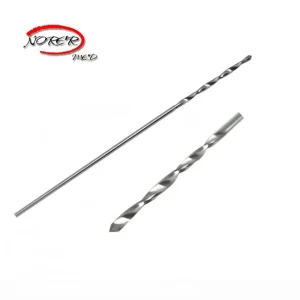
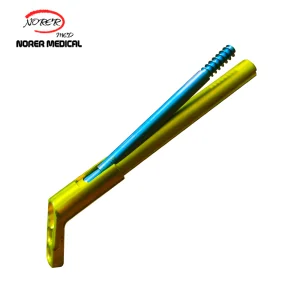
For humans, trauma systems must withstand distinct physiological forces. Products like the Femoral Interlocking Nail (expert systems) or the Femoral Neck System (FNS) are specifically engineered to optimize surgical time, offering stable intra-fracture compression while minimizing soft tissue irritation. These devices require specialized tooling, such as high-tensile stainless steel drill bits and quick coupling adapters, ensuring precise screw placement during surgical procedures.
The next phase of clinical stabilization focuses on smart bio-active implants and personalized orthopedic solutions. Future developments include coating titanium screws with osteoinductive layers (such as hydroxyapatite or bone morphogenetic proteins) to accelerate integration. Additionally, 3D-printed orthopedic cages and patient-specific implants (PSI) are bridging the gap between external immobilization techniques and fully custom internal reconstructions, ensuring optimal fit and recovery.
While plaster casts are non-invasive, they do not provide rigid internal alignment, often leading to joint stiffness and muscle atrophy. Titanium implants (plates, locking screws, and interlocking nails) offer immediate stability, allowing for earlier mobilization and faster anatomical recovery.
We use medical-grade PEEK (Polyetheretherketone). This high-performance polymer features an elastic modulus similar to human bone, which helps reduce the risk of stress shielding and adjacent level degeneration, while remaining radiolucent under X-rays.
Our manufacturing processes follow ISO 13485 quality management systems. We source certified medical-grade titanium and PEEK raw materials, ensuring full traceability with material testing reports and dimensional inspections at every stage of production.
Yes, we specialize in high-quality veterinary implants, including monoaxial pedicle screws and locking plates. These are specifically scaled and designed to meet the anatomical requirements of companion animals and livestock, providing reliable postoperative stabilization.
High-precision orthopedic components engineered for immediate load management, trauma repair, and skeletal structural integrity.
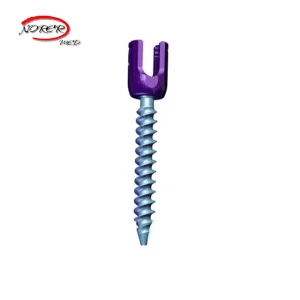
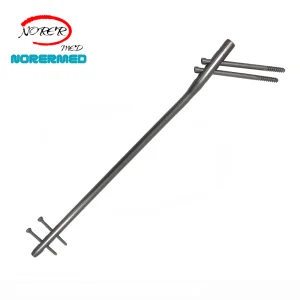
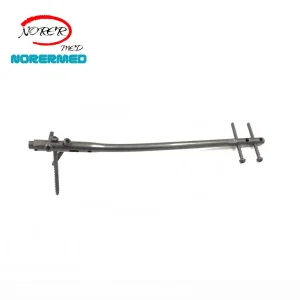
Company Description: We are located in Changzhou City, Jiangsu Province, China. We are a specialized manufacturer of orthopedic trauma bone plates, bone screws, orthopedic interlocking nails, spinal pedicle screws, cervical plates, PEEK cervical & lumbar cages, and related surgical instruments.
By leveraging the regional strengths of the Changzhou orthopedic cluster, we integrate design, precision machining, and export operations. We work closely with global surgical distributors and clinical teams to deliver reliable, high-performance implants that meet international healthcare standards.
| Total Employees | 11 - 50 People |
| Country / Region | Jiangsu, China |
| Business Type | Trading Company / Manufacturer |
| Company Join Year | 10+ Years of Professional Exporting |