Maka Medical Surgical
Maka Medical Surgical
Maka Medical Surgical
Veterinary Orthopedic Titanium Monoaxial Pedicle Screw for Spinal Fixation
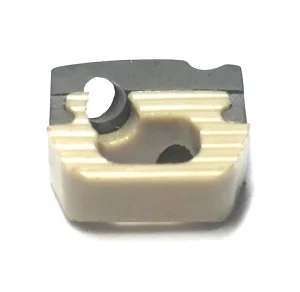
CHINA High Quality Veterinary Orthopedic ACIF PEEK Locking Infusion Cage for Cervical
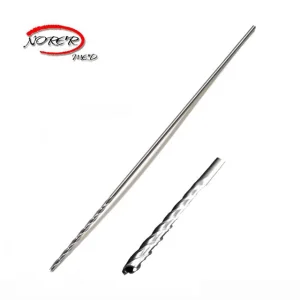
China Medical Orthopedic Stainless Steel Cannulated Drill Bit
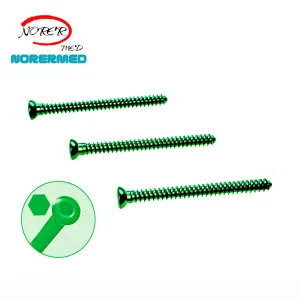
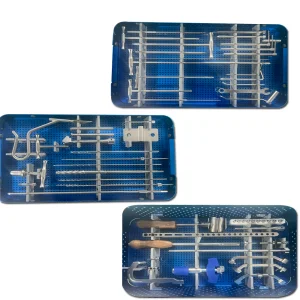
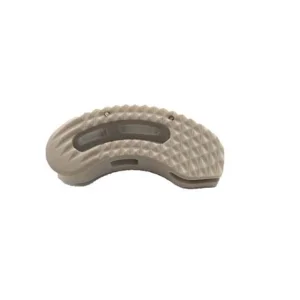
Chinese High Quality Veterinary Orthopedic PEEK Lumbar TLIF Cage
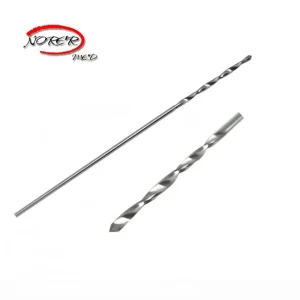
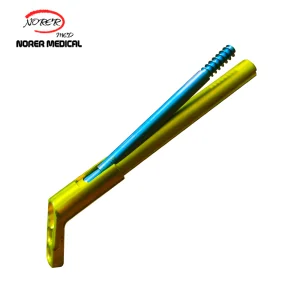
Orthopedic Titanium Femoral Neck Nail Plate Locking Screw System (FNS)- Bone Fixation Implant
How sEMG interfaces with modern orthopedic recovery, surgical verification, and rehabilitation paradigms.
In the high-precision landscape of modern rehabilitation medicine and orthopedic clinical recovery, Surface Electromyography (sEMG) has transitioned from a specialized laboratory diagnostic tool to a mainstream technological standard. Electromyography, in its traditional needle form, has long been used to diagnose neuromuscular pathways. However, the non-invasive, objective, and real-time quantification offered by sEMG has opened new boundaries in patient care, smart orthotics, and post-surgical outcome assessments.
By collecting electromyographical signals directly from the skin surface over active muscle bellies, modern sEMG systems bypass patient discomfort while gathering complex wave metrics. These signals undergo filtration, rectification, and integrated analysis to determine muscle activation patterns, fatigue indexes, and co-activation ratios. The synthesis of this data is vital when assessing how the musculoskeletal system adapts after surgical intervention, especially spinal fixation, joint arthroplasty, and internal fixation of fractures.
As a leading supplier based in China's manufacturing heartland, we specialize in high-SNR (Signal-to-Noise Ratio) diagnostic electromechanical assemblies. Our technology leverages high-density sensor arrays to eliminate crosstalk and deliver precise physiological feedback.
Our sEMG architecture employs advanced active-electrode configurations, rendering real-time biofeedback data through dynamic noise-isolation circuits. This ensures that even the lowest microvolt responses are detected without electromagnetic interference from surrounding surgical or rehabilitative machinery.
| Assessment Criteria | Needle Electromyography (iEMG) | Surface Electromyography (sEMG) | Clinical & Rehabilitative Impact |
|---|---|---|---|
| Invasiveness | High (Insertion of needle electrodes) | Zero (Surface patch sensors) | High patient compliance and compatibility with active exercises. |
| Signal Target | Single Motor Unit Action Potential (MUAP) | Global Muscle Group Activation Profile | Provides macro-level functional gait analysis and biomechanical kinetics. |
| Real-Time Feedback | Static or limited motion testing | Dynamic, continuous wireless stream | Enables biofeedback therapy during orthopedic exercises and movement. |
| Crosstalk Susceptibility | Minimal | Moderate (Requires advanced algorithmic shielding) | Requires expert spatial filtering and active sensor shielding technologies. |
Analyzing global demand, regulatory approvals, and application spectrums across international hospitals and laboratories.
Global hospitals utilize sEMG platforms to monitor neuromuscular recovery paths in patients recovering from strokes, spinal cord injuries, and complex orthopedic trauma surgeries. By analyzing muscle activation timing, therapists can customize gait training regimens.
Athletic performance centers utilize wireless, wearable sEMG transmitters to track muscle fatigue indexes, prevent injury, and optimize movement patterns in real-time. This provides clear data on muscular engagement during high-velocity activities.
With veterinary medicine shifting toward objective diagnostics, veterinary hospitals use specialized animal sEMG sensors to evaluate canine and equine locomotion profiles before and after pedicle screw spinal fixations or joint repairs.
Distributors and medical facilities in North America, Western Europe, and Asia-Pacific are increasingly standardizing the procurement of integrated packages: Orthopedic Trauma Implants bundled with Biomechanical Assessment Hardware. The integration of clinical implants (such as intramedullary nails, pedicle screws, and cervical cages) with non-invasive diagnostics (sEMG) represents the pinnacle of patient-centric value-based care. The ability to monitor bone-healing dynamics alongside muscle recruitment changes enables clinical centers to minimize re-admission rates and document clear surgical efficacy metrics.
How Maka Medical Technology leverages Changzhou's medical manufacturing ecosystem to deliver global-grade orthopedic and diagnostic components.
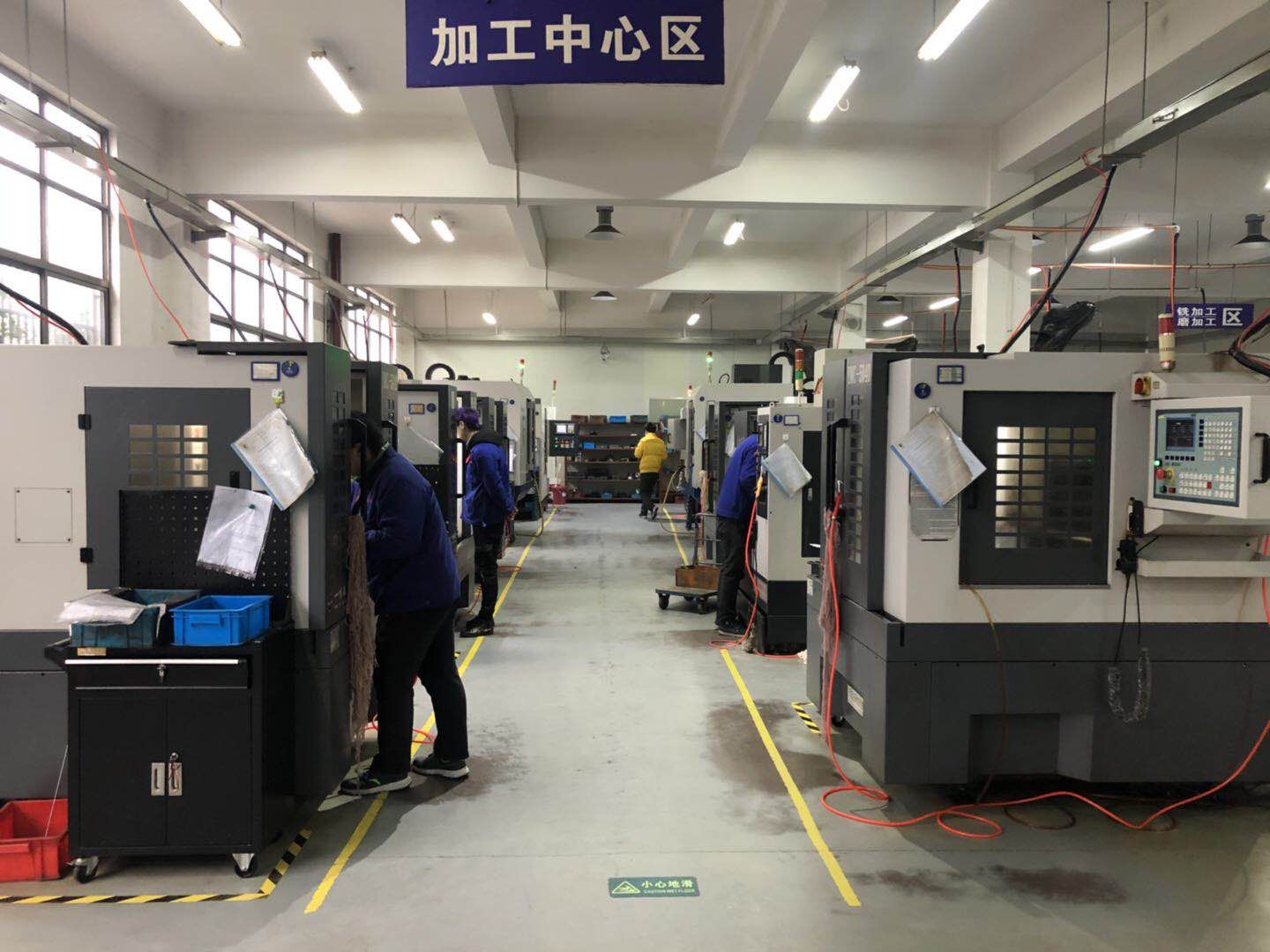
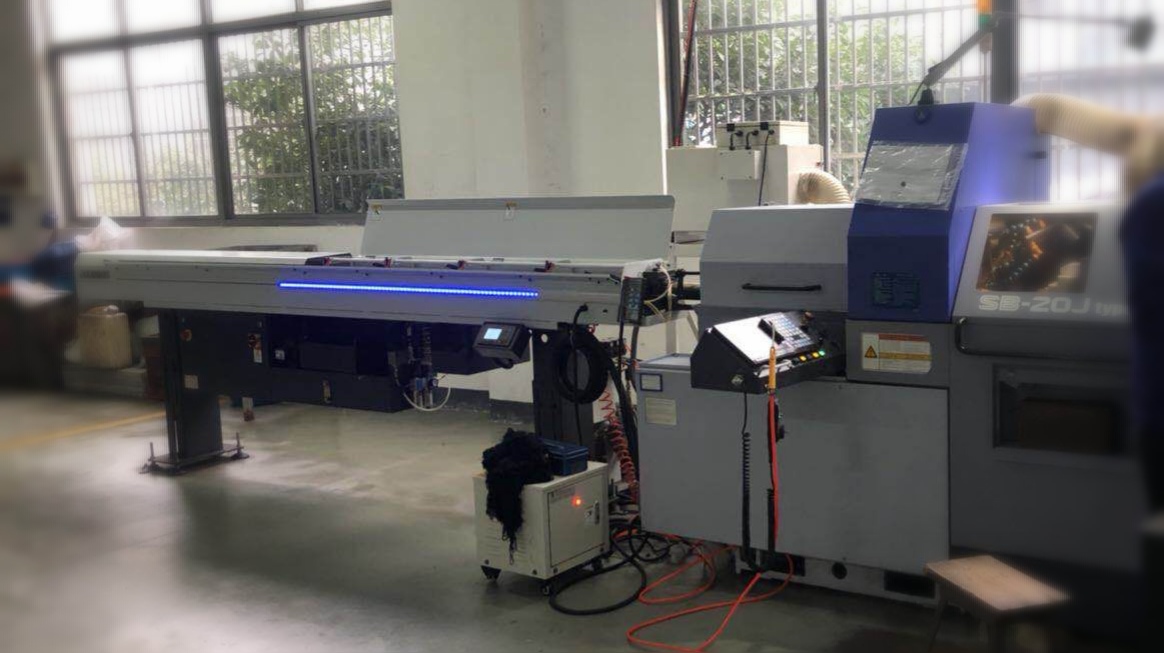
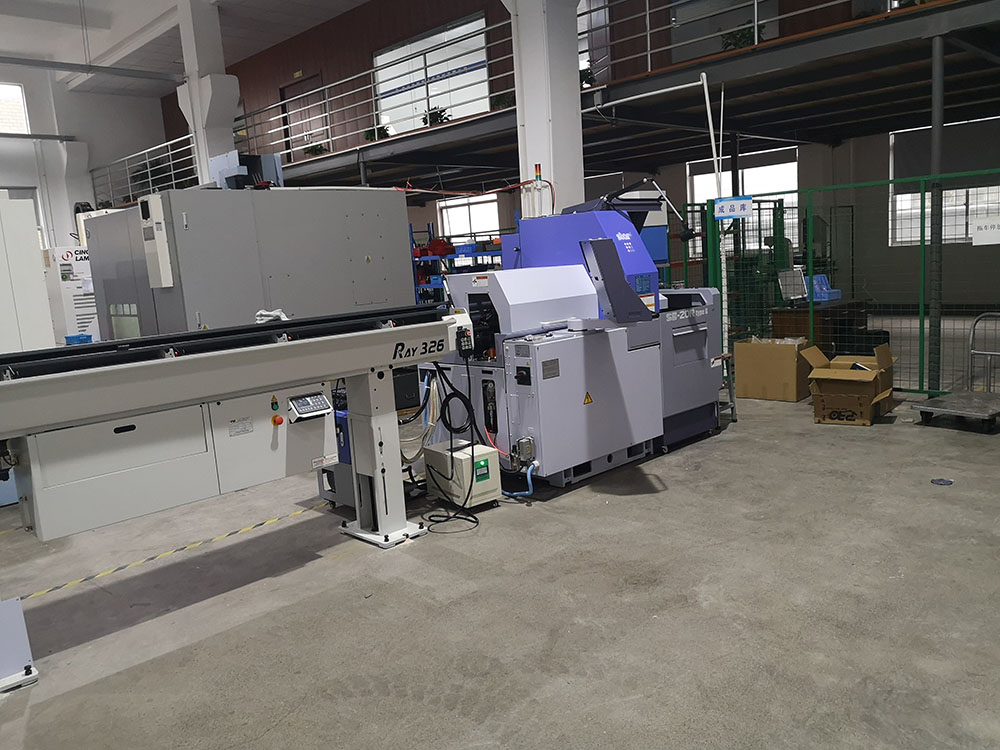
Located in Changzhou City, Jiangsu Province—the premier cluster for medical device fabrication in China—Maka Medical Technology Co., Ltd. operates at the intersection of raw material metallurgy and high-end sensory integration. Our facilities leverage automated CNC Swiss machining, advanced EDM wire-cutting processes, and class-10,000 cleanrooms to produce implants and physical diagnostic components that comply with global medical standards.
Our commitment to Factory 4.0 paradigms ensures comprehensive traceability for every item, from titanium alloy bars (Grade 5, Ti-6Al-4V) or medical-grade PEEK blocks down to finished, sterilized orthopedic devices and electrical diagnostic sensor enclosures. By combining hardware manufacturing with biomechanical application know-how, we guarantee unmatched supply chain speed and stability.
Maka Medical operates with a dedicated team of engineering and clinical-interface experts, prioritizing agile manufacturing. We support global distributors by offering customizable OEM/ODM pipelines, allowing clinics to brand their clinical diagnostics and matching orthopedic hardware under a unified ecosystem.
An in-depth analysis of orthopedic implant design, biofeedback loops, and rehabilitation metrics.
The success of orthopedic surgical reconstruction has traditionally been assessed through static imaging: X-Rays, CT scans, and MRI. While these imaging tools confirm anatomical restoration, they fail to evaluate functional restore. This limitation is particularly evident in complex spinal fusions using monoaxial or polyaxial pedicle screws, or in long bone reconstructions utilizing intramedullary interlocking nails.
Integrating surface electromyography (sEMG) into post-operative protocols changes the diagnostic timeline. Clinicians can track recovery dynamics by measuring the electromyographic profiles of stabilizer muscles around the implant site. For example, following lumbar spinal fusion using Maka Medical PEEK cages and spinal fixation systems, the recovery rate of the erector spinae and multifidus muscles can be quantitatively evaluated by tracking their sEMG median frequency (MDF) shifts during sustained contraction. A stabilization of MDF indicates successful muscular reconditioning and proper spinal load distribution, whereas a rapid drop in frequency signals local fatigue and possible compensatory mechanical stress on the implant hardware.
Evaluating how skeletal implants transfer load to muscle structures. Real-time sEMG data allows bioengineers to adjust structural stiffness profiles to optimize load sharing.
Following lower limb procedures using expert interlocking nails, bilateral sEMG assessments map muscular asymmetry, reducing compensatory injuries in opposing joints.
The data collected from surface EMG networks feeds into machine learning algorithms, paving the way for adaptive, sensory-rich active orthotic devices.
From a manufacturing standpoint, fabricating diagnostic and implantable hardware requires clean raw materials. Maka Medical utilizes medical-grade alloys and polymers. The surface processing of titanium screws, for instance, requires exact finishing to minimize structural degradation under stress. Similarly, matching electromyographical setups must feature high shielding standards. By understanding how biocompatible hardware interacts with the electrical field generated by muscular action potentials, Maka Medical helps clinical teams deploy medical assemblies that perform reliably over years of surgical and rehabilitation service.
Essential industry insights regarding Surface Electromyography components, quality control, and clinical integration.
Surface electromyography (sEMG) is non-invasive and painless, making it ideal for dynamic assessments during functional movements such as walking, lifting, or athletic training. Unlike needle EMG, which records isolated motor unit activity deep within the tissue, sEMG captures global activation trends of entire muscle groups. This provides therapists and orthopedic surgeons with macro-level functional gait analysis and objective feedback on rehabilitation progress without patient discomfort.
Our production facilities operate strictly under ISO 13485 certification guidelines for medical devices. We use raw materials (such as Grade 5 Ti-6Al-4V Titanium and medical-grade PEEK) with complete material traceability reports. Each production batch undergoes strict quality control protocols, including mechanical fatigue testing, coordinate-measuring machine (CMM) dimensional checks, and optical surface finish analysis to verify structural integrity before shipping.
While sEMG does not directly scan the physical implant, it tracks pathological muscular compensation. If a patient exhibits persistent muscle imbalances, low activation amplitudes, or rapid fatigue indices (derived via median frequency decay) around a spinal pedicle screw or hip replacement area, it often points to improper load sharing, soft tissue instability, or early micro-instability of the construct. This acts as a pre-clinical warning sign before catastrophic mechanical failure occurs.
Standard lead times range from 15 to 30 days depending on order complexity and custom OEM requirements. Standard catalog items, such as orthopedic cortical screws, spinal fixation components, and drill bits, are kept in inventory, allowing for faster shipping. Custom electronic assemblies, specialized titanium components, or high-volume orders require structured production scheduling, which is coordinated through our international trade division.
Yes. Maka Medical provides comprehensive OEM and ODM solutions. Our engineers can convert your CAD designs and blueprints into functional prototypes, handling custom CNC machining, electrical component integration, custom engraving, and packaging sterilization. This allows global medical distributors to introduce customized product portfolios to their local markets.
For research and clinical accuracy, sEMG hardware must maintain a Common Mode Rejection Ratio (CMRR) exceeding 100 dB and integrated bandpass filtration (typically 20-500 Hz). This shields the weak muscular electrical signals (typically 0-10 millivolts) from surrounding AC mains noise and high-frequency interference generated by clinical equipment.
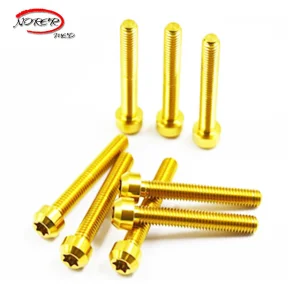
Chinese Titanium Screw Machining Production Manufacture Titanium Rod
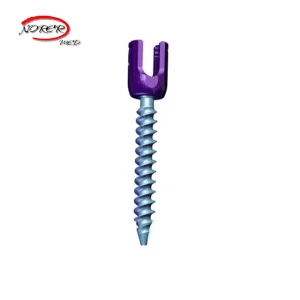
Human /Veterinary Orthopedic Titanium Spine Uniplanar Pedicle Poly Screw for Fixation
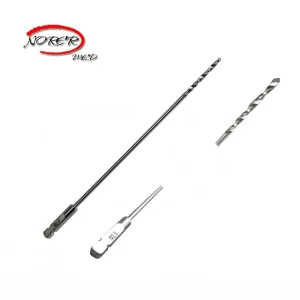
China Medical Orthopedic Stainless Steel Drill Bit With Quick Coupling
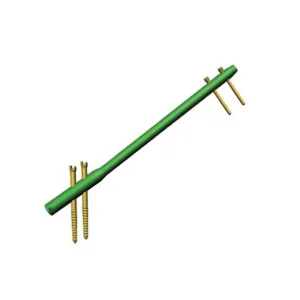
Human Orthopedic Titanium Femoral Femur Interlocking Nail GAMA
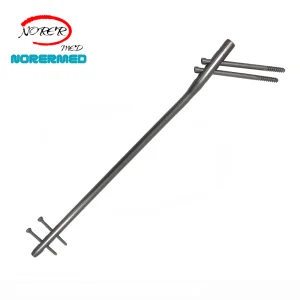
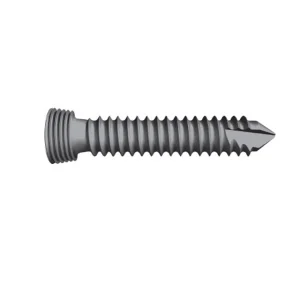
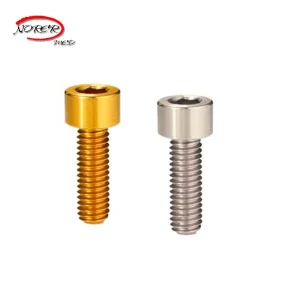
CHINA Manufacturer Metal Alloy Screw Machining Production Manufacture
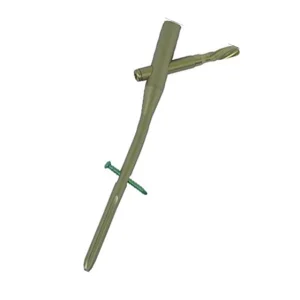
Titanium Orthopedic PFNA Interlocking Nail(Expert)-PFNA Nail for Human or Veterinary
Verifying our engineering precision and quality control setups on the production floor.