Maka Medical Surgical
Maka Medical Surgical
Maka Medical Surgical
Explore our elite portfolio of trauma-focused implants and surgical devices engineered to precise biomedical standards.
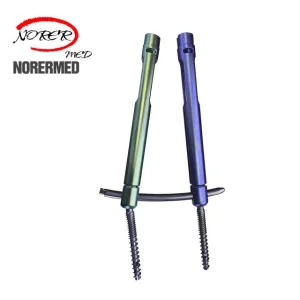
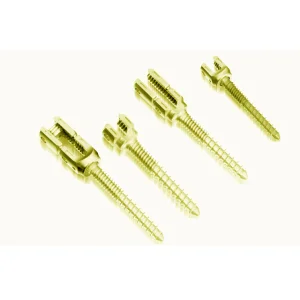
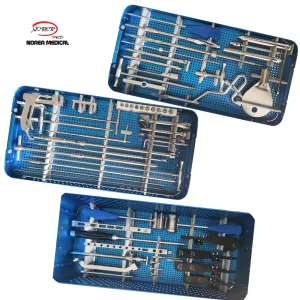
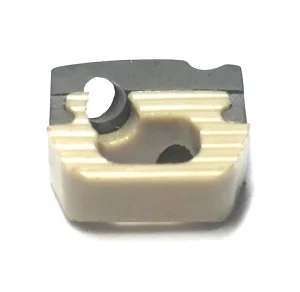
An In-Depth Whitepaper on Metallurgy, Mechanical Integrity, and Clinical Efficacy of Chinese-Manufactured Osteosynthesis Implants.
In the high-stakes sector of orthopedic surgery, the selection of trauma implants and spinal systems hinges on two unyielding imperatives: metallurgical purity and mechanical predictability. Global procurement officers from modern hospital networks, clinical research institutes, and B2B medical supply chains are constantly balancing procurement costs against clinical outcomes. In this ecosystem, Chinese trauma engineering exporters have undergone a radical transformation. Moving far beyond base-level replication, modern manufacturers in Jiangsu's high-tech industrial parks—particularly in Changzhou—now spearhead original design manufacturing (ODM) using raw medical-grade titanium alloy (Ti-6Al-4V ELI) and implant-grade PEEK (Polyetheretherketone).
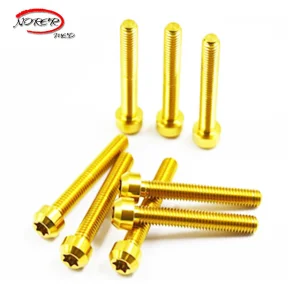
Procurement criteria have shifted globally. Importers no longer evaluate suppliers solely on unit costs. Instead, they scrutinize fatigue testing regimes, grain size consistency of titanium bar stock, dynamic shear properties, and biological safety certifications. For orthopedic trauma bone plates, locking screws, and intramedullary nails, the structural integrity of the screw-to-plate interface is paramount. China's top trauma engineering exporters guarantee absolute compatibility with standard AO (Arbeitsgemeinschaft für Osteosynthesefragen) methodologies, providing worldwide medical institutions with access to high-tier products that reduce postoperative complication rates.
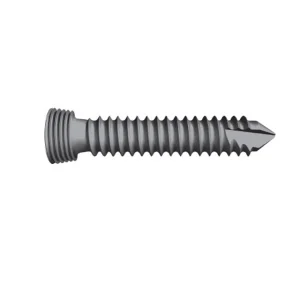
Clinical Advantage: Modern locking compression plates (LCP) utilize combi-holes, allowing surgeons to combine traditional cortical compression with rigid locking configurations. The precision of the screw thread angle determines the biomechanical stability under cyclical load-bearing conditions.
The global trauma landscape demands specialized solutions that address anatomical variances in both human healthcare and veterinary medicine. Trauma engineering is not a one-size-fits-all discipline. Complex spinal pathologies, pelvic reconstructions, and comminuted diaphyseal fractures require specialized implant architectures.
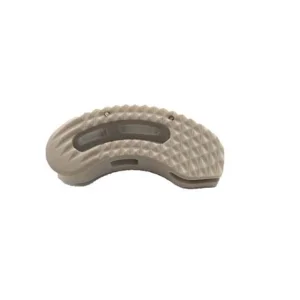
Interbody fusion cages engineered from PEEK polymer (such as ACIF for cervical and TLIF for lumbar applications) closely mimic the elastic modulus of cancellous bone. This reduces the risk of implant subsidence while promoting osseointegration when combined with autologous bone grafts.
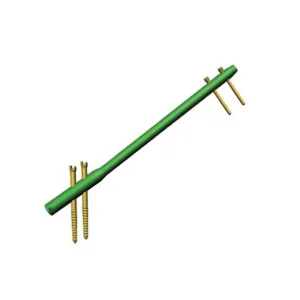
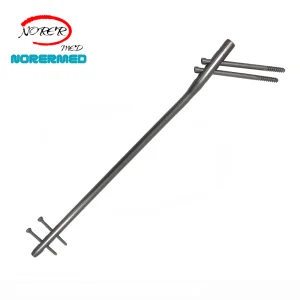
PFNA (Proximal Femoral Nail Antirotation) interlocking nail systems provide internal splinting for pertrochanteric fractures. The helical blade design compacts the bone structure during insertion, offering superior cut-out resistance in osteoporotic patients.
Veterinary trauma cases feature diverse mechanical demands. Minimally invasive spinal pedicle screws and high-strength locking infusion cages must scale to accommodate different sizes of canine and feline anatomies, requiring highly specialized fabrication lines.
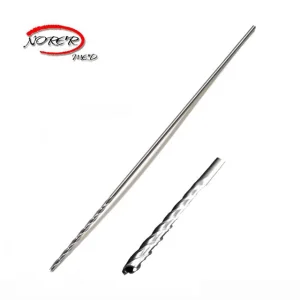
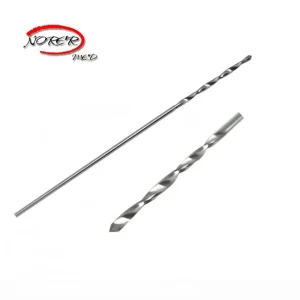
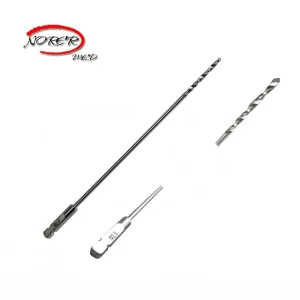
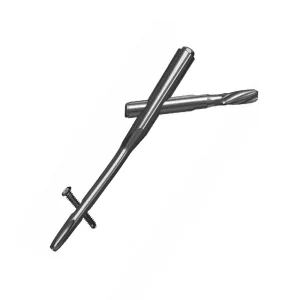
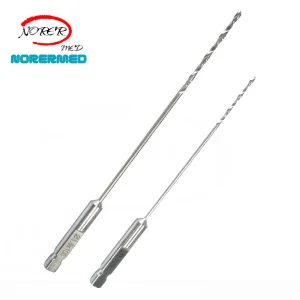
In addition, instrument ergonomics directly affect surgical efficiency. AO-coupled drill bits, quick-coupling handles, and custom-calibrated depth gauges ensure that screws are inserted at optimal torque. Without high-end drilling tools, the risk of micro-fractures during screw hole preparation increases exponentially. As premium exporters, Chinese developers package these critical hand-held tools alongside implants to establish holistic surgical ecosystems.
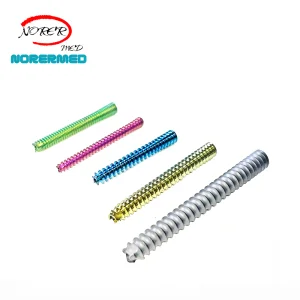
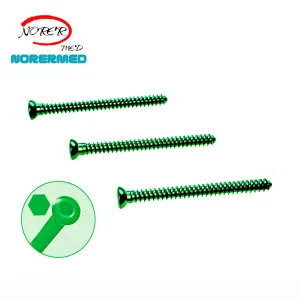
Maka Medical Technology Co., Ltd. is a premier manufacturer and exporter of orthopedic implants and instruments based in Changzhou City, Jiangsu Province, China. Positioned in the heart of China's medical device manufacturing hub, we specialize in high-end orthopedic trauma bone plates, bone screws, interlocking intramedullary nails, spinal pedicle screw systems, cervical plates, and PEEK cervical/lumbar cages.
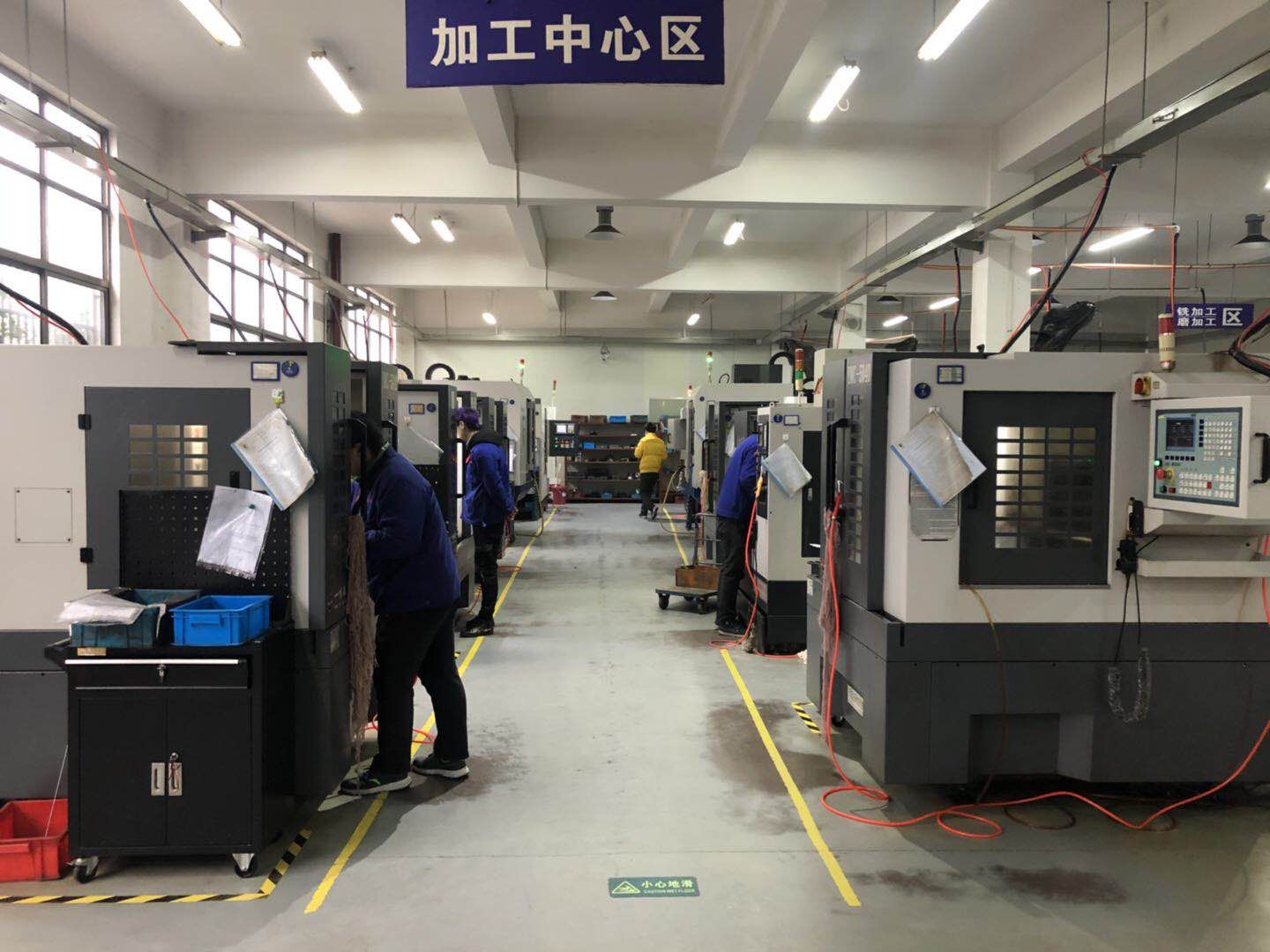
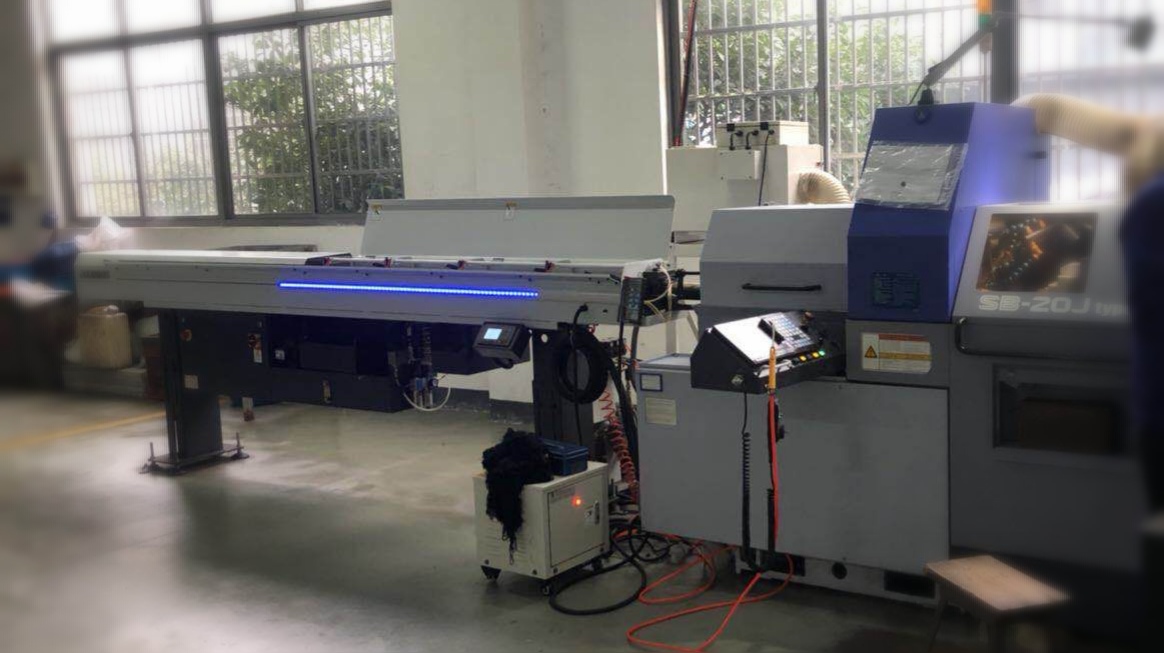
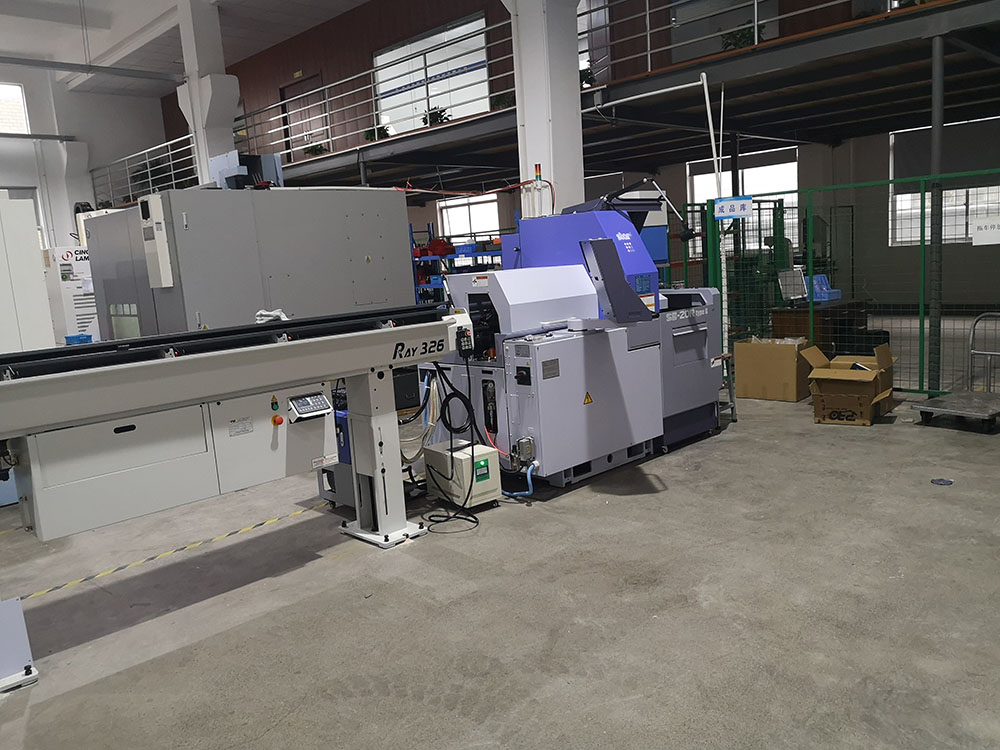
Our facility utilizes advanced CNC machinery, Swiss-type lathe turning systems, and precision vertical machining centers to achieve micron-level manufacturing accuracy. Over the last decade, we have established our presence in the international market, supplying clinical partners and distributors across Europe, South America, Southeast Asia, and the Middle East.
The progression of trauma engineering is intrinsically linked to material innovations. The industry has evolved from basic stainless steel constructs to titanium alloys, and now to biocompatible polymers and bioabsorbable materials. The chart below traces this technical progression, highlighting how Chinese exporters have aligned their production capabilities with clinical requirements.
Material Science Evolution: While 316L Stainless Steel remains highly effective for temporary fixation devices, Titanium Alloy (Grade 5 / Ti-6Al-4V) offers superior fatigue life and biocompatibility. The latest frontier, PEEK (Polyetheretherketone), has become the gold standard for spinal fusion due to its radiolucent properties, allowing surgeons to monitor bone growth clearly under X-ray imaging.
Looking to the future, trauma engineering will incorporate smart technologies, including 3D-printed custom titanium meshes and bioactive surface coatings (such as hydroxyapatite and plasma-sprayed titanium structures). These advanced modifications encourage faster bone cell migration and reduce recovery times. As a result, China's manufacturing sector is shifting from standard machining toward advanced additive manufacturing (3D printing) technologies.
To successfully market trauma engineering solutions worldwide, companies must navigate complex regulatory landscapes. Importers from the European Union require adherence to the stringent Medical Device Regulation (MDR 2017/745), while US distributors require FDA 510(k) clearances. Maka Medical and leading exporters maintain strict compliance with ISO 13485 quality management systems, ensuring full traceability from the raw material melt-sheet down to the final sterile packaging of individual screws.
Our quality assurance program includes dynamic fatigue testing, optical comparators to verify screw thread dimensions, and cleanroom packaging facilities that meet ISO Class 7 standards. By managing every stage of production in-house, we verify that each bone plate is free of micro-cracks and surface impurities, ensuring predictable clinical performance.
Technical and Commercial Clarifications for International Distributors and Clinical Buyers.
Explore our specialized surgical instrumentation and advanced fixation solutions designed for high-performance surgical environments.