Maka Medical Surgical
Maka Medical Surgical
Maka Medical Surgical
Modern surgical interventions demand faster healing, minimal scarring, and superior structural integrity. Traditional mechanical closures, such as sutures and staples, have been the cornerstone of medical procedures for decades. However, the emergence of advanced surgical adhesives and medical-grade bone cements has revolutionized the surgical landscape. From minor skin closures to complex orthopedic reconstructions, these biomaterials provide an airtight, liquid-proof seal while accelerating natural tissue regeneration.
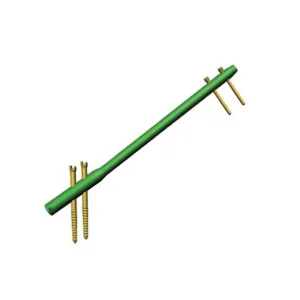
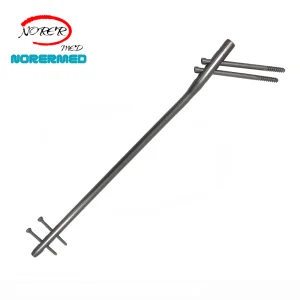
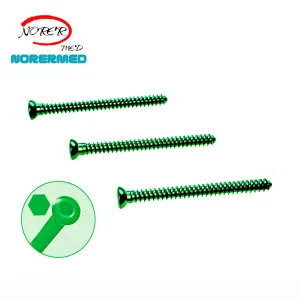
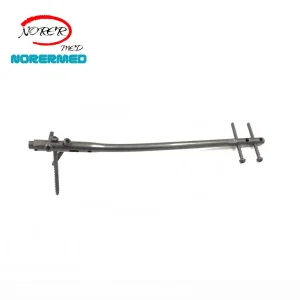
In orthopedics, the integration of mechanical hardware—such as titanium plates, cortical screws, and interlocking intramedullary nails—with advanced bio-adhesives offers unmatched stabilization. This combined approach minimizes implant micro-movements, enhances mechanical load distribution, and reduces recovery times. As a top exporter in this space, China’s medical manufacturing sectors are leading the integration of materials science with precision metal machining, ensuring hospitals worldwide have access to comprehensive fixation solutions.
Modern surgical adhesives utilize polymer matrices designed to break down naturally as tissues heal, eliminating secondary removal operations.
Optimized cyanoacrylate formulations and bone glues provide instant structural support, resisting physiological fluid pressures and physical strain.
Adhesive barriers seal surgical incisions hermetically, preventing bacterial entry and lowering surgical site infection (SSI) rates dramatically.
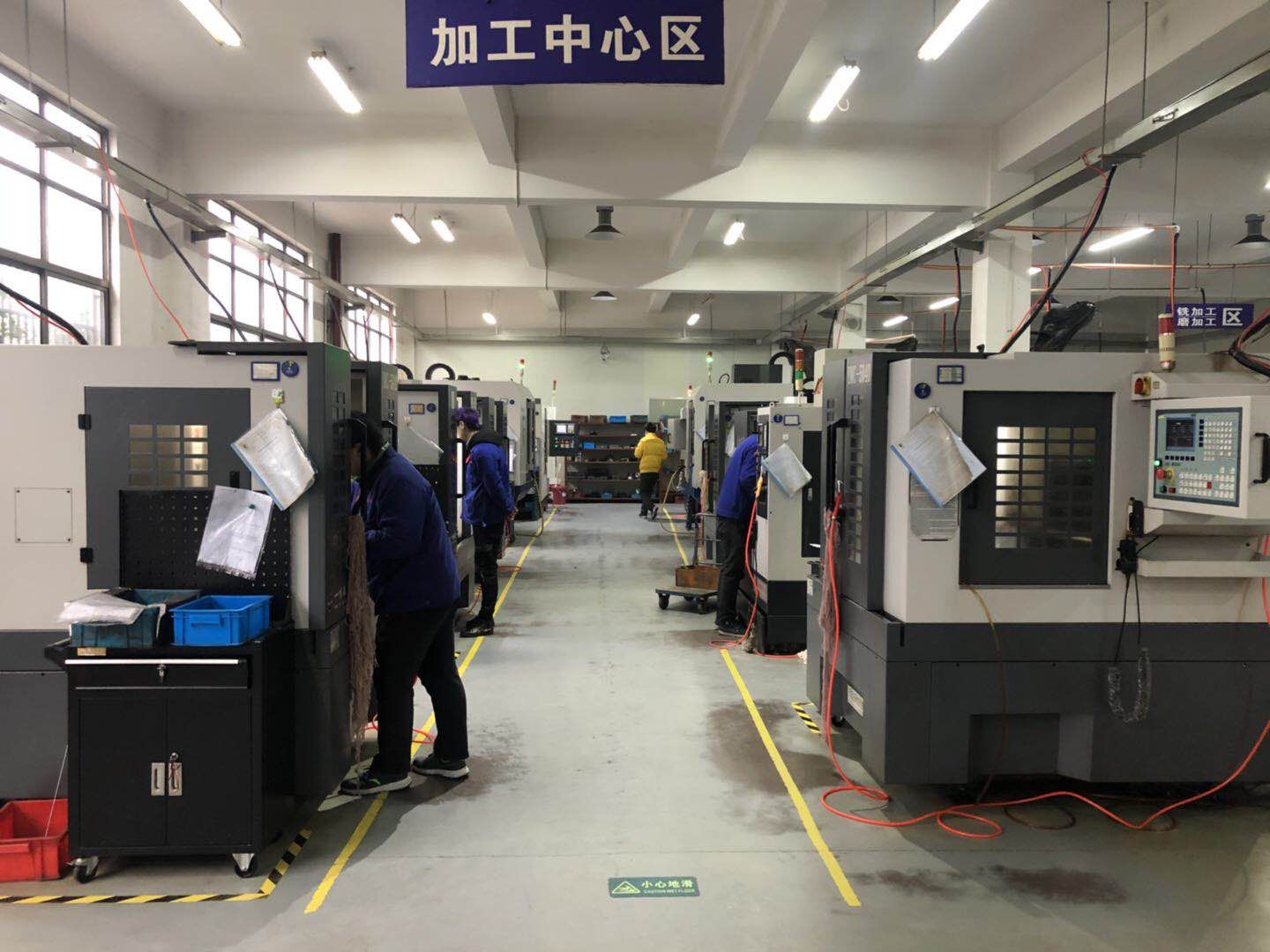
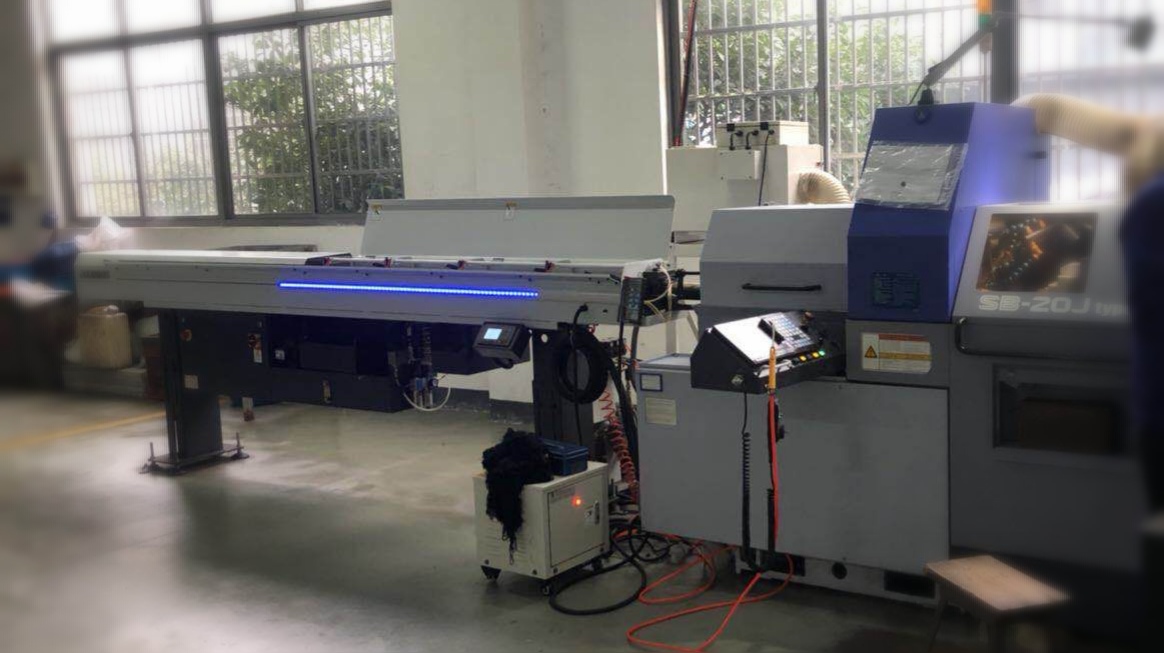
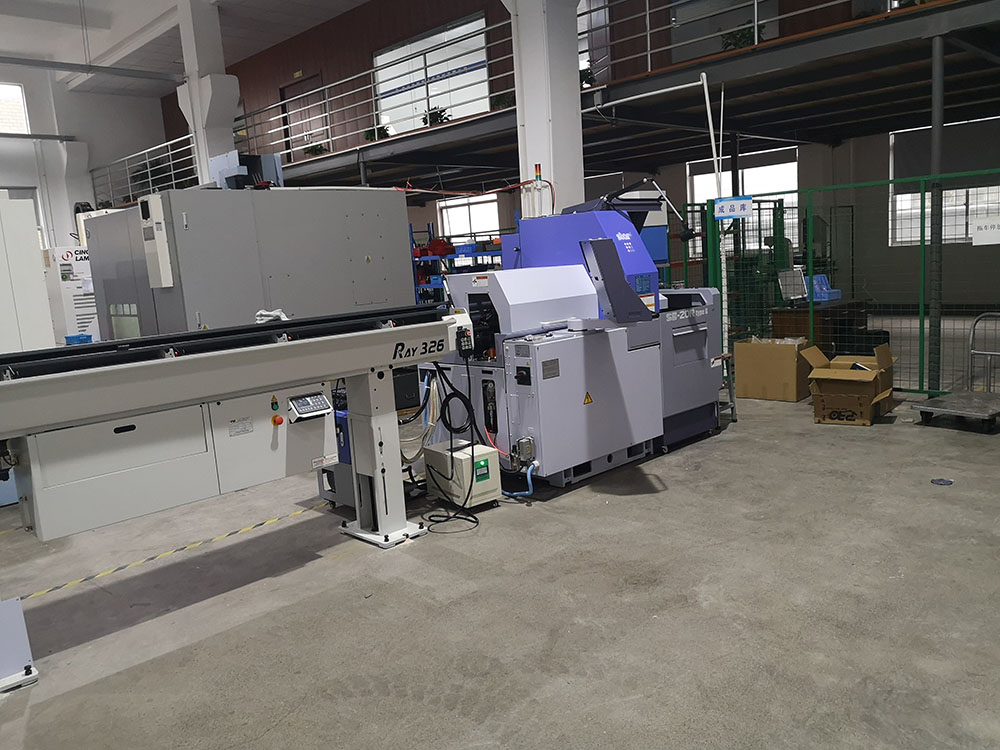
China has established itself as the global epicenter for medical device manufacturing, particularly in the fields of orthopedic implants, surgical hardware, and chemical biomaterials. The Changzhou medical cluster, located in Jiangsu Province, serves as the main hub. By leveraging specialized supply chains, automated CNC machining plants, and advanced cleanroom technology, Chinese manufacturers like Maka Medical Technology Co., Ltd. achieve a perfect balance between cost-efficiency and premium engineering compliance.
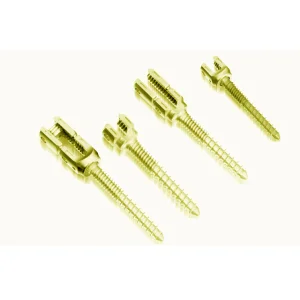
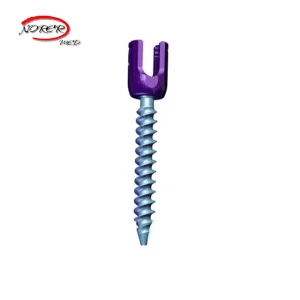
From medical-grade titanium (Gr5 / Ti-6Al-4V ELI) used in pedicle screws and intramedullary nails, to advanced PEEK (Polyetheretherketone) polymers designed for intervertebral fusion cages, raw material purity is closely monitored. In parallel, advanced chemistry enables the synthesis of highly stable cyanoacrylates, polyurethane biomaterials, and fibrin-based tissue glues. Chinese manufacturers work closely with national chemical laboratories to pioneer bone-binding agents that mimic natural bone mineralization, transforming how fractures are treated.
Leading Chinese exporters operate strictly under the ISO 13485 quality management framework. Advanced testing procedures, including fatigue testing, micro-CT scans, biocompatibility validation (ISO 10993), and sterility assurance levels (SAL 10^-6), ensure that products exported to international markets (Europe, North America, Southeast Asia, South America) meet or exceed the requirements of foreign regulatory bodies.
To assist procurement managers, hospital directors, and surgical OEM brands in selecting the right product combination, the table below provides a comprehensive comparison of different surgical stabilization modalities.
| Fixation Modality | Primary Clinical Indication | Key Material Base | Load-Bearing Performance | Degradation Profile |
|---|---|---|---|---|
| Surgical Adhesives (Tissue) | Soft tissue approximation, skin closure, micro-vessel sealing | N-butyl-2-cyanoacrylate, Octyl-cyanoacrylate | Low (Highly flexible) | Bio-resorbable over 7-14 days |
| Bone Cement & Bone Glues | Joint replacement, cranial reconstruction, micro-fracture stabilization | Polymethyl methacrylate (PMMA), calcium phosphate | High (Compressive load) | Non-resorbable or slowly resorbed (Years) |
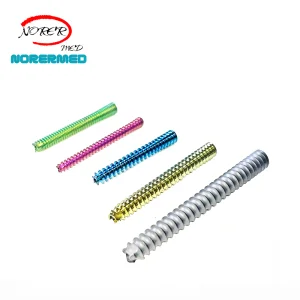
| Titanium Screw & Plate Systems | Trauma fracture fixation, spinal correction, long-bone reconstruction | Titanium Alloy (Ti-6Al-4V) | Excellent (Dynamic shear/tensile) | Permanent (Unless surgically removed) |
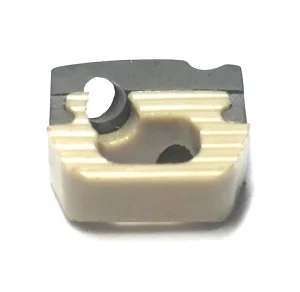
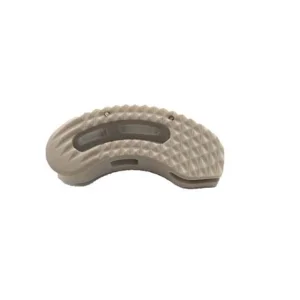
| PEEK Spinal Cages | Interbody spinal fusion, degenerative disc diseases | Polyetheretherketone (PEEK) | High (Matches cortical bone modulus) | Permanent (Radiolucent material) |
For international medical distributors, securing a reliable supply chain is critical. The challenges of sourcing medical devices from China involve regulatory alignment, product customization, and delivery reliability. Maka Medical and top Chinese surgical adhesive manufacturers overcome these barriers through professional business units and tailored models:
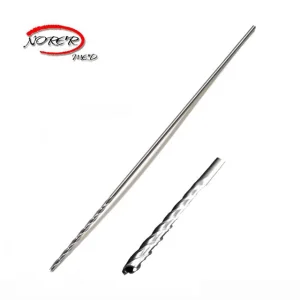
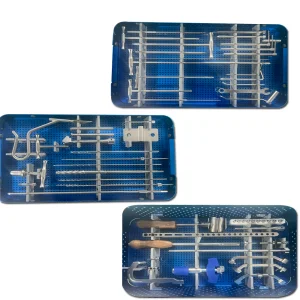
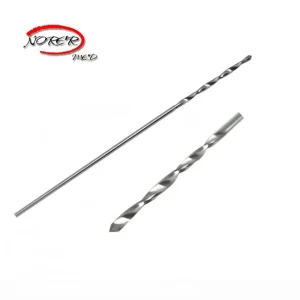
Company Description: We are located in Changzhou city, CHINA, we are Orthopedic Trauma bone plate, bone screw, orthopedic Interlocking nail, orthopedic spine pedicle screw, Cervical Plate, PEEK cervical & lumbar cage and related equipments manufacturer.