Maka Medical Surgical
Maka Medical Surgical
Maka Medical Surgical
Engineered to exceed FDA & CE MDR requirements for biomechanical integrity and biocompatibility.
Bridging the Gap Between Soft Tissue Support (Surgical Mesh) and Hard Tissue Fixation (Orthopedic Implants).
In modern clinical medicine, the boundaries of tissue reconstruction have merged. The engineering concepts behind Surgical Mesh—elasticity modulus, pore geometry, tensile strength, and cellular integration—are intrinsically linked to the technologies utilized in orthopedic implant fabrication. As a premier hub for global medical device manufacturing, Maka Medical leads the transition by developing both high-performance implantable polymers (PEEK Cages, composite surgical meshes) and precision metal alloys (Titanium osteosynthesis plates and locking screws).
Whether handling soft tissue reinforcement in abdominal walls or load-bearing reconstruction in spinal and orthopedic trauma, the clinical requirement remains identical: absolute biocompatibility, predictable biomechanical profiles, and sterile delivery systems. By integrating advanced biomaterials engineering with state-of-the-art automated manufacturing, we offer global procurement teams and surgical distributors an uninterrupted, direct-from-manufacturer supply chain.
Exploring the evolution of raw materials, surface technologies, and structural designs through 2030.
Utilizing high-density Polypropylene (PP), Polyester (PET), and Polyvinylidene Fluoride (PVDF) for structural stability, paired with medical-grade Ti-6Al-4V ELI (Grade 5 Titanium) and surgical-grade PEEK.
Developing copolymer blends (e.g., PLA-CL, PGA) that temporarily reinforce soft tissues and absorb naturally as the body constructs a healthy collagenous matrix.
Engineered pore structures (>1mm) minimize foreign body reactions, prevent bacterial colonization, and facilitate tissue in-growth and rapid macrophage passage.
Utilizing bio-absorbable physical barriers (such as collagen or hyaluronate gels) to insulate the visceral side, preventing tissue-to-organ adhesion post-implantation.
Surface modification pathways using titanium oxide layering and calcium-phosphate deposition, promoting rapid osteointegration and osteoblast activity on load-bearing implants.
Providing comprehensive medical hardware and soft-tissue fixation support across diverse clinical domains.
For hernia repairs and chest wall stabilization, selecting a surgical mesh supplier with a cleanroom packaging infrastructure is critical. Our supply solutions provide low-profile, lightweight polypropylene and composite matrices designed to mitigate infection risks and chronic pain issues, while ensuring minimal shrinkage under tensile strain.
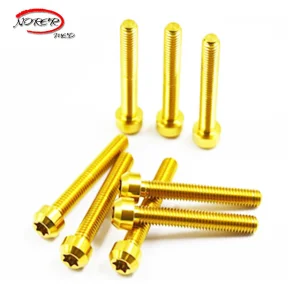
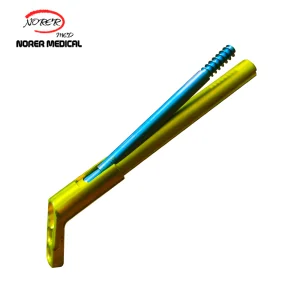
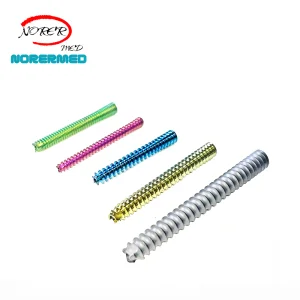
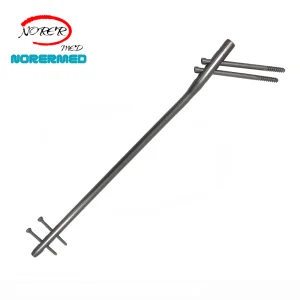
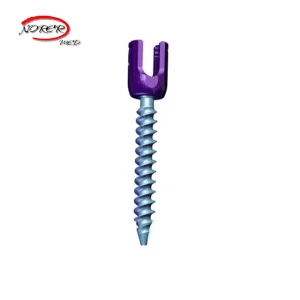
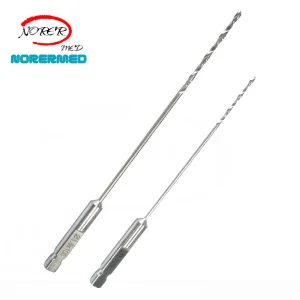
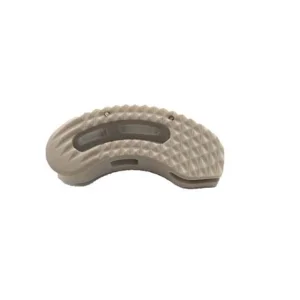
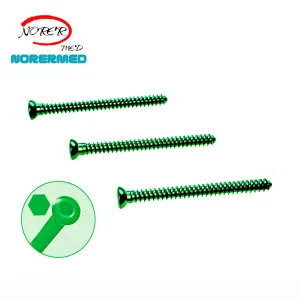
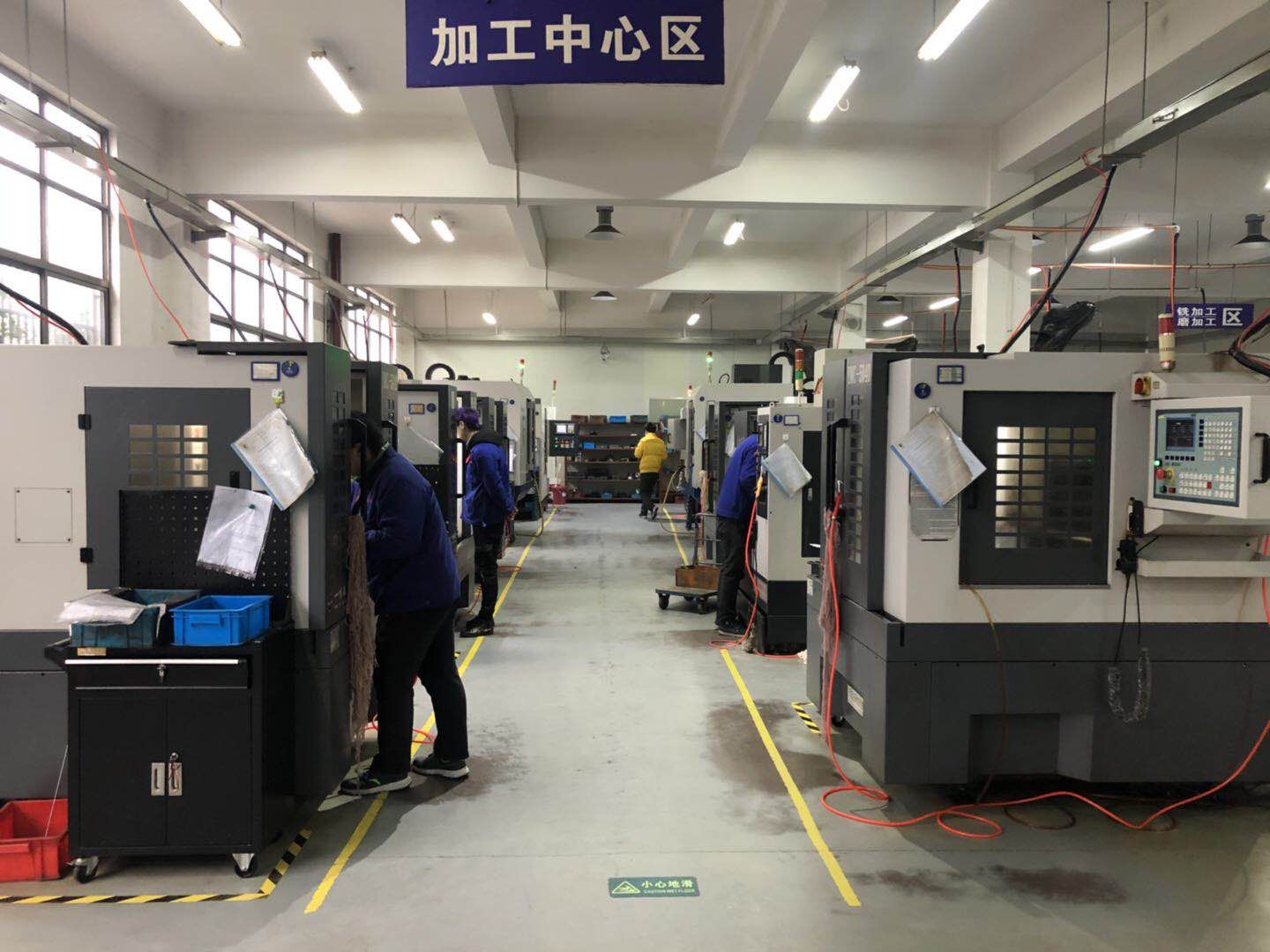
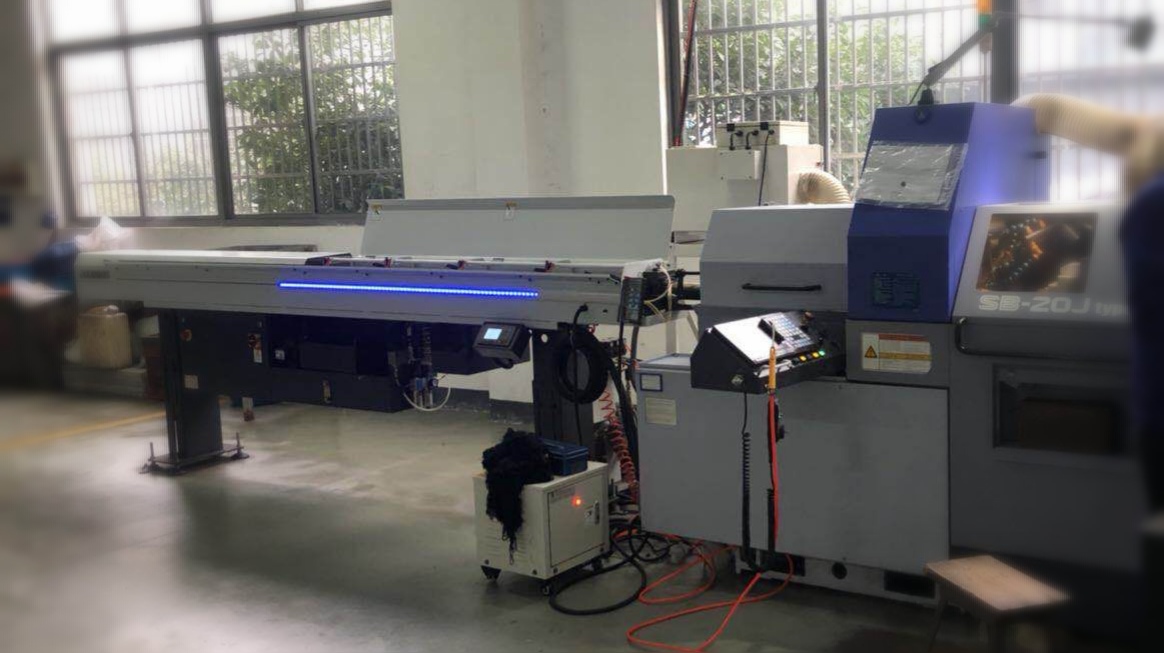
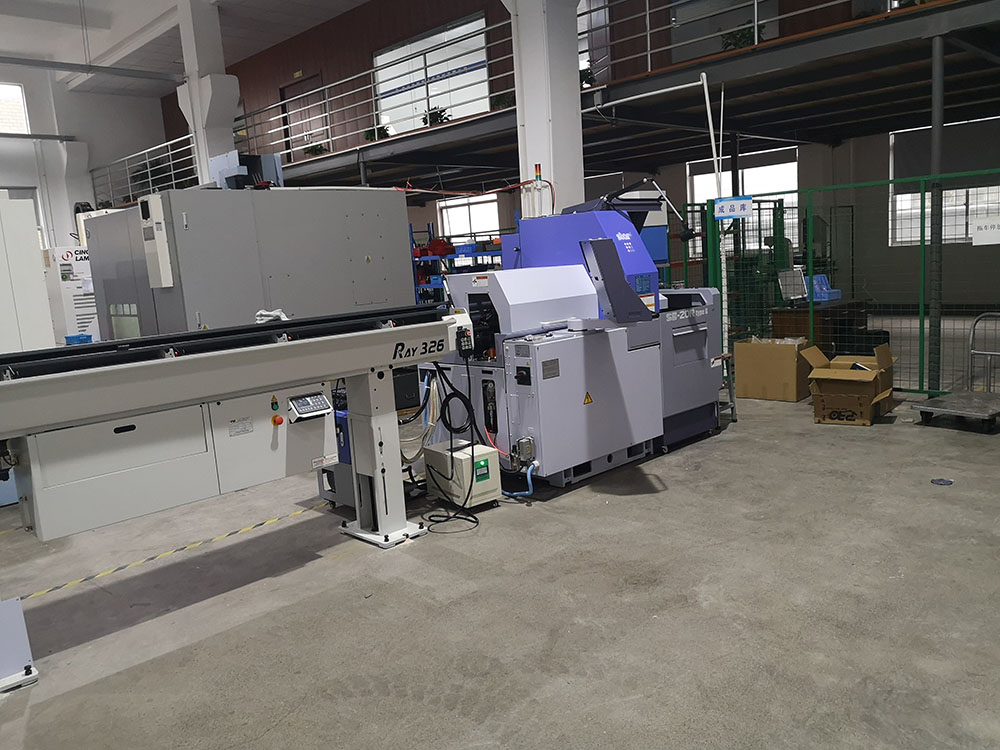
Bone fixation requires structural components engineered with absolute precision. Our production catalog ranges from locking plate systems, intramedullary expert nails (PFNA), and anatomical neck plates (FNS) to bio-inert spine pedicle screws and PEEK cages, all manufactured with CNC Swiss-type milling platforms to ensure precise tolerances.
Standard surgical mesh relies on knitting thin monofilaments of polypropylene or polyester. Our manufacturing ecosystem ensures that the polymeric compounds maintain high molecular weight retention post-sterilization. The resulting mesh configurations present a balanced combination of flexibility, bursting strength, and directional elasticity, allowing the material to flex along with the patient’s natural tissue dynamics.
Leveraging Changzhou’s Premier Medical Device Cluster to Achieve Unparalleled Cost-to-Quality Ratios.
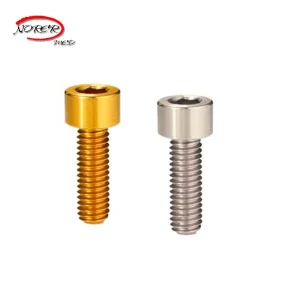
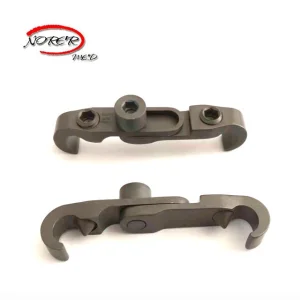
Using premium 5-axis Citizen and Tsugami Swiss-turn machinery, we achieve dimensional tolerances down to ±0.005mm. This guarantees that internal threads, crosslink rods, and compression screws interface seamlessly with locking plates and driver shafts.
Our sterilization lines are operated in strict compliance with ISO 13485 protocols. From automated ultrasonic cleaning cycles to localized packaging within cleanrooms, we deliver sterile implants that minimize risk in medical settings.
We source medical-grade Titanium and implant-grade Polyetheretherketone (PEEK) exclusively from certified, reputable global suppliers. Mill test reports and metallurgical certificates accompany every shipment.
Assisting distributors and hospitals in navigating the complex global medical device regulatory landscape.
Registering medical implants and surgical mesh products in foreign territories requires rigorous documentation. At Maka Medical, we offer more than just manufacturing capabilities. We supply our global partners with fully structured technical dossiers, cleanroom validation reports, mechanical load-bearing profile data, and sterilization cycle confirmations.
Maka Medical Technology Co., Ltd. — Your trusted OEM/ODM production partner.
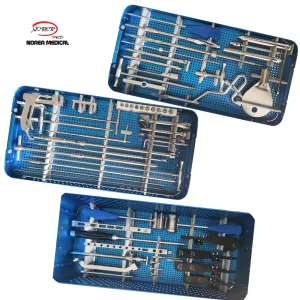
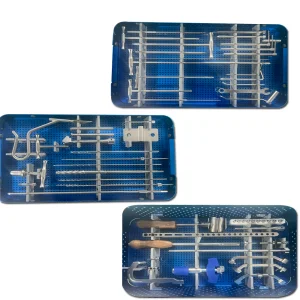
Explore our high-performance clinical tools and specialized surgical implant instruments.
Maximizing procurement efficiency, minimizing lead times, and managing manufacturing quality.
In the highly regulated medical device market, sourcing from China requires a sophisticated approach. Savvy international procurement teams evaluate suppliers based on specific criteria that balance economic efficiency with compliance assurance.
Ensure your supplier utilizes medical-grade raw materials (such as ISO 5832-3 compliant titanium alloys or USP Class VI polyolefins for surgical meshes). Maka Medical issues full material traceability certificates with every shipment, ensuring accountability from melt source to final sterilizable package.
Surgical mesh and trauma implants must be manufactured and packaged in environment-controlled cleanrooms (equivalent to Class 10,000 / ISO 7 or Class 100,000 / ISO 8). Maka Medical maintains high-efficiency particulate air (HEPA) filtration systems to keep bioburden levels well below established safety limits, simplifying the sterile registration process for foreign distributors.
Implant mechanical integrity is determined during the finishing process. Anodization, passivation, and ultrasonic wash procedures eliminate metal dust, industrial lubricants, and carbon residue. Our multi-stage cleaning protocols ensure that orthopedic plates and locking nails feature cross-stabilized oxide layers that resist corrosion in vivo.
Key information for medical device distributors, sourcing managers, and regulatory officers.