 Maka Medical Surgical
Maka Medical Surgical
Maka Medical Surgical
Discover our comprehensive range of high-precision implants and surgical diagnostic guide instruments engineered to match global standards.
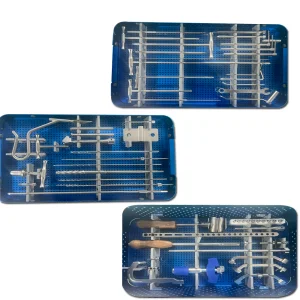
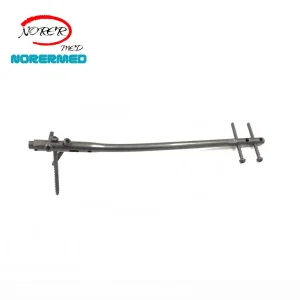
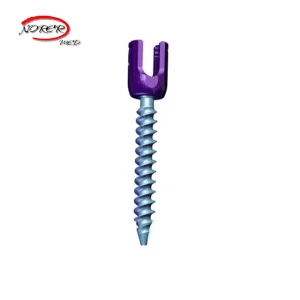
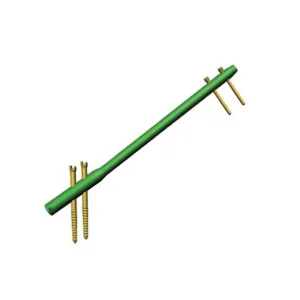
A comparative and structural analysis of precision orthopedic engineering, material sciences, and clinical execution in the era of smart surgical intervention.
Modern clinical orthopedics has moved past traditional empirical surgery. Today, the synthesis of radiological diagnostic imaging with tactile, precise surgical instrumentation determines long-term implant survival and patient rehabilitation success. As leading global orthopedic trauma, spine, and joint system manufacturers, we identify a clear correlation between structural diagnostic planning and intraoperative physical execution.
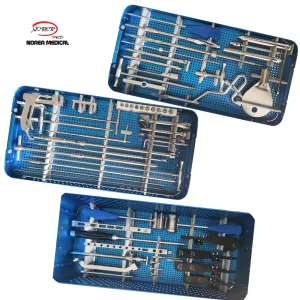
Whether performing a femoral neck fixation using the Femoral Neck Nail Plate Locking Screw System (FNS) or a spinal alignment operation with Pedicle Poly Screws, the surgeon relies on highly calibrated instruments that function as physical diagnostic verifiers. Surgical navigation grids, drill guides, and precise depth-measuring couplings are essential diagnostic verification devices. They translate digital coordinate calculations from CT scans and C-Arm fluoroscopy into micrometric osseous preparations.
Purchasing agents and distributors of medical implants face complex regulatory environments. The transition from MDD to the strict European Union Medical Device Regulation (MDR 2017/745) and FDA 510(k) clearances has restructured the supply chain. Global healthcare facilities require raw material validation, biocompatibility reports, and manufacturing process certificates for all medical devices.
At Maka Medical, we understand that structural quality assurance is non-negotiable. Our production facilities, situated in the Changzhou medical cluster, use high-precision CNC machinery and multi-axis lathe centers to fabricate implants and instruments. We use raw titanium and PEEK materials sourced from traceable suppliers, ensuring that every locking screw, crosslink rod, and spinal cage withstands dynamic mechanical stress tests.
A professional enterprise profile demonstrating manufacturing capability, localization support, and high-precision production processes.
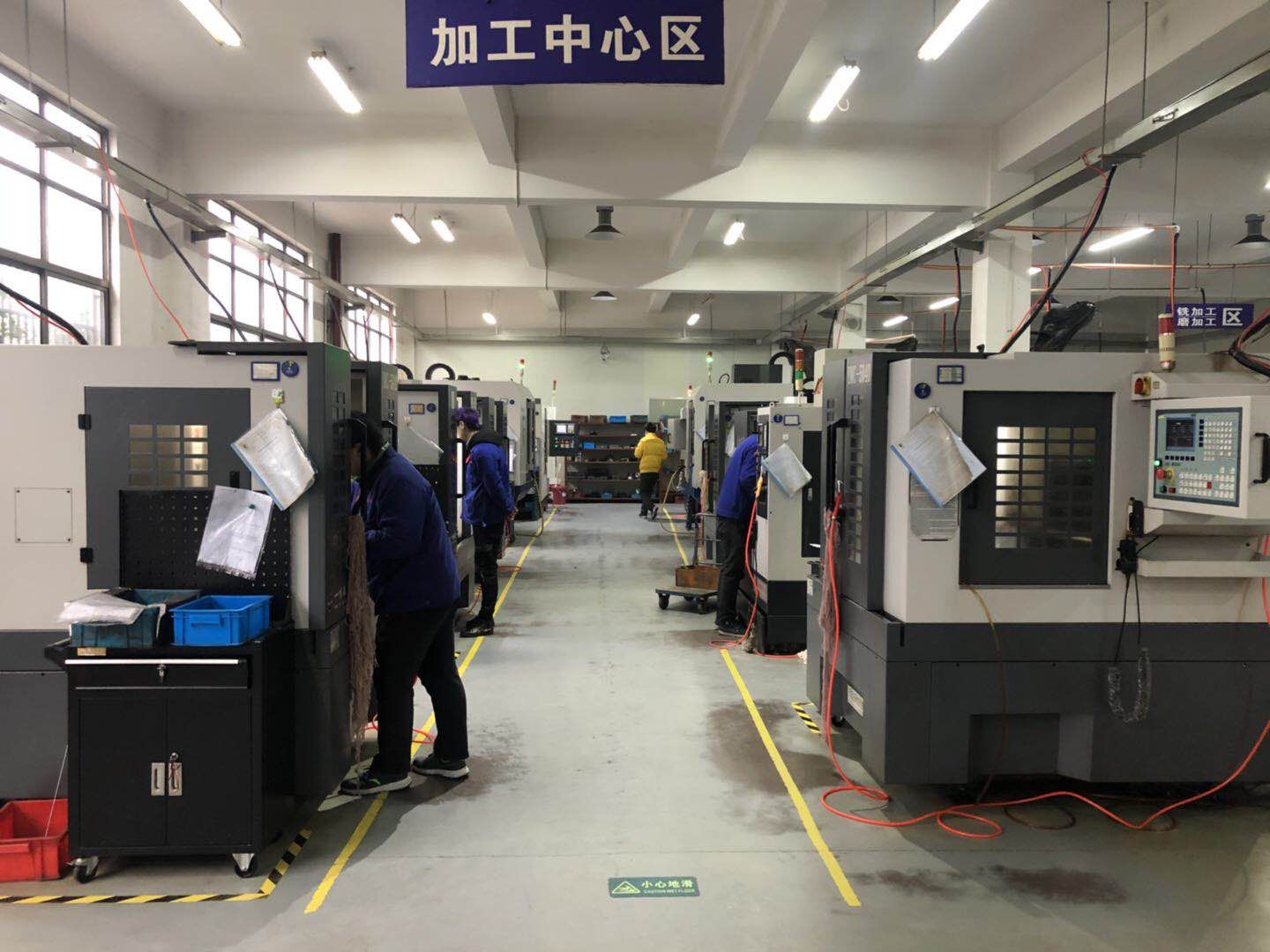
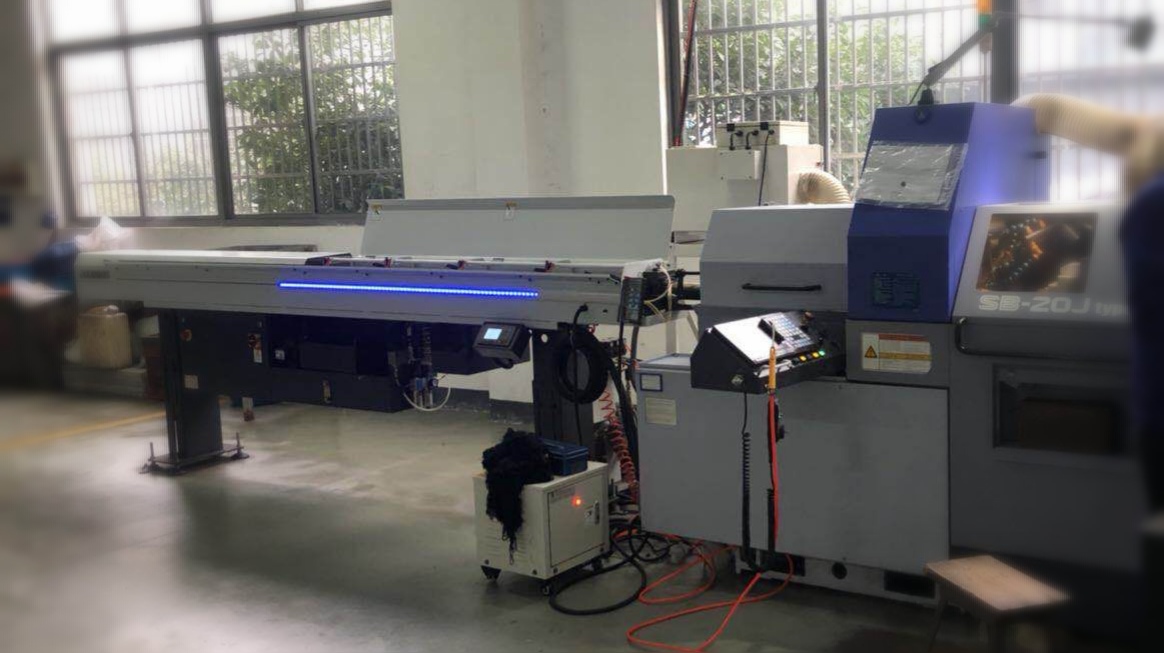
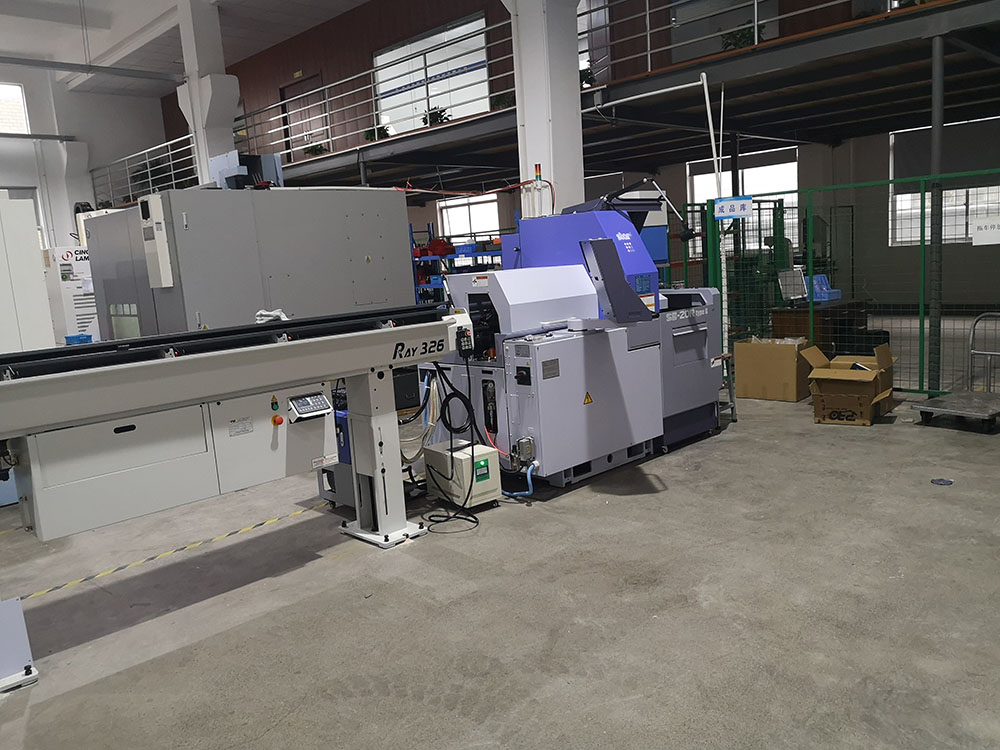
Maka Medical Technology Co., Ltd. is a specialized manufacturer based in Changzhou City, Jiangsu Province, China. Positioned in the center of China’s advanced medical engineering sector, we focus on the research, development, and manufacture of orthopedic implants and surgical instruments. Our product lines include orthopedic trauma bone plates, titanium bone screws, interlocking intramedullary nails, spine fixation systems, cervical plates, and biocompatible PEEK cervical and lumbar cages.
Explaining the clinical application and design advantages of our orthopedics and instrumentation catalog.
Treatment of long-bone fractures requires stable biological fixation that preserves vascular supply. Our **PFNA Interlocking Nails Kits** and **Expert Tibial Interlocking Nail Systems** are designed for minimal soft-tissue disruption and stable fixation. The biomechanical load sharing of intramedullary implants reduces stress shielding, which promotes early weight-bearing and faster bone union.
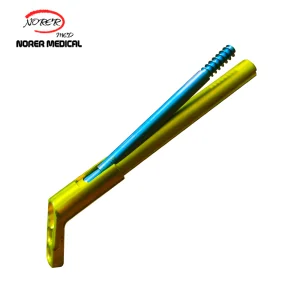
For femoral neck fractures, our FNS system combines the dynamic slide of a traditional hip screw with the rotational stability of a locking plate. This hybrid design provides high rotational control through a minimally invasive incision, which helps reduce post-operative complications like femoral neck shortening.
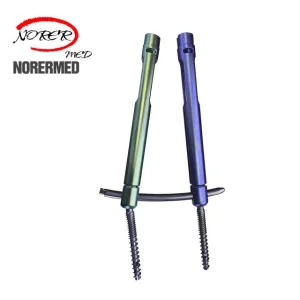
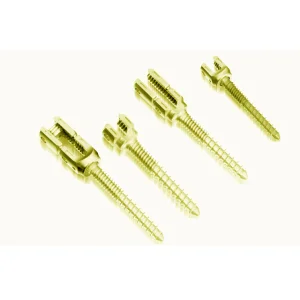
Our spinal fixation systems are designed for high biomechanical stability. The **Spine Pedicle Poly Screw System** features a multi-angle polyaxial head design, allowing up to 25 degrees of angulation. This flexibility makes it easier to align rod assemblies in complex spinal deformities and degenerative spinal cases.
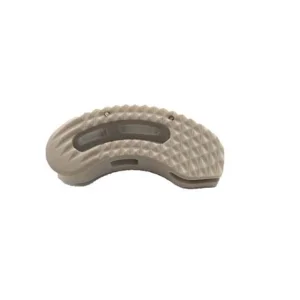
In interbody fusion, our **PEEK Lumbar TLIF Cages** offer clear advantages. PEEK (Polyetheretherketone) has an elastic modulus that closely matches human cortical bone, reducing the risk of cage subsidence. Additionally, PEEK's radiolucency allows surgeons to monitor bone fusion progress under X-ray and CT scans without the metal artifacts caused by traditional titanium cages.
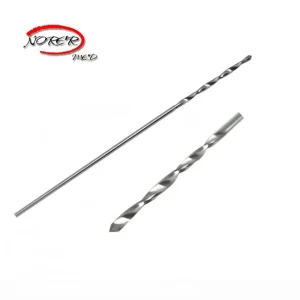
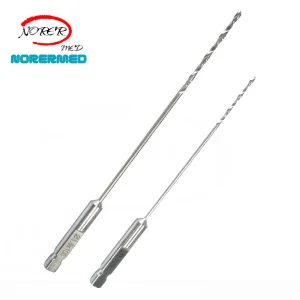
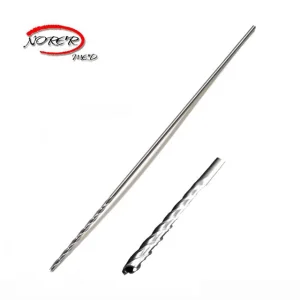
Precision implants require high-accuracy preparation tools. A primary cause of post-operative screw loosening is thermal bone necrosis during drilling. Our **Stainless Steel Drill Bits** and **Cannulated Drill Bits with AO Couplings** are engineered with sharp flute geometries to optimize chip evacuation and minimize friction-generated heat. These bits undergo specialized surface hardening treatments to maintain sharp cutting edges over multiple sterilization cycles.
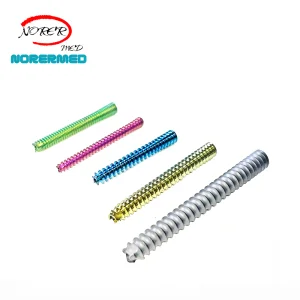
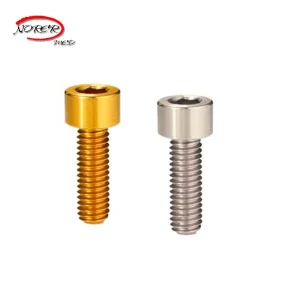
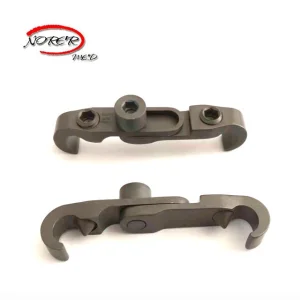
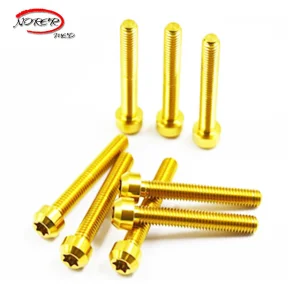
Required components for successful implantation, including bone drilling bits and mechanical fixation screws.
Analyzing future trends in orthopedic devices and surgical guidance technologies.
Technical and regulatory answers regarding global orthopedic supply chains, manufacturing processes, and compliance.