Maka Medical Surgical
Maka Medical Surgical
Maka Medical Surgical
Precision machined medical components engineered to exact OEM tolerances
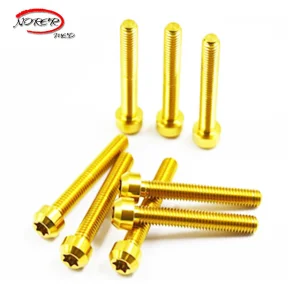
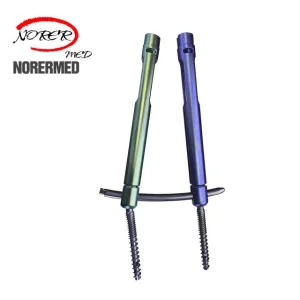
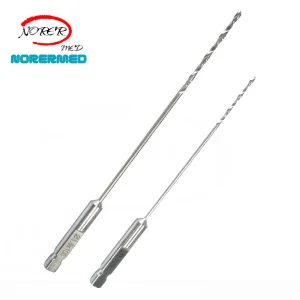
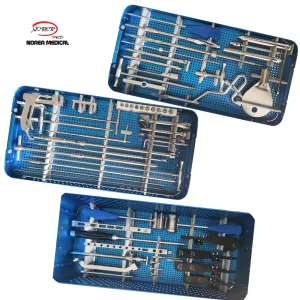
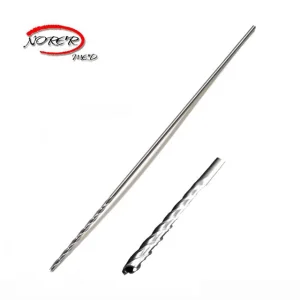
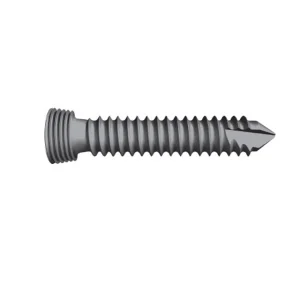
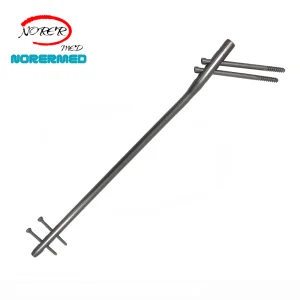
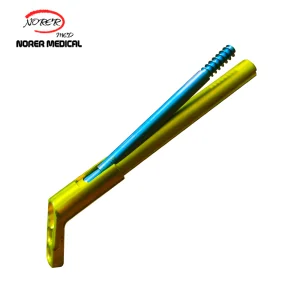
Based in the prominent medical manufacturing hub of Changzhou City, Jiangsu Province, China, Maka Medical Technology Co., Ltd. has established itself as an innovative force in the global orthopedic device ecosystem. Over our 10-year development trajectory, we have evolved from a highly targeted fabrication facility into a comprehensive trading and production entity capable of delivering critical orthotics, joint reconstruction solutions, trauma hardware, and specialized veterinary implant systems.
By leveraging the regional supply chain density of Jiangsu, we offer international medical equipment distributors, hospitals, and medical device brands an optimized blend of manufacturing capacity, technical capability, and price competitiveness.
Exploring the engineering methodologies behind joint replacement and orthopedic hardware evolution.
Modern knee prosthesis components demand extreme tribological properties. The biological interface relies on titanium alloy (Ti6Al4V ELI conforming to ASTM F136) for osseocointegration and ultra-high-molecular-weight polyethylene (UHMWPE, medical grade GUR 1020/1050) to minimize friction and wear. Research is accelerating towards vitamin E-stabilized highly cross-linked polyethylene (HXLPE) to prevent long-term oxidative degradation.
Electron Beam Melting (EBM) and Direct Metal Laser Sintering (DMLS) technologies allow manufacturers to print complex porous structures. These porous surfaces replicate the trabecular architecture of cancellous bone, significantly enhancing immediate biological fixation and minimizing the reliance on bone cement, particularly in cementless TKA (Total Knee Arthroplasty).
The integration of Patient-Specific Instrumentation (PSI) based on preoperative MRI/CT scans ensures that the knee prosthesis replicates the patient's individual kinematic alignment. Future roadmaps incorporate embedded micro-electromechanical systems (MEMS) sensors inside the tibial spacer to track post-operative joint load distributions and detect early signs of component instability.
The manufacturing blueprint for knee replacements utilizes distinct anatomical modules: the femoral component, the tibial tray, and the patellar component. In modern manufacturing, these parts undergo specialized surface treatment regimens, such as physical vapor deposition (PVD) coating using Titanium Nitride (TiN) to reduce metal ion release (crucial for patients with cobalt or nickel sensitivities).
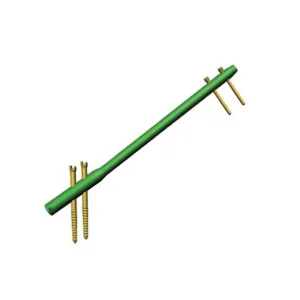
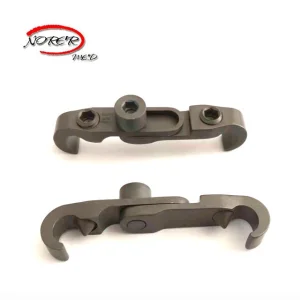
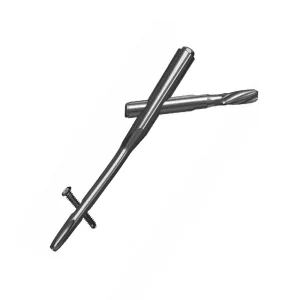
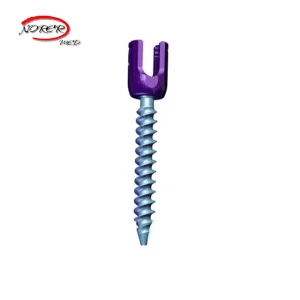
At Maka Medical, our ongoing development programs focus on adapting advanced manufacturing processes to produce high-precision interlocking nails, surgical drill guides, and custom pedicle screws. This ensures that trauma-grade hardware maintains structural integrity during high-impact load vectors.
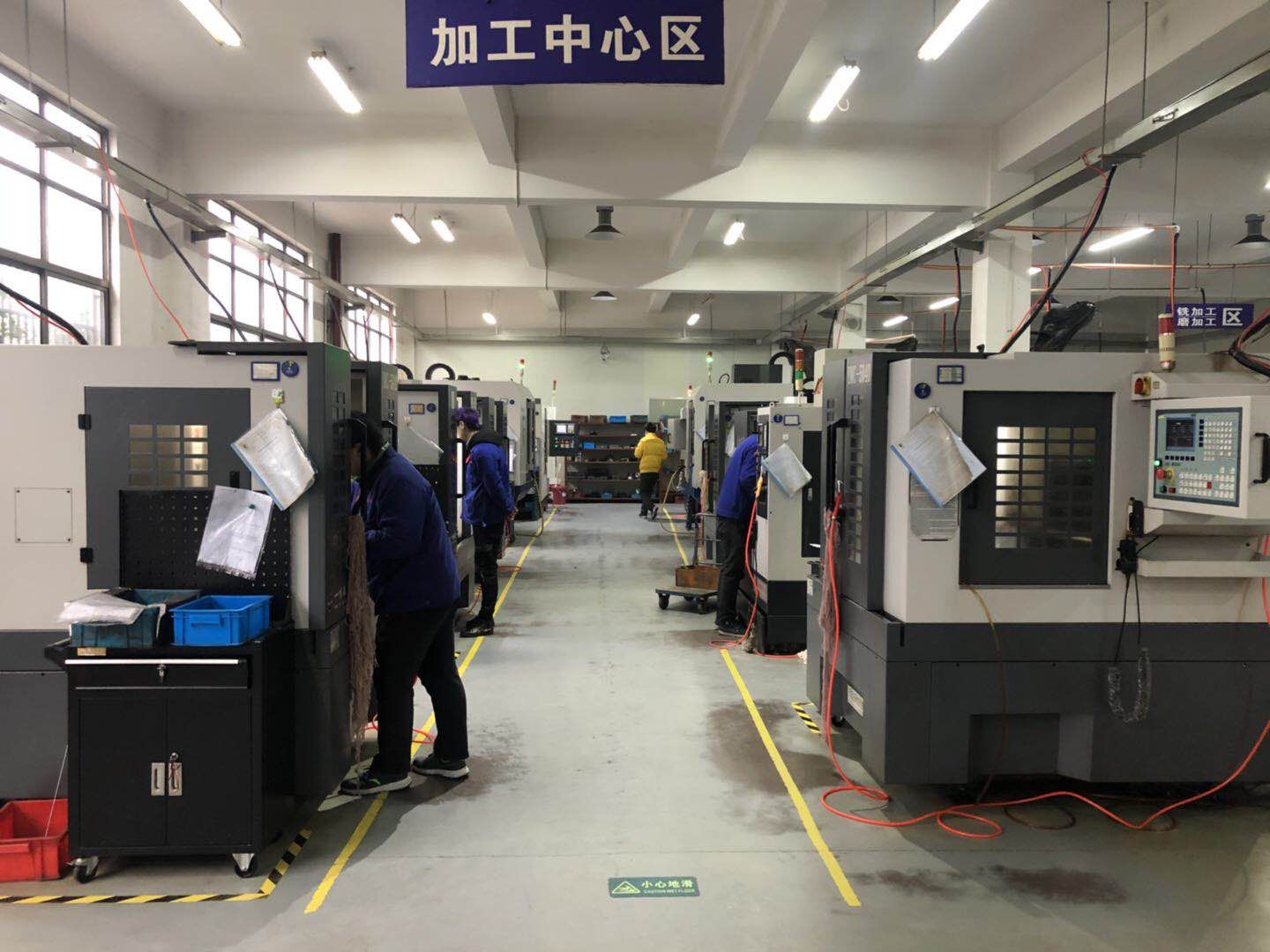
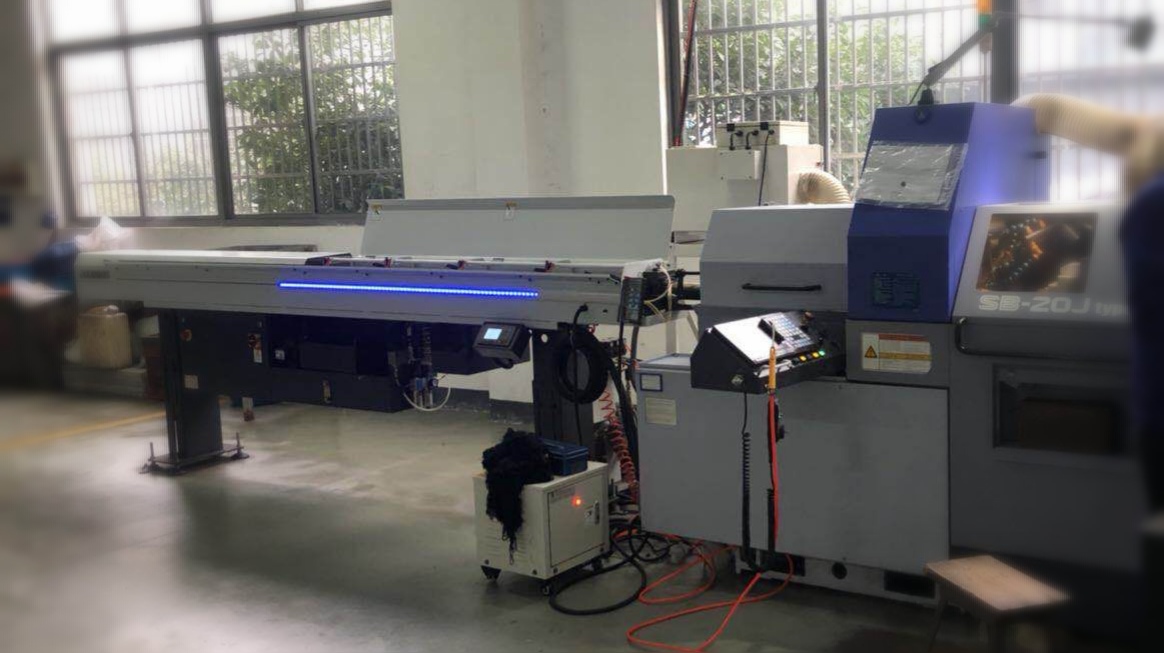
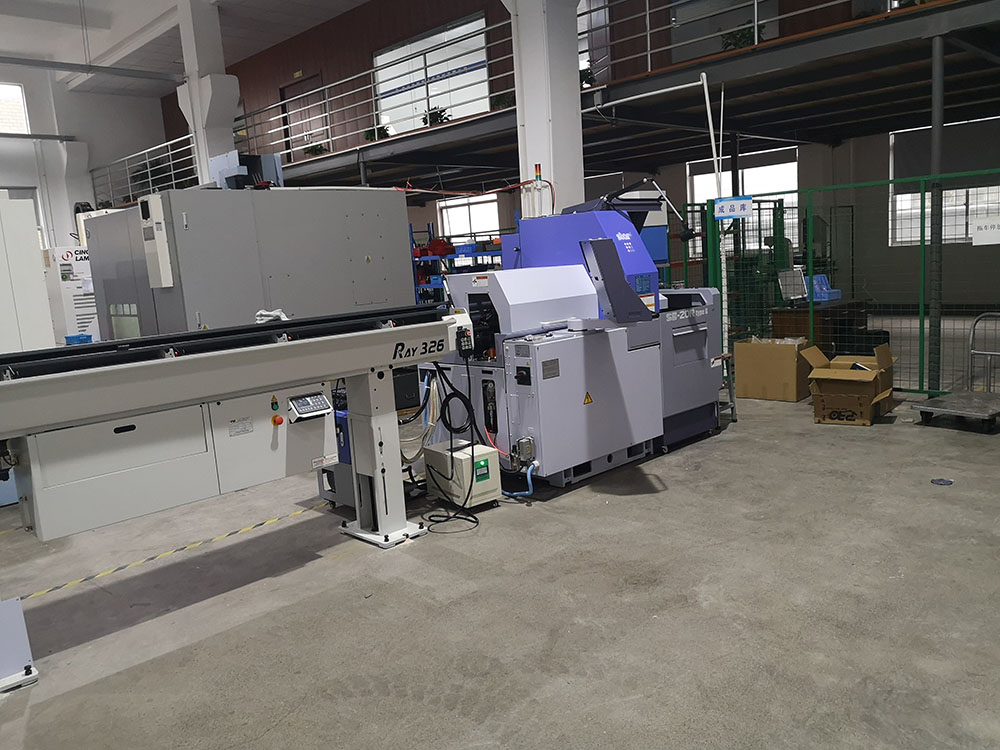
A visual inspection of our state-of-the-art production environments and machining capabilities.
The global orthopedic joint replacement market is undergoing a period of profound restructuring. Rapidly aging demographics, coupled with cost-containment frameworks mandated by national health services, have forced healthcare procurement networks to seek high-quality, cost-efficient alternatives to traditional high-markup implant brands. Here, China-based wholesale manufacturers play a transformative role.
For decades, Western medical device entities managed both manufacturing and clinical marketing. Today, the industry has shifted to a specialized contract manufacturing model. Experienced manufacturers like Maka Medical leverage regional specialized supply chains to offer end-to-end solutions:
| Implant Component | Standard Material Grade | Manufacturing Precision Process | Surface Topography Treatment |
|---|---|---|---|
| Femoral Component | Co-Cr-Mo (ISO 5832-4 / ASTM F75) | 5-Axis CNC Milling / Investment Casting | Mirror Polishing (Ra < 0.05 µm) |
| Tibial Baseplate | Ti-6Al-4V ELI (ISO 5832-3) | Precision Machining & Forging | Titanium Plasma Spray / Grit Blasted |
| Articular Insert | UHMWPE (GUR 1050) | Compression Molding & Gamma Irradiation | Sterile Gas Plasma cross-linking |
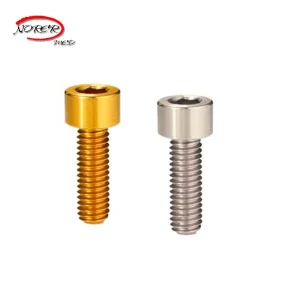
| Trauma Bone Plates/Screws | Ti-6Al-4V ELI (ASTM F136) | Swiss-type CNC Lathe Turning | Type II / III Anodization |
Navigating the global landscape for orthopedic implants requires strict compliance with dynamic international regulatory structures. From Europe’s Medical Device Regulation (MDR 2017/745) to the US FDA’s 510(k) clearances and China’s National Medical Products Administration (NMPA) oversight, safety requirements have reached historically high standards.
Before any knee prosthesis, bone plate, or locking screw is cleared for clinical insertion, it must pass a rigorous matrix of biocompatibility assays. Every raw material consignment at Maka Medical undergoes strict testing:
We work closely with global importers to streamline customs clearances. By supplying comprehensive technical documentation—such as Certificates of Conformity, Material Test Reports, and Sterility Validation Records—we minimize clearance delays at international ports, ensuring consistent product availability for local hospital networks.
How high-tech industrial integration makes Maka Medical a reliable global OEM partner.
Changzhou, located within the Yangtze River Delta, represents China's leading orthopedic device manufacturing cluster. This region groups together premium medical-grade steel suppliers, advanced PVD heat-treatment shops, and calibration laboratories. This geographic density keeps lead times short and minimizes logistics-induced supply chain disruptions.
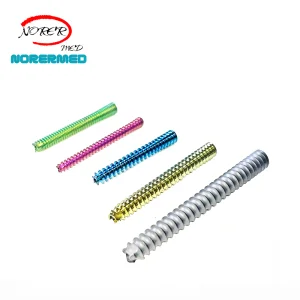
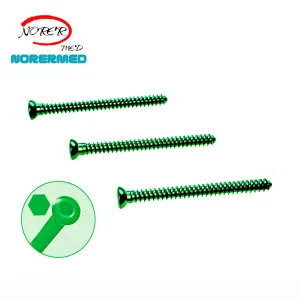
Our facility utilizes high-precision Swiss-type multi-axis CNC machines and German milling stations. This machinery produces complex geometries, such as the cannulated compression screw or the spinal pedicle screw, with tolerances within ±5 microns, ensuring precise fitment and structural stability during surgical procedures.
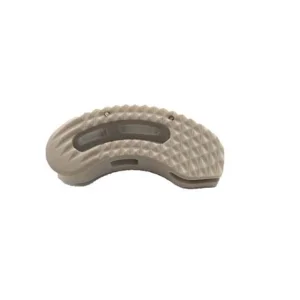
Every component, from PEEK TLIF spinal cages to locking bone plate kits, is laser-engraved with a unique device identifier (UDI) code. This ensures complete traceability back to the specific raw material batch, CNC machine program run, and sterile packaging lot.
Procuring orthopedic implants at scale involves more than just unit cost analysis; it requires optimizing the Total Cost of Ownership (TCO). Quality issues, regulatory hurdles, or shipping delays can quickly offset low purchase prices. Procurement teams should prioritize key criteria during their evaluation process:
Ensure that all titanium implants are processed using certified Grade 23 (Ti-6Al-4V ELI) or Grade 5 titanium, which offer superior tensile strength and fatigue life compared to standard commercial titanium. Always request mill test certificates and chemical analysis sheets prior to placing production orders.
For pre-sterilized medical implants, confirm that the supplier's packaging cleanroom maintains positive pressure filtration and holds ISO Class 7 certification. The sterilization method—whether Gamma Radiation, Ethylene Oxide (EtO), or E-beam—must include dose validation documentation in compliance with ISO 11137 or ISO 11135 standards.
A resilient partner should offer flexible production options. Maka Medical works with trading companies and direct clinical buyers to provide manageable minimum order quantities (MOQs). This flexibility allows distributors to validate new designs, such as veterinary trauma plates or specific sizes of interlocking nails, without tying up excessive capital in inventory.
Answers to common engineering, regulatory, and logistics questions from procurement managers.
High-end structural implants engineered for trauma repair and reconstructive surgery