Maka Medical Surgical
Maka Medical Surgical
Maka Medical Surgical
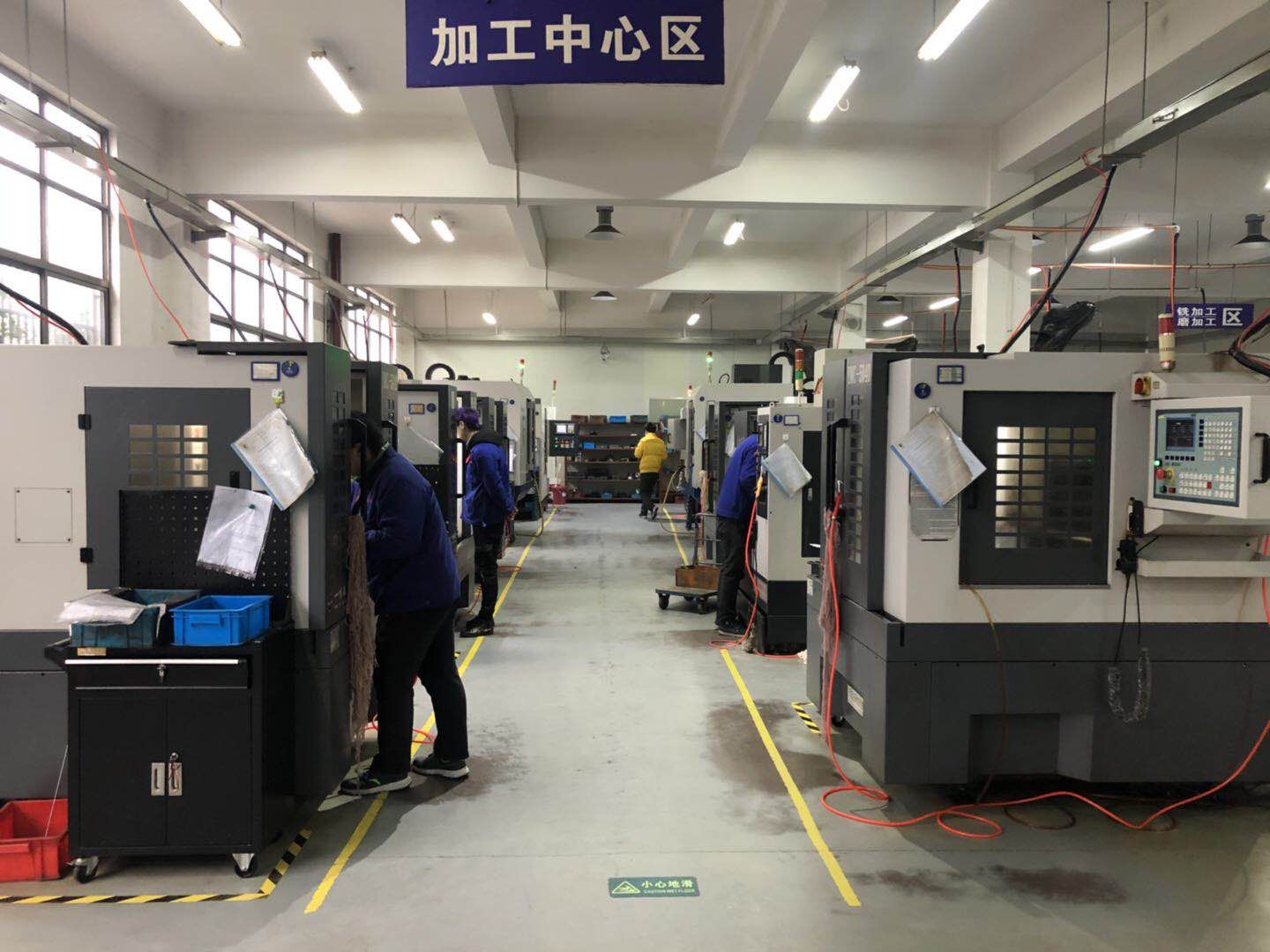
Established as a high-tier manufacturing and trading consortium, Maka Medicial Technology Co., Ltd. (referred strictly under the registered entity) operates from the medical device industrial cluster of Changzhou City, Jiangsu Province, China. Benefiting from over a decade of domain expertise, our facilities focus on high-precision machining, raw material verification, and clinical-grade compliance.
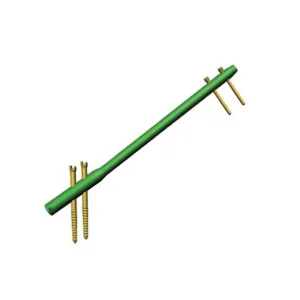
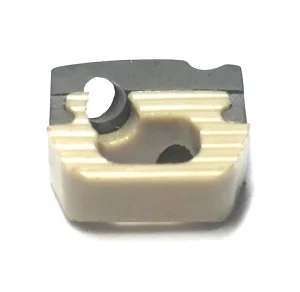
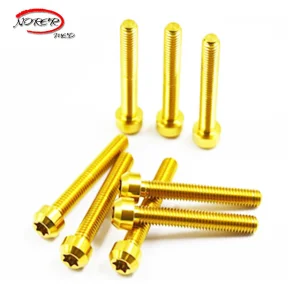
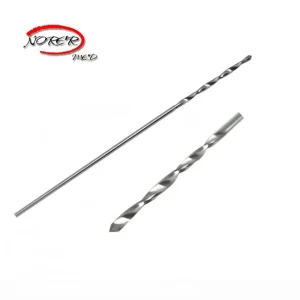
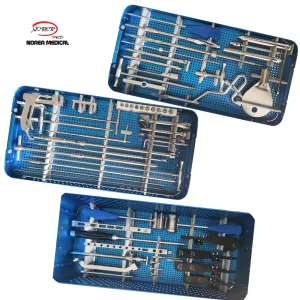
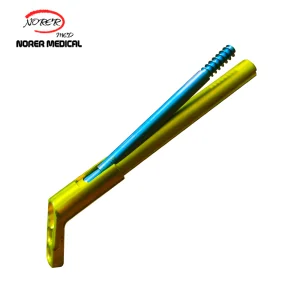
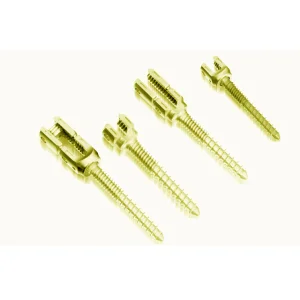
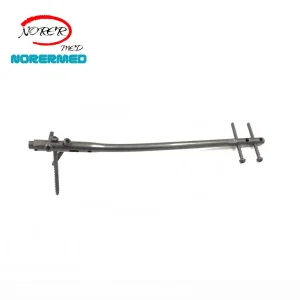
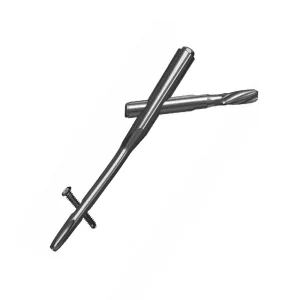
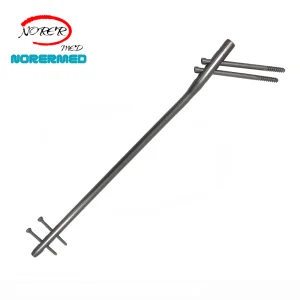
Our core catalog spans Orthopedic Trauma bone plates, anatomical bone screws, orthopedic interlocking nails, orthopedic spine pedicle screws, Cervical Plates, and PEEK (Polyetheretherketone) cervical & lumbar cages, along with specialized instrument kits for trauma surgeries.
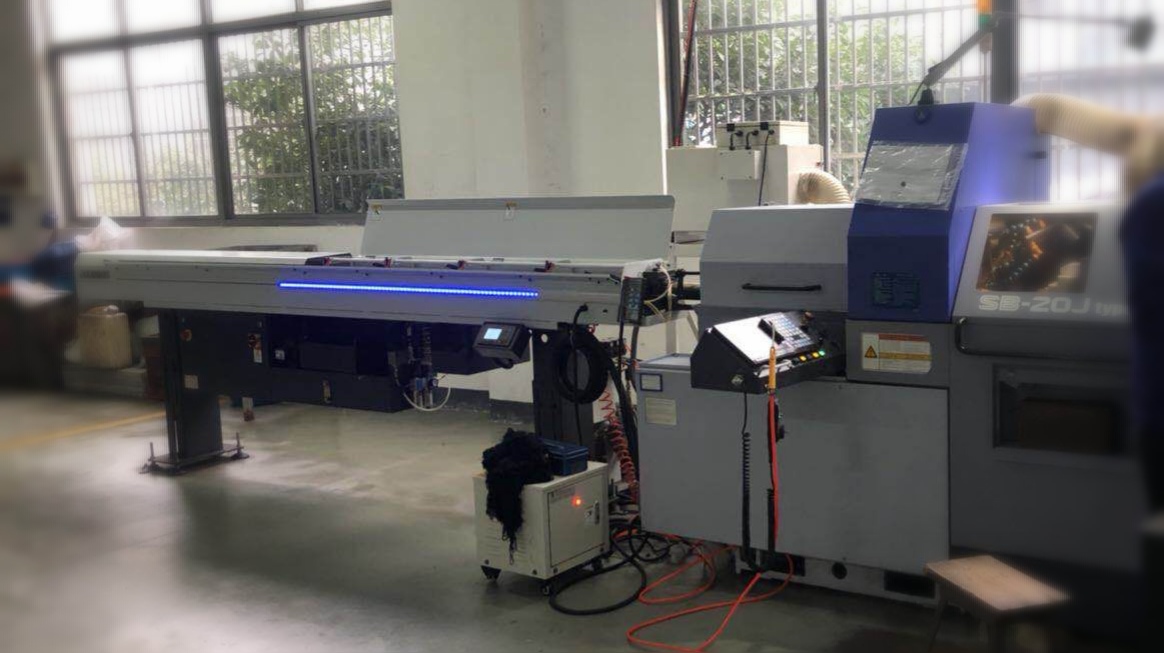
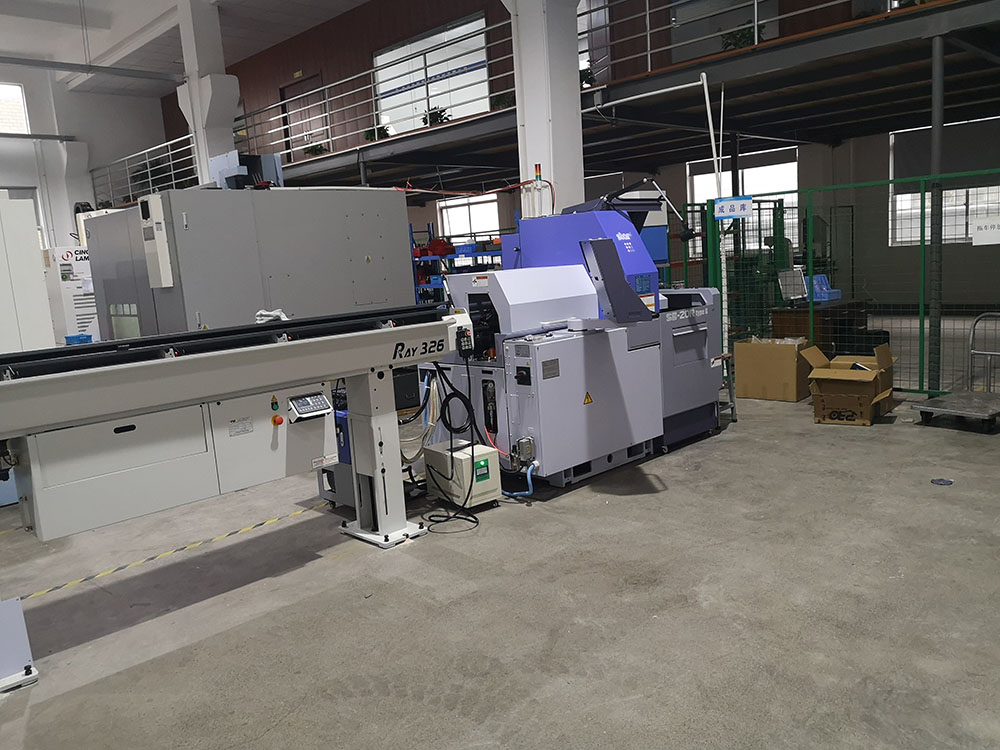
With an optimized workforce sizing between 11 to 50 elite engineering and quality assurance professionals, Maka Medicial bridges the gap between agile R&D and large-scale industrial output. The company combines advanced CNC machining lines with direct trading capabilities, rendering a seamless supply pipeline for global medical distributors, veterinary hospitals, and trauma center networks.
Leveraging our 10-year platform integration, we support complex regulatory document generation, raw material traceability (under ASTM and ISO standards), and tailored OEM/ODM manufacturing partnerships.
Limb reconstruction represents one of the most technically demanding disciplines within modern orthopedics. It addresses complex segmental bone defects, non-unions, malunions, congenital deformities, and severe high-energy trauma injuries. The global paradigm is rapidly transitioning from traditional bulk stainless-steel fixators to biomechanically optimized, smart internal fixation systems.
Our research highlights that three core pillars drive the current clinical demand:
The shift toward Ti-6Al-4V ELI (Grade 5 ASTM F136) and medical-grade PEEK (Polyetheretherketone) has revolutionized implant-to-bone integration. Titanium alloys provide exceptional fatigue strength and a lower elastic modulus than stainless steel, reducing the effects of stress shielding. PEEK cages, on the other hand, match the elastic modulus of human cortical bone, facilitating clear post-operative imaging due to radiolucency.
Implant systems such as the Proximal Femoral Nail Antirotation (PFNA) and Expert Tibial Interlocking Nailing systems allow for load-bearing configurations that encourage micro-motion at the fracture site, accelerating secondary healing through callus formation.
A major growth vector is the application of human-grade orthopedic trauma technology to canine and feline surgeries. Spinal fixation systems using Monoaxial Pedicle Screws and PEEK Locking Infusion Cages are becoming standard in global veterinary specialty hospitals.
| Material Class | Elastic Modulus (GPa) | Tensile Strength (MPa) | Radiolucency | Primary Clinical Application |
|---|---|---|---|---|
| Titanium Gr5 ELI (ASTM F136) | 110 - 114 | ≥ 860 | No (Minimal MRI artifacts) | Femoral/Tibial Interlocking Nails, Pedicle Screws, FNS Plate Systems |
| PEEK-OPTIMA® Polymer | 3.6 - 4.0 | 90 - 100 | Yes (Ideal for fusion verification) | Cervical & Lumbar Interbody Fusion Cages (ACIF/PLIF) |
| 316L VM Stainless Steel | 190 - 200 | ≥ 490 | No (Significant scatter) | Drill Bits, External Fixator Rods, Temporary K-Wires |
Purchasing managers and medical distributors globally face severe supply chain vulnerabilities, rising material costs, and stringent regulatory updates (such as EU MDR compliance). China's modern manufacturing infrastructure—centered in precision engineering hubs like Changzhou—has transformed from low-cost casting to automated high-precision manufacturing.
At Maka Medicial, our production flows integrate advanced methodologies to meet the highest performance metrics:
We employ multi-axis CNC lathe turning centers designed to execute ultra-precise cutting paths on medical-grade Titanium rods. This achieves tolerances within ± 0.005mm, essential for threads on locking screws and the precise guide channels inside femoral reconstruction nails.
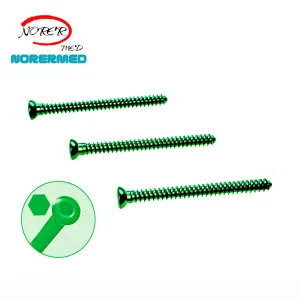
Implants undergo strict electrochemical processes to create customized anodic oxide layers (Type II & Type III anodization). This enhances corrosion resistance, reduces friction, and allows color-coding (e.g., green for locking screws, blue for cortical screws) to assist surgeons in the OR.
Every batch of titanium, stainless steel, or PEEK comes with certified Mill Test Reports (MTR) tracing the material back to its chemical melt origin. Mechanical testing checks tensile strength, yield strength, and elongation percentages to ensure zero implant failure rates.
When importing trauma implants from China, matching regulatory compliance to the local destination is critical. For EU markets, implants must align with MDR 2017/745 Class IIb requirements. In the US, the FDA 510(k) pathway governs intramedullary nails and bone plates. Maka Medicial supports our partners by providing comprehensive technical dossiers, packaging integrity data under ISO 11607, and biocompatibility profile reports (ISO 10993).
Importers can source devices in two primary formats:
As surgical techniques evolve, standardized implants may not meet all clinical needs. Our engineering team collaborates with international distributors to custom-engineer plates and implants. Utilizing CAD/CAM software and 3D prototyping, we transform customer blueprints into ISO-compliant implant systems, including custom instrument layouts.