Maka Medical Surgical
Maka Medical Surgical
Maka Medical Surgical
High-grade medical titanium alloys, stainless steel structures, and state-of-the-art trauma fixation solutions directly sourced from Changzhou's manufacturing base.
Decoding technical constraints, material requirements, and regulatory criteria for medical buyers purchasing wholesale surgical wires.
Surgical cerclage wires and bone fixation wires remain inside the patient's body for extended periods, demanding ultra-high purity grades. Sourcing requires materials meeting ISO 5832-3 (Titanium alloy) or ISO 5832-1 (Stainless steel) to eliminate sensitization risks.
Wires must withstand continuous tension during bone fragment reconstruction without failing. Achieving the perfect equilibrium between mechanical tensile strength (typically 800-1100 MPa) and elongation-at-break is essential for complex orthotic wiring configurations.
Global medical regulatory bodies (US FDA, EU MDR, China NMPA) require end-to-end trace documentation for raw materials. Maka Medical provides comprehensive batch traceability reports, assuring quality from raw titanium sponge to finalized polished wires.
Comparing the foundational alloys and PEEK polymer matrices used in state-of-the-art orthopedic applications.
Orthopedic hardware applications require varying chemical profiles. The selection of materials depends heavily on load bearing capacity, desired imaging visibility (radiolucency), and long-term tissue interaction. The comparison table below presents key performance indicators for materials used in modern orthopedic surgical wires and implants.
| Material Classification | Common Standard Specifications | Tensile Strength (MPa) | Primary Clinical Advantages | Common Surgical Configurations |
|---|---|---|---|---|
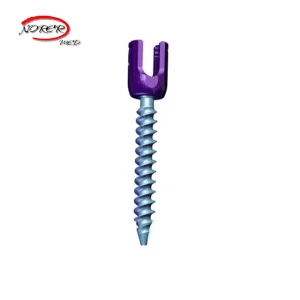
| Titanium Grade 5 ELI | ASTM F136 / ISO 5832-3 | 860 - 960 | Excellent strength-to-weight ratio, biocompatibility, low elasticity modulus. | Pedicle screws, spinal rods, intramedullary nails, cerclage cables. |
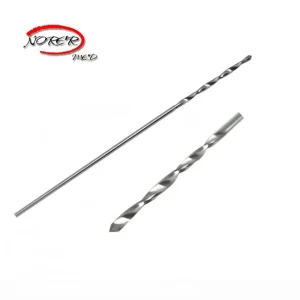
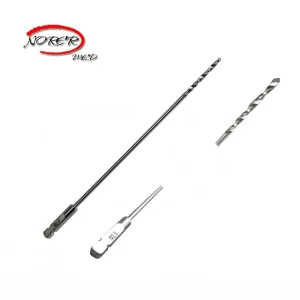
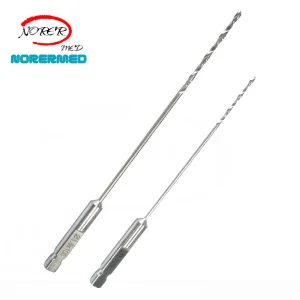
| 316LVM Stainless Steel | ASTM F138 / ISO 5832-1 | 490 - 1350 (Cold worked) | High mechanical strength, ease of manipulation, cost-effective. | K-wires, cerclage wires, bone plates, drill bits. |
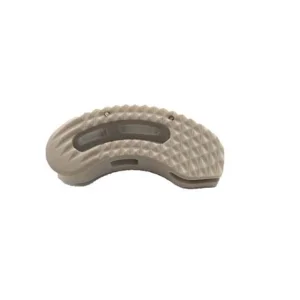
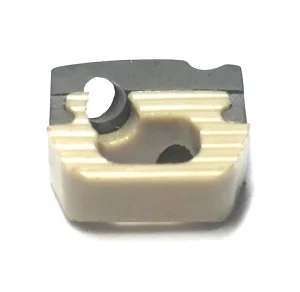
| PEEK Optima Polymer | ASTM F2026 | 90 - 100 | Radiolucent, modulus closely matching cortical bone structure. | Lumbar TLIF Cages, cervical fusion devices. |
| Nitinol (Nickel-Titanium) | ASTM F2063 | 800 - 1000 | Superelasticity, shape memory profile. | Orthodontic archwires, self-expanding vascular stents, suture anchors. |
From raw metallurgical melting to cleanroom packaging: The Maka Technical Excellence Protocol.
Using vacuum remelting procedures to eliminate inclusions and gaseous impurities in the raw titanium or stainless steel bar. Continuous precision diamond-die cold drawing systematically reduces outer diameter sizes while improving internal microstructural alignment.
Controlled temperature treatment cycle in specialized inert gas or vacuum ovens relieves mechanical stress induced by the drawing process. This stage ensures reliable tensile limits while preserving the necessary structural ductility for surgical bending maneuvers.
Acid cleaning removes oxides and surface carbon impurities. Electropolishing procedures flatten surface microscopic peaks, lowering surface roughness measurements to less than 0.4 microns. This smooth finish minimizes tissue adhesion risks during surgical implant extraction.
Finished surgical wires undergo ultrasonic cleaning steps using ultra-pure water. Packaging processes are executed inside ISO-classified cleanrooms to guarantee low bioburden levels, preparing the products for secure distribution to global healthcare facilities.
Key advancements shaping the next generation of surgical wire technology and bone fixations.
Magnesium-based (Mg-Zn-Ca) and zinc-based biodegradable metals are becoming viable choices. These wires decompose gradually inside the body as bone tissue heals, avoiding the need for a secondary retrieval procedure.
Integrating silver nanoparticles or copper ion matrices into wire surface structures through physical vapor deposition (PVD) helps control implant-associated bacterial infections, a primary cause of joint arthroplasty complications.
Combining metal wires with PEEK polymer components or 3D-printed porous titanium scaffolds. This hybrid approach helps distribute load stress dynamically, minimizing bone resorption and promoting rapid osseointegration.
Navigating global standards for orthopedic implant and device sourcing.
Medical products demand precise manufacturing tolerances. Because surgical wires are categorized under high-risk implant groups (Class IIa/IIb in CE jurisdictions, Class II/III under US FDA guidelines), manufacturing sites must maintain consistent regulatory compliance across key trade areas:
Strict adherence to ASTM F136/F138 metallurgical standards. Products must clear 510(k) premarket notification tracks and undergo biocompatibility testing under ISO 10993 requirements, including cytotoxicity and sensitization analyses.
Transitioning from MDD to MDR requires complete clinical evaluation reports (CER). Raw materials must be traced down to the specific smelting furnace batch, backed by certified chemical and mechanical testing certificates.
National validation protocols require localized technical translation dossiers, type-testing evaluation reports from accredited laboratories, and proof of quality management system compliance (typically ISO 13485 certification).
Detailed answers to complex procurement, metallurgical, and regulatory questions.
Verified profile data for Maka Medical Technology Co., Ltd.
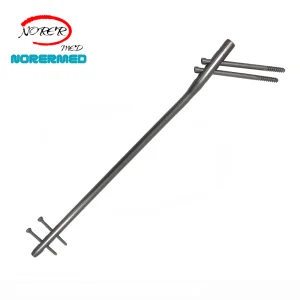
We are located in Changzhou city, CHINA. We are an Orthopedic Trauma bone plate, bone screw, orthopedic Interlocking nail, orthopedic spine pedicle screw, Cervical Plate, PEEK cervical & lumbar cage, and related equipment manufacturer.
Changzhou is a major manufacturing hub for orthopedics in China, providing us access to a highly integrated supply chain. This ecosystem allows us to source premium materials and use precision manufacturing techniques to produce reliable orthopedic hardware for our global customers.
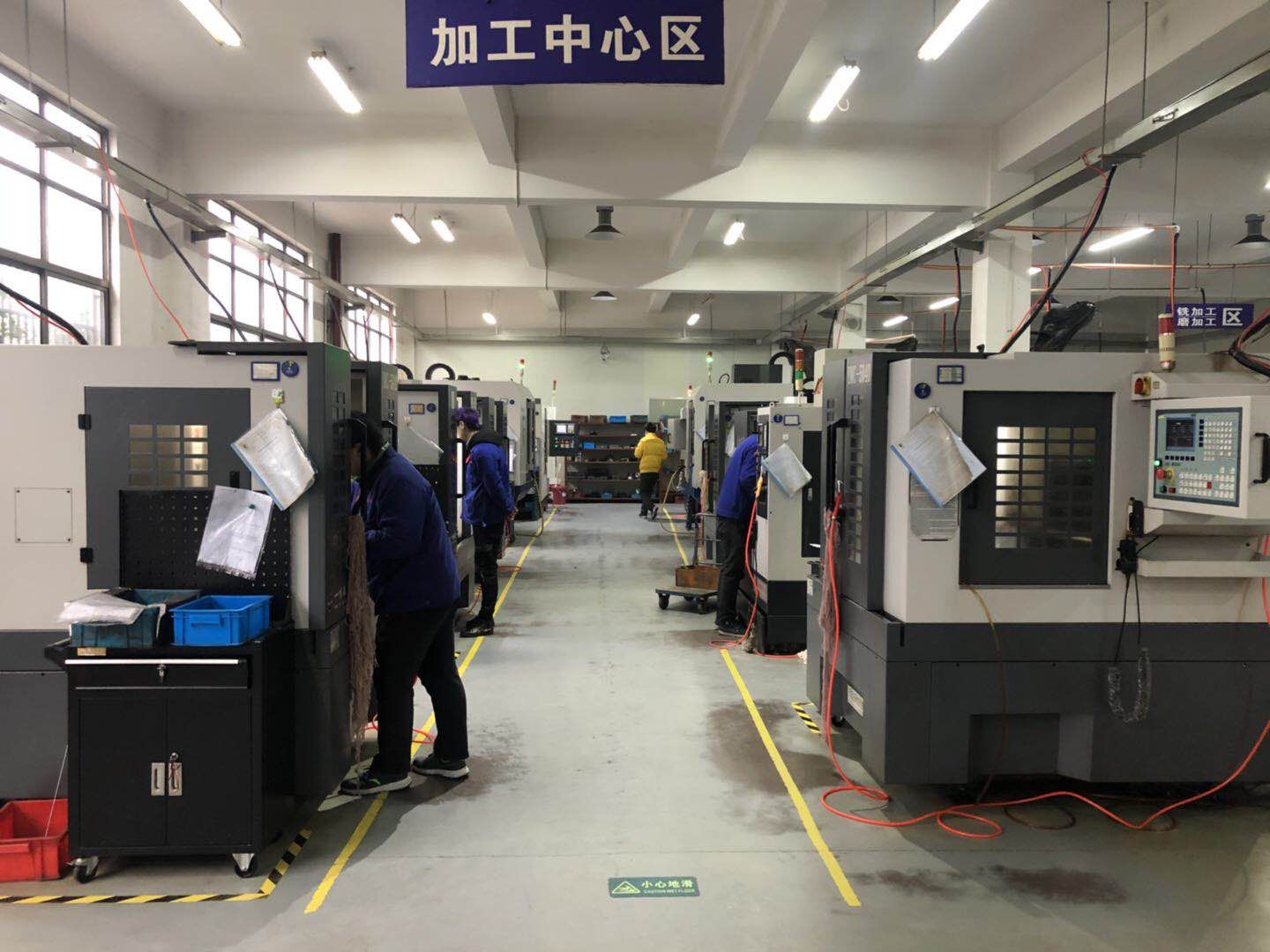
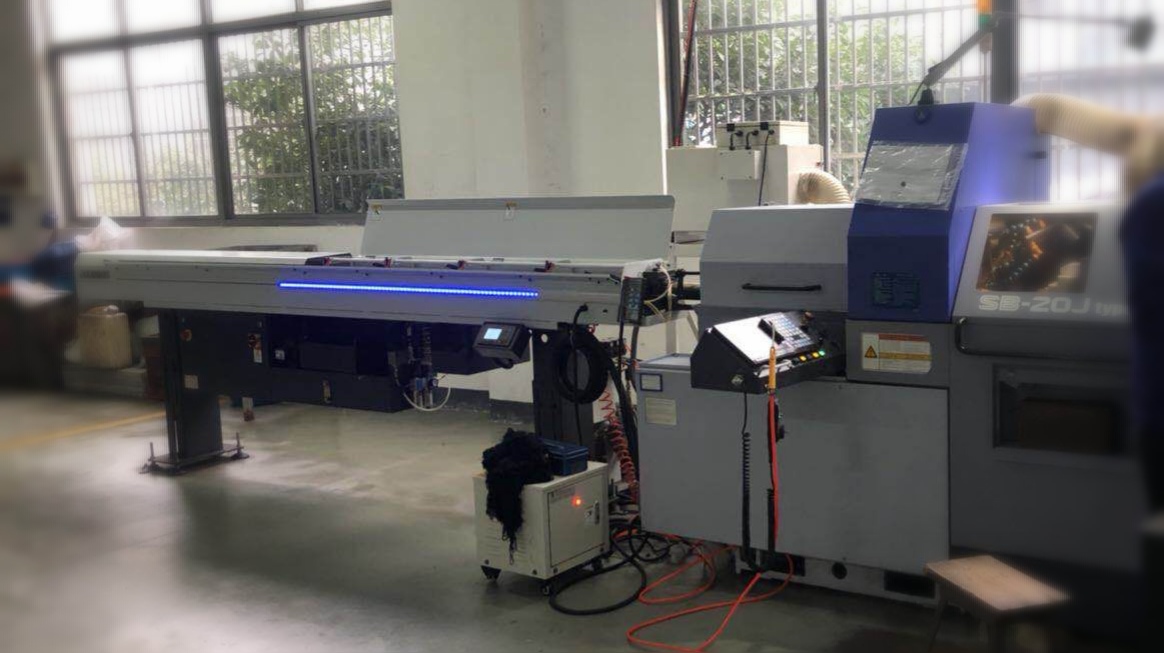
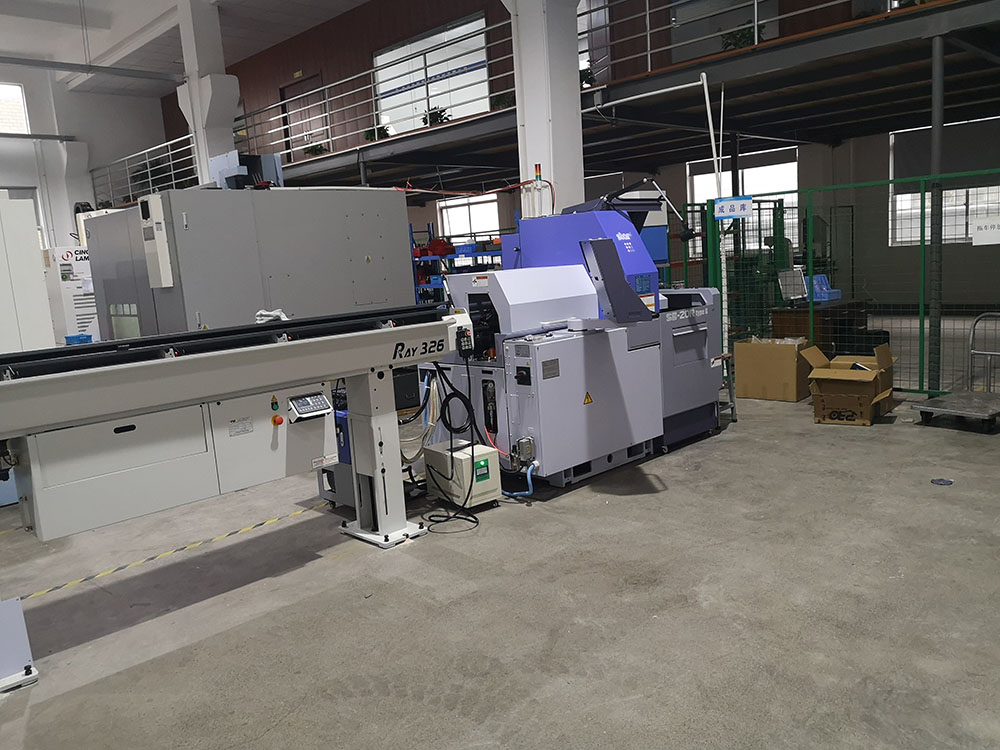
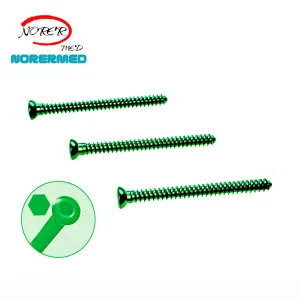
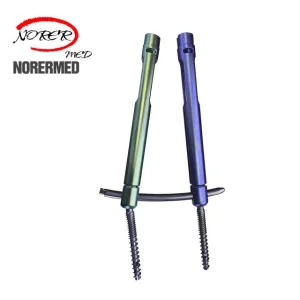
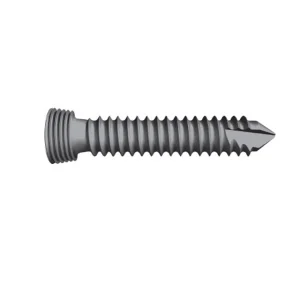
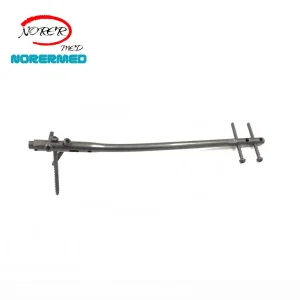
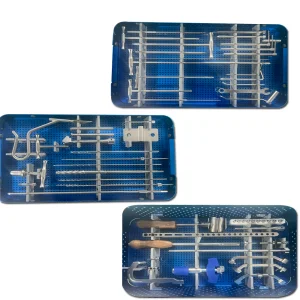
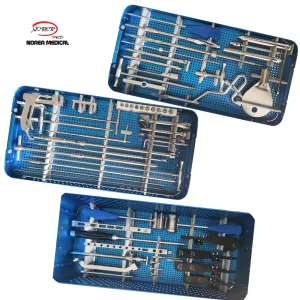
High-precision locking screws, tibial interlocking nails, spine components, and complete orthopedic instrument kits.