Maka Medical Surgical
Maka Medical Surgical
Maka Medical Surgical
High-precision trauma orthopedic and micro-structural implants manufactured with micron-level tolerances.
Ophthalmic surgery is defined by its demand for unparalleled, sub-micron precision. From cataract extractions to complex vitreoretinal operations, surgical outcomes are directly linked to the mechanical limits of the instrumentation. The global market for ophthalmic surgical instruments is experiencing rapid growth due to an aging population, rising rates of chronic ocular conditions, and the expansion of minimally invasive surgeries.
As surgeons adopt micro-incisional techniques, manufacturers face strict requirements: instruments must feature microscopic profiles, extreme tensile strength, and absolute biological compatibility. Materials such as Grade 5 Titanium (Ti-6Al-4V ELI) and ultra-hard medical stainless steels (316LVM) are critical to preventing flexing and degradation during micro-manipulations.
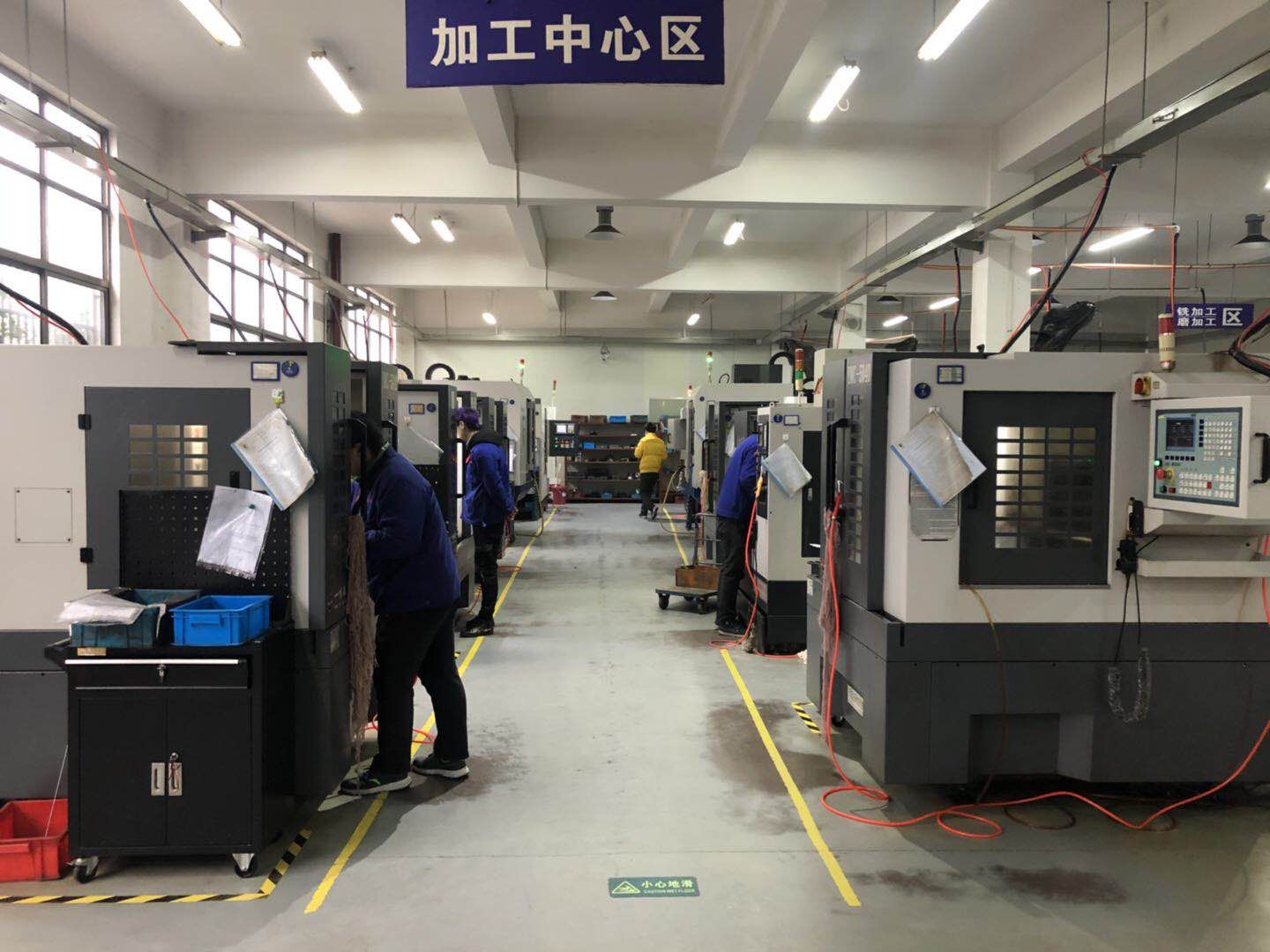
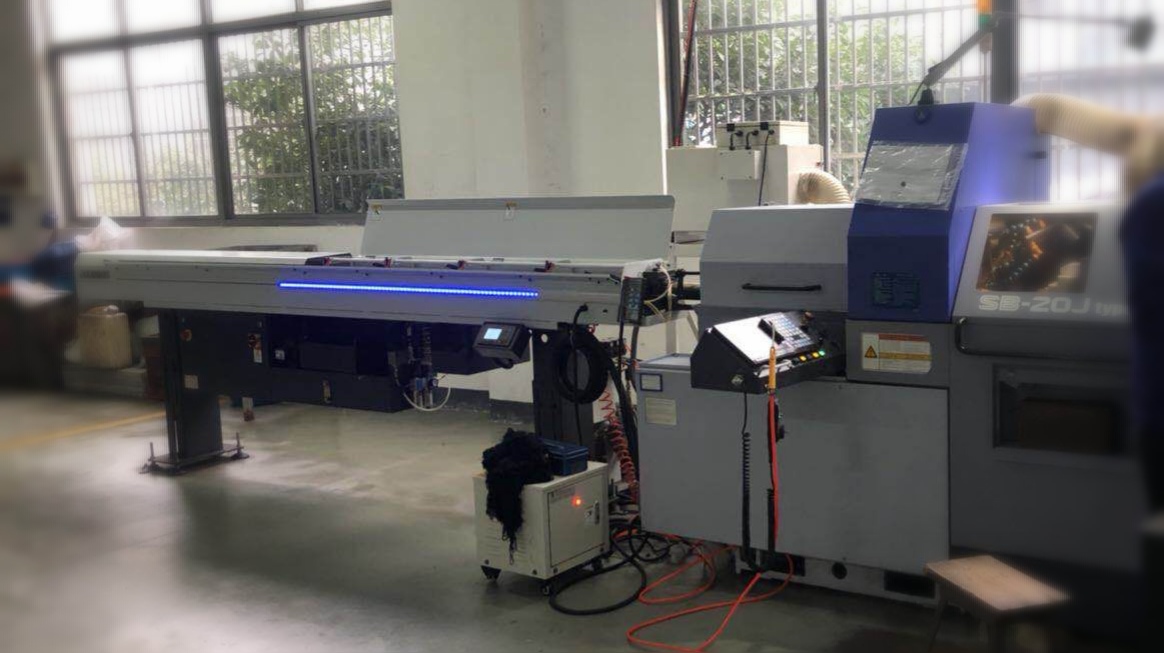
Utilizing high-end Swiss-type multi-axis lathe machines to achieve dimensional tolerances within ±0.005mm. Critical for fine tipped micro-scissors, precision cannulas, and micro-tweezers.
Selection of implant-grade titanium, biomedical alloys, and PEEK (Polyetheretherketone) material to ensure zero cytotoxicity, excellent corrosion resistance, and post-sterilization durability.
Aligned with ISO 13485 quality management systems, assuring trackability from raw material melt-batches to finished sterile-barrier ready surgical components.
China's surgical manufacturing industry, concentrated in high-tech medical industrial clusters like Changzhou, Jiangsu Province, offers unparalleled supply chain advantages. These clusters bring together raw steel and titanium processing, high-precision machining, custom surface coating, and sterile packaging under a single geographic infrastructure.
This integration significantly reduces lead times for complex custom OEM prototypes. Industrial capacity also allows cost-effective production of high-volume runs without compromising mechanical precision. The resulting manufacturing environment provides global distributors and OEM buyers with the rapid turnaround necessary to adapt to shifting regulatory demands and dynamic market environments.
Ensuring surgical precision across a range of highly sensitive environments, from micro-incisions to orthopedic trauma reconstructions.
Devices designed for sub-millimeter tissue management, including cataract extraction, corneal repair, and glaucoma drainage. High mechanical integrity is crucial for preventing instrument deflection during micro-manipulations, ensuring absolute safety for sensitive ocular structures.
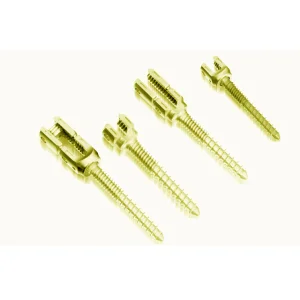
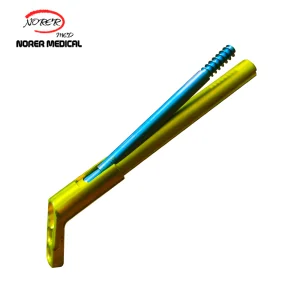
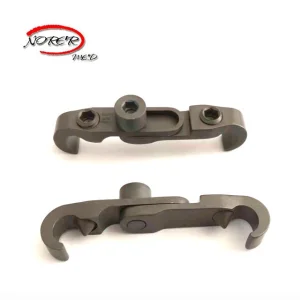
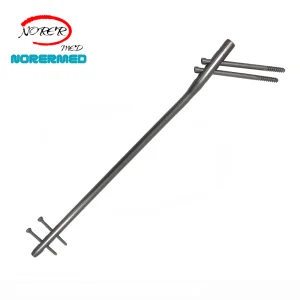
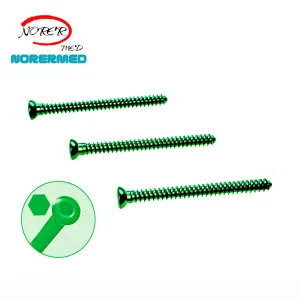
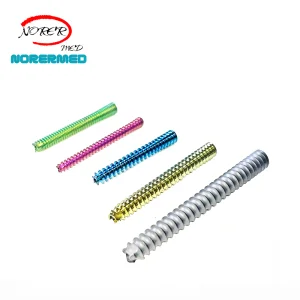
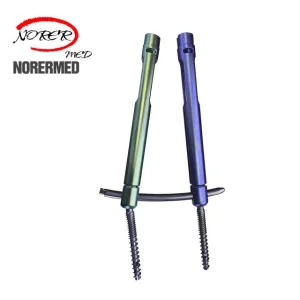
Heavy load-bearing implants including PFNA interlocking intramedullary nails, bone plates, and pedicle screws. These components require specialized metallurgical properties to withstand cyclic mechanical fatigue and facilitate rapid osseointegration.
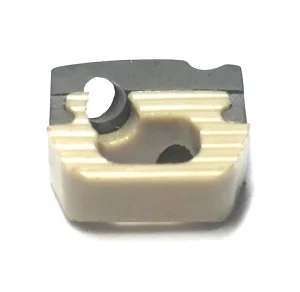
Adapting human implant designs to meet veterinary clinical requirements. Maka Medical provides specialized instrumentation, including PEEK ACIF cages and low-profile pedicle screws, designed specifically to accommodate animal anatomy and promote long-term surgical success.
Guarding device performance and reliability through strict quality controls, from raw material validation to final verification.
Every batch of titanium, PEEK, or stainless steel is verified through chemical analysis and tensile tests, guaranteeing complete traceability for critical medical devices.
Custom OEM designs undergo dynamic testing and load simulation to ensure performance under actual clinical conditions, minimizing the risk of intraoperative mechanical failure.
Utilizing non-destructive inspection techniques, visual dimension instrumentation, and profile projection to ensure that every critical tolerance aligns perfectly with the approved engineering design.
Technical answers regarding medical device OEM/ODM processing, certifications, lead times, and materials.
We primarily utilize medical-grade titanium alloys (such as Grade 5 / Ti-6Al-4V ELI) and implant-grade stainless steel (316LVM / ASTM F138). For spinal components and non-metallic cages, high-performance PEEK (Polyetheretherketone) is used due to its radiolucent properties and elastic modulus similar to human bone.
Yes. Maka Medical specializes in manufacturing custom devices to customer specifications. Clients can provide 2D/3D CAD models, or we can assist with reverse engineering based on functional prototypes, ensuring high accuracy and manufacturing scalability.
For standard prototyping, lead times typically range from 15 to 25 days depending on the geometric complexity of the component. Mass production lead times vary based on batch size and surface finishing requirements, typically falling between 30 and 45 days.
Our manufacturing and quality systems are aligned with ISO 13485 quality standards. We conduct comprehensive dimensional inspections, material traceability analysis, and cleaning validation processes to ensure all products meet international medical device requirements.
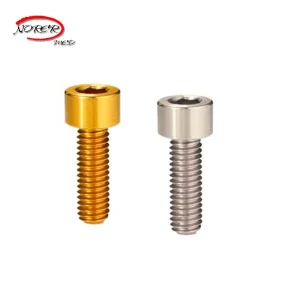
We offer a range of specialized surface finishing treatments, including electropolishing, type II/III anodizing (color coding for surgical identification), acid passivation, bead blasting, and laser etching for part numbers and batch tracking codes.
Yes. The materials, tolerances, and surface treatments meet human implant standards, making them highly suitable for both human orthopedic trauma procedures and specialized veterinary microsurgery applications.
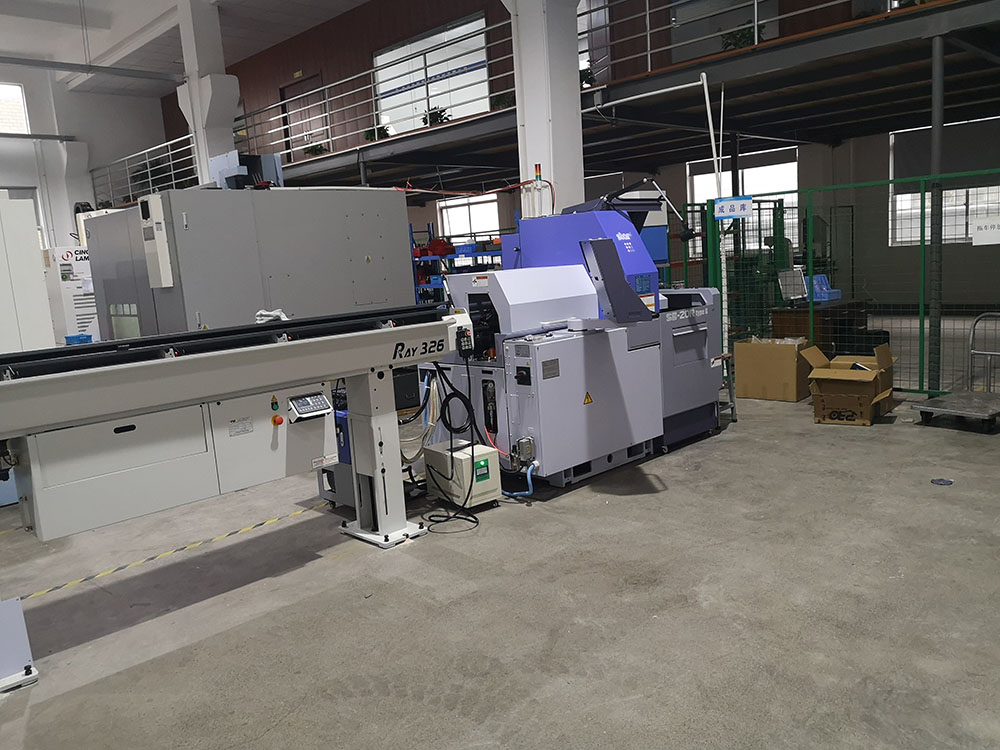
Visual overview of our factory environment, production systems, and precision machining technologies.
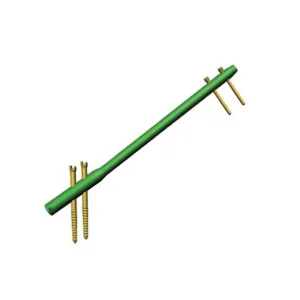
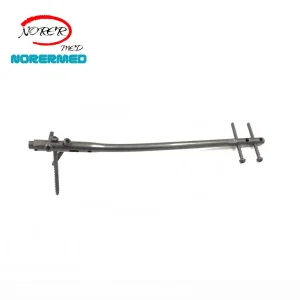
Additional custom-machined locking plates, crosslink rods, and specialized orthopedic systems for human and veterinary applications.