Maka Medical Surgical
Maka Medical Surgical
Maka Medical Surgical
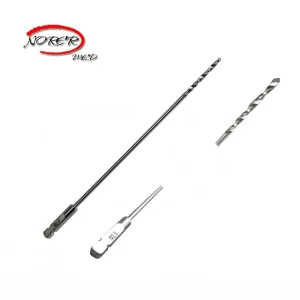
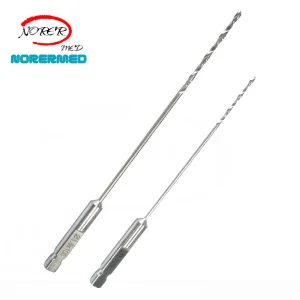
China Medical Orthopedic Stainless Steel Drill Bit With Quick Coupling
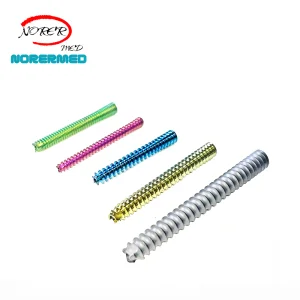
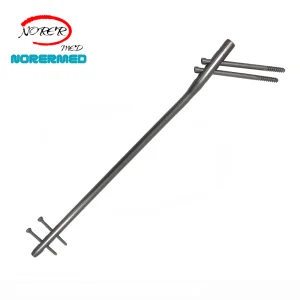
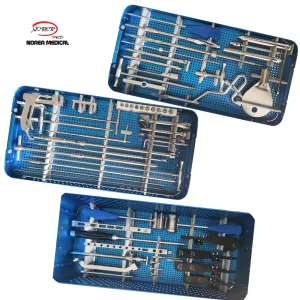
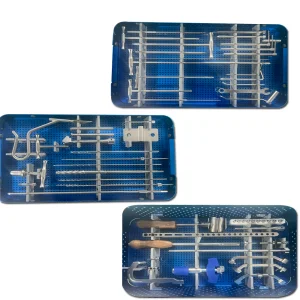
Orthopedic PFNA Interlocking Nails Instruments Kit Hip Joint Replacement Surgery (Tibial ,Femoral)
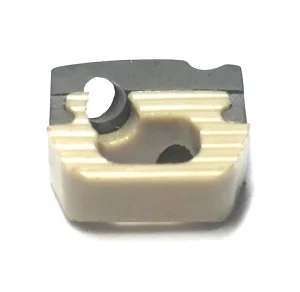
CHINA High Quality Veterinary Orthopedic ACIF PEEK Locking Infusion Cage for Cervical
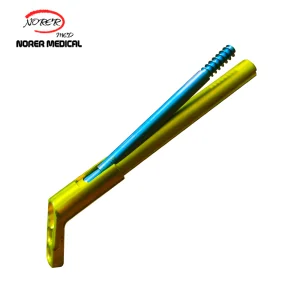
Orthopedic Titanium Femoral Neck Nail Plate Locking Screw System (FNS)- Bone Fixation Implant
In the rapidly advancing realm of orthopedic surgery, the demand for high-reliability, custom-engineered spinal fusion devices has escalated. Contract manufacturing and Original Equipment Manufacturer (OEM) alliances serve as the backbone of clinical translation, facilitating the conversion of raw metallurgical designs into biocompatible, mechanically optimized surgical solutions. OEM Spinal Fusion Device Factories and Suppliers hold a pivotal responsibility in maintaining strict adherence to mechanical tolerances and international regulatory pathways.
Modern spine surgeries require absolute precision. A variance of even a single micrometer in the thread pitch of a pedicle screw or the profile of an interbody cage can significantly impact osseointegration rates, structural stability, and patient safety. Because of these stakes, global medical companies seek manufacturing partners that combine technological innovation with robust Quality Management Systems (QMS).
The international market for spinal fusion implants—consisting of anterior cervical interbody cages, posterior lumbar fusion systems, transforaminal cages (TLIF), and pedicle screw assemblies—is experiencing strong growth. This trajectory is driven by a rising global geriatric population, a higher incidence of degenerative spinal disorders, and a growing demand for minimally invasive spine surgery (MISS) protocols.
Navigating the transition from MDD to EU MDR, alongside FDA 510(k) clearances and China NMPA registrations, requires OEMs to supply complete technical documentation, traceable raw material logs, and validated sterilization processes.
Medical distributors are moving away from single-source manufacturing. By building partnerships with specialized hubs in regions like Jiangsu, China, distributors can optimize production costs while ensuring technical compliance.
OEM structures allow medical brands to save on large capital expenditures for multi-axis CNC machines and cleanrooms. This enables companies to allocate capital toward clinical trials and market growth.
The development of spinal implants relies heavily on advances in material science. The choice between titanium alloys (such as Ti-6Al-4V ELI conforming to ASTM F136) and high-performance polymers (like PEEK-OPTIMA) shapes how devices are manufactured and how they perform clinically.
While titanium has excellent mechanical strength and biocompatibility, its smooth surfaces can sometimes delay bone integration. Advanced OEMs resolve this by applying acid etching, sandblasting, and plasma spraying. These methods create a micro-rough surface that encourages osteoblasts to adhere and build bone directly on the implant.
Polyetheretherketone (PEEK) is widely used due to its elastic modulus, which closely matches human cortical bone. This helps reduce stress shielding, a common cause of implant failure. PEEK’s radiolucency also allows surgeons to clearly monitor fusion progress on post-operative X-rays without metal artifacts.
The integration of Electron Beam Melting (EBM) and Direct Metal Laser Sintering (DMLS) has opened new doors for custom design. 3D-printed porous titanium cages mimic the natural cellular structure of trabecular bone, allowing bone graft material to grow directly through the implant.
Maintaining high quality in custom OEM orthopedic manufacturing requires a structured process control plan. We break down the manufacturing workflow into key phases:
All raw material rods and sheets are sourced with complete mill test certificates. Ultrasonic inspections verify there are no internal voids or structural defects in the medical-grade alloys before machining begins.
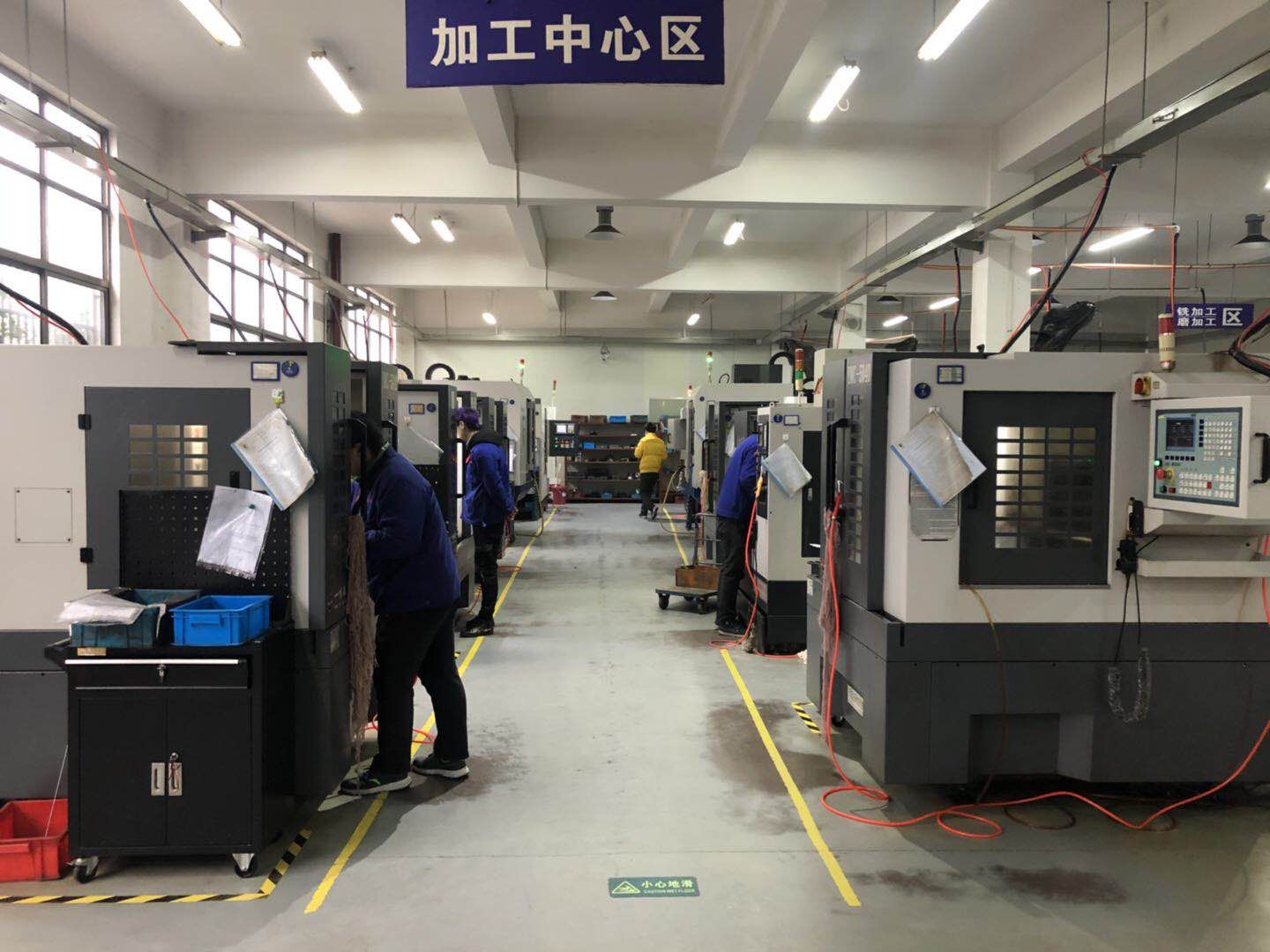
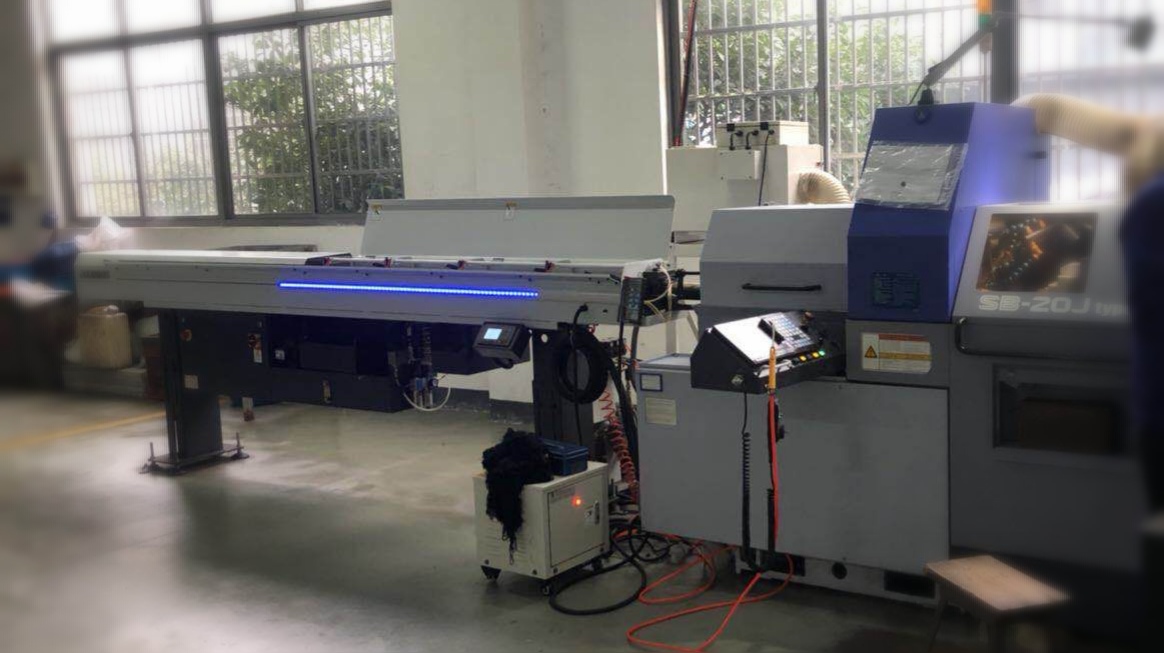
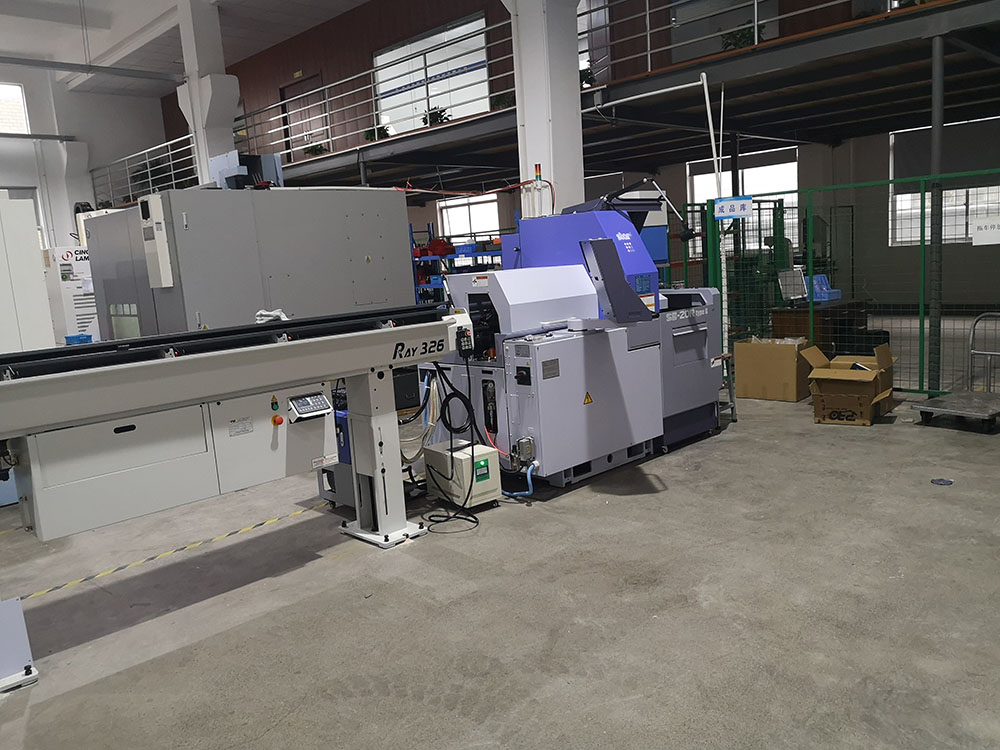
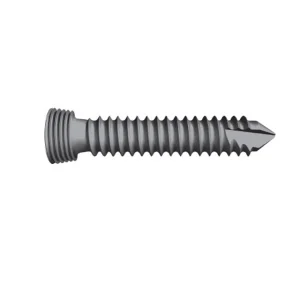
We utilize high-speed, multi-axis Swiss CNC turning and milling centers to achieve tolerances within ±5 microns. This precision is essential for matching the threads, locking mechanism interfaces, and drive features of pedicle screws.
Machined parts go through multi-stage ultrasonic cleaning cycles to remove cutting oils and particulates. Nitric or citric acid passivation is then used to build a protective chrome oxide layer, improving corrosion resistance.
Coordinate Measuring Machines (CMM) and optical comparators verify the geometry of each batch. Mechanical pull-out, torsion, and fatigue testing are conducted in accordance with ASTM F1717 and ASTM F2077 standards.
Spinal fusion configurations vary significantly depending on localized clinical preferences and regional patient demographics. A successful OEM partner must understand these nuances to provide tailored manufacturing solutions.
In these highly regulated markets, there is a strong focus on instrument-implant compatibility and streamlined surgical workflows. Hospitals increasingly request single-use, pre-sterilized implant kits. This approach helps reduce CSSD (Central Sterile Services Department) costs and lowers the risk of hospital-acquired infections. OEM manufacturers must adapt by supplying complete packaging systems that are ready for immediate clinical use.
Emerging markets require a balance of cost-efficiency and clinical versatility. For these regions, modular systems that can adapt to different patient anatomies are highly valued. Our pedicle screw and crosslink designs are engineered to be versatile, allowing surgical teams to configure constructs for diverse surgical requirements without needing excessive instrument inventory.
Veterinary neurosurgery is advancing rapidly. Specialized implants, such as custom PEEK locking cages and mini-pedicle screws, are increasingly needed for canine cervical and lumbar stabilization. Adapting human-grade implants to these specialized veterinary sizes represents a growing, high-margin sector for distributors worldwide.
We are located in Changzhou city, CHINA. We are a specialized manufacturer of orthopedic trauma bone plates, bone screws, orthopedic interlocking nails, orthopedic spine pedicle screws, cervical plates, PEEK cervical & lumbar cages, and related surgical instruments.
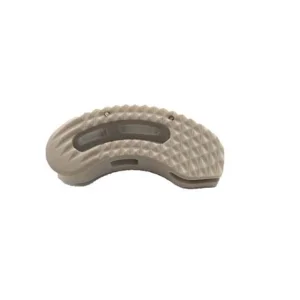
Chinese High Quality Veterinary Orthopedic PEEK Lumbar TLIF Cage
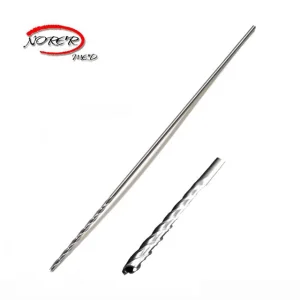
China Medical Orthopedic Stainless Steel Cannulated Drill Bit
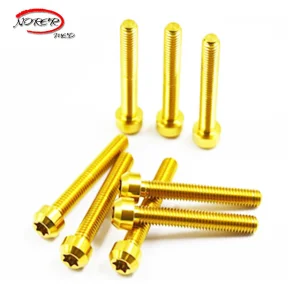
Chinese Titanium Screw Machining Production Manufacture Titanium Rod
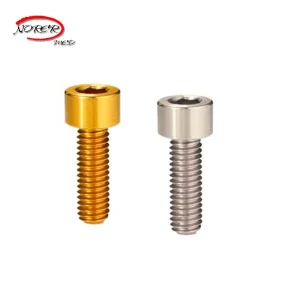
CHINA Manufacturer Metal Alloy Screw Machining Production Manufacture
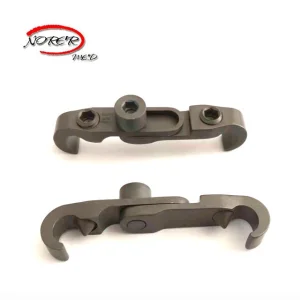
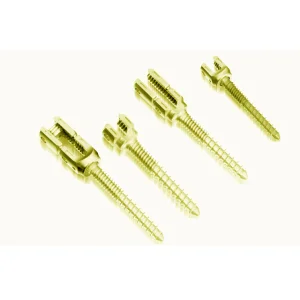
Veterinary Orthopedic Titanium Monoaxial Pedicle Screw for Spinal Fixation