Maka Medical Surgical Maka Medical Surgical

Custom OEM Spinal Instrumentation Manufacturers & Exporters

Clinical-Grade Titanium Implants & Surgical Assemblies. Standard-Setting ISO 13485 Manufacturing for Global Orthopedic Distributors.

Industry Brief

The Global Landscape of Spinal Instrumentation

The global market for spinal surgery device manufacturing is undergoing a paradigm shift driven by aging demographics, expanding indications for minimally invasive surgery (MIS), and a demand for cost-effective medical supply chains. Spinal instrumentation—encompassing pedicle screws, rods, crosslinks, interbody cages, and anterior plates—represents one of the most technologically demanding sub-sectors of orthopedic manufacturing. Achieving long-term mechanical stability while ensuring biocompatibility requires precision materials engineering and strict adherence to international regulatory frameworks.

"Global clinical demand is rapidly pivoting from standardized monolithic implants toward specialized, patient-specific geometry and modular systems designed to reduce operative time and mitigate revision rates."

1. Key Biomechanical Trends Shaping Spinal Care

Modern spinal surgical practices depend on devices that balance structural stiffness with biological integration. Key developments include:

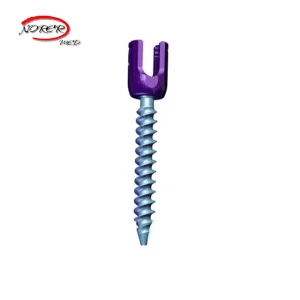
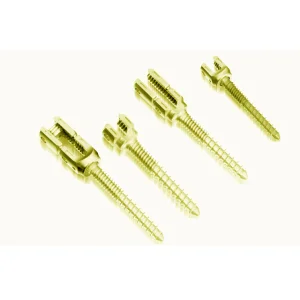
  • Minimally Invasive Surgery (MIS) Optimization: Implants and instruments must fit smaller incision corridors. Polyaxial screws with integrated reduction towers and cannulated pathways are now standard, enabling percutaneous placement without compromising pull-out strength.
  • Surface Bioactivity: Advanced titanium surface treatments (acid-etching, sandblasting, and anodic oxidation) generate micro- and nano-structured topographies. These modifications accelerate osseointegration, creating a direct structural connection between living bone and the implant.
  • Material Innovation: High-performance plastics like Polyetheretherketone (PEEK) are widely utilized in interbody fusion cages due to their radiolucency and elastic modulus, which closely mirrors human trabecular bone. Concurrently, Ti-6Al-4V ELI (Extra Low Interstitial) alloy remains the gold standard for load-bearing stabilization rods and screw assemblies.

2. Technical Specifications of High-Performance Orthopedic Materials

To ensure high performance under cyclic loading, OEM manufacturers must maintain tight control over material chemistry and mechanical performance. Below is a comparison of standard alloys used in spinal and orthopedic instrumentation:

Material Standard Composition / Grade Tensile Strength (MPa) Yield Strength (MPa) Primary Clinical Application
ASTM F136 / ISO 5832-3 Ti-6Al-4V ELI (Grade 23) ≥ 860 ≥ 795 Pedicle screws, spinal rods, anatomical locking plates, crosslinks
ASTM F2026 PEEK (Polyetheretherketone) 90 - 100 N/A Lumbar & cervical interbody cages, radiolucent space maintainers
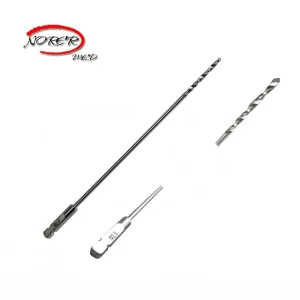
ASTM F138 / ISO 5832-1 316LVM Stainless Steel ≥ 860 ≥ 690 Temporary fixation devices, intramedullary nails, guide wires, drills

Maka Medical Technology Co., Ltd.

Maka Medical Technology Co., Ltd. (located in Changzhou City, Jiangsu Province, China) is an established developer and manufacturer of orthopedic implants and specialized instrumentation. Operating in the orthopedic manufacturing corridor of China, we provide OEM and ODM manufacturing services to medical device distributors and brand owners globally.

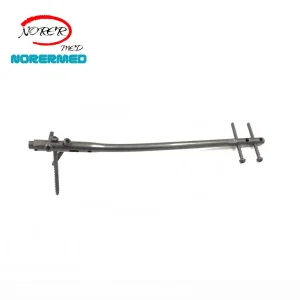
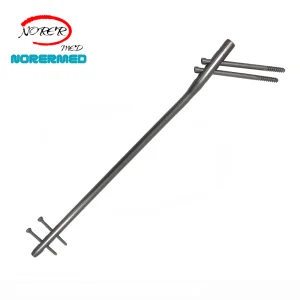
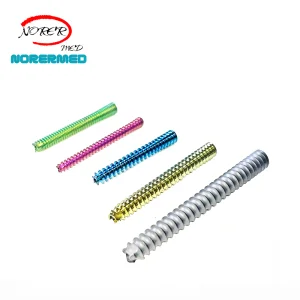
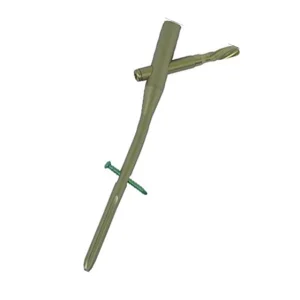
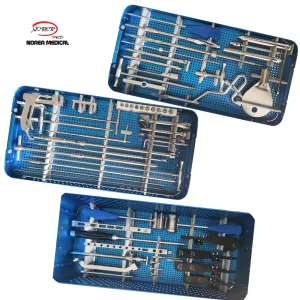
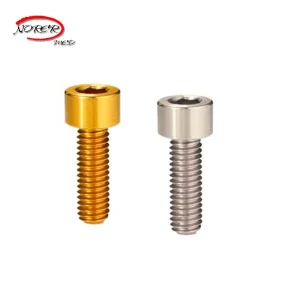
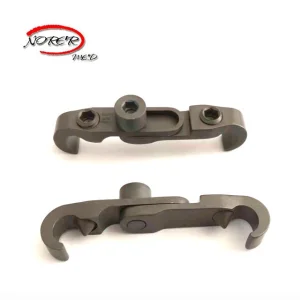
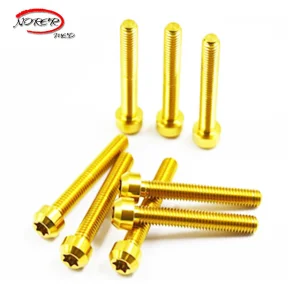
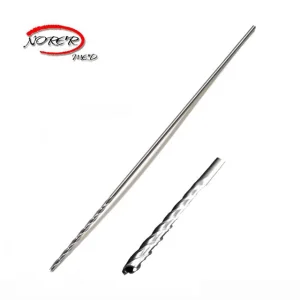
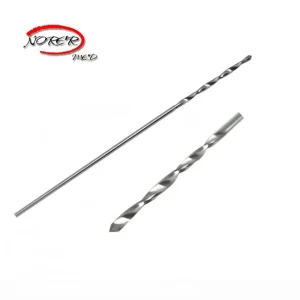
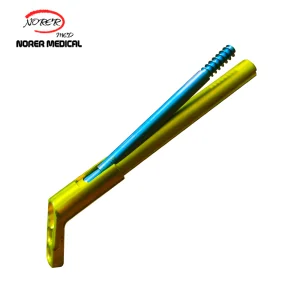
Our comprehensive production program includes Orthopedic Trauma Bone Plates, Bone Screws, Orthopedic Interlocking Nails, Orthopedic Spine Pedicle Screws, Cervical Plates, PEEK Cervical & Lumbar Cages, and matching surgical instrument sets.
10+
Years Industry Presence
ISO 13485
Quality Management
11 - 50
Specialized Employees
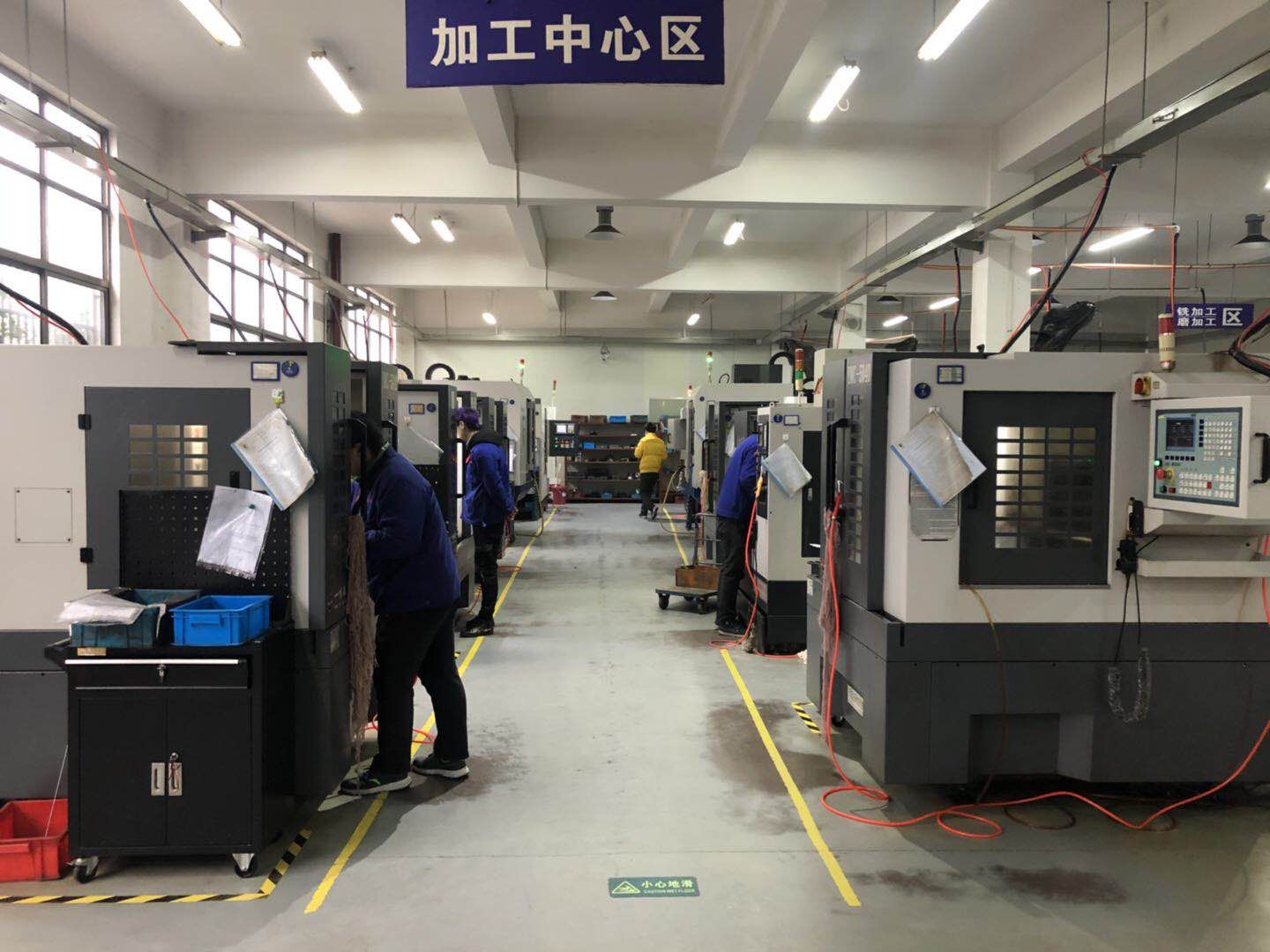
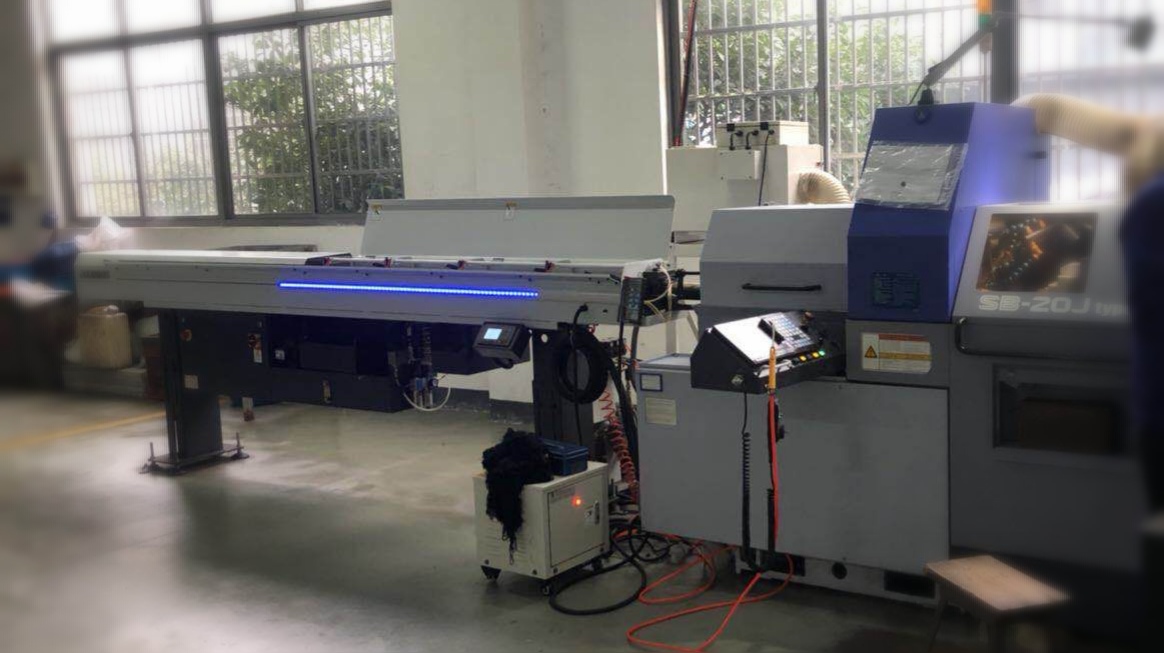
Maka Medical Production Line Precision CNC Machining Facility

China Factory 4.0: Supply Chain Resilience & Efficiency

Medical device sourcing managers face complex challenges: rising costs, strict regulatory audits, and the need for shorter lead times. The Changzhou medical manufacturing cluster addresses these demands by offering integrated material sourcing, precision machining, and surface treatment capabilities in one location.

At Maka Medical, we utilize modern manufacturing practices to achieve traceably high quality at scale:

  • Swiss-Type Precision CNC Machining: Our multi-axis CNC machines enable single-setup machining of complex pedicle screw threads and cannulated components. This reduces dimensional variance to within ±0.005mm.
  • Closed-Loop Quality Control: Every batch undergoes raw material spectral verification, laser-dimension checks, and destructive testing (torque strength and pull-out resistance) in compliance with ASTM F1717 and ASTM F543.
  • Integrated Surface Modification: In-house cleanrooms and automated passivation systems ensure every implant is free from residual machining oils, providing a clean surface that supports biological fixation.

Regulatory Compliance & Engineering Standards

Our commitment to regulatory transparency, mechanical validation, and cleanroom packaging supports global supply chain integrity.

ISO 13485 Certified QMS

Our quality system is structured specifically for medical device manufacturing, ensuring trace documentation from raw bar stock to finished, packaged implants.

OEM/ODM Customization

We work from customer drawings or physical samples to optimize product design for manufacturing (DFM), modifying thread profiles, pitch, and drive interfaces to specifications.

Veterinary Fixation Lines

We supply specialized implants for veterinary orthopedics, offering scaled-down pedicle screws and fixation systems optimized for small-animal spinal stabilization.

Global Sourcing & Compliance in Orthopedics

Procuring spinal instrumentation demands high transparency from manufacturing partners. Because these implants remain in the human body for years, or even decades, sourcing departments must audit quality controls continuously. Key procurement priorities include:

  • MDR & FDA Alignment: Evolving regulations—including the transitioning of the European Medical Device Regulation (EU MDR 2017/745) and strict FDA 510(k) clearance requirements—require complete technical documentation and clinical evaluation reports.
  • Supply Chain Transparency: Buyers require trace documentation for raw materials. Sourcing from accredited melt shops with ISO 5832-3 certifications ensures the absence of mechanical defects or heavy metal contamination in the titanium matrix.
  • Validation of Secondary Processes: Special attention is paid to cleaning and passivation processes, which must prevent postoperative aseptic loosening caused by particulate contaminants. Sourcing partners must validate these steps to international standards.

Additionally, the demand for veterinary spinal implants is expanding. As veterinary medicine evolves to include advanced stabilization procedures for canine and feline patients, manufacturers are adapting human-grade materials for veterinary-specific orthopedic designs.
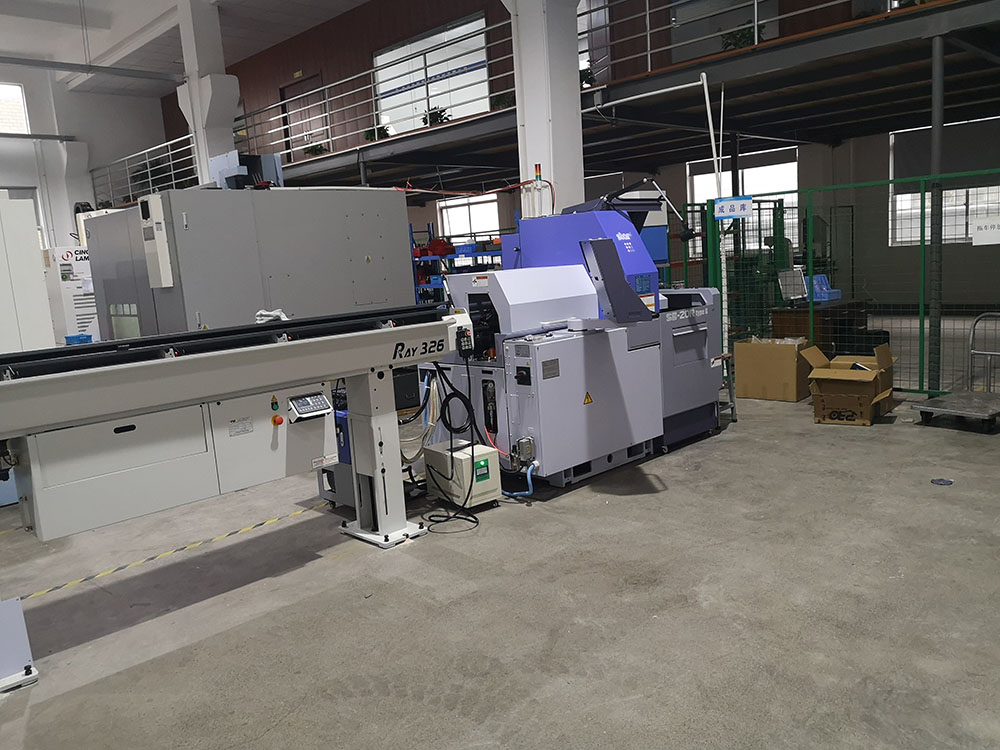
Maka Medical Quality Control Center

Frequently Asked Sourcing Questions (FAQ)

What raw material standards do you use for spinal pedicle screws and plates?
We manufacture implantable components using Titanium Grade 5 ELI (Ti-6Al-4V conforming to ASTM F136 / ISO 5832-3) and PEEK polymer conforming to ASTM F2026. For surgical tools and select temporary implants, we utilize vacuum-arc remelted 316LVM Stainless Steel (conforming to ASTM F138 / ISO 5832-1) to ensure corrosion resistance and mechanical strength.
Can Maka Medical support custom OEM / ODM spinal instrumentation requests?
Yes. We provide complete OEM/ODM production services. Customers can provide engineering drawings (IGES, STEP, or DWG formats) or physical samples. Our engineering team assists with Design for Manufacturability (DFM) optimization to ensure efficient toolpaths, consistent thread geometry, and clean surface finishes.
What quality certifications does Maka Medical hold?
We operate under an ISO 13485 certified quality management system specifically for medical devices. Our manufacturing processes, from raw material inspection through machining, surface passivation, and cleanroom packaging, are documented to support regulatory submissions.
How do you verify the mechanical integrity of your spinal implants?
We conduct mechanical testing in accordance with ASTM guidelines, including ASTM F1717 (for spinal implant construct assemblies) and ASTM F543 (for medical bone screws). We monitor tensile strength, fatigue resistance, torsional yield strength, and insertion torque to ensure mechanical reliability under physiological loads.
Do you manufacture implants for veterinary spinal surgeries?
Yes. We supply specialized veterinary spinal screws, locking plates, and intramedullary nails. These implants are manufactured to the same material standards as our human implants, with dimensions scaled for small-animal surgeries.
What are your typical production lead times and MOQs?
Lead times range from 4 to 8 weeks, depending on order volume and the complexity of the design. Minimum order quantities (MOQs) depend on the item type; standard titanium screws have flexible MOQs, while custom assemblies are determined based on raw material batch requirements.