Maka Medical Surgical
Maka Medical Surgical
Maka Medical Surgical
Explore our precision-engineered selection of orthopedic and spine implants designed for veterinary and human surgical applications.
The medical device manufacturing sector has undergone a paradigm shift. Today, global healthcare brand owners, medical distributors, and veterinary hospital networks no longer rely solely on vertically integrated in-house production. Instead, they increasingly seek partnerships with highly specialized OEM (Original Equipment Manufacturer) and ODM (Original Design Manufacturer) factories. This shift is driven by the complex regulatory landscapes (such as EU MDR and US FDA guidelines) and the escalating need for rapid, cost-effective product development cycles.
In the high-precision fields of orthopedic trauma, spinal surgery, and veterinary orthopedics, the stakes are elevated. Implants such as pedicle screws, interlocking intramedullary nails, and bio-absorbable interbody cages are subjected to immense mechanical stresses inside biological systems. Manufacturing these components requires not only advanced metallurgical capabilities but also strict adherence to microbiological cleanroom standards, rigorous material traceability, and state-of-the-art dimensional control.
For procurement offices, establishing a reliable supply chain pipeline with an experienced OEM/ODM partner is a critical step in managing operational risk. When evaluating a potential factory partners, global buyers look closely at material sourcing certificates (specifically medical-grade Titanium alloys and specialized polymers like PEEK), machining precision (sub-micron level tolerances), and standard operating procedures (SOPs) that ensure consistent quality across thousands of production runs.
Jiangsu province, particularly the city of Changzhou, has long established itself as the premier hub for orthopedic research and manufacturing in Asia. The geographic concentration of specialized steel mills, CNC machining manufacturers, surface treatment facilities, and sterilization facilities forms a comprehensive ecosystem that directly translates into competitive advantages for overseas buyers.
This regional network allows factories to execute rapid prototyping, execute tooling modifications in days rather than weeks, and optimize raw material costs. When sourcing from this cluster, buyers benefit from integrated supply chains where raw materials like titanium rod bars (Grade 5 ELI, ASTM F136) and PEEK polymers (ASTM F2026) are routinely processed, tested, and certified.
Furthermore, the localized logistics infrastructure is optimized for medical-grade cargo, ensuring secure packaging and swift customs processing. This concentration of expertise allows Chinese OEM manufacturers to offer short lead times for high-demand components like tibial locking nails, cortical screws, and specialized surgical drill bits.
By nesting production within a specialized industrial zone, cross-functional engineering teams can move products from design validation to initial clinical trials far faster than geographically fragmented supply chains.
Understanding the mechanical properties and clinical profiles of modern orthopedic biomaterials.
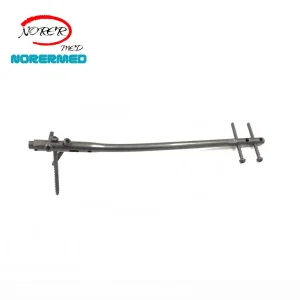
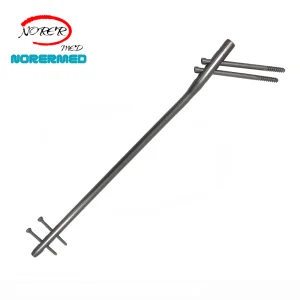
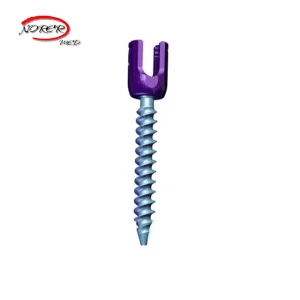
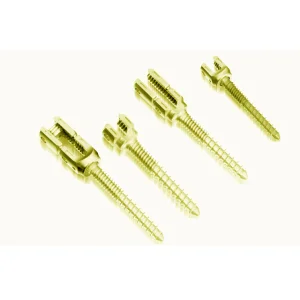
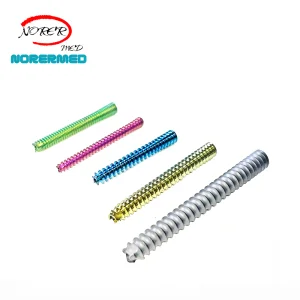
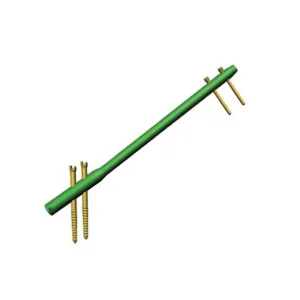
Utilized extensively for load-bearing applications like the Titanium Orthopedic Tibial Interlocking Nail and monoaxial/polyaxial pedicle screws. Offers exceptional strength-to-weight ratio, superior fatigue resistance, and high biocompatibility, conforming to ASTM F136 international standards.
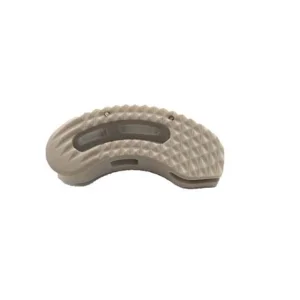
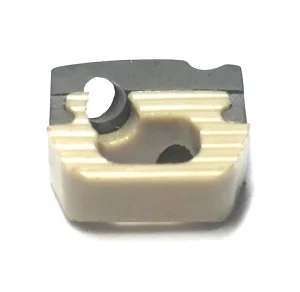
Primarily specified for interbody fusion hardware such as the PEEK Locking Infusion Cage for Cervical or lumbar TLIF cages. PEEK features an elastic modulus highly matching human cortical bone, reducing stress shielding and providing excellent radiolucency for post-operative X-ray imaging.
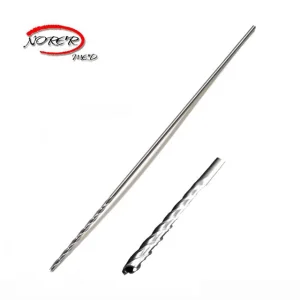
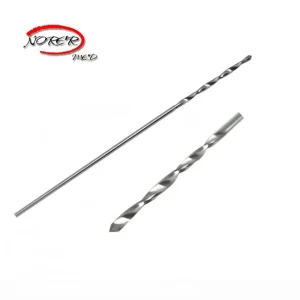
Selected for cutting instruments and precision drilling accessories, including the Medical Orthopedic Stainless Steel Cannulated Drill Bit. This alloy delivers the necessary surface hardness, corrosion resistance, and edge retention for clean bone resection.
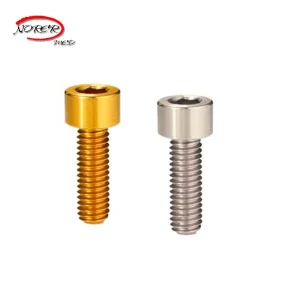
The surgical requirements for veterinary patients have evolved rapidly, mimicking the clinical pathways established in human medicine. Implants designed for canine, feline, and equine orthopedic procedures require the same degree of biological safety and structural performance. Products like the Veterinary Orthopedic PEEK Lumbar TLIF Cage and monoaxial pedicle screws must prevent migration while encouraging stable fusion under varying physiological loads.
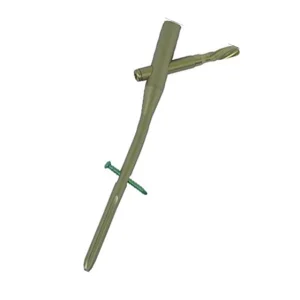
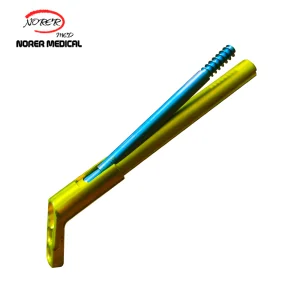
Unlike human patients, veterinary subjects cannot vocalize pain or comply with strict post-operative movement limitations. Consequently, the fixation stability of interlocking nails (such as the PFNA system) and trauma plates must be designed with higher safety factors. Anodization processes and passivated surfaces are standard to minimize microbial adhesion and maximize biocompatibility.
As an OEM/ODM manufacturer, Maka Medical Technology Co., Ltd. customizes existing human orthopedic implants for veterinary use. This involves adjusting dimensions, screw pitches, and thread configurations to match the specific anatomical profiles of different animal breeds. This flexible engineering capability is essential for modern veterinary surgery clinics and global medical distributors.
A visual look inside our facility operations, packing, and precision machining departments.
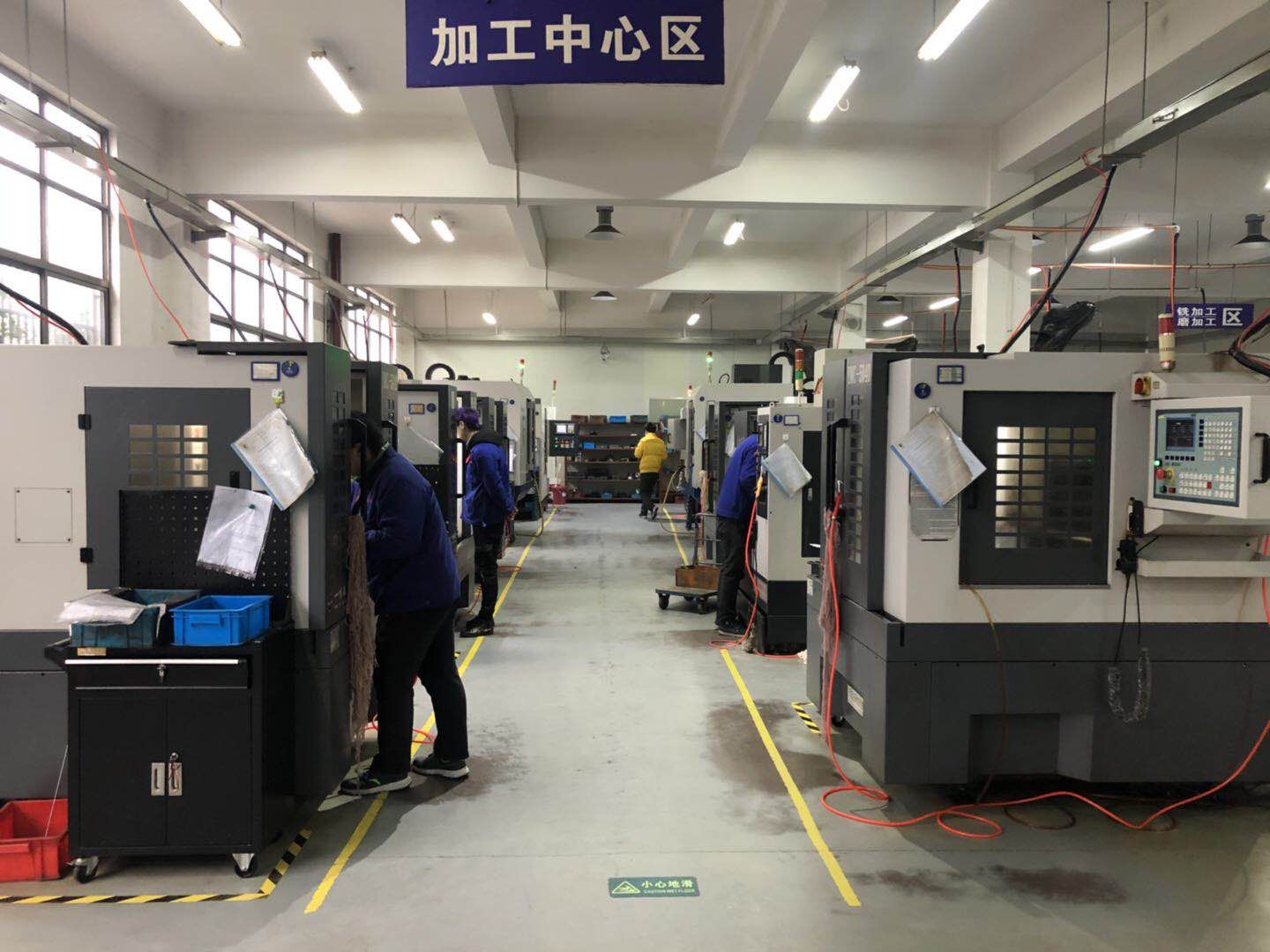
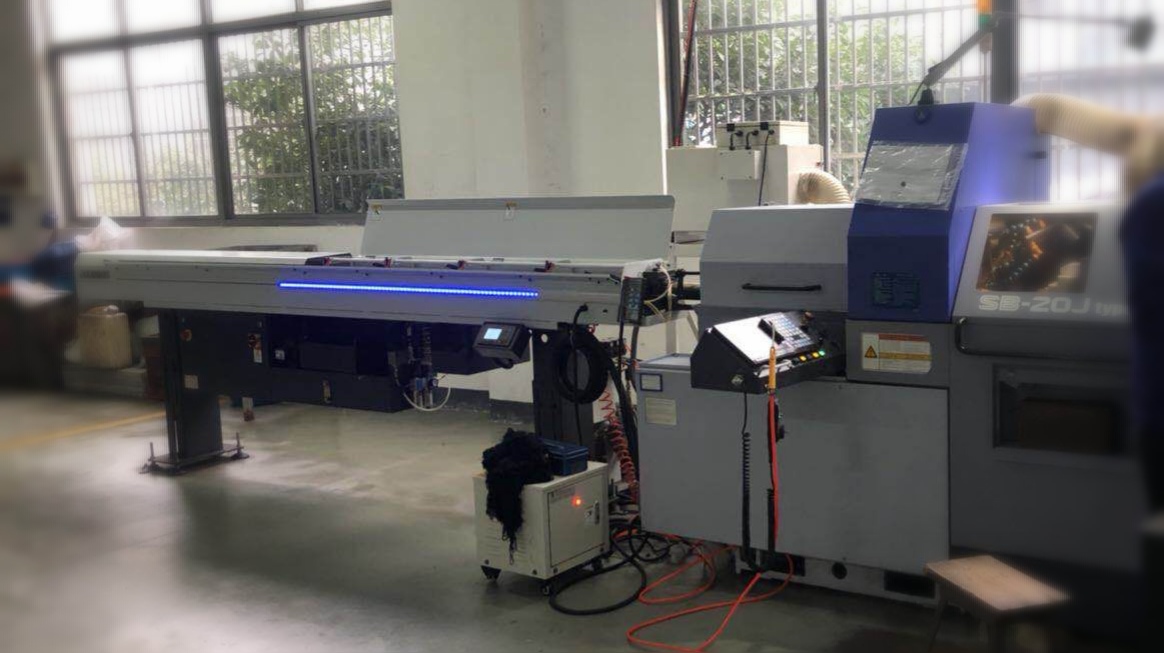
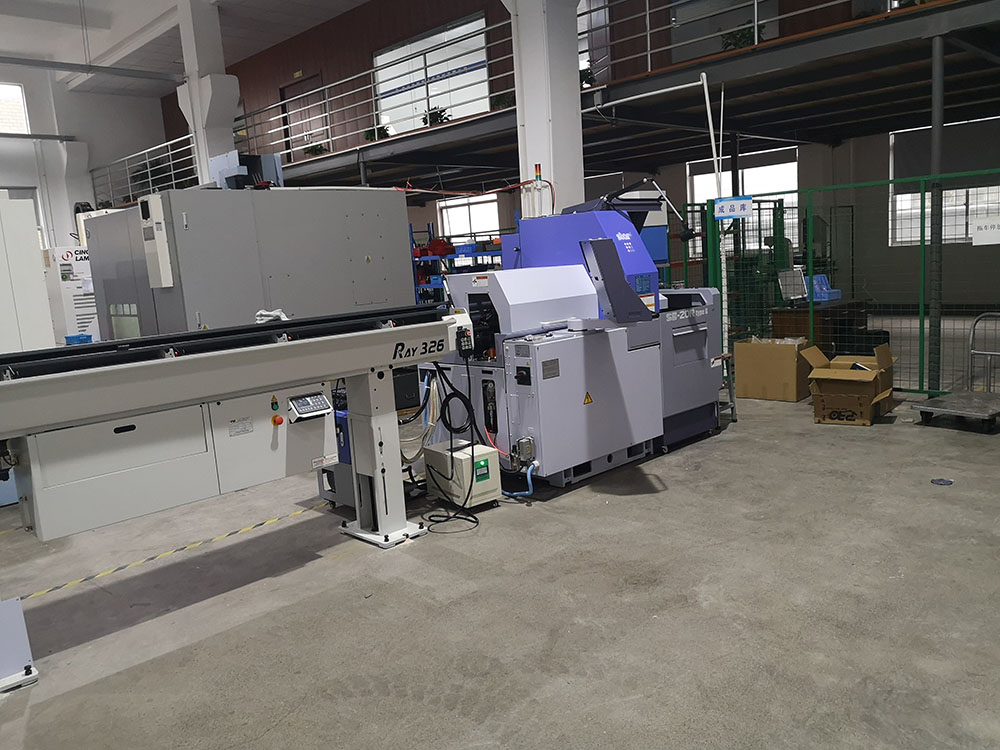
We are located in Changzhou city, CHINA. We are an established Orthopedic Trauma bone plate, bone screw, orthopedic Interlocking nail, orthopedic spine pedicle screw, Cervical Plate, PEEK cervical & lumbar cage and related equipments manufacturer. Our dual capability as a direct producer and an experienced trading partner ensures that our clients receive verified raw materials, advanced CNC milling operations, and seamless export/import logistics.
Answering key questions on quality control, regulatory approvals, raw material validation, and logistics.
Browse our complete catalog of surgical screws, spine fixation units, and specialized joint reconstruction systems.