Maka Medical Surgical
Maka Medical Surgical
Maka Medical Surgical
Explore our flagship range of precision-engineered implants & components
Maka Medical Technology Co., Ltd., based in the world-renowned medtech manufacturing corridor of Changzhou City, Jiangsu, China, is a leading-edge designer, manufacturer, and supplier of advanced trauma osteosynthesis and spinal reconstruction solutions.
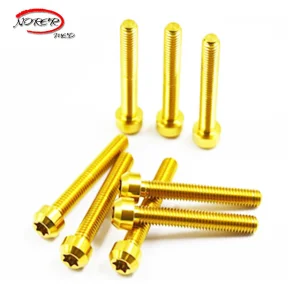
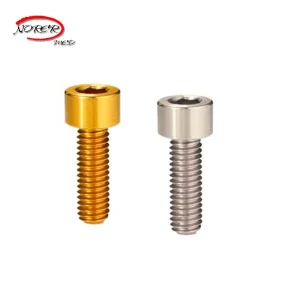
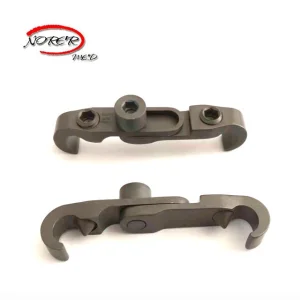
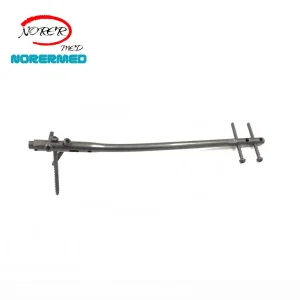
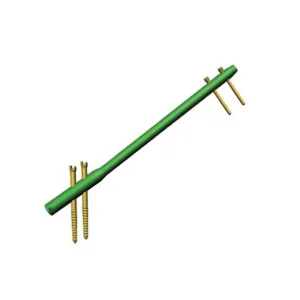
Leveraging deep industrial partnerships and state-of-the-art manufacturing facilities, Maka Medical bridges the gap between sophisticated bioengineering and cost-effective contract manufacturing. Our focus covers internal fixation systems, orthopedic trauma bone plates, locking and non-locking bone screws, tibial & femoral interlocking nails, pediatric and adult spinal systems (pedicle screws & crosslink rods), cervical anterior plates, and highly advanced PEEK cervical/lumbar cages.
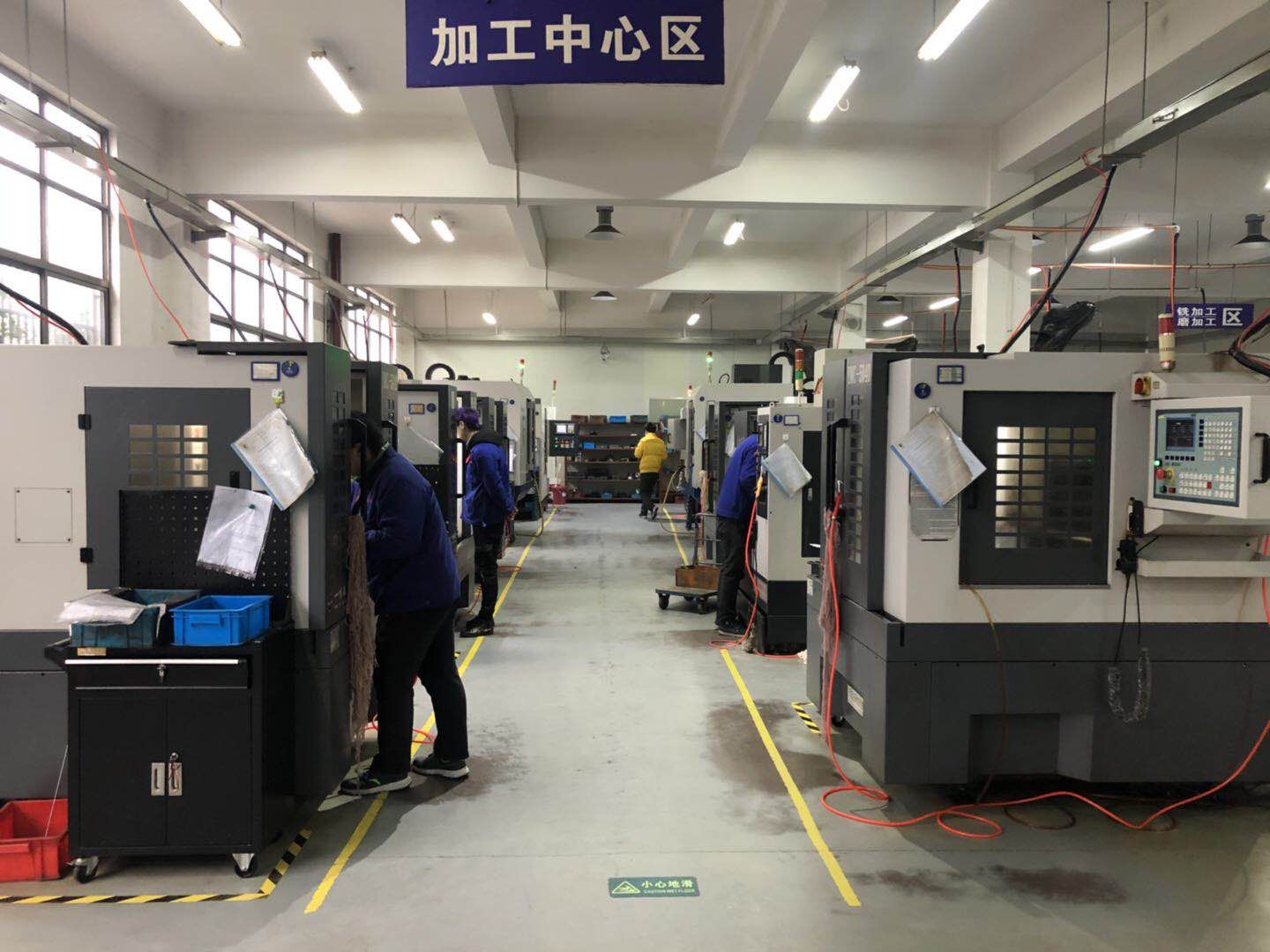
Achieving Biomechanical Compatibility and Long-term In-Vivo Stability
Modern osteosynthesis devices demand rigorous material performance, striking a balance between high fatigue strength, excellent biocompatibility, and optimal elastic modulus to mitigate stress shielding. At Maka Medical, we utilize raw materials validated under international standards to assure optimal surgical performance.
Conforming to ASTM F136 and ISO 5832-3, extra-low interstitial (ELI) Titanium remains the golden standard for trauma plates, cortical/cancellous bone screws, and interlocking nails. Grade 5 titanium offers an ultimate tensile strength exceeding 860 MPa and optimal biocompatibility, forming a stable passive TiO2 oxide layer in-vivo.
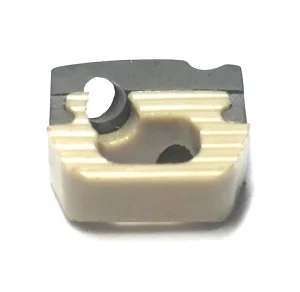
Utilized primarily in orthopedic spinal implants, such as lumbar and anterior cervical interbody cages (conformant to ASTM F2026). PEEK offers an elastic modulus (approx. 3.6 GPa) highly comparable to cortical bone, which minimizes stress shielding. Its radiolucent nature allows surgeons to assess bone fusion pathways via CT or X-ray clear of artifacts.
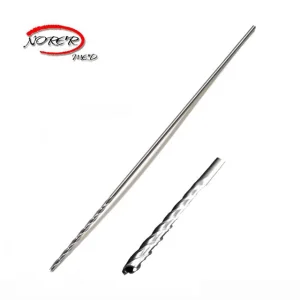
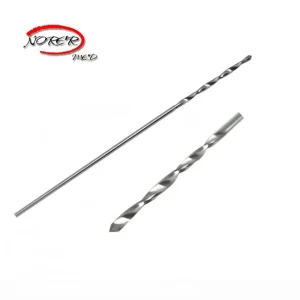
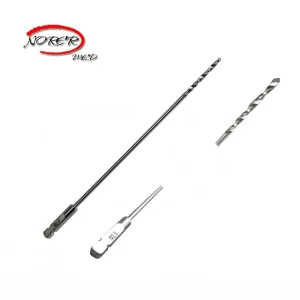
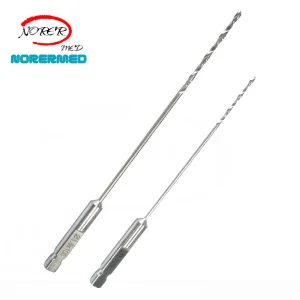
For demanding structural components and reusable orthopedic surgical instrumentation (e.g., AO drill bits, quick coupling adaptors, and custom extraction drivers), 316LVM vacuum arc remelted stainless steel (ASTM F138) provides high fracture toughness and wear resistance, maintaining critical tolerance limits through numerous autoclaving cycles.
| Implant/Material Class | Material Standard Reference | Yield Strength (min, MPa) | Tensile Strength (min, MPa) | Primary Clinical Indications |
|---|---|---|---|---|
| Ti-6Al-4V ELI (Gr. 5) | ASTM F136 / ISO 5832-3 | 795 | 860 | Pedicle Screws, Interlocking Nails, Cortical Bone Screws |
| Unalloyed Titanium (Gr. 2/4) | ASTM F67 / ISO 5832-2 | 275 - 480 | 345 - 680 | Cranial Plates, Low-load Reconstructive Fixation |
| PEEK (Polyetheretherketone) | ASTM F2026 | N/A (Tensile Str: 95-100) | 90 - 100 | Interbody Spinal Fusion Cages (ACIF, PLIF, TLIF) |
| 316LVM Stainless Steel | ASTM F138 / ISO 5832-1 | 690 | 860 | High-stress Bone Plates, Specialized Drills, External Fixators |
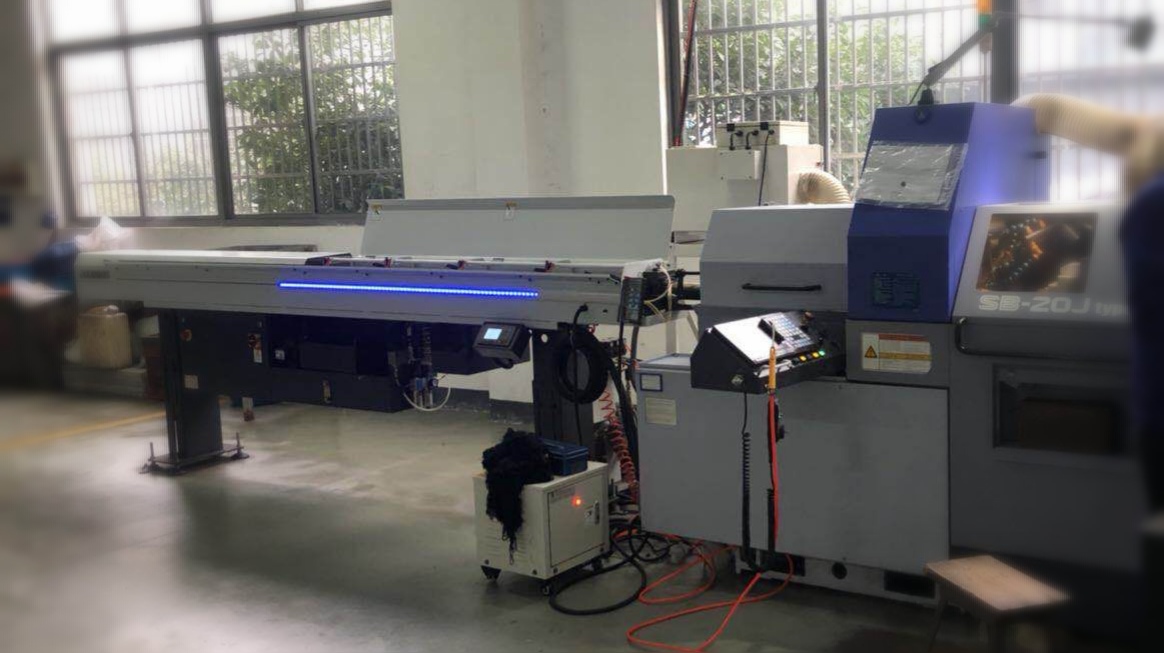
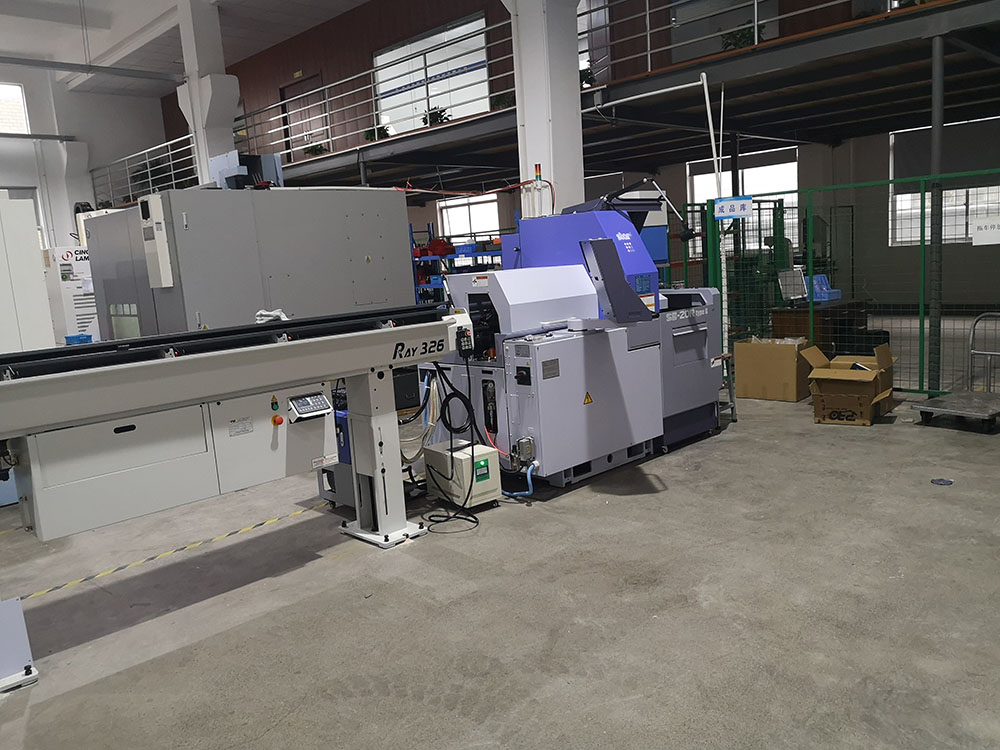
Surgical implants rely on tight geometrical tolerances to ensure interface compatibility with insertion devices and skeletal structures. Our contracted facilities operate Swiss-type longitudinal CNC sliding headstock lathes (e.g., Star and Citizen) capable of simultaneously machining intricate screw threads, cannulated channels, and complex drive configurations (such as Torx, hexlobular, or internal hex).
We execute advanced manufacturing procedures including:
Ensuring Mechanical Performance and Biological Safety for Medical Device Approval
Contract manufacturing of Class IIb and Class III osteosynthesis devices requires strict compliance with international medical device laws. Every production run undergoes extensive validation protocols to facilitate seamless regulatory submittals (FDA 510(k), CE mark under EU MDR 2017/745, and NMPA approvals).
Implants must withstand high-cyclic physiological loads without premature failure. We conduct structural testing according to ASTM guidelines:
Contamination control prevents post-operative infections. Implants are cleaned using validated ultrasonic wash lines (conforming to ASTM F3127) and packaged inside ISO Class 7 (Class 10,000) cleanrooms. Standard options include clean bulk packaging or double-sterile barrier blister packaging ready for immediate clinical use.
Maka Medical operates under medical quality systems. Raw material heat codes are recorded throughout production, assuring trace link continuity from the initial titanium bar to the final implant. Non-destructive testing (NDT), such as dye penetrant inspection, is performed on structural weld junctions.
Jiangsu's Changzhou district has developed into a premier global cluster for orthopedic implant manufacturing. Sourcing OEM/ODM products from this region provides buyers with distinct supply-chain efficiencies:
Adapting Implant Mechanics to Diverse Anatomical Demands
Orthopedic implants must perform reliably across distinct anatomical structures, patient sizes, and clinical applications. Maka Medical provides engineered solutions optimized for both human and veterinary settings:
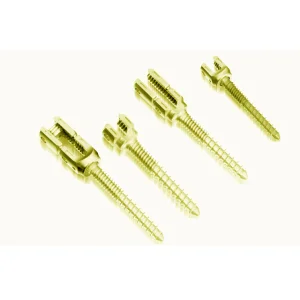
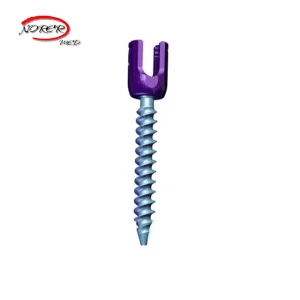
Pedicle and polyaxial screws must accommodate high-stress loads in spinal stabilization. Our uniplanar and polyaxial screws allow angular adjustments up to 25 degrees, reducing surgical placement complexity and improving anatomical alignment.
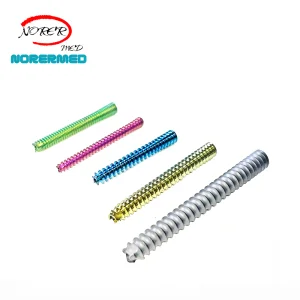
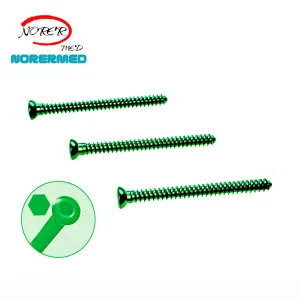
High-precision headless cannulated compression screws provide interfragmentary compression for small bone fractures, such as scaphoid, metatarsal, or phalangeal breaks. The headless design embeds flush within or below articular surfaces to avoid soft tissue irritation.
Veterinary procedures demand smaller, robust implants to match diverse animal anatomy. We supply mini locking plates, PEEK fusion cages, and specialized pedicle screws adapted for canine, feline, and equine spinal and limb stabilization surgeries.
Key insights for global procurement managers and regulatory specialists
Specialized hardware and trauma components for diverse clinical applications