Maka Medical Surgical
Explore specialized orthopedic implant components, trauma fixators, and micro-machined medical elements supporting critical surgical procedures and catheter access instrumentation.
The global medical catheter market has transitioned into a highly sophisticated, multi-billion-dollar ecosystem. Driven by the worldwide shift toward Minimally Invasive Surgeries (MIS), rising global rates of cardiovascular disease, neurovascular disorders, chronic kidney disease (CKD), and urological conditions, catheter systems have evolved from simple fluid drainage lines into highly complex, active therapeutic and diagnostic delivery platforms.
Modern catheter systems combine polymer extrusion technologies, micro-braiding, laser micro-machining, nitinol shape-memory core wires, and bioactive hydrophilic surface coatings. According to recent medical device industry benchmarks, the worldwide catheter market—encompassing cardiovascular catheters, neurovascular microcatheters, urinary & dialysis systems, specialty electrophysiology catheters, and peripheral vascular access—is projected to reach over $72 Billion USD by 2030, compounding at a CAGR of 7.4%.
The advancement of catheter systems relies heavily on breakthroughs in polymer chemistry, micro-extrusion, wire braiding, and surface functionalization. As clinical requirements demand smaller outer diameters (OD) paired with larger inner lumens (ID), catheter design engineering faces stringent mechanical trade-offs between pushability, trackability, kink resistance, and torque transmission.
Transitioning from single-durometer Pebax or Nylon shafts to variable-durometer multi-zone shafts. High durometer (e.g., 72D Pebax or Polyimide) at the proximal end provides pushability, while soft durometer (25D/35D) at the distal tip prevents vascular perforation. Multi-lumen configurations allow simultaneous inflation, guidewire manipulation, and drug delivery.
Integrating 16-wire or 32-wire stainless steel (316L/304V) and Nitinol flat-wire braiding into catheter walls down to wall thicknesses of 0.0015 inches (0.038 mm). High PIC (Picks Per Inch) counts optimize 1:1 torque responsiveness and collapse resistance during aggressive aspiration maneuvers.
UV-curable hydrophilic polyacrylamide and PVP coatings lower the coefficient of friction (CoF) to below 0.02, minimizing vessel spasm and trauma. Modern active coatings incorporate non-eluting heparinized matrices and antimicrobial silver nanoparticles to dramatically reduce Catheter-Associated Urinary Tract Infections (CAUTI) and central-line catheter-related bloodstream infections (CRBSI).
Below is an authoritative analysis of the global leaders, Tier-1 original equipment manufacturers (OEMs), and specialized contract engineering facilities driving innovations in catheter device design, extrusion, micro-machining, and high-volume commercial production.
Headquarters: Dublin, Ireland / Minneapolis, MN, USA
Core Competencies: Comprehensive cardiovascular, neurovascular, and renal denervation catheter systems. World leader in transcatheter aortic valve replacement (TAVR) delivery devices, distal protection catheters, and ablation balloon systems.
Technical Advantage: Advanced Nitinol frame engineering, proprietary stealth micro-catheter shaft construction, and integrated sensorized diagnostic tip assemblies.
Headquarters: Marlborough, Massachusetts, USA
Core Competencies: Electrophysiology diagnostic & mapping catheters, intravascular ultrasound (IVUS) catheter systems, complex coronary insertion shafts, and peripheral vascular balloons.
Technical Advantage: Industry-leading micro-braiding and PTFE liner technology providing exceptional pushability and tactile feedback in tortuous arterial pathways.
Headquarters: Franklin Lakes, New Jersey, USA
Core Competencies: Peripheral IV catheters, central venous catheterization (CVC), peripherally inserted central catheters (PICC), and vascular access safety devices.
Technical Advantage: High-speed automated co-extrusion systems, BD Vialon™ biomaterial technology that softens inside the vein to minimize phlebitis.
Headquarters: Tokyo, Japan
Core Competencies: Access wire technology, hydro-coated introducer sheaths, Glidecath® peripheral catheters, and microcatheter embolic platforms.
Technical Advantage: Unmatched hydrophilic coating formulation and precision wire-core grinding capabilities for ultra-smooth anatomical navigation.
Headquarters: Wayne, Pennsylvania, USA
Core Competencies: Anesthesia access, central venous lines, diagnostic cardiology catheters, specialty OEM custom extrusion (OEM Arrow® brand platforms).
Technical Advantage: Advanced Arrowg+ard Gold® antimicrobial coating technologies proven to dramatically cut central-line infection rates.
Headquarters: Abbott Park, Illinois, USA
Core Competencies: Structural heart delivery catheters, MitraClip access systems, Optical Coherence Tomography (OCT) intravascular imaging catheters.
Technical Advantage: Precision micro-optics integration within flexible catheter shafts combined with high torque responsiveness.
Headquarters: Bloomington, Indiana, USA
Core Competencies: Urological drainage catheters, biliary access devices, interventional radiology catheters, and vascular sheaths.
Technical Advantage: Pioneer of the Seldinger technique components, master craftsmanship in custom polymer blends and radio-opaque marker placement.
Headquarters: South Jordan, Utah, USA
Core Competencies: Diagnostic cardiology and radiology catheters, inflation devices, guide sheaths, and microcatheters for chemoembolization.
Technical Advantage: High vertical integration, offering rapid prototyping and modular catheter shaft customizable solutions for global OEMs.
Headquarters: Westlake, Ohio, USA
Core Competencies: Contract design and OEM manufacturing of complex micro-catheters, balloon tubing, nitinol shafts, and fluid management connectors.
Technical Advantage: Comprehensive contract component suite including complex multi-lumen extrusions, expandable balloons, and precise thermal reflow assemblies.
Headquarters: Schaffhausen, Switzerland / Berwyn, PA, USA
Core Competencies: Turnkey contract catheter manufacturing, micro-braided shafts, steerable catheter platforms, and integrated micro-sensor wiring assemblies.
Technical Advantage: World-class sub-miniature wire welding, sensor-at-the-tip integration, and high-volume ISO Class 7 cleanroom manufacture.
Catheter design parameters vary dramatically depending on the anatomical target site, fluid dynamic stresses, trackability requirements, and clinical duration.
Catheters utilized in PCI procedures require high burst-pressure rating balloon shafts (up to 30 atm) and extreme flexibility to navigate sharp arterial bifurcations without kinking. Ultra-thin PTFE liners ensure smooth passability of metallic stents and balloon assemblies.
Navigating the hyper-tortuous vasculature of the brain demands outer shaft diameters below 2.0 French (0.67 mm). Microcatheters utilize variable stiffness profiling along their length, incorporating Nitinol coil-reinforced distal zones for trackability without vascular damage.
Foley catheters and hemodialysis catheters prioritize high biocompatibility, calcification resistance, and tissue preservation. Antimicrobial coatings, non-reactive silicone, and soft thermoplastic elastomers (TPE) prevent chronic inflammation and lumen encrustation.
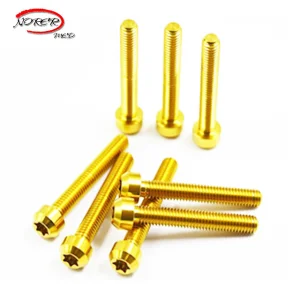
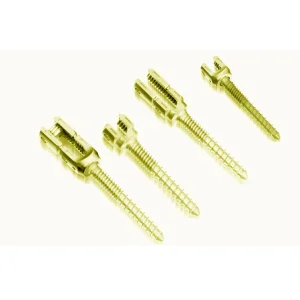
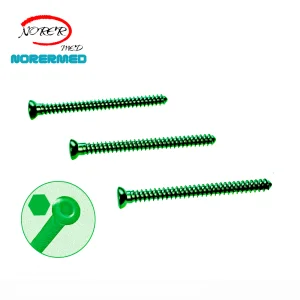
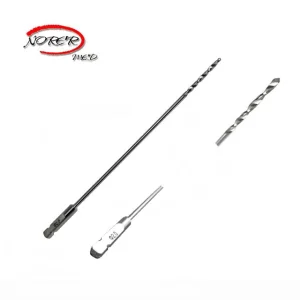
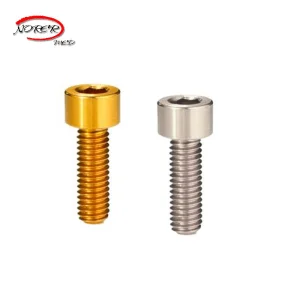
In orthopedic surgery, post-operative vacuum drainage catheters and infusion cages manage deep tissue fluid evacuation and localized pain management. Precision machined titanium connector fittings, cannulated screws, and PEEK structural elements work in tandem with catheter lines.
With over a decade of excellence in precision medical device manufacturing, Maka Medical Technology Co., Ltd. stands as an established high-precision hardware and implant manufacturing partner based in Changzhou City, Jiangsu Province, China. Serving domestic and international medical device brands, Maka Medical specializes in micro-machining, titanium implant systems, and precision metal-to-polymer coupling components essential for modern surgical, orthopedic, and catheter interface systems.
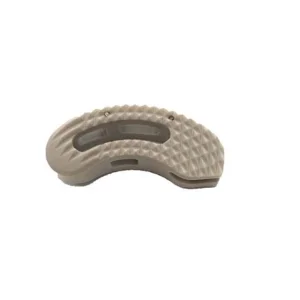
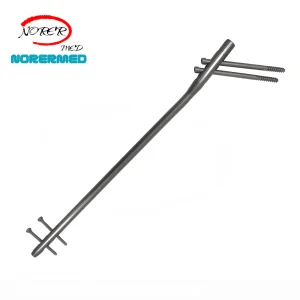
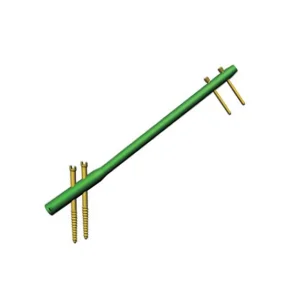
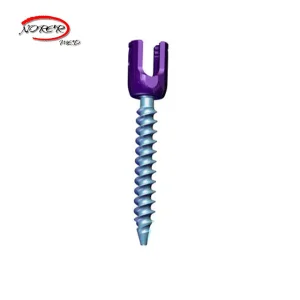
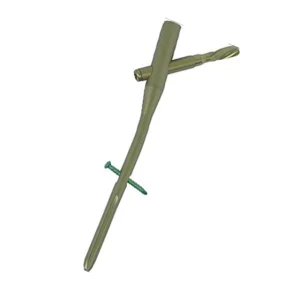
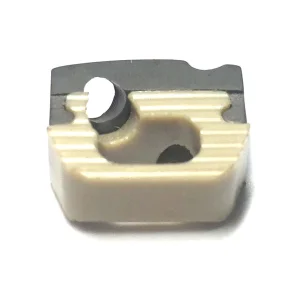
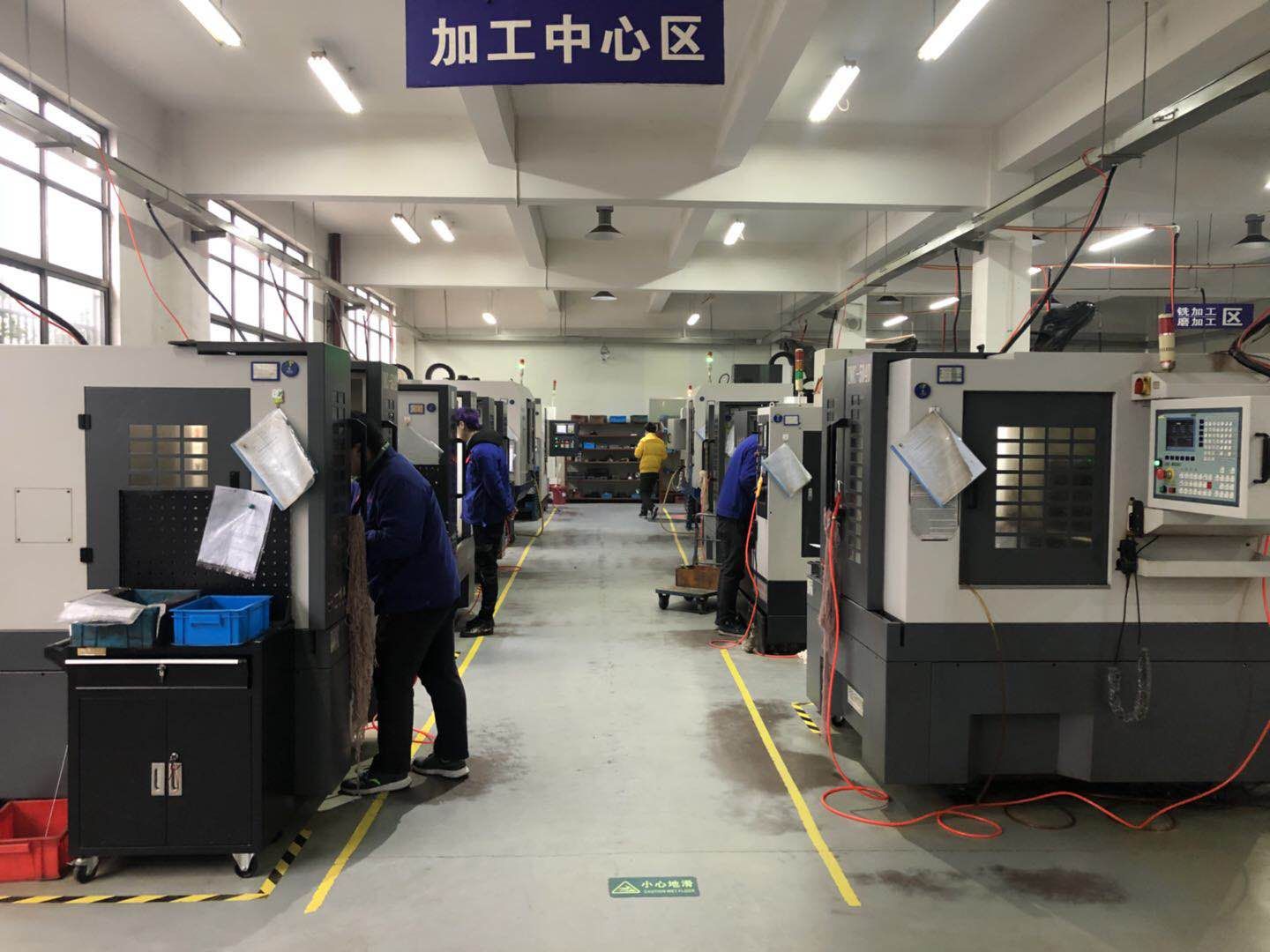
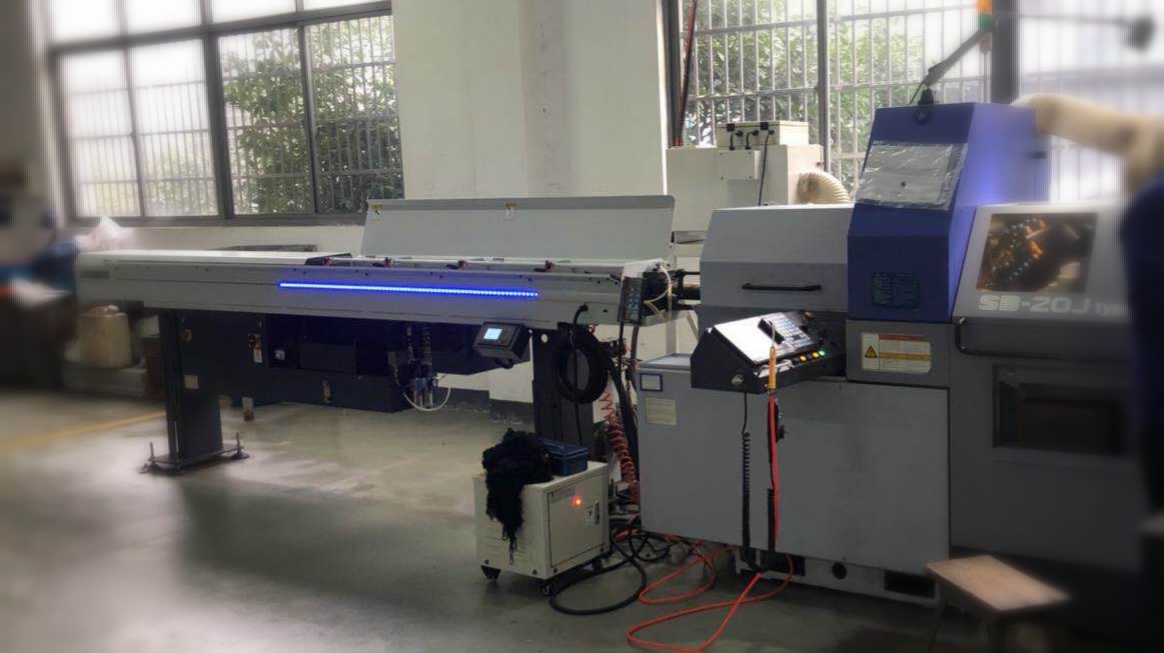
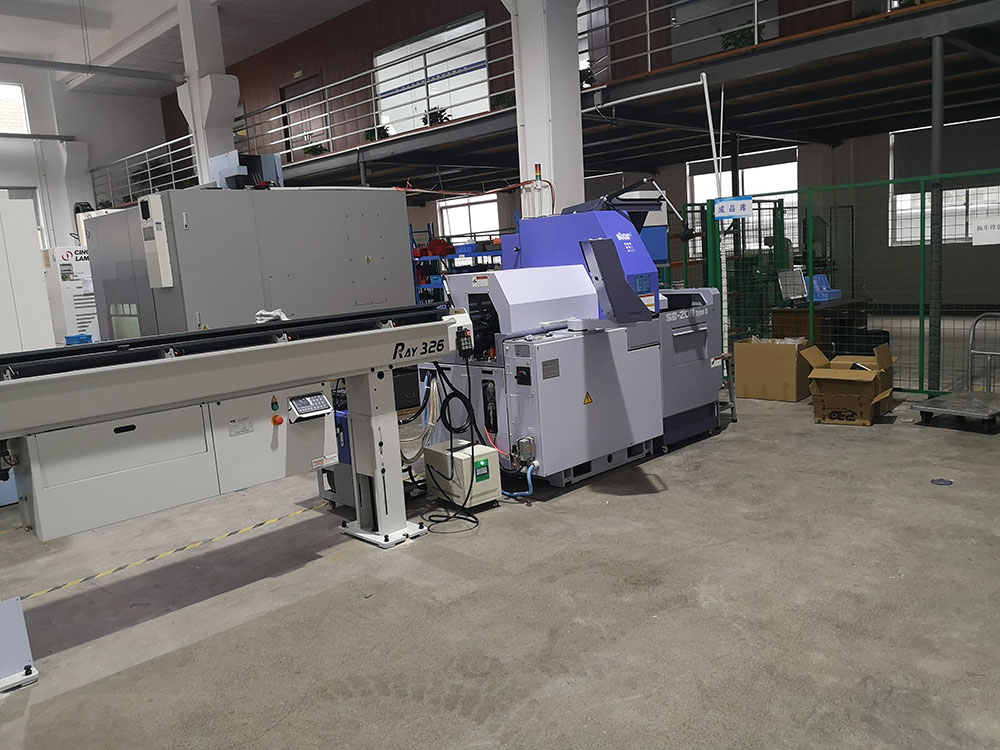
Maka Medical Technology Co., Ltd. operates state-of-the-art multi-axis CNC machining, precision Swiss-lathe turning, and cleanroom packaging operations. The organization serves global buyers needing high-reliability implant components, bone screws, intramedullary locking nails, PEEK spinal cages, and custom coupling connectors for surgical access platforms.
By maintaining strict ISO quality management protocols, Maka Medical ensures zero-defect manufacturing, continuous dimensional verification, micro-surface polishing, and complete material traceability from raw titanium/PEEK stock to finished surgical products.
Medical device development requires adherence to stringent global regulatory frameworks. Whether producing a steerable cardiac microcatheter or an orthopedic intramedullary fixation nail, contract suppliers and manufacturers must build quality management systems aligned with international standards.
The fundamental quality standard for medical devices. ISO 13485 compliance ensures comprehensive process validation, risk management (ISO 14971), environmental controls, and full lot traceability across all manufacturing steps.
Suppliers catering to US and European markets must comply with FDA Quality System Regulation (QSR) and EU Medical Device Regulation (MDR 2017/745), ensuring rigorous Device Master Records (DMR) and biocompatibility testing (ISO 10993).
Deploying automated optical measurement systems, CMMs, and laser micrometers to verify critical outer/inner tube dimensions, pitch consistency of micro-braids, and thread geometry of orthopedic fasteners.
Comprehensive technical answers addressing key OEM sourcing, engineering, and regulatory queries regarding medical catheter systems and precision hardware components.
Browse additional high-precision medical solutions, surgical tools, PEEK cages, and spinal fixation assemblies from our product matrix.