Maka Medical Surgical
Maka Medical Surgical
Maka Medical Surgical
Explore premium orthopedic components verified via advanced mechanical and micro-precision testing protocols.
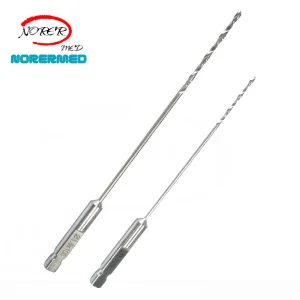
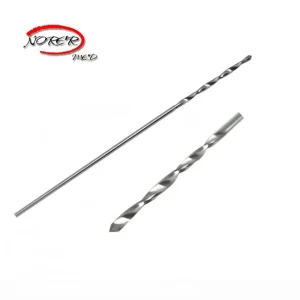
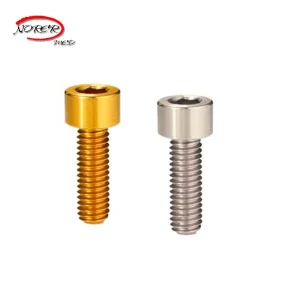
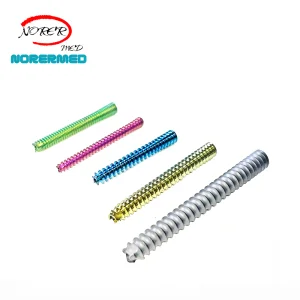
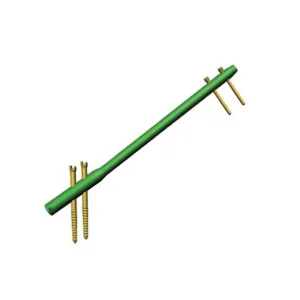
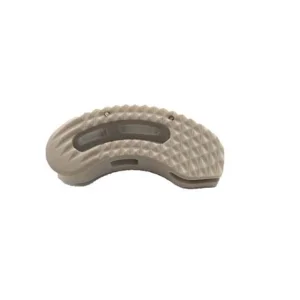
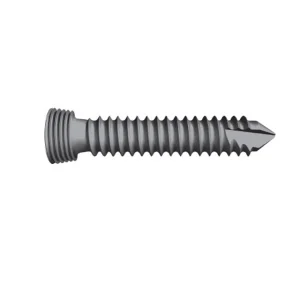
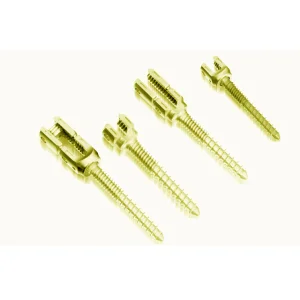
The global orthopedic implants and reconstruction market is undergoing exponential growth, driven by an aging global demographic, increasing rates of sports injuries, and revolutionary advancements in biocompatible materials. Consequently, the mechanical and material verification of these medical devices is under unprecedented regulatory scrutiny. Standardizing the validation of implant fatigue life, static mechanical strength, and wear degradation is no longer just a quality assurance requirement—it is a critical regulatory gatekeeper globally.
Globally, Europe and North America maintain their positions as key technological innovators in diagnostic and high-end validation hardware. Simultaneously, Asia-Pacific—led by China's manufacturing clusters in provinces like Jiangsu—has emerged as a powerful industrial manufacturing hub. Facilities here possess deep supply chains that seamlessly combine precision metallurgy with advanced robotic testing. The convergence of hardware testing machines and high-accuracy orthopedic processing forms the backbone of modern global orthopedics distribution.
Visualizing the global performance metrics, regulatory pathways, and verification standards guiding orthopedic manufacturing.
Implant raw materials must exceed 99.8% purity and satisfy rigorous mechanical stress limits before entering orthopedic machining lines.
ASTM standards mandate spinal fixation rods and locking plates to endure more than 5 million simulated dynamic stress cycles without failure.
The base certification governing manufacturing lines for pediatric, trauma, spinal, and veterinary medical hardware.
Maximum surface roughness tolerance achieved by high-speed CNC milling and confirmed by optical profilers.
The verification architecture for bone plates, titanium interlocking nails, and pedicle systems is shifting from simple static test breaks to in-situ bio-dynamic simulations. With orthopedic surgeries increasingly adopting custom, patient-specific 3D-printed titanium implants, traditional testing devices are forced to adapt.
By linking physical mechanical testing machines with advanced Finite Element Method (FEM) software, engineers can construct a virtual feedback loop. Physical data validates virtual computational models, which subsequently run millions of digital load variants, drastically speeding up the time-to-market for spinal rods and trauma fixation screws.
Because human bones function within biological environments, testing titanium interlocking nails or PEEK spinal cages requires fluid environments. Next-generation fatigue testing systems immerse structural components in phosphate-buffered saline (PBS) solutions at exactly 37°C to monitor stress corrosion cracking and localized wear degradation.
| Testing Domain | Reference Standards | Critical Parameters Tested | Primary Equipment Required |
|---|---|---|---|
| Orthopedic Bone Screws | ASTM F543, ISO 6475 | Torsional yield, insertion torque, pullout force, axial load capacity | Torsion Testing Systems, Dual-Axis Actuators |
| Spinal Implants & Cages | ASTM F2077, ASTM F2267 | Static & dynamic shear, compression, subsidence characteristics | Multiaxial Dynamic Fatigue Testers, Environmental Bath |
| Bone Plates & Fixators | ASTM F382, ISO 9585 | Bending stiffness, fatigue life, plastic deformation limits | 3-Point/4-Point Bending Fixtures, Servohydraulic Testers |
| Joint Replacements | ISO 7206, ISO 14242 | Total hip/knee simulator, wear rate analysis, simulator wear path | Multi-Station Orthopedic Wear Simulators, Profilometers |
In modern trauma, spinal reconstructive surgeries, and complex veterinary repairs, hardware performance directly correlates with clinical outcomes. Testing protocols are highly segmented across localized medical disciplines:
Ensuring anatomical plates (femoral, tibial, and clavicular) can withstand immediate weight-bearing loads. Testing verification requires custom bending setups mapping dynamic human movement and gait patterns.
Pedicle screws, rods, and PEEK (Polyetheretherketone) cervical/lumbar cages are tested for torsion, pull-out resistance, and long-term subsidence to prevent hardware migrate and preserve structural alignment.
With varying bone densities in canine, feline, and equine patients, veterinary orthopedic screws and bone plates must undergo localized validation to balance implant rigidity with lower bone densities.
Raw materials such as Titanium Alloy (Grade 5, Ti-6Al-4V ELI) and implantable PEEK are characterized prior to machining. At advanced manufacturers like Maka Medical Technology, incoming material checking processes, high-precision Swiss-type CNC screw machining, and strict post-machining dynamic testing ensure that every batch of titanium locking screws or interlocking nails conforms to ASTM criteria.
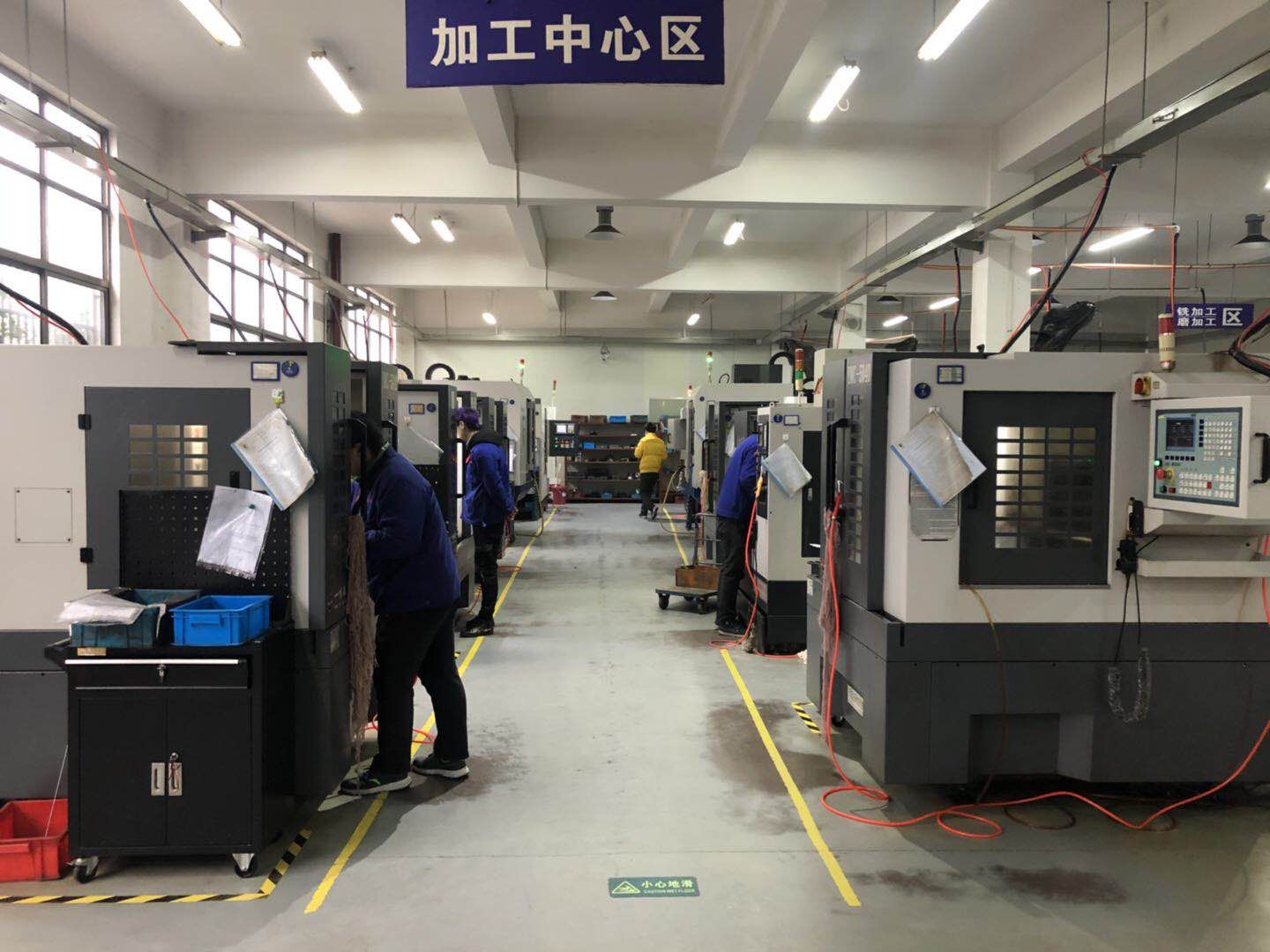
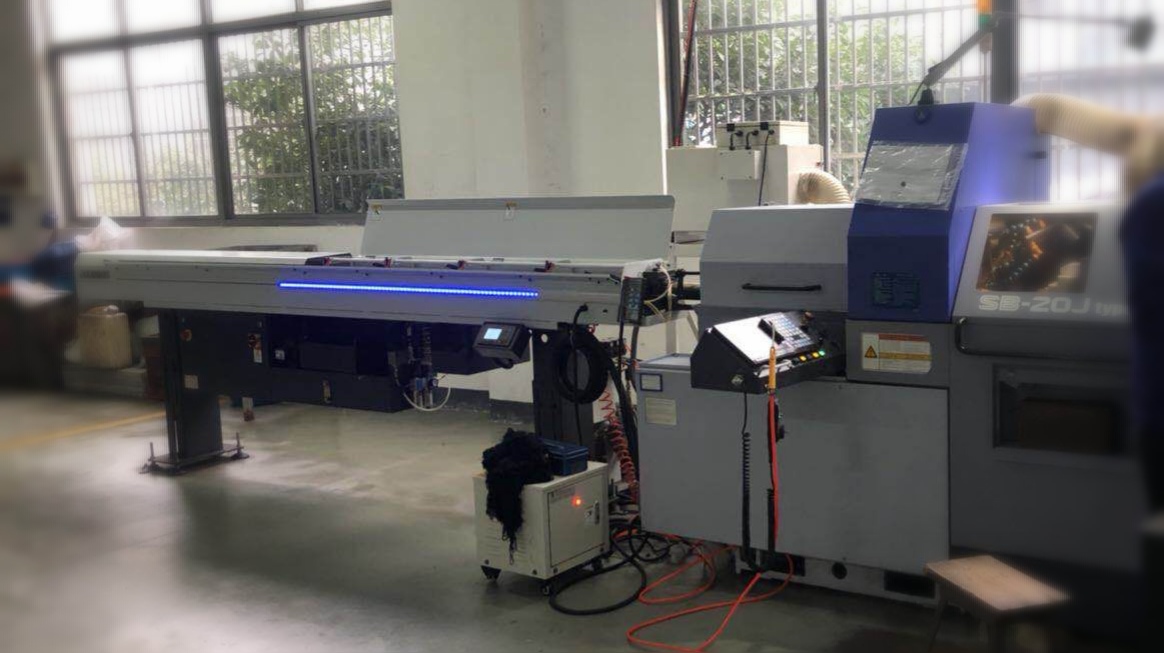
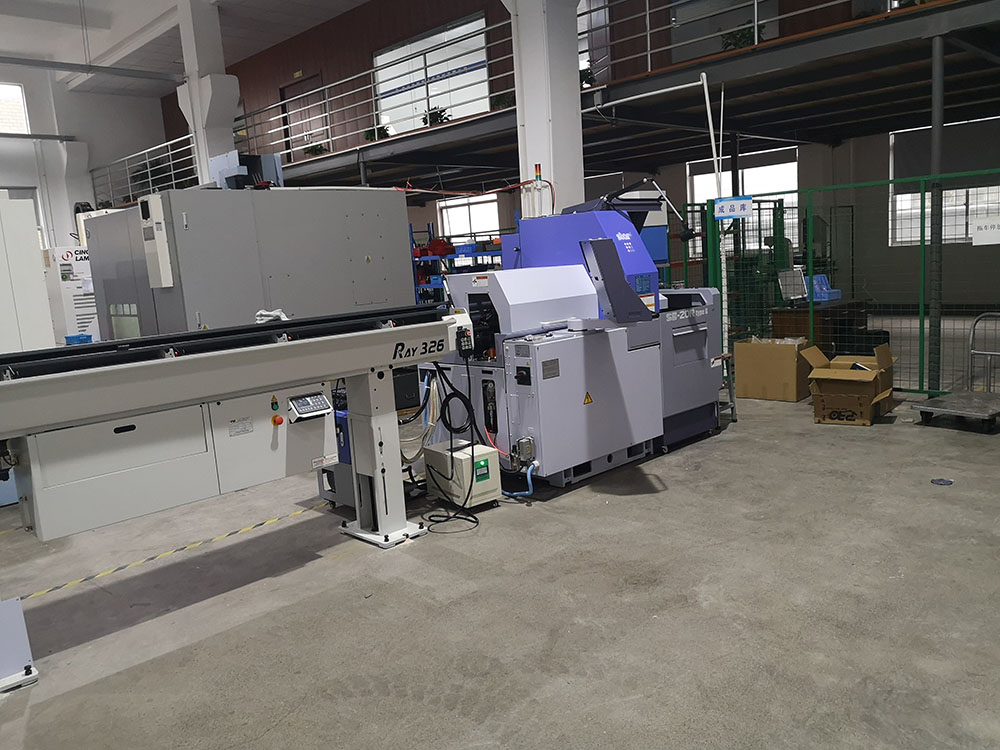
Aligning high-precision production with global orthopedic regulatory structures.
Maka Medical Technology Co., Ltd., based in Changzhou City, Jiangsu Province, China, represents modern precision manufacturing. As an established developer and partner in the global orthopedic device supply chain, Maka Medical specializes in orthopedic trauma bone plates, bone screws, interlocking nails, spinal pedicle screws, cervical plates, and PEEK cervical and lumbar cages.
By combining high-speed CNC milling and Swiss longitudinal turning lathes with robust testing systems, the company guarantees mechanical reliability. Every trauma implant and fixation device undergoes meticulous dimensional validation and load-capacity benchmarking. Maka Medical balances production capacity with reliable safety certifications, exporting custom surgical implants and installation tools worldwide.
Crucial insights on compliance, testing procedures, and sourcing orthopedic implants.
ASTM F543 establishes the standard test methods for evaluating the mechanical properties of metallic bone screws. It measures four critical parameters: torsional strength, insertion torque, pullout strength, and self-tapping performance. Adhering to this standard ensures bone screws do not shear during surgical insertion or lose structural hold under load.
Titanium has a high elastic modulus and mechanical yield strength. However, PEEK (Polyetheretherketone) is a polymer with mechanical characteristics closer to human cortical bone. Testing PEEK cages (per ASTM F2077) requires specialized dynamic compression and shear testing setups to monitor potential creep, subsidence, and cracking without causing localized damage to the polymer structure.
Buyers should verify ISO 13485 certification, which covers Quality Management Systems for medical devices. CE certification is necessary for European markets, and FDA registration or 510(k) clearance is required for the US. Additionally, material mill certificates (such as titanium biocompatibility sheets complying with ASTM F136 or ISO 5832-3) are essential.
Fatigue failure typically originates from surface micro-cracks, cyclic micro-motion, or geometric stress concentrations under load-bearing cycles. Multi-axis dynamic fatigue testing systems simulate these complex biological forces, helping engineers design smooth transitions and optimize surface processing techniques like anodizing or electropolishing to improve fatigue resistance.
Maka Medical implements strict quality control checkpoints throughout production. This process begins with ultrasonic raw-material inspection, continues with high-precision CNC dimensional monitoring during machining, and concludes with dynamic loading tests and meticulous cleanroom packaging. This ensures every shipment of bone plates, locking screws, and spinal rods complies with client specifications.
Browse the remaining selection of high-quality surgical consumables and orthopedic hardware.