Maka Medical Surgical
Maka Medical Surgical
Maka Medical Surgical
High-precision orthopedic components engineered to interface seamlessly with robotic surgical effectors.
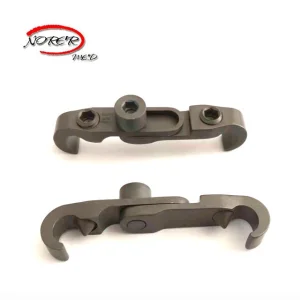
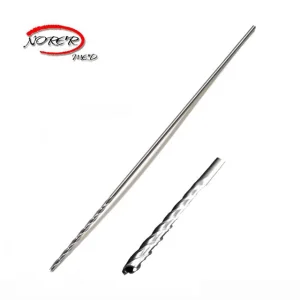
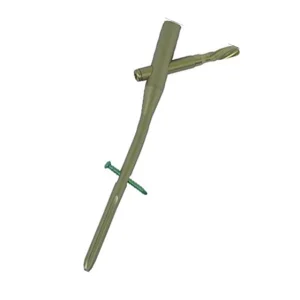
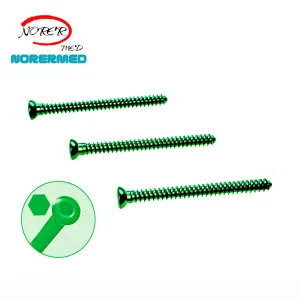
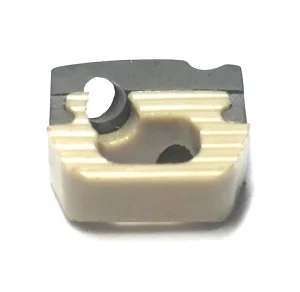
Robotic surgery has transcended from an experimental clinical methodology to the gold standard of precision medicine. By integrating high-definition visualization systems, robotic arms with multi-degree-of-freedom dexterity, and advanced force-feedback control, robotic systems mitigate the physiological limitations of human hands. Modern surgical robotics enhance spatial resolution, minimize incision sizes, accelerate postoperative recovery times, and dramatically reduce clinical complication rates.
However, the execution of computer-guided incisions and automated screw placement is fundamentally limited by the raw mechanical integrity of the end-effectors, orthopedic implants, and patient-specific fixation kits. A sub-millimeter shift in a titanium pedicle screw or an interlocking nail under robotic axial torque can lead to structural misalignment. Thus, the global ecosystem of robotic surgery device manufacturers is highly dependent on ultra-precision hardware suppliers who can guarantee sub-micron geometric tolerances and validated biocompatibility profiles.
Robotic surgical systems rely heavily on structural and dynamic mechanical inputs, including:
An authoritative directory mapping the key innovators shaping the surgical robotics landscapes.
The undisputed global pioneer of robotic-assisted surgery. Intuitive's da Vinci Surgical System remains the global gold standard for minimally invasive abdominal, gynecological, and thoracic interventions. The company focuses heavily on advanced multi-port and single-port platforms that leverage wristed instrumentation with proprietary force-feedback sensors.
Stryker's flagship Mako System has transformed joint reconstruction. By utilizing patient-specific 3D CT modeling, Mako assists orthopedic surgeons in executing highly precise total knee, partial knee, and total hip replacements. Stryker relies on exceptional structural bone-cutting systems and corresponding implantable joint prosthetics.
A dominant titan in medical technology, Medtronic launched the Hugo RAS System to challenge the soft-tissue robotics space, while their Mazor X Stealth Edition leads in robotic-assisted spine surgery. Medtronic relies extensively on precision spinal implants, pedicle screws, and complex cannulated drills.
Operating through Auris Health and DePuy Synthes, J&J champions the Monarch Platform for diagnostic bronchoscopy and the upcoming Ottava System for multi-specialty soft-tissue procedures. Their orthopedic division integrates robotic-assisted spine, hip, and knee systems requiring premium titanium implants.
Zimmer Biomet's ROSA Brain and Spine Systems provide stereotactic guidance, aiding neurosurgeons and orthopedic experts in implant trajectory planning and cranial biopsy guidance. The system relies heavily on the mechanical consistency of custom guide pins, surgical drill bits, and pedicle systems.
Smith & Nephew provides the Cori Surgical System, a hand-held robotic-assisted option that eliminates the need for large optical frames. Cori uses intraoperative mapping to create 3D joint models, which requires highly specialized bone-cutting burs and bone anchors.
With its merger with NuVasive, Globus Medical dominates spinal robotics via the ExcelsiusGPS System. ExcelsiusGPS combines robotic alignment with navigation capabilities, requiring spine screws, crosslink rods, and cage implants that meet extreme mechanical standards.
Asensus Surgical focuses on digitizing the interface between the surgeon and patient through the Senhance Surgical System. Their unique digital laparoscopy platform uses haptic feedback and eye-tracking camera control, requiring specialized micro-laparoscopic instruments.
Known globally for metrology and precision, Renishaw manufactures the neuromate stereotactic robot, which provides a platform for functional neurosurgery procedures. Renishaw demands precision titanium bone anchors and micro-engineered guides.
Maka Medical stands as a leading specialized OEM/ODM manufacturing factory for high-precision robotic surgery hardware components and orthopedic trauma implants. By supplying premium titanium pedicle screws, intramedullary nails, and PEEK cages, Maka Medical bridges the gap between digital robotics software and clinical mechanical reliability.
Exploring the technological convergence that will define the next generation of robotic interventions.
Future surgical platforms will evolve from master-slave replication to semi-autonomous path execution. By training neural networks on thousands of video records, AI models will guide the robotic arm along optimal anatomical pathways while automatically avoiding critical blood vessels and nerves.
Current robotic systems restrict the surgeon's tactile sense, requiring them to rely almost entirely on visual cues. The technical roadmap includes integrating piezoresistive micro-sensors directly onto titanium drill tips, giving surgeons real-time tactile sensations during bone resection and screw fixation.
Material science is shifting from passive implants to bio-active interfaces. Future pedicle screws and PEEK cages will incorporate porous, micro-structured surfaces coated with hydroxyapatite. This enhancement promotes immediate osteointegration and osseous growth, significantly reducing recovery times.
| Technology Parameter | Current State (Generation II/III) | Future Roadmap (Generation IV/V) | Impact on Hardware Standards |
|---|---|---|---|
| Positioning Accuracy | ± 0.5 mm - 1.0 mm | < ± 0.1 mm | Requires tighter tolerances (<5μm) on joint pins and thread pitches. |
| Material Focus | Standard Ti-6Al-4V / PEEK | Porous Ti, Bio-absorbable composites | Demands advanced vacuum plasma spraying and advanced CNC tools. |
| Imaging Integration | Pre-op CT registration | Real-time intraoperative holography | Demands ultra-precise, non-reflective marker pins and radiolucent cages. |
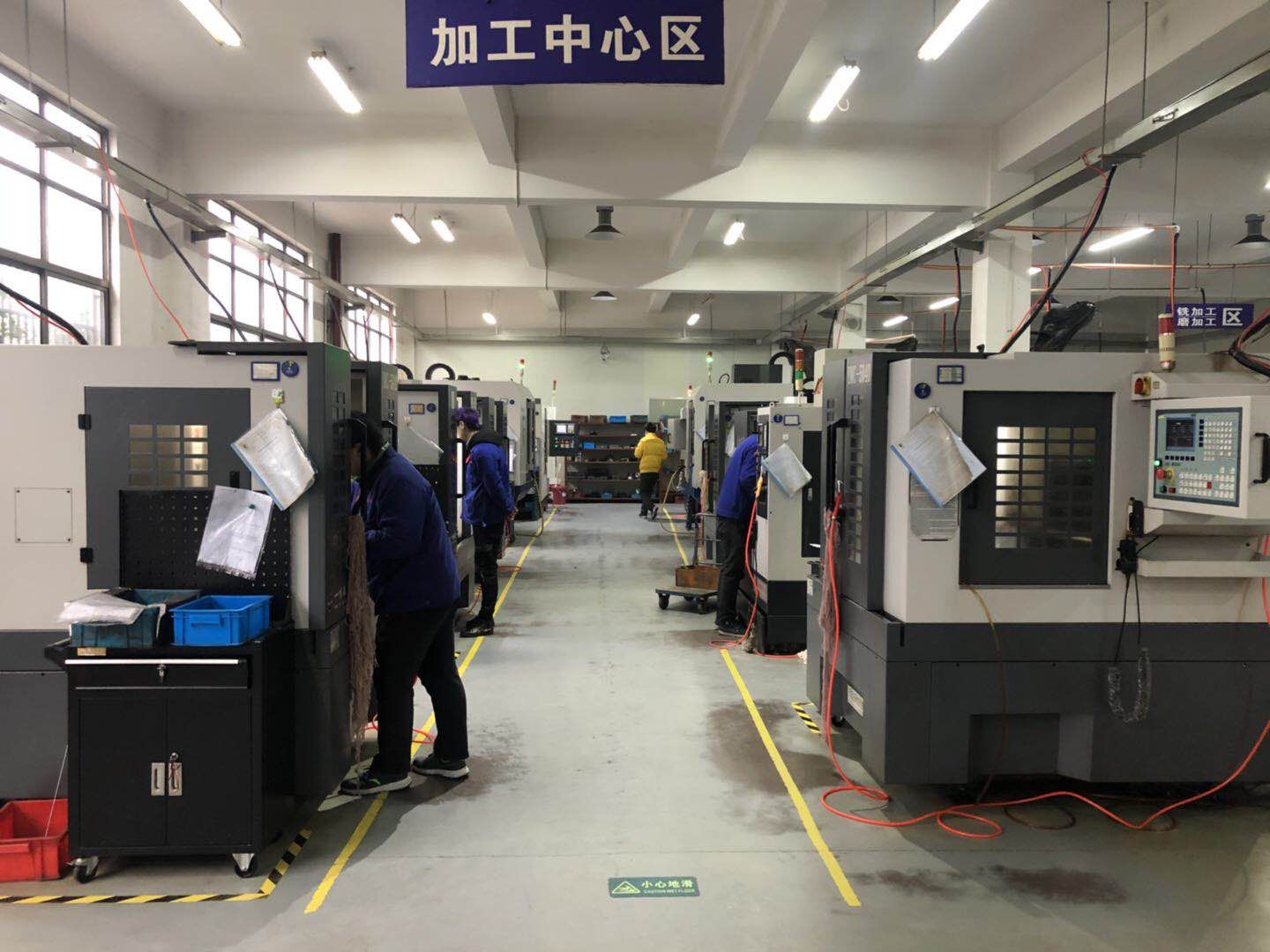
Building a scalable, regulatory-compliant robotic surgery platform is a complex, capital-intensive process. Companies often struggle to scale up production while keeping costs manageable, especially when fabricating structural hardware components like intramedullary reconstruction systems, titanium interlocking nails, and cortical screws.
To address this bottleneck, Maka Medical offers an integrated OEM/ODM supply chain solution. By consolidating the raw material sourcing (certified medical-grade titanium and Evonik PEEK), precision CNC machining, ultrasonic cleaning, and sterile packaging within a single facility, Maka Medical eliminates multi-vendor coordination risks. This vertical integration allows medical device brands to compress their time-to-market by up to 40% while maintaining compliance with international standards.
"Vertical integration in precision manufacturing is not just a cost-saving measure; it is a clinical safety imperative."
How localized manufacturing clusters in Jiangsu, China, drive down unit costs while elevating quality.
Maka Medical is situated in Changzhou, Jiangsu province—the primary medical equipment manufacturing hub in China. This location grants us instant access to raw material processing plants, surface treatment specialists, and highly trained CNC technicians.
Every component, from standard locking screws to custom cervical plates, undergoes rigorous inspection. We use optical coordinate measuring machines (CMM) and digital projectors to verify dimensional accuracy, ensuring that all threads and pitches align perfectly with robotic controllers.
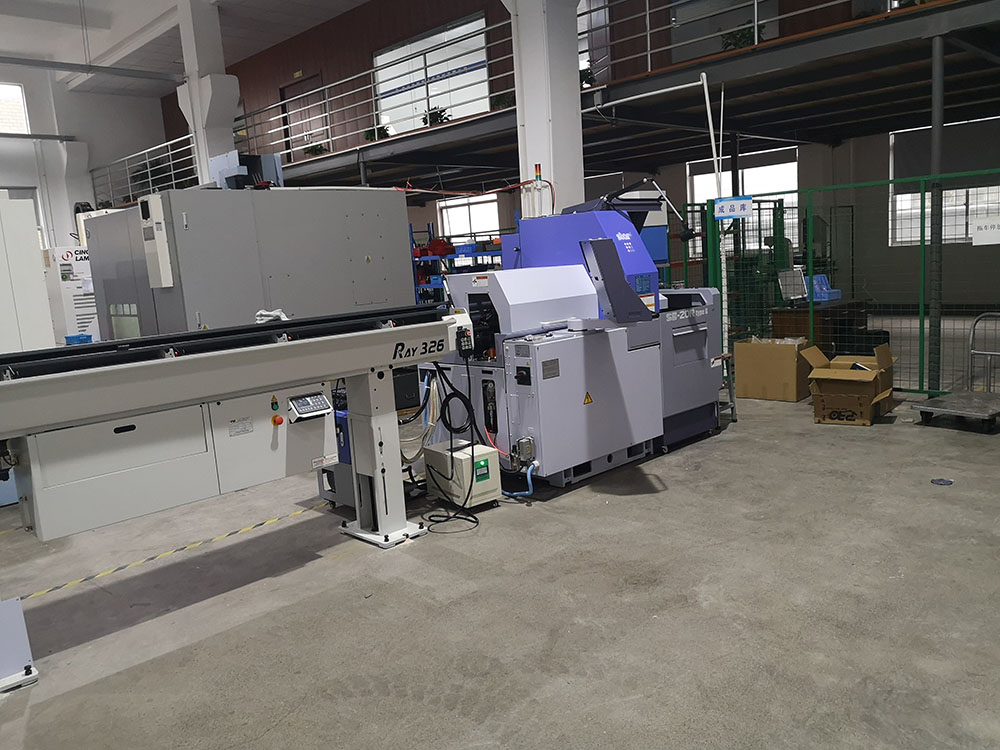
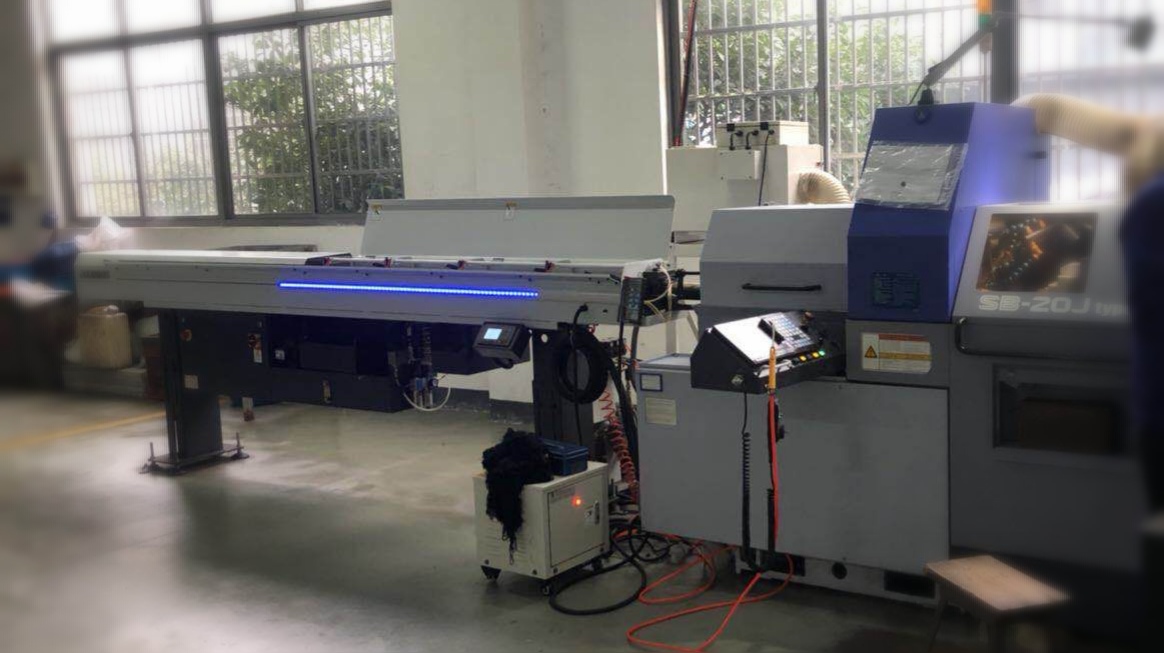
By optimizing tooling setups and using multi-axis Swiss CNC turning lathes, we ensure fast turnarounds. This setup supports rapid prototyping for clinical trials and scales seamlessly to high-volume commercial production runs.
Securing regulatory approvals like the FDA 510(k), CE mark, or China NMPA registration represents a major milestone for medical device developers. The quality of internal mechanical components, implantable alloys, and surgical tools is key to passing these audits.
Maka Medical ensures complete component traceability by providing full material certification (ISO 13485 compliant) for every production run. Our team assists international buyers throughout the technical documentation process, providing detailed mechanical test logs, chemical composition reports, and cleanroom validation certificates. We help ensure your final device meets strict international healthcare standards.
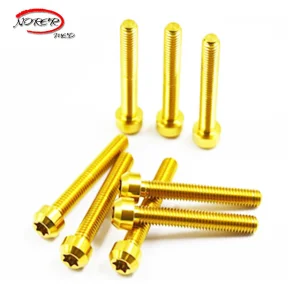
Whether you need titanium pediatric spine screws or veterinary ACIF PEEK locking cages, our manufacturing processes are designed to align with strict regulatory guidelines. This makes regulatory audits smoother and helps accelerate your product launch.
A guide for procurement managers sourcing critical surgical components.
Always verify that your supplier uses certified ELI (Extra Low Interstitial) Grade 5 Titanium (Ti-6Al-4V ELI) and implant-grade Polyetheretherketone (PEEK). Insist on receiving raw material test reports for every batch.
Robotic surgical tools require precise tolerances to interface correctly with automated arms. Confirm that your partner uses modern CNC Swiss-style lathes capable of holding tolerances within ±0.005mm.
Implants must be cleaned using validated multi-stage ultrasonic systems and packaged in Class 10,000 (ISO Class 7) cleanrooms to minimize bioburden and particulate contamination.
Expert answers regarding materials, precision machining, and custom manufacturing processes.
PEEK (Polyetheretherketone) provides a modulus of elasticity that closely matches human cortical bone, reducing the risk of implant subsidence. Its radiolucent properties also prevent imaging artifacts, allowing surgeons to monitor bone fusion using CT and MRI scans.
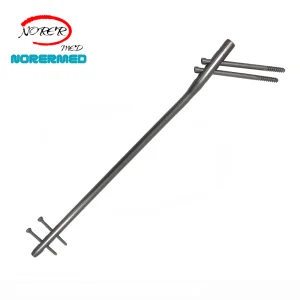
We manufacture our intramedullary nails using multi-axis CNC Swiss-type machining centers. Every production batch is inspected using automated optical coordinate measuring machines (CMM) to ensure that the interlocking holes and outer dimensions match the specified tolerances.
Yes, we specialize in OEM/ODM production. We can manufacture components directly from your 3D CAD files (STEP/IGS format) and work with you to optimize designs for manufacturability, ensuring consistent, cost-effective production.
Our manufacturing systems operate under ISO 13485 quality standards. We offer full component traceability, material certifications, and chemical testing reports to support your regulatory approval processes.
Engineered for human and veterinary orthopedics, designed to deliver high torque resistance and stable fixation.
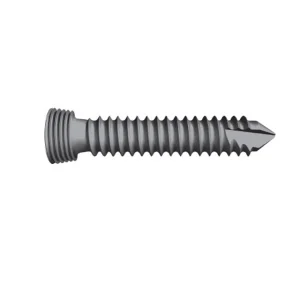
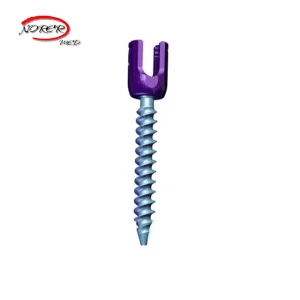
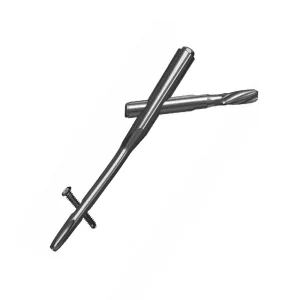
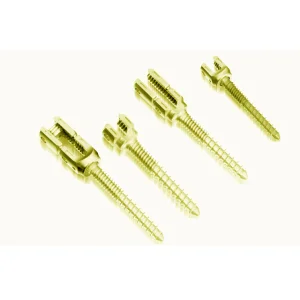
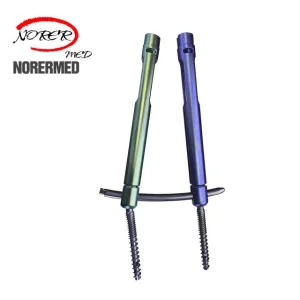
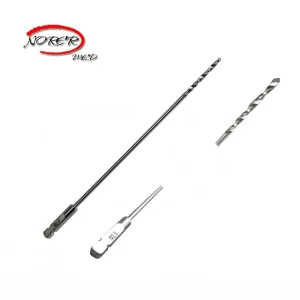
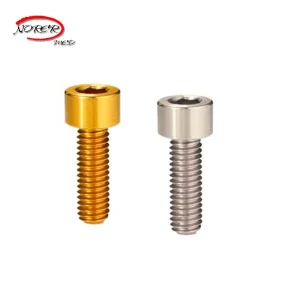
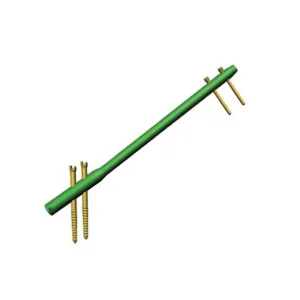
We are located in Changzhou city, CHINA. We are an Orthopedic Trauma bone plate, bone screw, orthopedic Interlocking nail, orthopedic spine pedicle screw, Cervical Plate, PEEK cervical & lumbar cage and related equipments manufacturer.
Through continuous investment in modern manufacturing infrastructure, we help global medical device brands and clinical institutions turn advanced product designs into reality. Our facilities are optimized for medical-grade raw materials (including Titanium Alloys and implantable PEEK polymer composites), enabling us to provide reliable products that meet strict international regulatory standards.