Maka Medical Surgical
Maka Medical Surgical
Maka Medical Surgical
Engineered for extreme biomechanical compatibility and perfect synchronization with surgical light optics.
Modern surgical environments depend heavily on optimal visual fields. Surgical lighting is no longer just about generating light; it is about precision optics, thermal management, and color rendering. In challenging surgical settings, such as orthopedic reconstruction, hip joint replacements, and intramedullary nail fixations, the surgeon's ability to distinguish micro-structures is critical. A minor shift in tissue hue or a momentary blind spot caused by a shadow can significantly impact surgical outcomes.
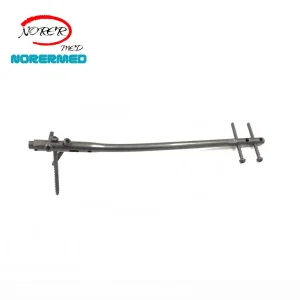
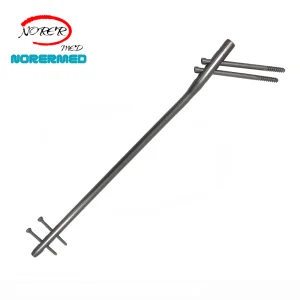
When implants like Titanium Tibial Interlocking Nails or PFNA Intramedullary systems are navigated into position, the metallic surface can create intense specular reflections. Top-tier surgical lighting manufacturers solve this issue through advanced anti-glare technology and precise Color Rendering Indexes (CRI, specifically targeting R9 for deep red tissues and R13 for skin tones). Having lighting systems that work in harmony with instruments ensures that surgical teams can perform long hours of complex operations without experiencing eye fatigue.
When sourcing surgical lighting systems on a global scale, procurement officers and clinical directors must look beyond price. Evaluating a manufacturer requires auditing their engineering capability, compliance structure, and optoelectronic advancements. Below are the key evaluation criteria for world-class medical lighting factories:
Additionally, modern systems integrate high-definition camera brackets, voice control mechanisms, and autonomous brightness adjustment features. These options adapt dynamically based on the positioning of the surgeon’s head and the contrast levels of the surgical site.
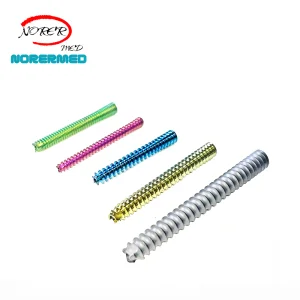
China has transitioned from high-volume assembly to advanced, high-precision engineering of medical equipment and orthopedic implants. Hubs like Changzhou in Jiangsu Province host some of the world's most integrated medical supply chains. This region is home to leading manufacturers of orthopedic trauma bone plates, bone screws, intramedullary nails, and spine fixation components, along with the high-performance lighting systems needed to support these surgeries.
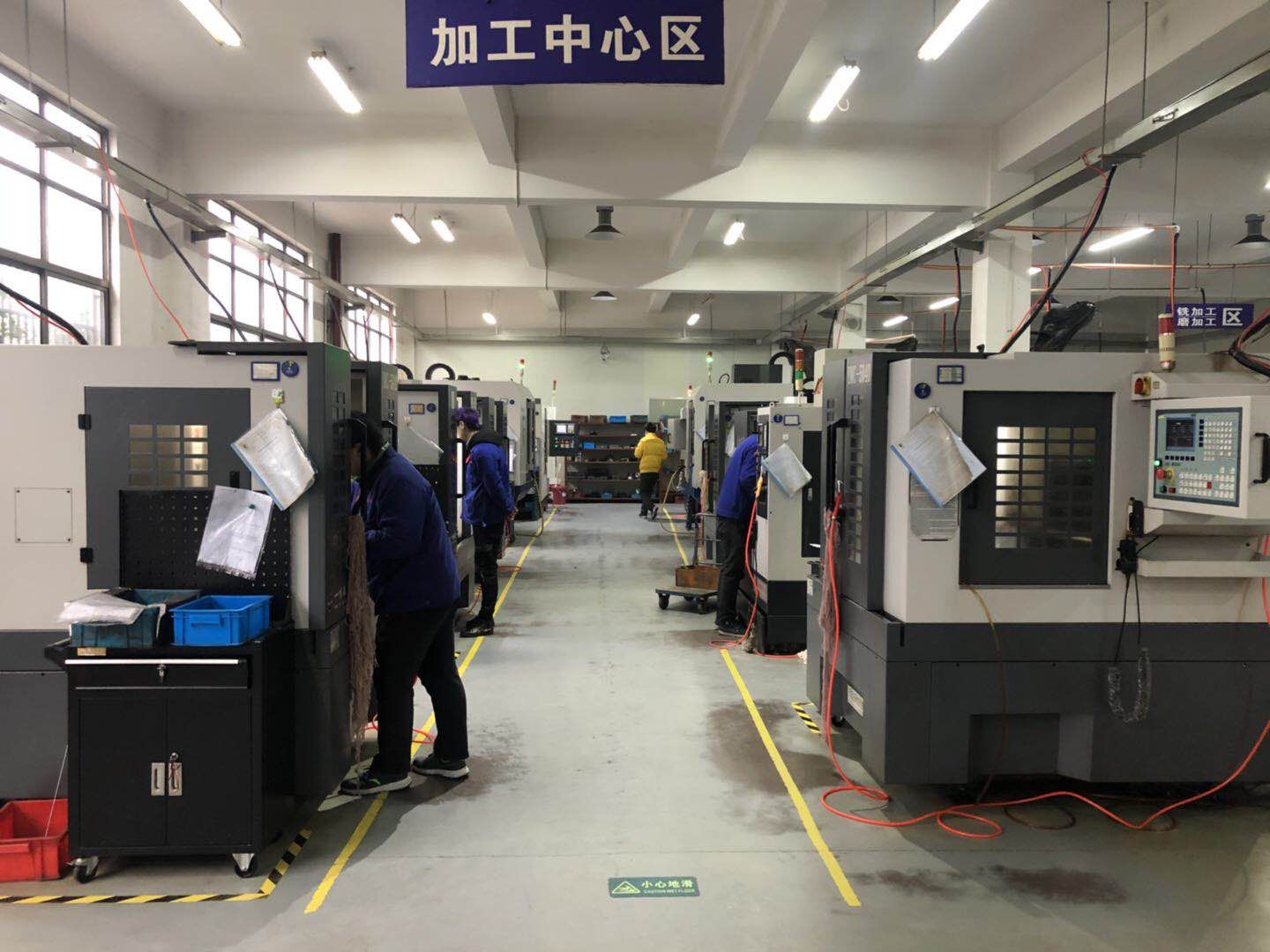
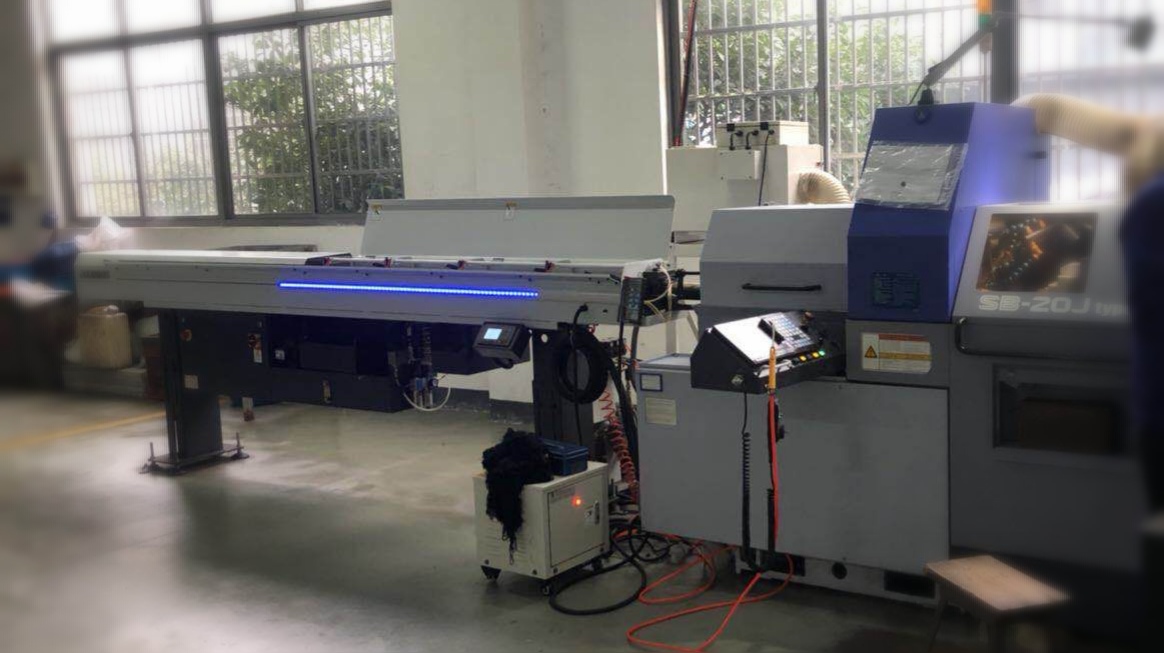
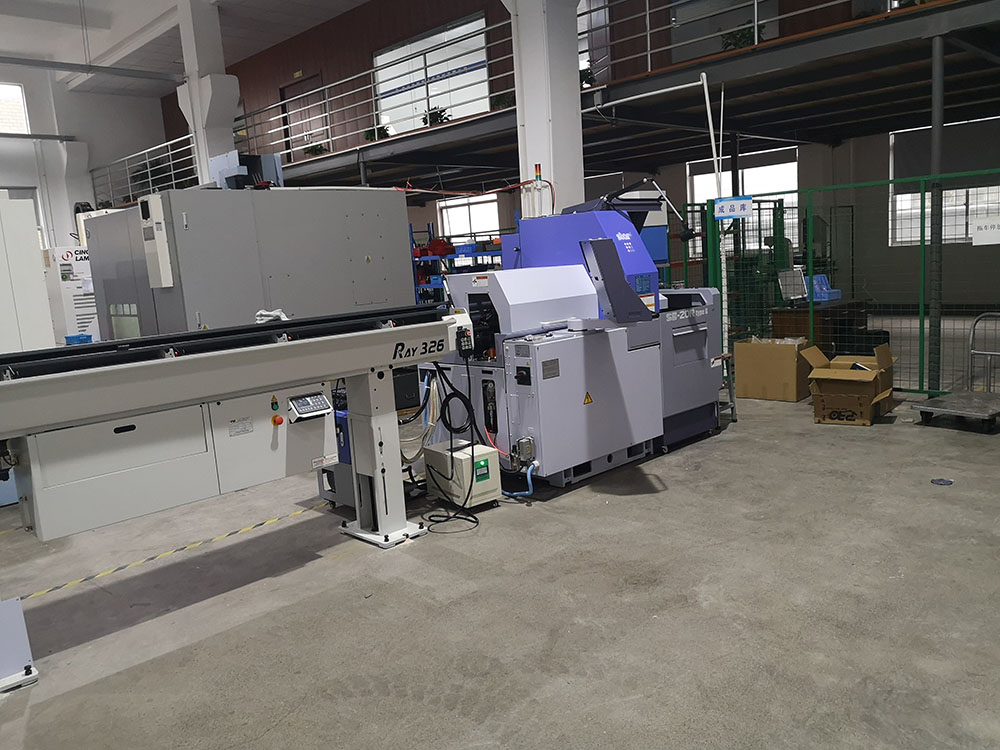
This localized concentration of material science, precision machining (utilizing Swiss and Japanese CNC technology), and strict quality control enables companies to control costs while maintaining high quality standards. A factory in this environment benefits from immediate access to medical-grade Titanium, PEEK, and specialized optical components. This integration significantly shortens the distance between design, testing, and production phases, which in turn benefits global OEM partners through accelerated lead times and competitive pricing.
For international buyers looking to partner with a top-tier surgical lighting or orthopedic implant factory, navigating regional regulations is a key consideration. The medical device industry requires strict adherence to international safety standards, and top-tier factories invest heavily in certification programs to support global distribution.
By establishing localized maintenance depots and training programs, manufacturers ensure that their equipment delivers long-term, trouble-free operation inside clinical environments globally.
Surgical lighting needs vary significantly depending on the depth and nature of the surgical site. A one-size-fits-all approach can compromise visual precision. Below, we examine the lighting requirements for critical surgical interventions:
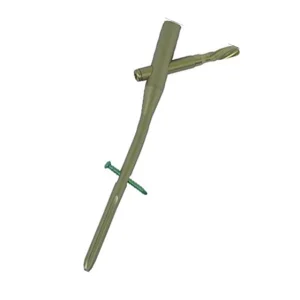
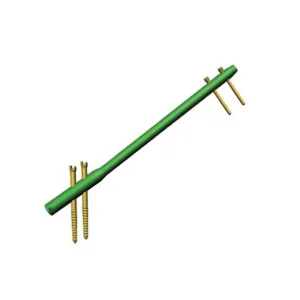
During intramedullary nailing procedures (e.g., using a Femur Reconstruction Nailing System or PFNA Interlocking Nails), surgeons operate through narrow incisions. Deep cavity lighting requires a narrow, focused light column with high shadow dilution. This prevents the surgeon's hands and instruments from casting shadows over the entry path into the femoral canal.
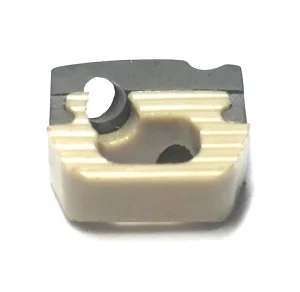
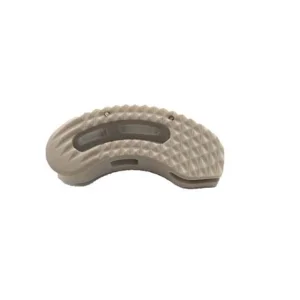
Inserting components like a PEEK Lumbar TLIF Cage or Cervical Locking Infusion Cage requires extreme precision. The surgeon must work adjacent to delicate neurological and vascular systems. The lighting must provide a high Color Rendering Index (R9 and R12) to help differentiate nerve roots from connective tissues and bone surfaces.
Large open surgical fields, such as those in total hip or knee replacements, require broad, uniform light fields. The light beams must run cool to prevent tissues from drying out during extended procedures, while maintaining stable, bright illumination across the entire open area.
Integrating high-performance orthopedic implants with advanced surgical toolkits to support modern operating rooms worldwide.
Engineered to meet international clinical standards and optimized for high-intensity shadowless OR lighting systems.