 Maka Medical Surgical
Maka Medical Surgical
Maka Medical Surgical
Explore our premium selection of clinical-grade titanium and stainless steel implants engineered for human and veterinary applications.
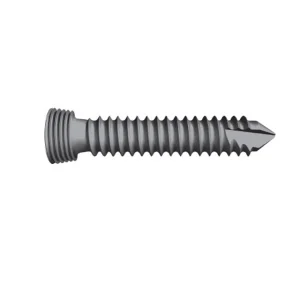
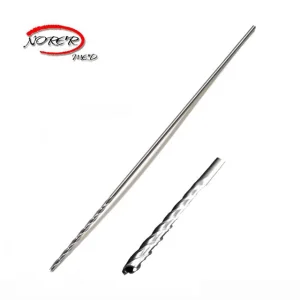
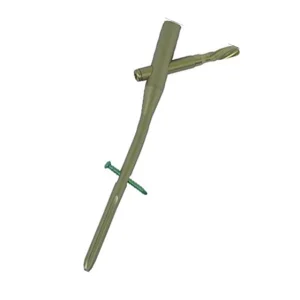
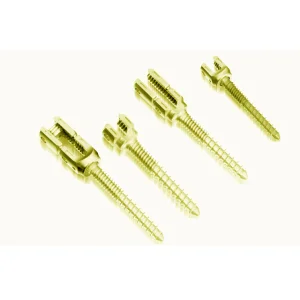
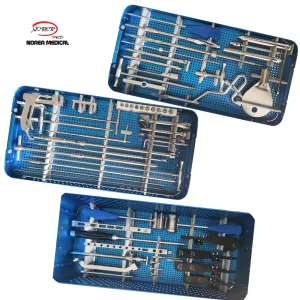
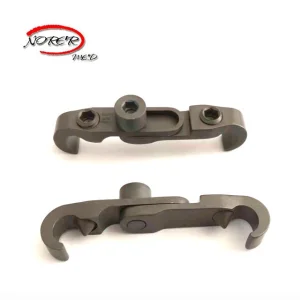
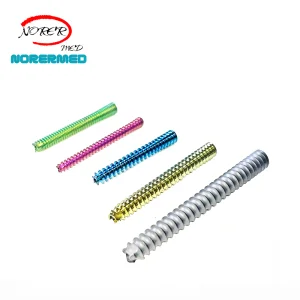
In the field of orthopedic implant manufacturing, the demand for precision, longevity, and biological compatibility is paramount. As a leading specialized manufacturer based in Changzhou, China, Maka Medical Technology Co., Ltd. is positioned at the intersection of medical engineering and high-end fabrication. This comprehensive industry analysis evaluates the biomechanical principles, metallurgical advancements, and supply chain strategies driving modern hip joint reconstruction and trauma fixation systems.
Modern hip prosthesis engineering focuses on minimizing wear rates and preventing aseptic loosening, which remains the leading cause of revision surgeries worldwide. Achieving optimal primary and secondary stability requires a sophisticated balance of geometric design and material science. Femoral stems must distribute stress uniformly across the femur to avoid stress shielding, a phenomenon where the bone surrounding the implant resorbs due to reduced mechanical loading.
Our engineering division addresses this challenge by utilizing highly biocompatible Titanium alloys (specifically Ti-6Al-4V ELI) that mimic the elastic modulus of cortical bone more closely than traditional cobalt-chromium alloys. Furthermore, advanced surface modifications, such as vacuum plasma-sprayed Hydroxyapatite (HA) coatings and highly porous titanium structures, facilitate direct bone ingrowth (osseointegration). This structural layout ensures a biological lock between the bone matrix and the implant, significantly improving long-term survivorship rates in young and active patients.
The success of total hip arthroplasty (THA) is closely linked to the wear properties of the articulating bearing surfaces. The historical evolution from metal-on-polyethylene to modern highly cross-linked polyethylene (HXPE) and vitamin-E infused polymers has drastically reduced particulate wear debris. This debris is known to trigger osteolytic pathways, leading to bone loss and implant failure.
Maka Medical's manufacturing processes integrate advanced polymeric machining alongside our primary metalworking lines. By implementing rigorous quality controls and ultra-precision CNC finishing, we minimize surface roughness values (Ra) on load-bearing surfaces. Lower surface roughness reduces friction and minimizes micro-shear forces, ensuring that our instruments and implant assemblies operate with maximum efficiency during clinical procedures.
Leveraging Changzhou's global medical device cluster to deliver cost-effective, high-volume production with uncompromised quality.
Our facility utilizes automated, multi-axis Swiss-type lathe centers. This guarantees sub-micron level tolerances for complex geometries such as polyaxial spinal pedicle screws and interlocking nails.
All raw materials, including titanium bars, surgical-grade stainless steels, and PEEK (Polyetheretherketone) polymers, are sourced from certified global mills, accompanied by chemical and mechanical test certificates.
By combining high-efficiency manufacturing cells with direct supply routes, we lower production overheads. This passes direct cost savings on to global healthcare buyers and distributors.
Understanding the clinical context of our orthopedic portfolio allows us to better serve international healthcare distributors. Our engineering team continuously refines designs to align with modern clinical preferences and protocols. Below, we break down our primary product categories by mechanical design, material composition, and intended clinical application.
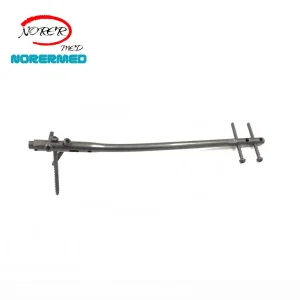
Proximal Femoral Nail Antirotation (PFNA) systems represent the gold standard for treating unstable peritrochanteric fractures. The biomechanical superiority of PFNA lies in its helical blade design. Unlike standard locking screws, the PFNA helical blade compaction mechanism compacts the cancellous bone surrounding it, rather than removing it. This greatly increases the implant's resistance to cut-out, especially in osteoporotic bone structures.
Our PFNA interlocking nail kits are constructed from high-tensile titanium alloy, offering optimal load-sharing properties while maintaining sufficient flexibility to prevent stress concentration at the distal nail tip. The system's target devices enable accurate, minimally invasive placement, which reduces intraoperative blood loss and shortens surgery times.
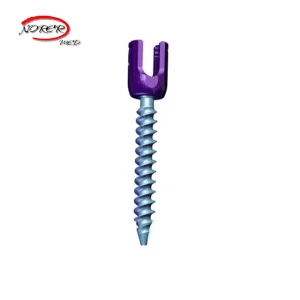
Spinal stabilization demands absolute dimensional stability. Our spinal implant line features monoaxial, uniplanar, and polyaxial pedicle screws manufactured to strict biomechanical standards. The polyaxial screw head design allows for 360-degree rotation, giving surgeons the flexibility needed to position rods in complex anatomical alignments.
The threads of our pedicle screws are engineered with a dual-lead profile to speed up insertion and increase pull-out resistance. The surface is treated with dry glass bead blasting to increase micro-roughness, promoting better bone contact. These implants are suitable for both human spinal reconstruction and advanced veterinary applications.
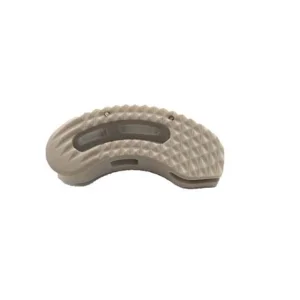
For interbody fusion procedures, PEEK (Polyetheretherketone) has emerged as the material of choice due to its radiolucent properties and elastic modulus, which closely matches human cancellous bone. Our PEEK lumbar cages feature hollow cavities for bone graft materials and integrated marker pins made of tantalum. These pins allow for clear positioning checks under fluoroscopy during surgery.
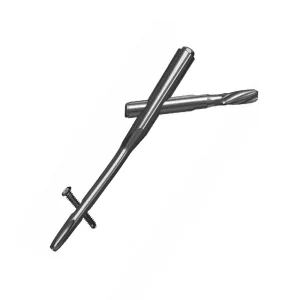
Advanced internal fixation plates, interlocking systems, and precision instruments designed for durable clinical performance.
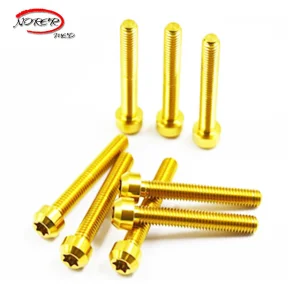
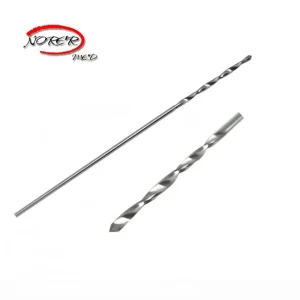
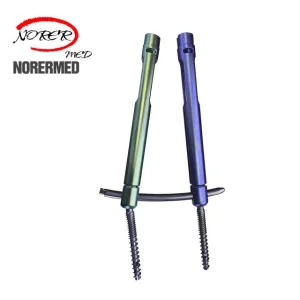
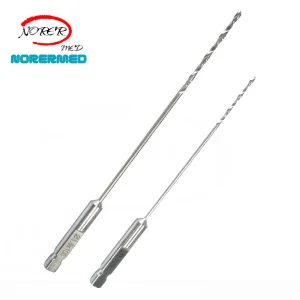
A glance inside our state-of-the-art production floors, material testing rooms, and logistics hubs.
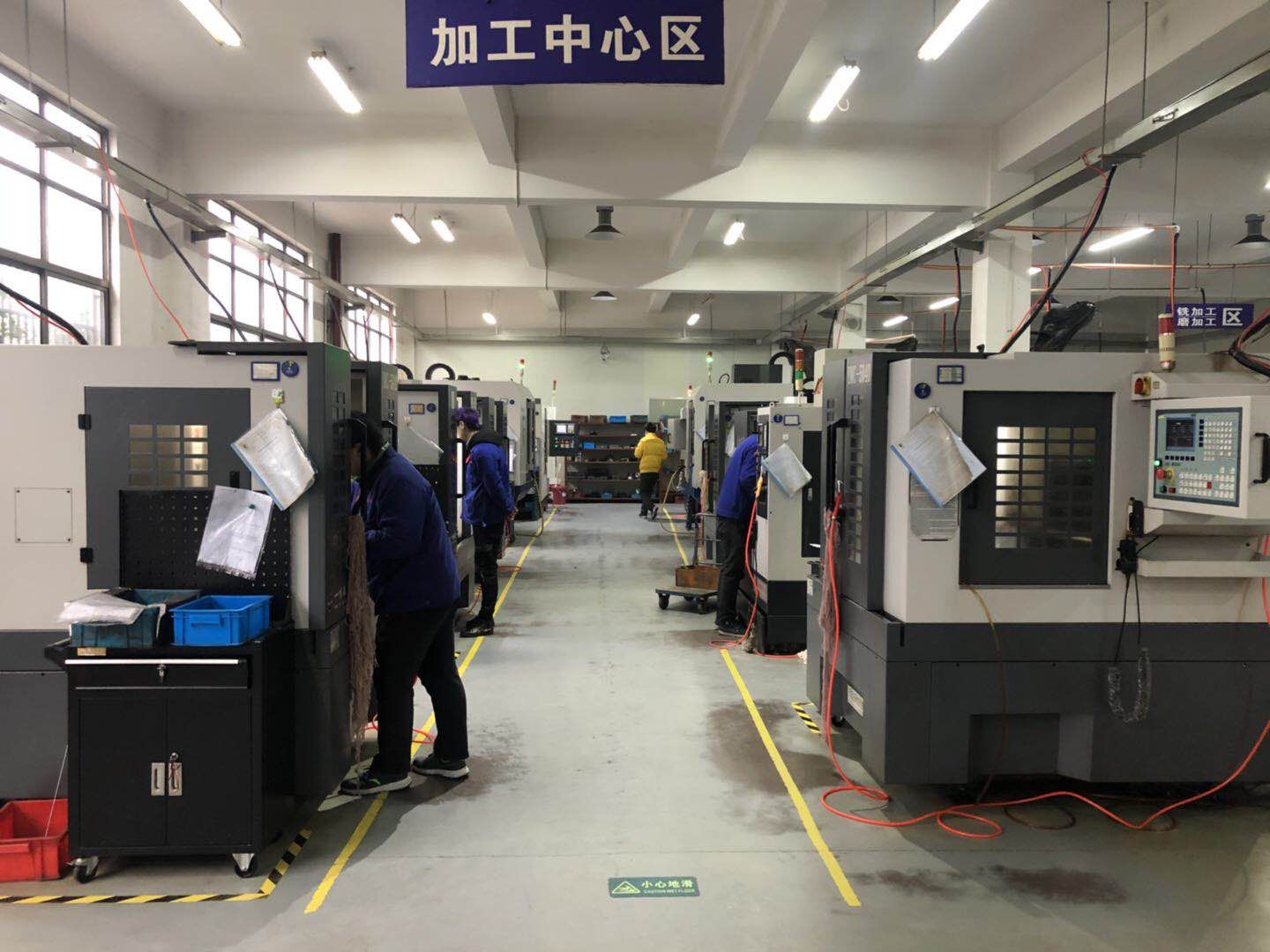
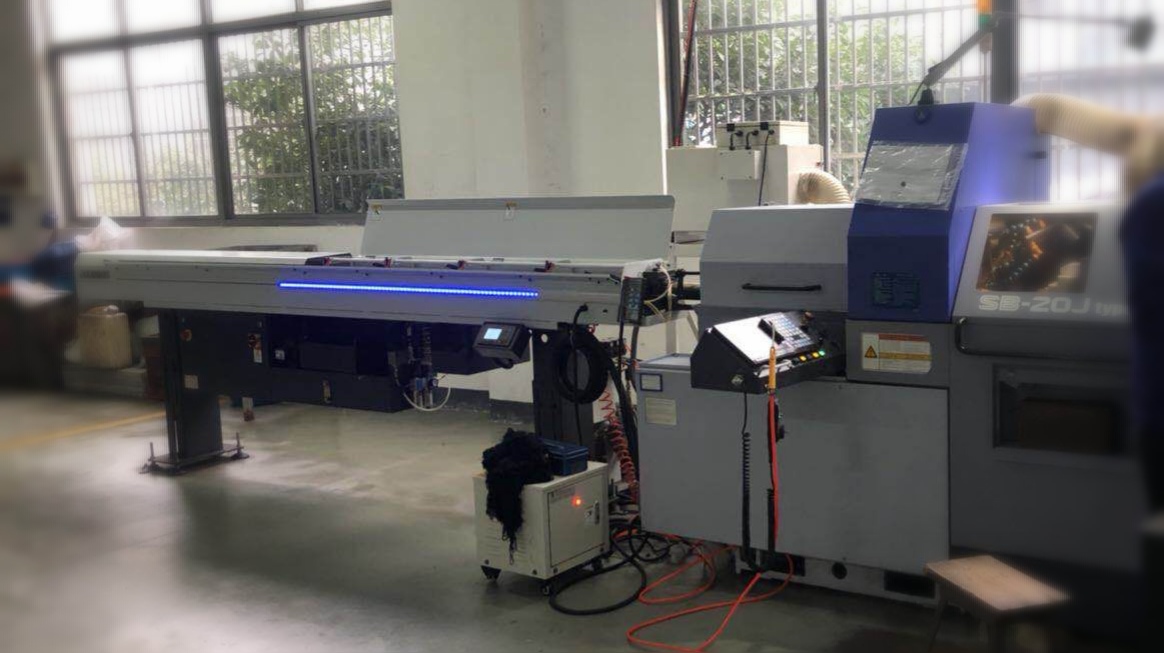
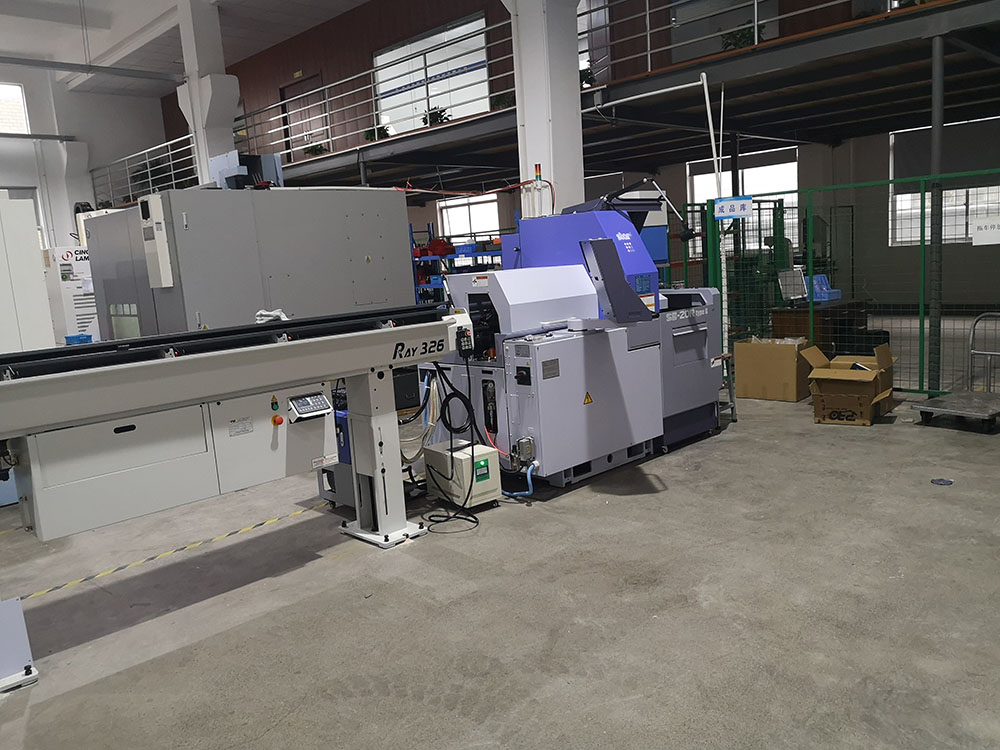
Changzhou, Jiangsu, China — Premier Orthopedic & Trauma Implants Manufacturer
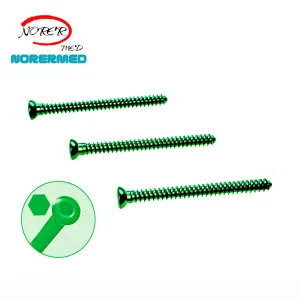
We are located in Changzhou city, Jiangsu Province, CHINA. We are a dedicated orthopedic trauma bone plate, bone screw, interlocking nail, orthopedic spine pedicle screw, cervical plate, and PEEK cervical & lumbar cage manufacturer. Through 10 years of consistent growth, we have combined advanced manufacturing with active trade channels to deliver orthopedic solutions globally.
The orthopedic implant industry is moving towards personalized medicine. Maka Medical is closely tracking two key technical trends: additive manufacturing (3D printing) and bioactive coatings.
Traditional solid titanium implants have a modulus of elasticity that is higher than human bone. This discrepancy can lead to stress shielding. By utilizing Selective Laser Melting (SLM) 3D printing technologies, manufacturers can build structures with custom porosity. These structures mimic the open-celled nature of trabecular bone, which lowers the implant's stiffness and provides a matrix that bone tissue can grow into, improving stabilization.
Preventing post-operative implant infections remains a major challenge in orthopedic surgery. Future implant generations will likely feature nanostructured surfaces doped with silver, copper, or gallium ions. These coatings act as localized antibacterial agents without needing heavy systemic antibiotics. Additionally, incorporating Bone Morphogenetic Proteins (BMPs) into osteoconductive coatings could help speed up healing in patients with compromised bone density.
Sourcing orthopedic implants from China requires a clear understanding of regulatory and quality compliance. For healthcare organizations and large-scale distributors, managing supply risks involves several key steps:
First, ensure the manufacturer has valid ISO 13485 certification. This standard covers all stages of production, from design to packaging. Second, review raw material traceability. Medical-grade titanium and PEEK must have clear documentation tracing back to the original batch numbers. Maka Medical provides complete traceability records, giving buyers confidence that our implants meet international safety standards.
Common technical, operational, and regulatory questions from international healthcare buyers and distributors.