Maka Medical Surgical
Maka Medical Surgical
Maka Medical Surgical
Advanced trauma fixation, spinal intervention implants, and precise clinical tools matching intraoperative fluoroscopic alignments.
Aligning State-of-the-Art Mobile C-arm Imaging with Modern Osteosynthesis and Trauma Interventions.
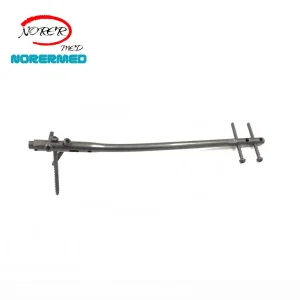
In modern surgical theaters, the efficiency of orthopedic trauma fixation and spinal reconstructive procedures is inextricably linked to real-time imaging systems. A Mobile C-arm system serves as the radiological eyes of the orthopedic surgeon. From ensuring the precise entry point of a PFNA Interlocking Nail in hip fractures to verifying the depth and alignment of a Minimally Invasive Spinal Titanium Pedicle Screw, the synergy between hardware implants and live fluoroscopy dictates patient outcomes. High-resolution imaging combined with advanced dose control allows clinical teams to perform complex maneuvers, saving precious operating room time and reducing surgical risk.
As a leading Chinese medical technology powerhouse, we bridge the gap between high-definition intraoperative fluoroscopy and implant precision. By optimizing the metal composition, radiolucency, and thread designs of our orthopedic trauma systems, we ensure minimal scatter and ultimate clarity under C-arm scans. Global distributors and hospitals benefit from a consolidated procurement channel that delivers both matching trauma toolkits and insight into fluoroscopic configuration compatibility, raising the standard of care worldwide.
Seamless alignment of locking plates, intramedullary expert systems, and PEEK cages under real-time fluoroscopic feedback, minimizing alignment deviations.
Surgical implants designed to prevent X-ray artifacts, enabling C-arm systems to operate at lower dosage parameters while preserving image clarity.
Rigorous mechanical testing profiles and biocompatible processing profiles match the strict guidelines of global trauma centers and hybrid ORs.
The global medical landscape has witnessed a paradigm shift from traditional vacuum-tube-based Image Intensifiers (II) to solid-state Dynamic Flat Panel Detectors (FPD) in Mobile C-arms. FPD systems eliminate geometric distortion (such as pincushion and S-distortion) and offer a wider dynamic range. This development enables surgical teams to view micro-fractures and fine implants, such as ACIF PEEK Locking Infusion Cages or cervical spine plate locking systems, with extreme precision. The absence of screen artifacts allows for flawless positioning during spinal screw deployment, where a misalignment of even 1 millimeter can result in neurological complications.
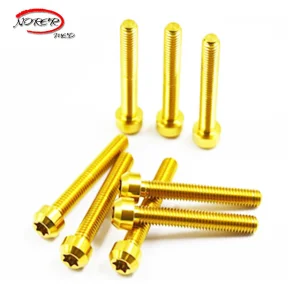
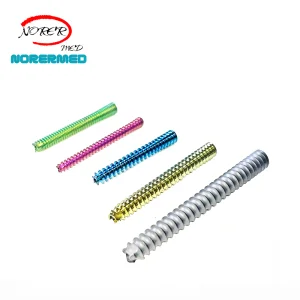
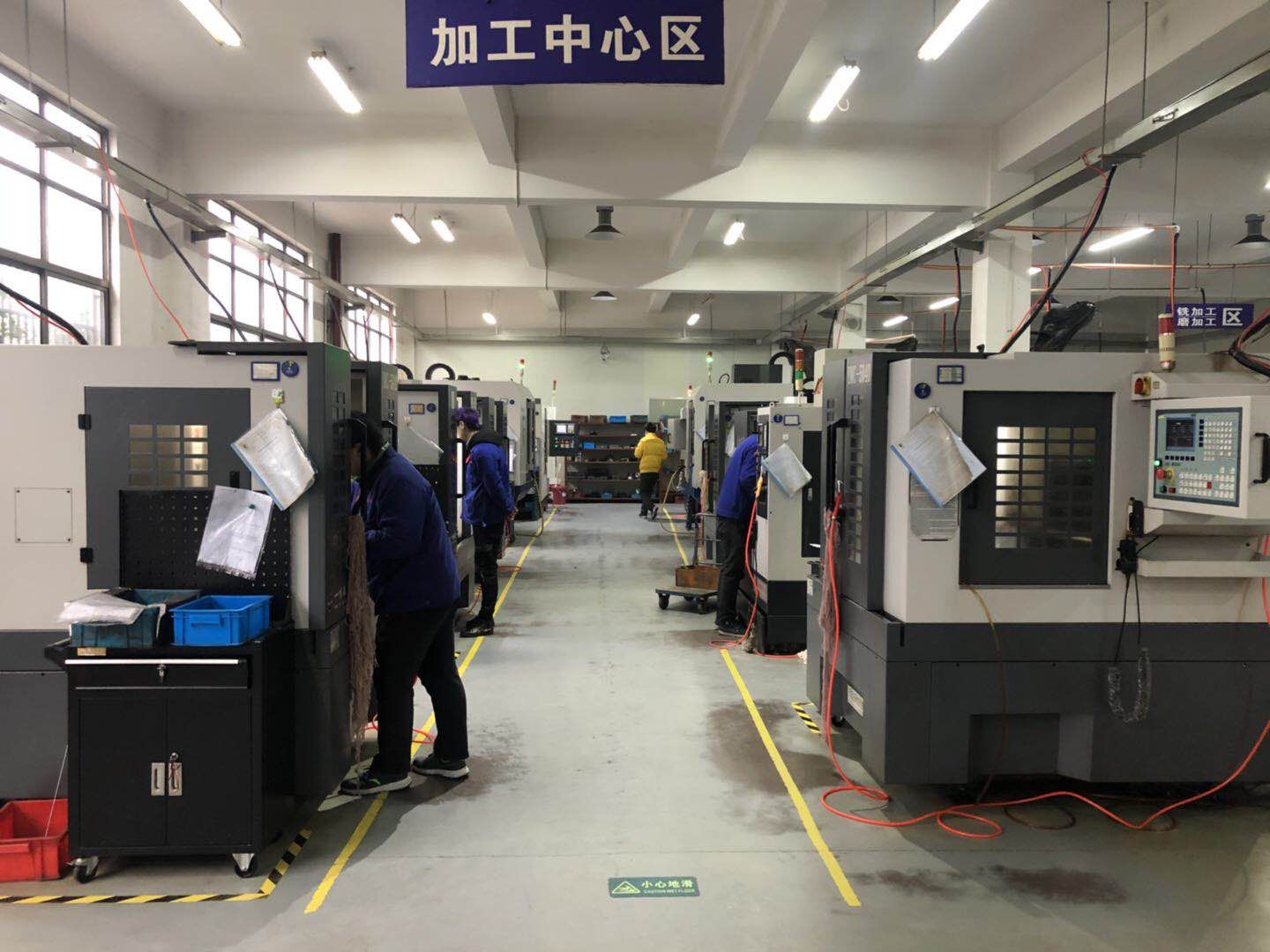
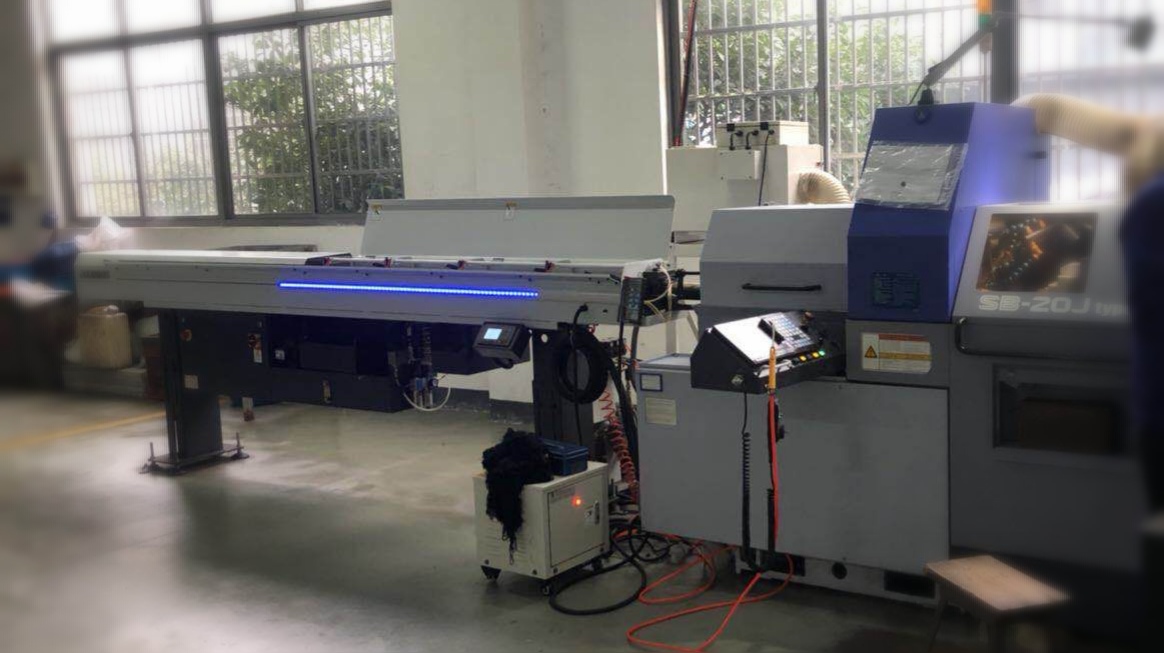
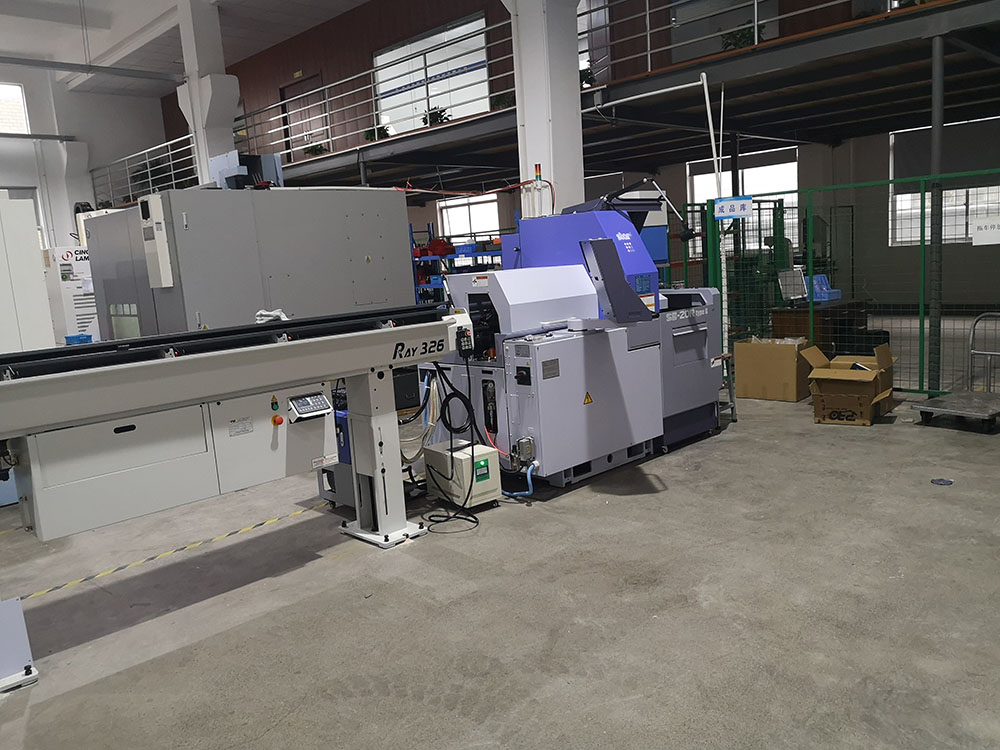
High-density metals like Stainless Steel 316LVM and Titanium Alloy (Ti6Al4V) present unique challenges under fluoroscopy. They generate strong metal artifacts (white starburst streaks) that obscure bone-implant interfaces. Modern Mobile C-arms employ software-based MAR algorithms, while implant manufacturers optimize target shapes. By applying micro-precision CNC machining (as seen in our Chinese Titanium Screw Machining Production), we ensure uniform density distribution, reducing beam-hardening effects and scattering. This enables the operator to clearly inspect the interface between the cortical bone and the screw threads during fixation.
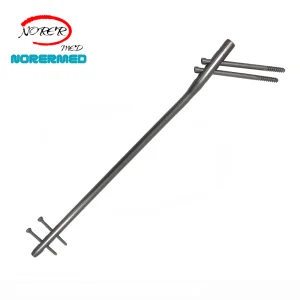
With clinical staff performing multiple fluoroscopic-guided interventions daily, reducing cumulative radiation dose is paramount. Modern Mobile C-arms utilize Pulsed Fluoroscopy instead of continuous exposure, cutting the patient and operator radiation dose by up to 70% without sacrificing image quality. Advanced collimation techniques—such as virtual collimation without radiation exposure—paired with high-frequency generator technology, deliver optimal kV and mA settings on the fly. This matches the needs of long surgical procedures, such as expert tibial interlocking nailing systems, which require repeated AP and lateral checks.
The future of orthopedic trauma and spine surgery lies in the integration of Mobile C-arms with computer-assisted navigation systems. By linking the C-arm's digital image output to optical tracking systems, surgeons can plan trajectories for pedicle screws or distal locking nails in real time. Our titanium systems and interlocking nail guides are built to accommodate standard navigation tracker clamps, supporting transition workflows from manual navigation to fully autonomous robotic positioning systems.
Located in the orthopedic manufacturing hub of Jiangsu province, China, Maka Medical Technology Co., Ltd. has established itself as an innovative partner for orthopedic hardware and surgical instrument configurations. Our facilities rely on advanced manufacturing pipelines to supply global markets with CE-compliant and highly specialized orthopedic trauma components.
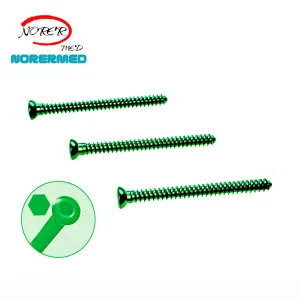
Supplying orthopedic medical devices and integration guides for Mobile C-arms demands strict adherence to global regulatory frameworks. Under the revised MDR (Medical Device Regulation) in Europe and FDA requirements in the Americas, manufacturers must provide complete documentation regarding bio-compatibility, raw material traceability, and sterilization validation. Maka Medical ensures that all manufactured titanium rods, cortical screws, and reconstruction nail systems hold corresponding chemical composition certificates, physical testing reports, and batch numbers traced back to raw titanium ingots.
Our localized support structure guarantees prompt communication, customized OEM packaging options, and full technical documentation to assist distributors in local product registrations. We work closely with shipping partners experienced in handling sensitive medical products, ensuring sterile barrier packaging is preserved from our cleanroom in Changzhou directly to the client hospital's logistics depot.
Find technical answers about product compatibility, material characteristics, and imaging specifications.
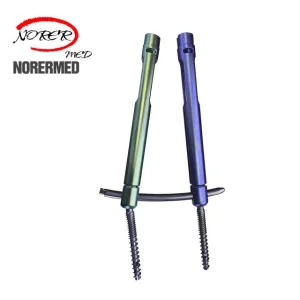
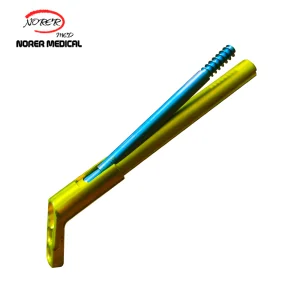
Yes. Our titanium locking systems, intramedullary nails, and pedicle screws are engineered to align with global standardized clinical surgical procedures. They work in harmony with major imaging systems (including Siemens, Philips, GE, and Ziehm C-arms). The radiopaque profiles are optimized to show clear contours under fluoroscopy, allowing surgeons to determine the placement and depth of screws without excessive artifact interference.
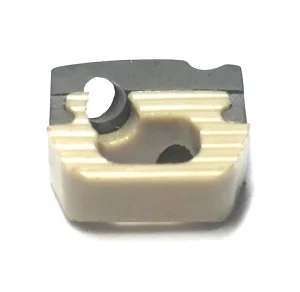
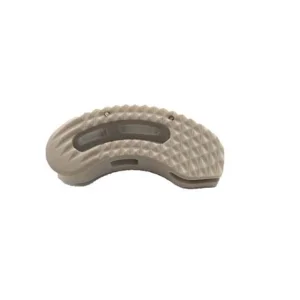
We strictly utilize implant-grade Titanium Alloy (Ti-6Al-4V ELI) and PEEK (Polyetheretherketone) from certified suppliers. PEEK is ideal for cervical and lumbar cages (such as our TLIF and ACIF cages) because it matches the elastic modulus of human bone and is radiolucent, allowing surgeons to monitor bone fusion through periodic postoperative X-rays without metal obstruction.
Modern flat-panel C-arms feature built-in metal artifact reduction (MAR) algorithms that enhance visualization near metallic implants. However, using high-precision milled titanium implants (which have a uniform cross-section and density) reduces initial scattering. Choosing our high-precision implants allows C-arm software to generate cleaner images with less noise, making spinal and articular reconstructions safer.
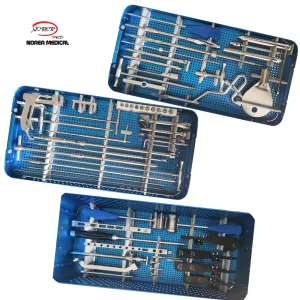
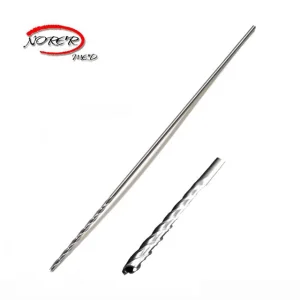
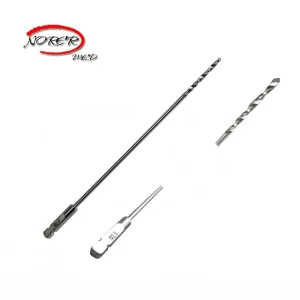
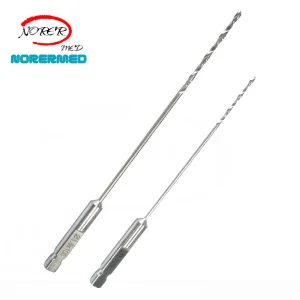
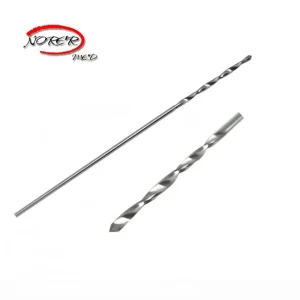
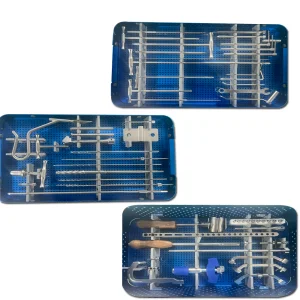
Yes. We offer quick-coupling and AO-coupling stainless steel drill bits, expert intramedullary nail surgical kits, and pelvic/pedicle screw insertion kits. Our mechanical tools are designed for high repeatability, thermal management during drilling to prevent bone necrosis, and smooth interaction with implant locking mechanisms.
High-grade stainless steel bits, specialized locking systems, and crosslink rods for comprehensive orthopedic operations.