 Maka Medical Surgical
Maka Medical Surgical
Maka Medical Surgical
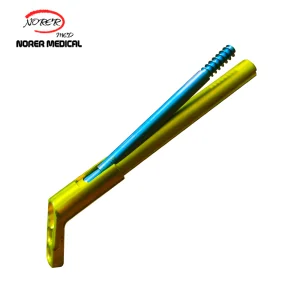
Orthopedic Titanium Femoral Neck Nail Plate Locking Screw System (FNS)- Bone Fixation Implant
View Specifications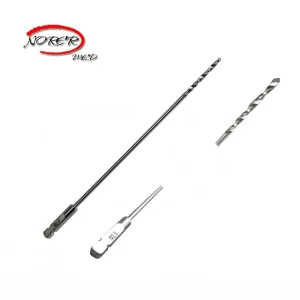
China Medical Orthopedic Stainless Steel Drill Bit With Quick Coupling
View Specifications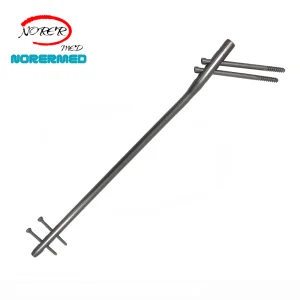
Chinese Medical Orthopedic Intramedullary Expert Femur Reconstruction Nailing Interlocking Nail System for Femoral Neck Fixat
View Specifications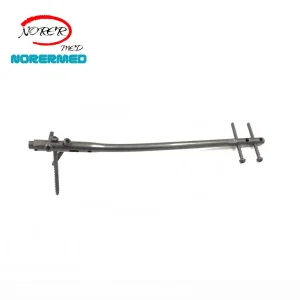
Titanium Orthopedic Tibial Interlocking Nail(Expert), Expert Tibial Nailing System
View Specifications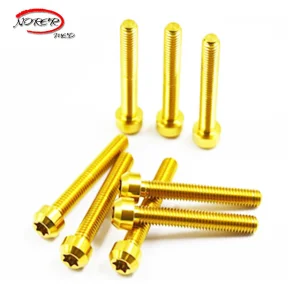
Chinese Titanium Screw Machining Production Manufacture Titanium Rod
View Specifications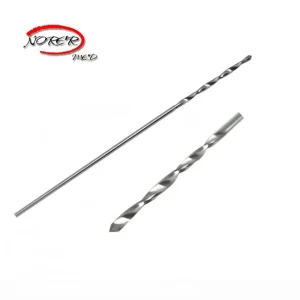
China Medical Orthopedic Stainless Steel Drill Bit
View Specifications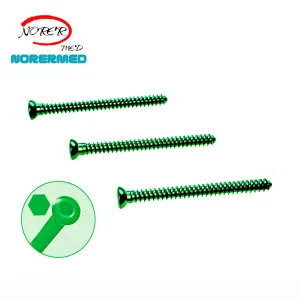
Made in China Titanium Orthopedic Cortical Screw Cancellous Screw Implant for Bone Plate Fragment Fixation
View Specifications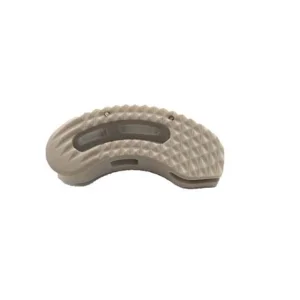
Chinese High Quality Veterinary Orthopedic PEEK Lumbar TLIF Cage
View SpecificationsHow high-precision orthopedic implants and surgical instruments form the physical foundation required for post-operative physical therapy and restorative mobility protocols.
In the field of orthopedic medicine, the path to patient recovery is a continuous spectrum starting with high-precision surgical intervention and concluding with extensive post-operative physical therapy. While physical therapy focuses on muscle strengthening, gait training, and restoring range of motion, none of these interventions are possible without the mechanical stabilization of the skeletal framework. Leading manufacturers like Maka Medical Technology Co., Ltd. bridge this gap by producing the precise titanium bone plates, interlocking nails, pedicle screws, and PEEK cages that secure compromised bones and joints, permitting early mobility and weight-bearing exercises—the core prerequisites of successful physical therapy.
Global demand for advanced trauma implants and orthopedic devices has surged, driven by aging populations, rising rates of sports injuries, and a growing emphasis on minimizing recovery times. Sourcing from experienced Chinese manufacturers offers medical distributors, hospital procurement networks, and veterinary clinics the high-spec metallurgical and polymer components needed to achieve reliable clinical outcomes at sustainable price points. This whitepaper analyzes the manufacturing landscape, technological roadmaps, and localized clinical applications that position Changzhou's medical manufacturing hub at the forefront of global orthopedic supply chains.
Utilizing premium Medical Grade 5 Titanium (Ti-6Al-4V ELI) and implant-grade PEEK polymers to guarantee biostability and superior mechanical tensile strength.
Utilizing high-precision Swiss-type sliding head CNC lathes to achieve tolerances within microns for complex interlocking nails and cortical screws.
Stringent production controls optimized for international standard markets, backed by rigorous ISO 13485 certification and testing processes.
Why Changzhou, Jiangsu is the global capital for sourcing high-reliability orthopedic trauma and spinal fixation systems.
The concentration of orthopedic manufacturing in Changzhou, Jiangsu Province represents one of the most mature industrial clusters in the medical device sector. Industrial clusters provide significant sourcing efficiencies by grouping material refineries, testing labs, surface treatment facilities, and packaging specialists within a localized radius. For international buyers, this translation of geographical convenience results in dramatically reduced lead times, seamless customization cycles, and competitive pricing schedules that are unachievable in fragmented manufacturing environments.
A key aspect of this supply chain resilience is the vertical integration of production phases. When sourcing complex systems such as the Orthopedic Titanium Femoral Neck Nail System (FNS) or PFNA Interlocking Nails, the production cycle demands multiple discrete processes: precision milling of raw titanium rods, internal thread tapping, surface anodization (color-coded for clinical ease of use), acid etching, cleanroom washing, and sterile-barrier packaging. In the Changzhou hub, these steps are optimized through established logistics loops, minimizing transport-induced contamination risks and ensuring high compliance with international sterile processing standards.
Operating as a key vendor in this region, Maka Medical Technology Co., Ltd. leverages a lean business profile that combines the agility of a trading and customization partner with deep localized factory integration. Sourcing through integrated entities allows international distributors to circumnavigate language barriers and navigate local regulatory documentation, while maintaining direct access to factory-floor pricing and custom engineering adjustments for human or veterinary applications.
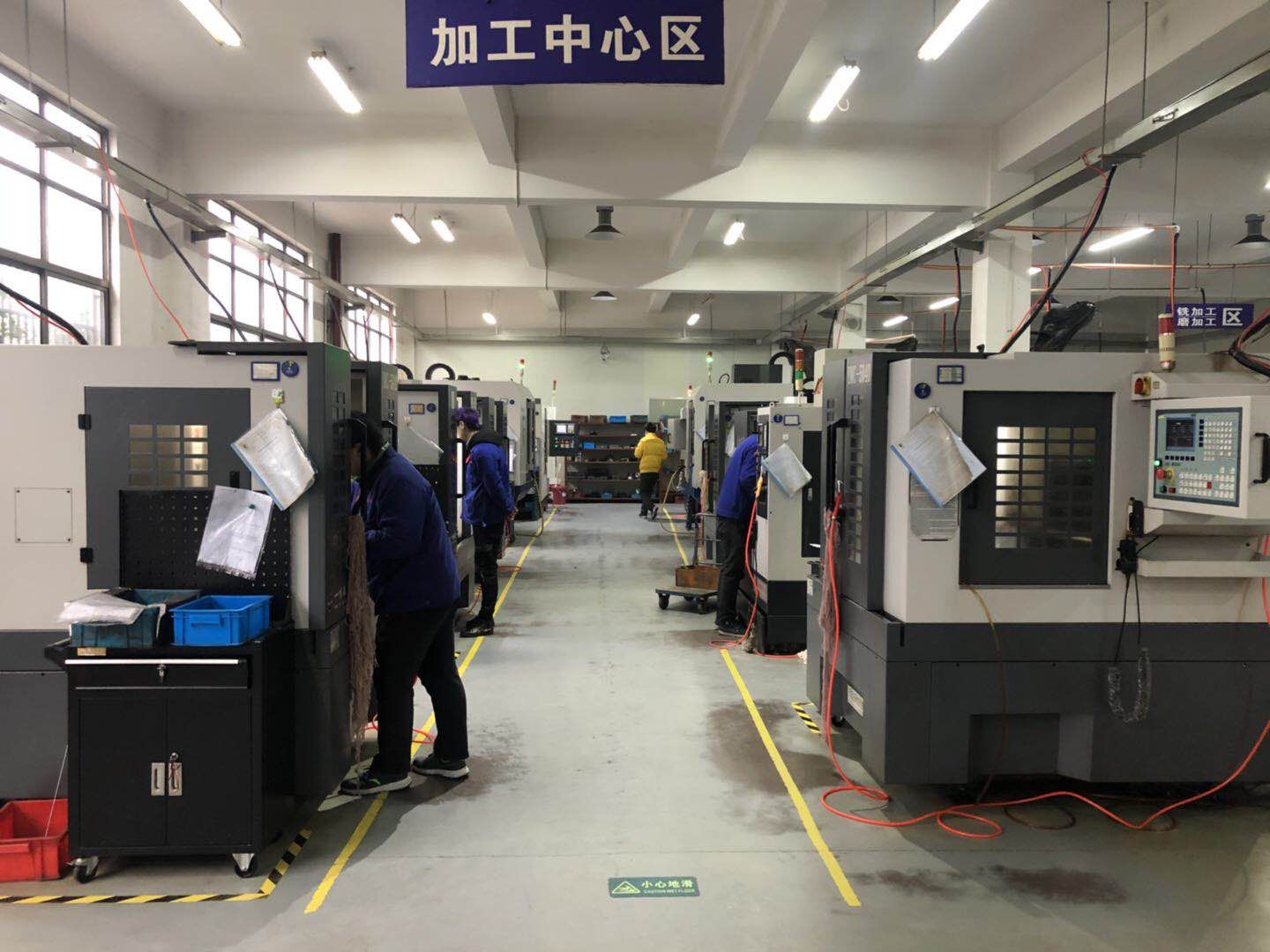
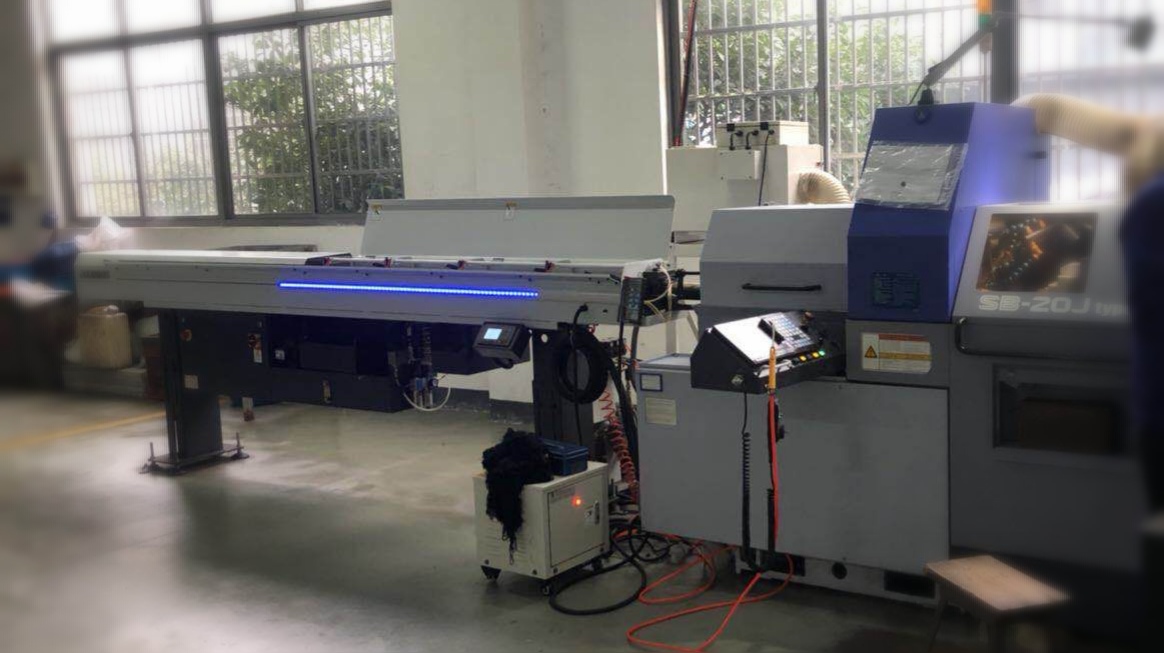
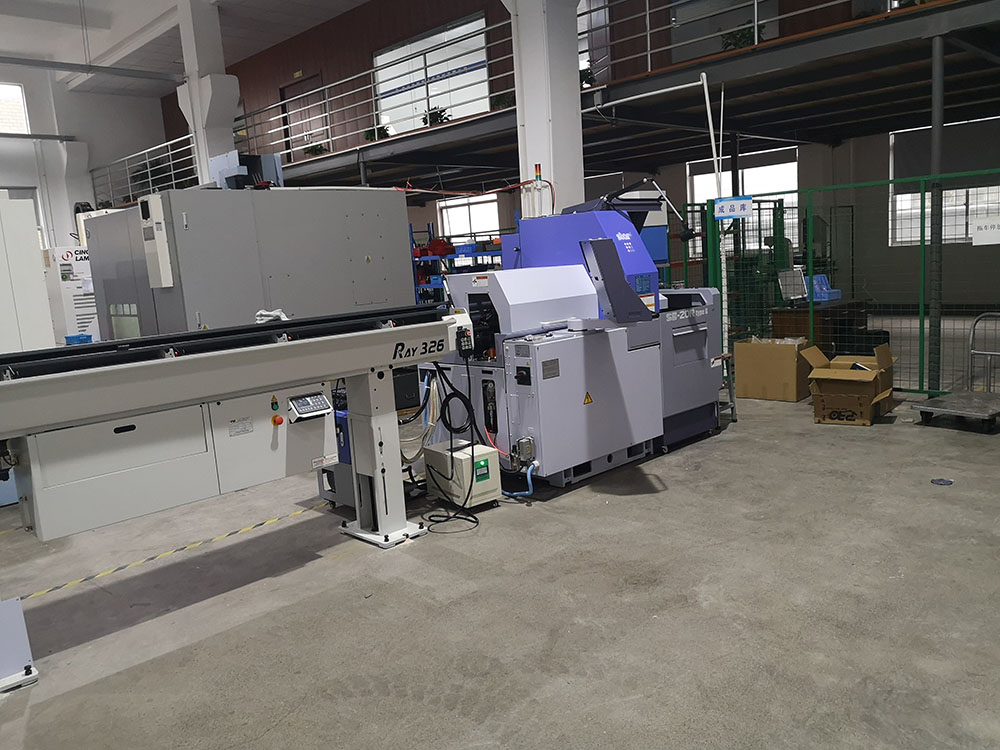
An analysis of next-generation materials like PEEK polymers and medical-grade titanium alloys in post-operative structural stability.
The clinical efficacy of any bone plate or spinal implant relies heavily on its mechanical interaction with host bone tissue. In bone-fixation chemistry and physics, a key challenge is addressing "stress shielding." When an implant is overly rigid, it absorbs all mechanical loads, depriving the healing bone of the stress stimulation required to trigger natural osteogenesis—a fundamental concept in physical therapy rehabilitation. To address this, the industry's technological roadmap has diverged into two key material pathways:
Titanium remains the gold standard for high-stress trauma applications. Implants like the Tibial Interlocking Expert Nailing System and the Femur Reconstruction Interlocking Nail utilize Extra Low Interstitial (ELI) Grade 5 Titanium. The ELI designation indicates minimized carbon, hydrogen, and oxygen impurities, which improves fracture toughness and fatigue resistance. This ensures that when patients undergo early weight-bearing exercises during physical therapy, the implant can withstand cyclical loading without experiencing micro-fractures or shedding metal debris.
For spinal reconstruction, PEEK has emerged as a disruptive material, particularly in lumbar and cervical cage designs (such as the Veterinary ACIF PEEK locking cage and Lumbar TLIF Cage). PEEK closely mimics the elastic modulus of human cortical bone, which helps distribute mechanical stress naturally through the vertebral column. Additionally, PEEK is completely radiolucent, allowing surgeons to monitor bone fusion progress under X-ray without the visual artifacts caused by metallic plates.
Understanding how implant stability directly dictates physical therapy progression in human and veterinary medicine.
The performance of orthopedic hardware determines how quickly a patient can start post-operative rehabilitation. In modern surgical protocols, prolonged immobilization is avoided to prevent muscle atrophy, joint contractures, and deep vein thrombosis. Early mobilization, guided by physical therapy, requires strong primary fixation at the fracture site.
In elderly patients suffering from femoral neck fractures, rapid mobilization is vital to prevent systemic complications. The utilization of a Titanium PFNA Interlocking Nail System provides dynamic axial compression while maintaining rotational stability. Within days of surgery, physical therapists can assist the patient in stand-and-pivot transfers, moving quickly to partial weight-bearing. If the nail system lacks structural rigidity, rehabilitation must be delayed, which can lead to poorer long-term recovery outcomes.
In veterinary medicine, managing post-operative activity is challenging because animals cannot be instructed to rest. Thus, spinal fixation hardware must be robust. Using the Veterinary Orthopedic Titanium Monoaxial Pedicle Screw System or a PEEK Cervical Locking Cage stabilizes the canine spinal column against sudden movements. This secure foundation allows veterinary physical therapists to introduce controlled hydrotherapy and passive range-of-motion exercises early, accelerating neurological and functional recovery.
Key protocols to mitigate risks when importing medical devices and orthopedic hardware from China.
Importing class-II and class-III medical devices requires careful attention to regulatory compliance. Quality failures in implants carry severe consequences, making strict supplier vetting essential. International sourcing directors should prioritize the following compliance metrics:
Expert answers to the most common technical and logistics questions regarding Chinese orthopedic implants and tools.
Veterinary Orthopedic Titanium Monoaxial Pedicle Screw for Spinal Fixation
View Specifications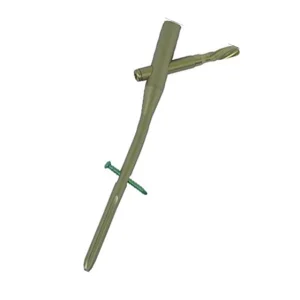
Titanium Orthopedic PFNA Interlocking Nail(Expert)-PFNA Nail for Human or Veterinary
View Specifications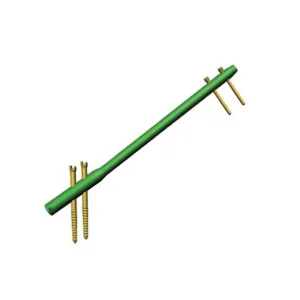
Human Orthopedic Titanium Femoral Femur Interlocking Nail GAMA
View Specifications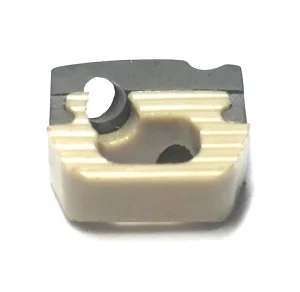
CHINA High Quality Veterinary Orthopedic ACIF PEEK Locking Infusion Cage for Cervical
View Specifications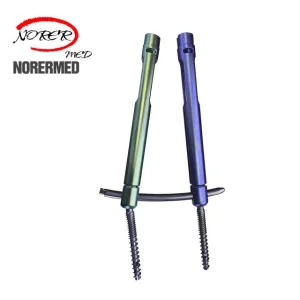
Veterinary Orthopedic Minimally Invasive Spinal Titanium Pedicle Screw
View Specifications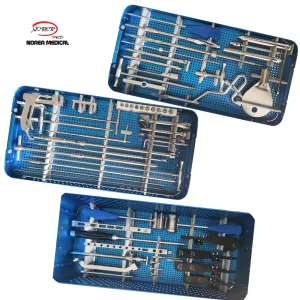
Orthopedic PFNA Interlocking Nails Instruments Kit Hip Joint Replacement Surgery (Tibial ,Femoral)
View Specifications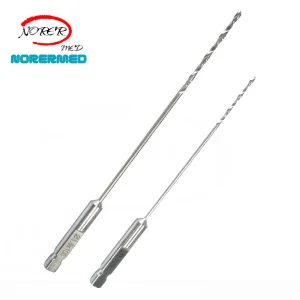
China Medical Medical Stainless Steel Drill Bit AO Coupling
View Specifications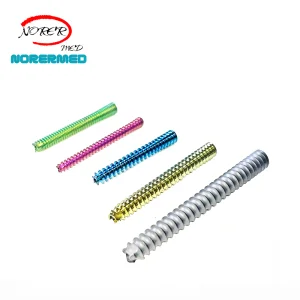
Made in China Titanium Orthopedic Headless Cannulated Compression Screw Implant for Finger Foot Fragment Fixation
View Specifications