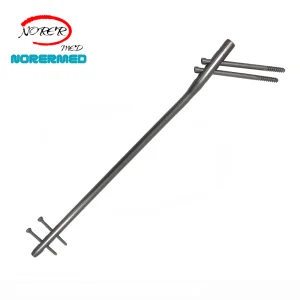
Maka Medical Surgical Maka Medical Surgical

Top China Prosthetic Limb Factory & Supplier

High-Precision Orthopedic Implants, Spine Systems, Trauma Solutions & Medical Grade Biomaterials Manufactured to Global Quality Standards

Strategic Industry Whitepaper: Global Orthopedic & Prosthetic Ecosystem

A comprehensive analysis of the manufacturing standards, clinical demands, and material sciences driving the next generation of skeletal reconstructive devices.

1. The Modern Global Landscape of Prosthetic & Orthopedic Engineering

The global orthopedic and prosthetic sector is witnessing an unprecedented paradigm shift, fueled by advancements in biomechatronics, materials science, and additive manufacturing. Historically distinct, the boundaries between external prosthetic limbs and internal orthopedic osteosynthesis devices have merged. Contemporary prosthetic design increasingly depends on osseointegration—where titanium implants are surgically embedded directly into the residual bone, creating a highly stable structural connection that eliminates traditional socket discomfort.

Concurrently, the global burden of musculoskeletal trauma, spine disorders, and joint degeneration is accelerating due to an aging population and rising rates of orthopedic complications. As a result, healthcare systems worldwide demand implant-grade systems that offer maximum biocompatibility, exceptional mechanical fatigue strength, and precise anatomical configuration. Today's global procurement networks prioritize manufacturing facilities that can seamlessly cross-specialize in internal osteosynthesis implants (such as pedicle screws, PEEK cages, and interlocking intramedullary nails) and customized external structural components.

Key Industry Stat: The global orthopedic reconstruction and trauma device market is projected to reach USD 58.4 Billion by 2028, with high-strength biocompatible titanium alloys and carbon-reinforced PEEK implants driving the largest compound annual growth rate (CAGR).

2. China's Efficiency Edge: The Changzhou Medical Technology Hub

China's rise as a dominant global hub for medical device manufacturing is not merely a factor of production scale; it is rooted in concentrated industrial clusters, specialized supply chains, and rapid technological iteration. Located in Jiangsu Province, Changzhou City has emerged as the epicentre of China's high-end orthopedic manufacturing. This cluster hosts specialized raw material suppliers, high-precision Swiss CNC machining centers, specialized surface treatment plants, and accredited testing laboratories within a tight geographic radius.

This concentration enables China's premier manufacturers to achieve unprecedented production efficiencies:

Supply Chain Integration

Direct access to medical-grade titanium (ASTM F136) and pure PEEK (Polyetheretherketone) reduces raw material lead times to nearly zero.

Advanced CNC Machining

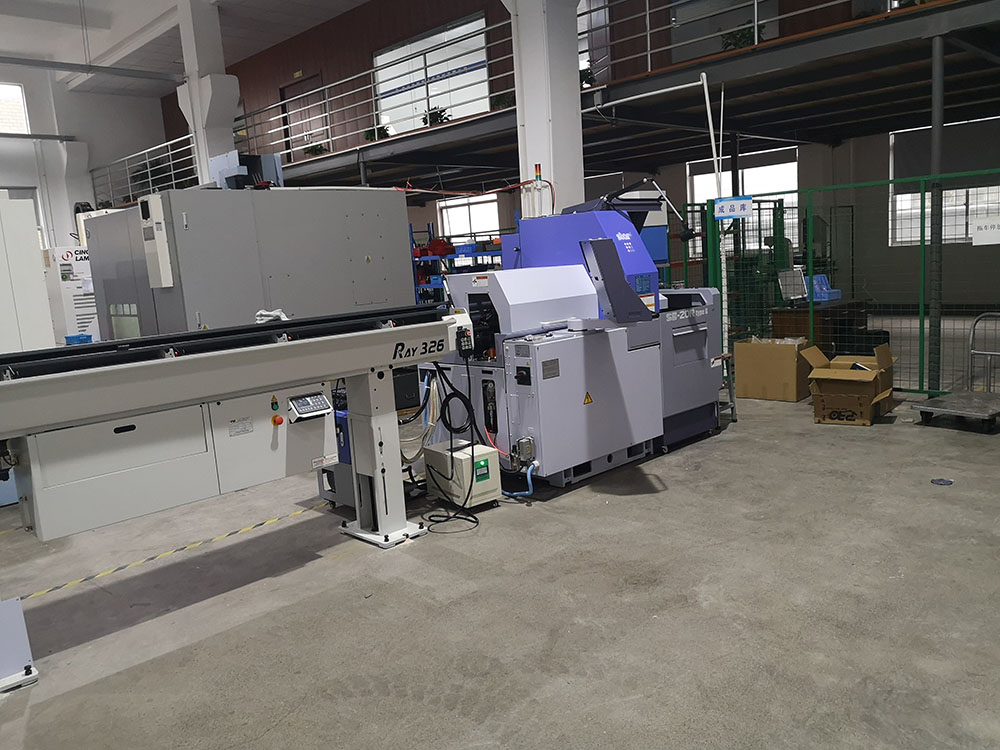
Automated Swiss-type multi-axis lathe operations ensure dimensional tolerances down to 5 microns, critical for bone screw thread accuracy and lock fitting.

Sterile Packaging & QA

In-house Class 100,000 cleanrooms ensure implants are packaged and processed ready for validation, satisfying international regulatory agencies.

Industrial Performance Indicators & Quality Benchmarks

Empirical evidence of our advanced manufacturing capacity, processing tolerances, and materials verification protocols.

< 5μm
Dimensional Tolerance
Ultra-precise manufacturing using high-end Japanese and Swiss multi-axis CNC machines for all screw threads and locking mechanisms.
100%
Raw Material Verification
Every batch of raw titanium (Ti-6Al-4V ELI) and PEEK undergoes mechanical, chemical, and spectroscopic profiling prior to production.
Class 100k
Cleanroom Environment
Controlled particulate environments for ultimate product decontamination, ultrasonic washing, and secure sterile-barrier packaging.
ISO 13485
Quality Management
Certified design and manufacturing operations fully aligned with international standards for surgical implant devices.

3. Material Science in Modern Skeletal Reconstruction

Choosing the optimal biomaterial is fundamental to successful skeletal reconstruction, clinical survival rates, and patient mobility. Maka Medical employs two major material pillars:

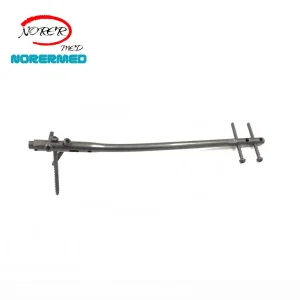
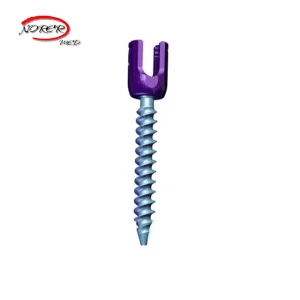
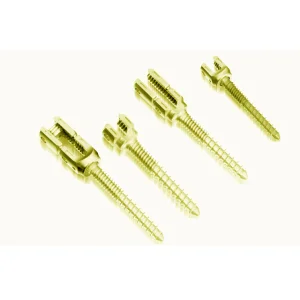
  • Medical Grade Titanium Alloy (Ti-6Al-4V ELI / ASTM F136): The gold standard in osteosynthesis. Titanium exhibits a high strength-to-weight ratio, superb corrosion resistance, and excellent biocompatibility. It permits osseointegration, enabling bone tissue to anchor securely to the implant surface. This is critical for high-load systems such as the *PFNA Interlocking Nails Kit* and *Spine Uniplanar Pedicle Poly Screws*.
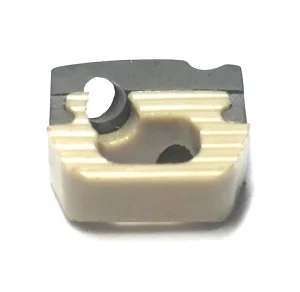
  • Polyetheretherketone (PEEK): PEEK is highly preferred for spinal fusion and cervical cages. It offers an elastic modulus that closely mirrors human cortical bone, reducing the risk of "stress shielding"—a phenomenon where high-rigidity implants bear all the mechanical load, causing surrounding bone tissue to resorb. PEEK is also radiolucent, allowing surgeons to monitor bone fusion progress under X-ray imaging without visual artifacts.
Biomechanical Advantage: Utilizing advanced anodization and physical vapor deposition (PVD) coatings on titanium rods and crosslinks improves fatigue life by over 30%, resisting the cyclic loading forces inherent in both human walking cycles and high-activity veterinary environments.

4. Human vs. Veterinary Orthopedic Applications: Localized Scene Adaptability

Modern orthopedic device applications require versatile manufacturing setups capable of serving both human clinical medicine and high-growth veterinary orthopedic surgery markets.

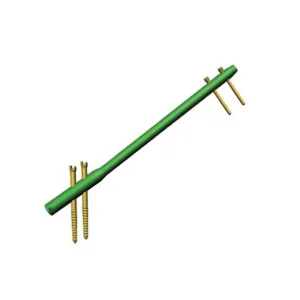
In human clinical applications, products like the *Titanium Orthopedic Tibial Interlocking Nail* must comply with strict, standardized sizing charts (from 8mm to 12mm diameters) designed to match human long-bone anatomy. These devices must endure dynamic weight-bearing and incorporate complex distal/proximal locking configurations to ensure rotational stability.

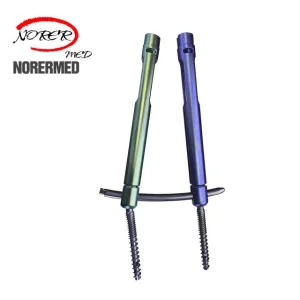
In veterinary clinical applications, anatomical diversity is extremely broad. Implants must support animals ranging from small domestic felines to large canine breeds and equine patients. This requires a much wider variety of sizing scales, unique screw thread configurations (such as specialized cortical/cancellous thread ratios), and minimally invasive application features (such as *Veterinary Minimally Invasive Spinal Titanium Pedicle Screws*). The design focus centers on rapid intraoperative adjustments and specialized biomechanical properties tailored to quadrupedal gait kinematics.

Corporate Profile & Manufacturing Capabilities

Direct manufacturer supplying global markets with high-precision orthopedic implants and related trauma instruments.

Maka Medical Technology Co., Ltd.

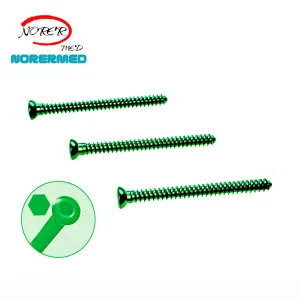
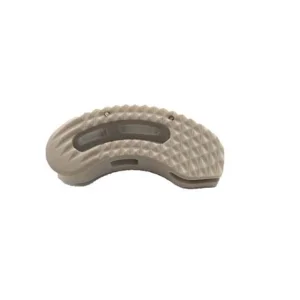
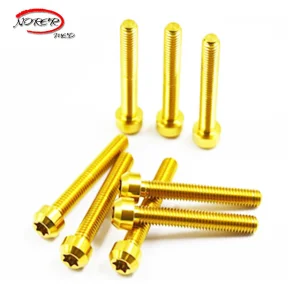
Maka Medical Technology Co., Ltd. is a specialized orthopedic implant manufacturer located in Changzhou City, Jiangsu Province, China. We engineer, manufacture, and distribute comprehensive trauma bone plates, bone screws, interlocking intramedullary nails, spine pedicle screw systems, cervical plates, and PEEK cervical/lumbar cages.
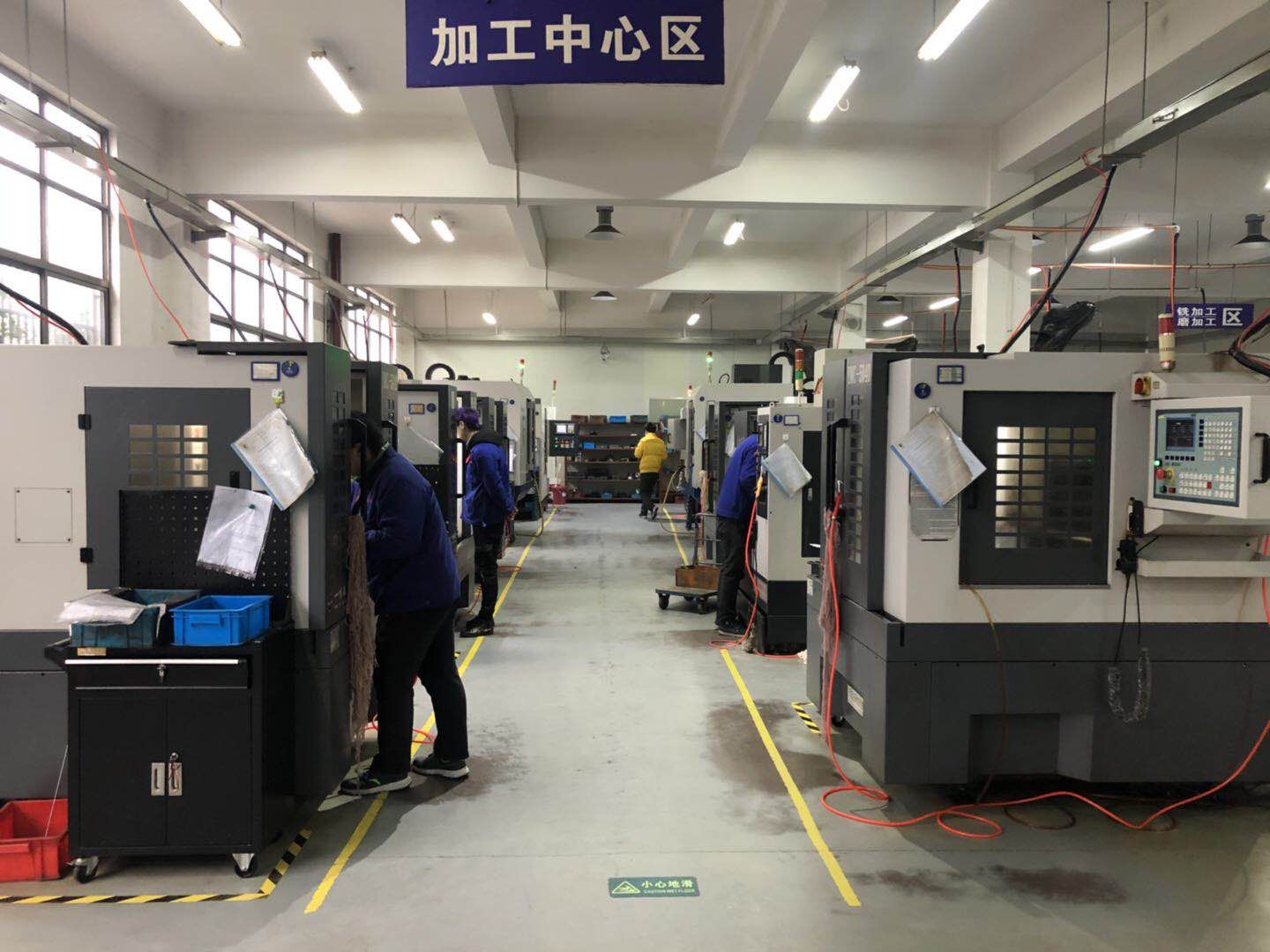
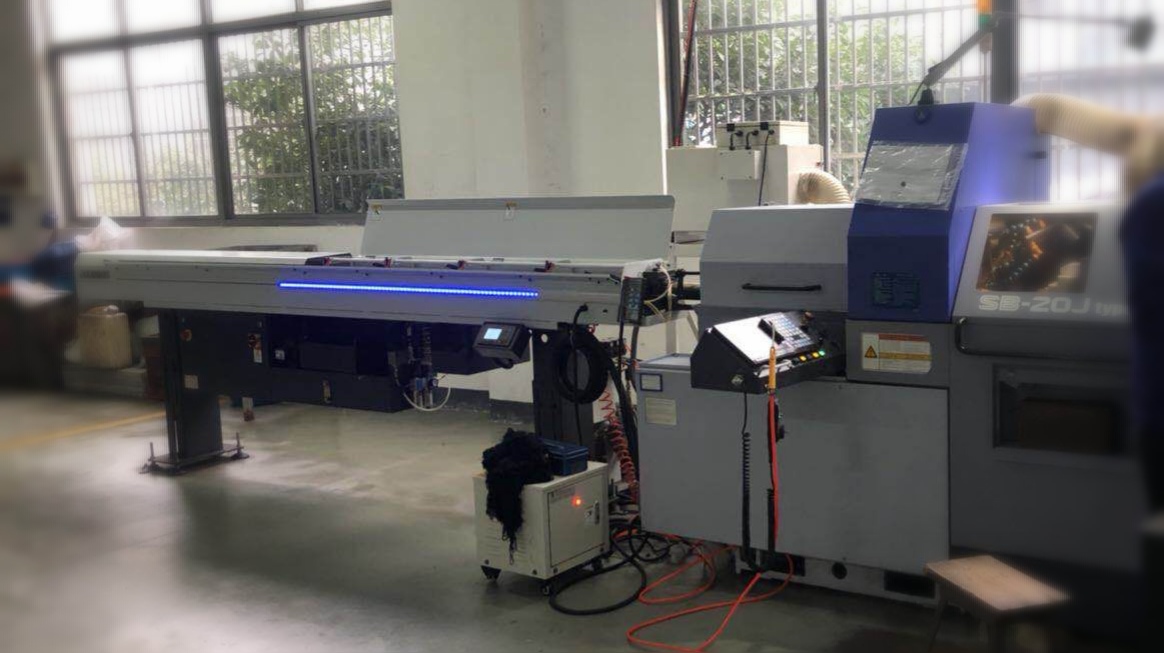
  • Location: Changzhou City, Jiangsu, China (The central medical device manufacturing hub)
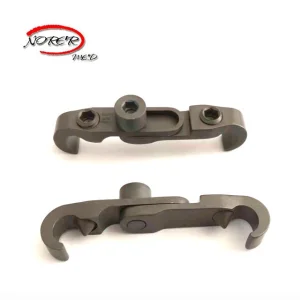
  • Core Products: Trauma Plates, Bone Screws, Interlocking Nails, Spine Pedicle Screws, PEEK Lumbar & Cervical Cages, Surgical Instruments
  • Workforce: 11 - 50 Highly Specialized Engineers, CNC Programmers, QA Professionals & Trade Representatives
  • Global Experience: Over 10 Years of OEM/ODM Manufacturing and International Supply Partnerships
  • Business Profile: Trading Company and Manufacturing Facility integration, delivering turnkey export and custom machining services

5. Global Procurement Strategies for Orthopedic Distributorships

Managing supply lines for critical medical hardware requires rigorous verification protocols. Global procurement directors, hospital network buyers, and veterinary surgical supply brokers must look beyond unit price and carefully assess:

  1. Raw Material Traceability: Reliable manufacturers must provide chemical analysis certificates (mill test reports) for every lot of raw titanium or PEEK. This ensures that the material composition meets the exact criteria required for long-term implantation, eliminating trace contamination that could cause tissue rejection or structural failure.
  2. Tolerance Consistencies: A bone plate or locking nail system is only as reliable as its corresponding locking screw. Micro-deviations in screw-head pitch or locking hole angles can lead to mechanical cross-threading during surgery, rendering the locking feature useless. Buyers should demand high-resolution inspection profiles and fitment tests.
  3. Surface Engineering Options: Sandblasting, acid-etching, and anodization change the topography and chemical properties of titanium surfaces. Depending on the surgical intent, implants may require micro-rough surfaces to promote osteoblast adhesion, or highly polished surfaces to prevent tissue adhesion and reduce friction.

Maka Medical supports purchasing directors with full documentation, mechanical test data, and customized batch packing, securing a streamlined compliance and logistics pathway into major worldwide target markets.

Strategic B2B Sourcing FAQ

Expert insights answering key regulatory, material science, and supply chain questions for medical device buyers.

1. What specific grades of Titanium do you use for implant fabrication?
We exclusively use Ti-6Al-4V ELI (Extra Low Interstitial) alloy conforming to ASTM F136 standards. This grade is optimized for biological implantation, offering lower levels of iron, carbon, and oxygen compared to standard titanium, resulting in significantly higher ductility, fatigue strength, and fracture toughness.
2. How do you prevent stress shielding in PEEK cages and implants?
Our spinal cages use pure PEEK polymers which naturally present a modulus of elasticity (around 3.6 GPa) close to that of human cortical bone (15-20 GPa) compared to traditional titanium (110 GPa). This ensures natural load sharing across the spinal column segment, prompting healthy bone fusion while minimizing bone resorption risks.
3. Can veterinary orthopedic implants be used interchangeably across different animal species?
Veterinary implants are selected based on size, weight-bearing expectations, and biological configuration rather than species. For example, our ACIF PEEK Locking Infusion Cage or spine screws are designed with versatile dimensional sizing profiles to accommodate a broad spectrum of medium-to-large canine breeds and feline anatomical profiles safely.
4. What quality management systems govern the Maka Medical manufacturing facility?
Our facility is structured around ISO 13485 standards for medical device quality management. We maintain rigorous internal control records, handle precision CNC programming validations, and perform continuous process control inspections from material reception to final packaging.
5. Do you offer custom OEM/ODM services for orthopedic plates and intramedullary nails?
Yes. Leveraging our multi-axis Swiss-type CNC capabilities, we support custom design, engineering, and manufacturing. Clients can submit CAD files or physical master samples to receive custom modifications in plate geometry, screw lengths, hole arrays, and custom instrumentation kits.
6. What is the typical lead time for high-volume B2B orders of interlocking nails and pedicle screws?
Standard components in stock ship within 5-10 business days. For customized products or large production batches, typical lead times range from 30 to 45 days, which includes material validation, CNC programming, surface treatments, cleanroom processing, and final packaging.
7. Are surgical instruments, such as drills and trial implants, provided with the implant kits?
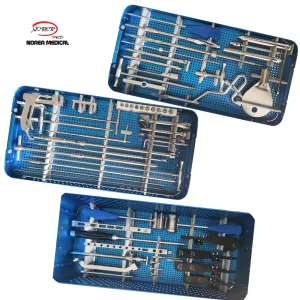
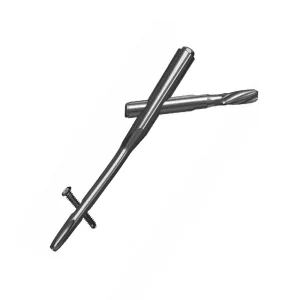
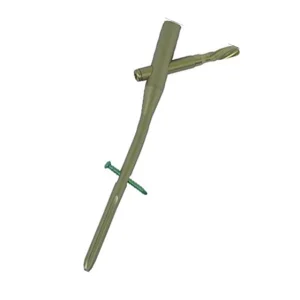
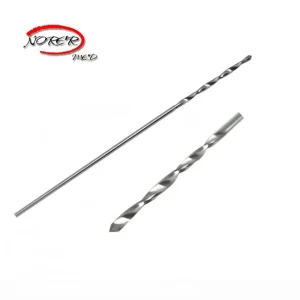
We manufacture and supply corresponding surgical instrumentation kits, such as our *PFNA Interlocking Nails Instruments Kit* and stainless steel orthopedic drill bits. These are engineered to match implant dimensions perfectly, ensuring reliable performance during surgical procedures.
8. What surface treatment options do you offer for titanium products?
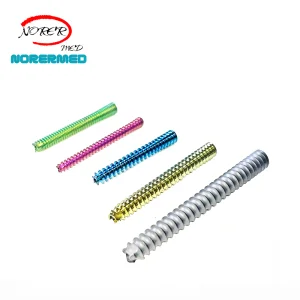
We offer type II anodization (gray anodization for anti-galling and strength properties) and type III color anodization (for easy color-coded size identification). We also provide sandblasted and acid-etched surfaces for spine systems to optimize osseointegration.
9. How do you ensure product safety during international shipping?
Implants are packaged in protective double-sterile blister packs or protective tubes within our cleanrooms to prevent structural scratching, contamination, or thread damage. Outer cartons are engineered for heavy-duty export transport to maintain package integrity through air and sea transit.
10. What documentation is provided for regulatory clearances in importing countries?
We provide complete material inspection reports (Mill Certificates), Certificate of Conformity (CoC), packaging documentation, and detailed technical drawings indicating dimensional specifications, enabling smooth customs clearance and regulatory local registrations.