Maka Medical Surgical
Maka Medical Surgical
Maka Medical Surgical
Explore our medical-grade titanium and polymer implants engineered for internal fixation, trauma reconstruction, and arthroplasty procedures.
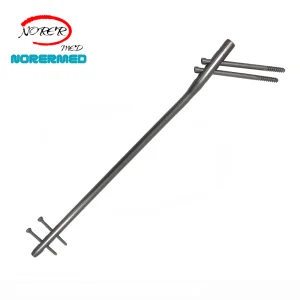
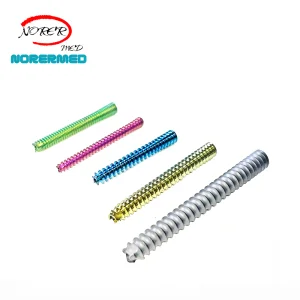
Navigating volume demands, supply chain continuity, and material integrity in the modern orthopedic market.
Global procurement teams face strict regulatory frameworks (EU MDR, FDA 510k) and volatile raw material supply markets. Hospitals and B2B distributors require manufacturers that offer end-to-end transparency, from billet validation certificates for Grade 5 Titanium to final sterile packaging compliance. Standardizing on trusted Asian production hubs like Changzhou enables scalable production configurations while keeping cost-efficiency thresholds realistic.
Every bone plate, cannulated compression screw, and spinal fixation component must carry comprehensive batch heat-treatment histories. Mechanical performance checks—such as cyclic fatigue testing according to ASTM F382 or ISO 7206—are mandatory milestones. Maka Medical addresses this with full raw material tracking, ensuring all surgical screws, locking rods, and intramedullary nails match stringent chemical composition parameters.
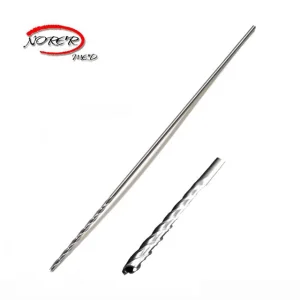
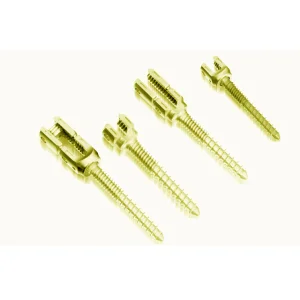
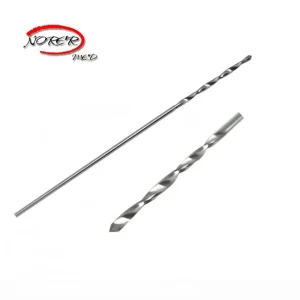
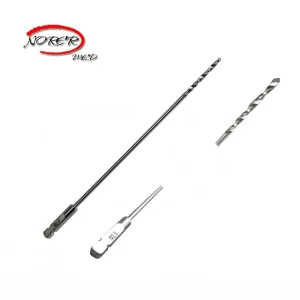
Veterinary orthopedics is witnessing a major transformation, adapting advanced human-grade technologies for small animal joint and spine repairs. Our production lines seamlessly scale between standard human surgical implants and dedicated veterinary hardware, including ACIF and TLIF PEEK fusion cages, monoaxial spinal screws, and precision drill bits. This cross-sector agility significantly helps distributors maximize their catalog coverage.
Understanding the clinical performance requirements and engineering mechanics of trauma, vertebral reconstruction, and joint repair systems.
In femoral neck and shaft fractures, stabilizing load-bearing bones requires advanced intramedullary nail systems. The Proximal Femoral Nail Antirotation (PFNA) system uses a helical blade design that compresses weak, osteoporotic bone tissue during insertion, significantly improving resistance to cutout compared to traditional dual-integrated locking screws. By using high-strength titanium alloys (such as Ti-6Al-4V ELI), our interlocking nail configurations preserve vascularity in the periosteum while matching the natural bending stiffness of human femora.
Spinal construct stability relies heavily on the mechanical linkage between pedicle screws, crosslink rods, and interbody spacers. Polyaxial pedicle screws allow a 360-degree conical rotation angle, making it easier to align with the rod during multi-segment constructs. In contrast, monoaxial screws provide stable construct rigidity for targeted sagittal plane corrections.
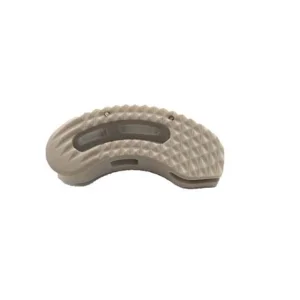
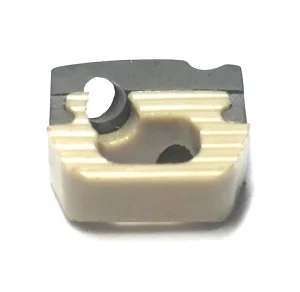
In interbody fusion (TLIF and ACIF procedures), Polyetheretherketone (PEEK) has become the gold standard polymer. PEEK's elastic modulus (approximately 3.6 GPa) closely matches human trabecular bone, preventing stress-shielding and reducing the risk of adjacent segment degeneration. Combined with integrated locking features, our PEEK cages maintain primary spinal stability while facilitating successful bone graft integration.
| Implant Class | Material Formulation | Primary Clinical Application | Key Mechanical Advantage |
|---|---|---|---|
| Intramedullary Nails (PFNA) | Ti-6Al-4V ELI (ASTM F136) | Femoral Neck & Shaft Fractures | Dynamic compression & high cyclic fatigue limit |
| Pedicle Screws (Mono/Poly) | Medical Grade Titanium Alloy | Spinal Instability, Deformity Correction | Excellent pullout resistance & multi-axial positioning angles |
| Lumbar/Cervical Cages | Biocompatible PEEK-OPTIMA™ | TLIF/ACIF Interbody Fusion | Elastic modulus matched to bone; radiolucent profiling |
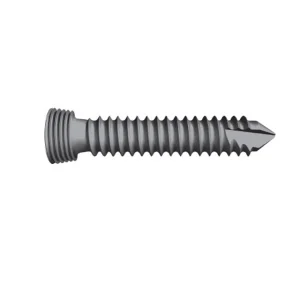
| Cortical/Cancellous Screws | Titanium / Stainless Steel | Fragment Fixation, Osteotomy Stabilizing | Self-tapping geometries with sharp thread profiles |
Pioneering smart manufacturing technologies and bioactive surface engineering to optimize long-term clinical patient outcomes.
Future implant integration relies on advanced osteoconductive coatings. By applying electrochemical anodic oxidation and acid-etching to titanium implants, we create precise micro- and nano-structured surfaces. These features mimic natural bone structures, accelerating osteoblast adhesion and significantly reducing recovery times for arthroplasty and trauma patients.
Integrating Direct Metal Laser Sintering (DMLS) into our production framework allows us to manufacture complex, custom porous metal designs. This advanced technology produces implants with precise elasticity matching local bone densities, opening new doors for highly customized joint reconstructions and anatomical salvage options.
The next generation of trauma fixation will integrate micro-electronic biosensors directly into intramedullary nails and vertebral plates. These smart systems will monitor real-time healing loads and detect micro-motion changes, allowing clinical teams to catch early non-unions and customize postoperative recovery plans.
An established manufacturing infrastructure delivering high-precision orthopedic implants for international hospital networks.
Maka Medical Technology Co., Ltd. (also recognized under Maka Medicial Technology Co., Ltd.) is situated in Changzhou City, Jiangsu Province, China—a premier global industrial hub for medical orthopedic technology. Over the past decade, we have established ourselves as an integrated trading and manufacturing enterprise, supplying high-performance trauma plates, bone screws, interlocking nails, spinal fixation constructs, cervical plates, and biocompatible PEEK cages.
Our facility features advanced multi-axis CNC machining centers, precision thread-rolling systems, and climate-controlled cleanrooms that meet cleanroom standards. Because our components interact directly with vascular networks and bone tissues, we enforce zero-tolerance quality inspection steps. Every item, from surgical drill bits to polyaxial pedicle screws, undergoes automated visual inspection and coordinate measuring machine (CMM) testing to guarantee dimensional consistency.
Facility Showcase & Production Integrity:
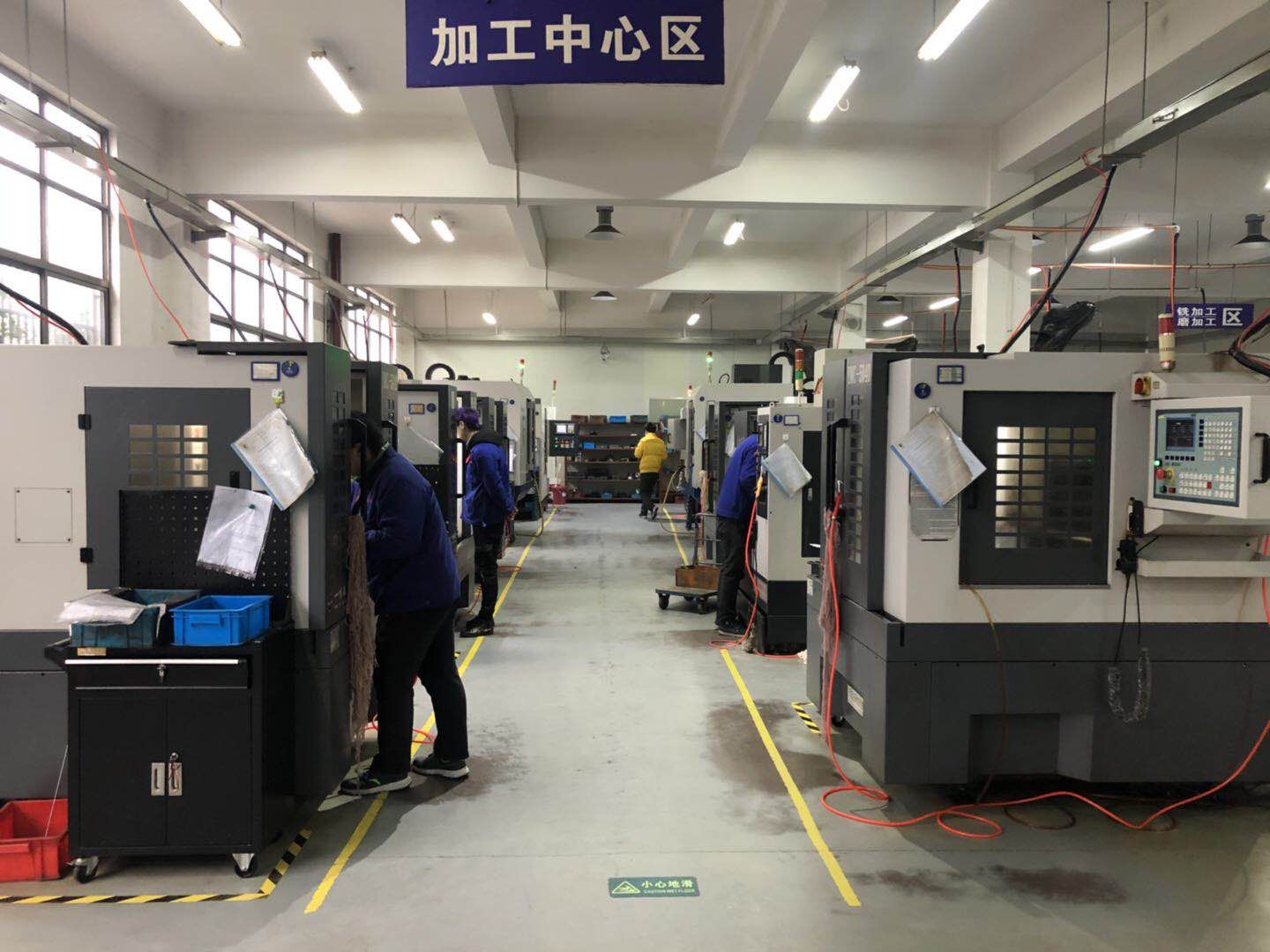
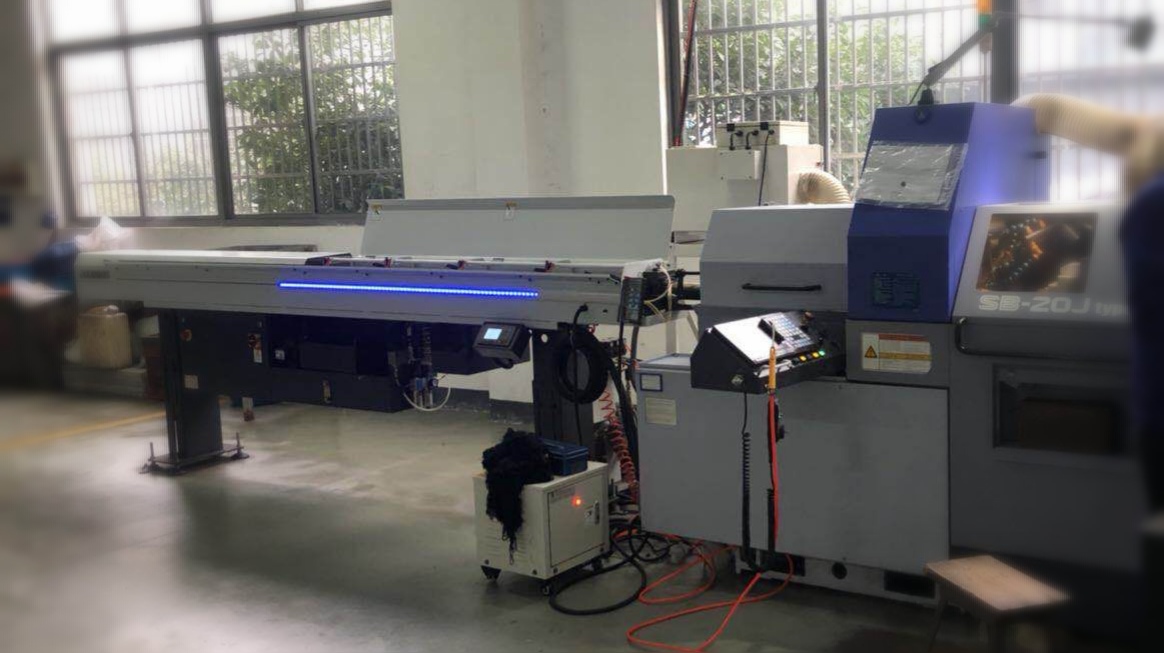
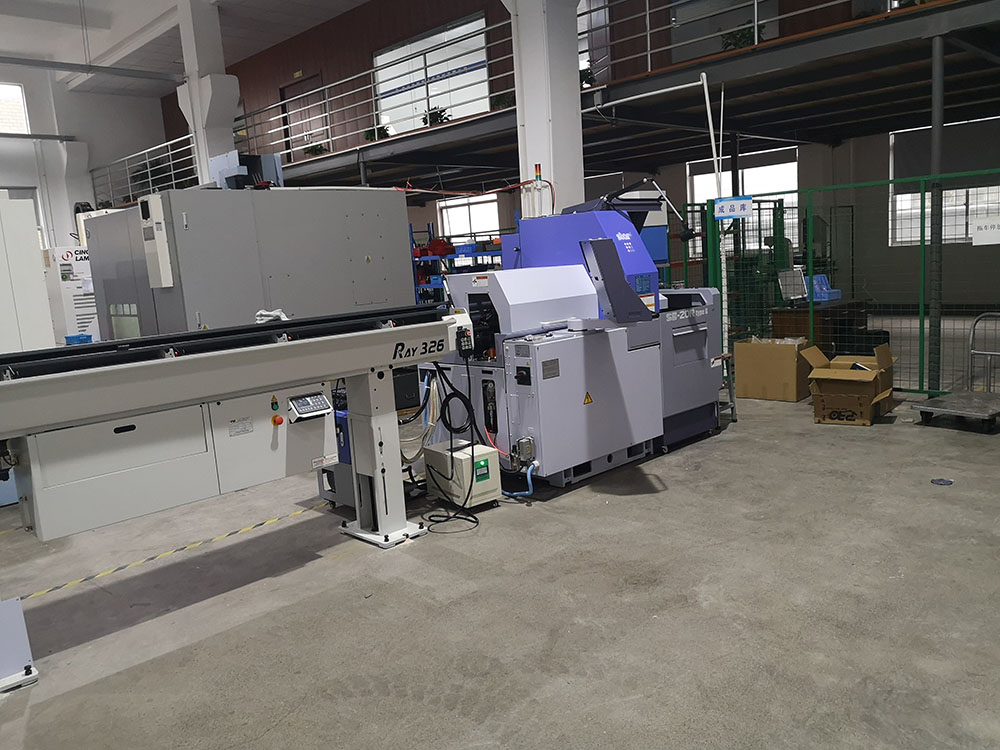
"Our strategic location in Jiangsu allows us to maintain a fast, reliable supply chain, sourcing verified, certified medical-grade raw materials and keeping transport corridors to international ports highly efficient."
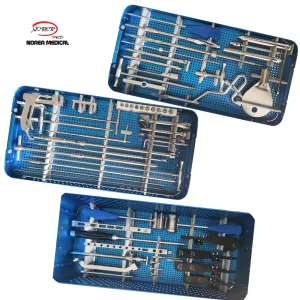
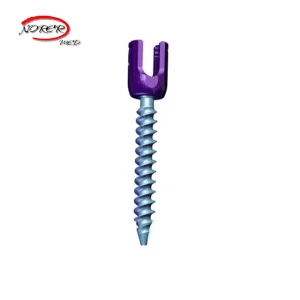
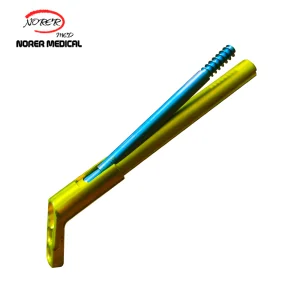
Advanced internal fixation hardware, specialized instrumentation kits, and fragment stabilization components.
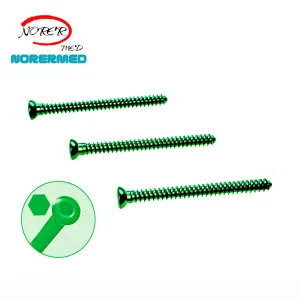
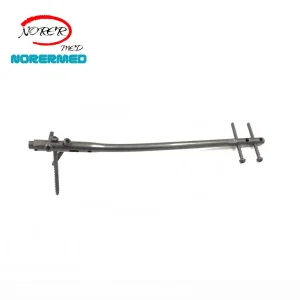
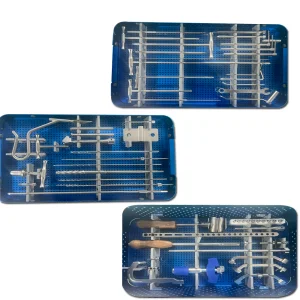
How Maka Medical streamlines regulatory approvals and stabilizes supply chains for our international B2B distributors.
Different markets present distinct regulatory environments. Whether dealing with FDA 510(k) clearances in North America or CE MDR certifications in Europe, medical device distribution requires extensive documentation. Maka Medical provides comprehensive verification support, including:
Maka Medical supports growing medical brands with flexible low-MOQ (Minimum Order Quantity) options, allowing distributors to evaluate new products before committing to large volumes. This is particularly valuable for specialized systems like veterinary PEEK cervical cages or canine pedicle screws, which require careful market testing. By bridging manufacturing precision with agile logistics, we keep your inventory levels optimized and reduce cash flow friction.
Clear, professional answers regarding implant materials, fabrication capabilities, international trade terms, and quality standards.