Maka Medical Surgical
Maka Medical Surgical
Maka Medical Surgical
Select FDA/CE compliant orthopedic fixation and joint stability instruments designed for clinical precision.
As international healthcare sectors adjust to aging populations and an increasing rate of orthopedic traumas, sourcing managers face the critical challenge of securing robust, ISO-certified surgical hardware that ensures excellent post-operative outcomes.
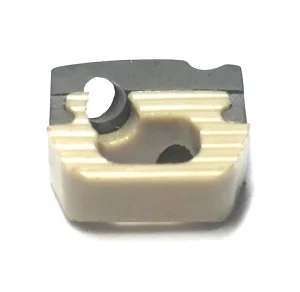
Modern reconstructive surgery demands implantable materials that show zero cytotoxic behavior. Procurement pipelines favor medical suppliers utilizing Premium Titanium Alloy (Ti-6Al-4V ELI) and PEEK polymers (Polyetheretherketone) to promote active osseointegration and reduce long-term device rejection rates.
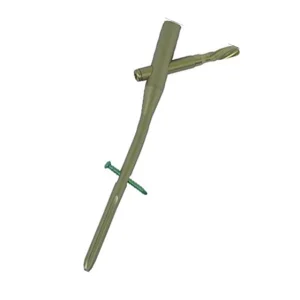
From expert tibial interlocking nail kits to modular femoral neck nail system (FNS) designs, implants must tolerate severe dynamic loads. Precise geometric configurations protect joint stability, minimize micro-motion, and prevent stress shielding in osteoporotic bone.
Faced with stringent hospital supply networks, buyers prioritize manufacturers capable of providing end-to-end trace documentation, sterilization certifications, and robust packaging that maintains structural integrity across long shipping cycles.
Providing scalable orthopedic stabilization strategies to healthcare facilities, distributors, and veterinary surgical groups.
| Anatomical Focus | Stabilization Challenge | Technical Strategy | Primary Clinical Solution |
|---|---|---|---|
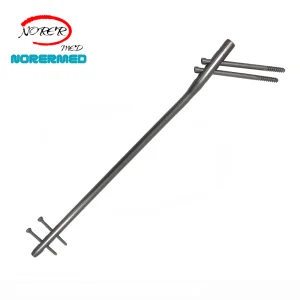
| Hip Joint / Proximal Femur | Subtrochanteric fractures, high rotation stress & neck shearing. | Proximal Femoral Nail Antirotation (PFNA) & locking plate dynamics. | PFNA Expert Interlocking Nailing and Femoral Neck System (FNS). |
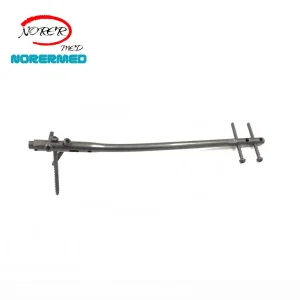
| Tibial Shaft Fixation | Torsional instability and delayed fracture union. | Dynamic proximal/distal interlocking multi-planar screw slots. | Expert Tibial Interlocking Nailing System. |
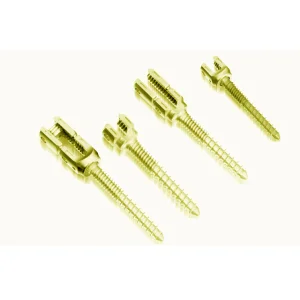
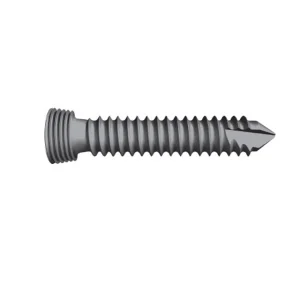
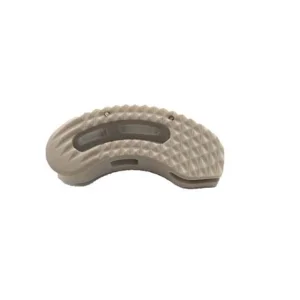
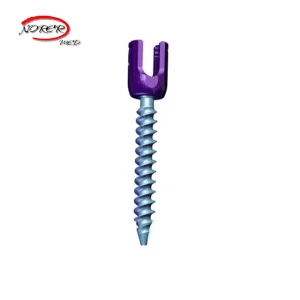
| Spine & Cervical | Vertebral displacement, degenerative disc collapse, trauma. | Polyaxial adjustment, posterior stabilization, rigid interbody fusion. | PEEK Lumbar/Cervical Cages & Titanium Mono/Poly Pedicle Screws. |
| Veterinary Orthopedics | High variation in small/medium animal bone geometry. | Downscaled implants, high-tensile locking plates, micro-cages. | Veterinary PEEK Cages & Minimally Invasive Spinal Pedicle Screws. |
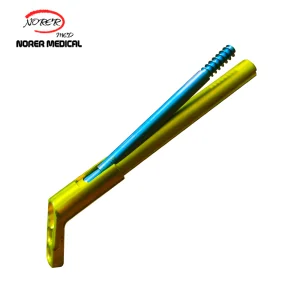
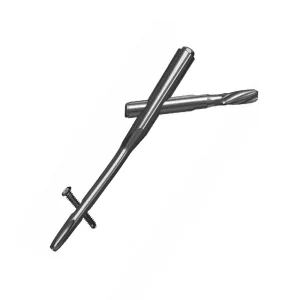
Our stabilization units address both axial loads and shear stresses. For instance, the Femoral Neck System (FNS) serves as a reliable alternative to traditional dynamic hip screws (DHS). FNS minimizes lateral incision sizes, reduces structural displacement risks, and shortens patient recovery times. Similarly, our Expert Intramedullary Nails utilize anatomic bends to simplify insertion, minimize bone marrow damage, and preserve the local blood supply essential for healing.
Maintaining clinical excellence through high-precision manufacturing, advanced materials, and rigorous quality assurance.
Using Premium Grade 23 Titanium (Ti-6Al-4V ELI) ensures superior fatigue resistance and tensile strength over Grade 5. Our PEEK lumbar and cervical interbody cages match the modulus of elasticity of human cortical bone, reducing stress shielding and promoting bone growth.
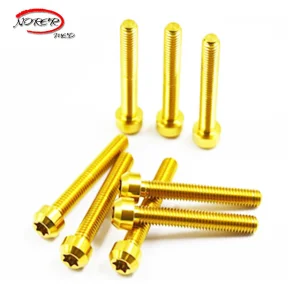
Advanced Swiss CNC machining processes maintain tolerances within ±5 microns. Features like self-tapping thread geometries, bullet-nosed nail tips, and color-coded anodization help simplify surgical workflows and minimize intraoperative complications.
We focus on advanced implant surface treatments. Through acid-etching and micro-roughness control, our surfaces encourage stable osteoblast attachment, strengthening primary biological fixation.
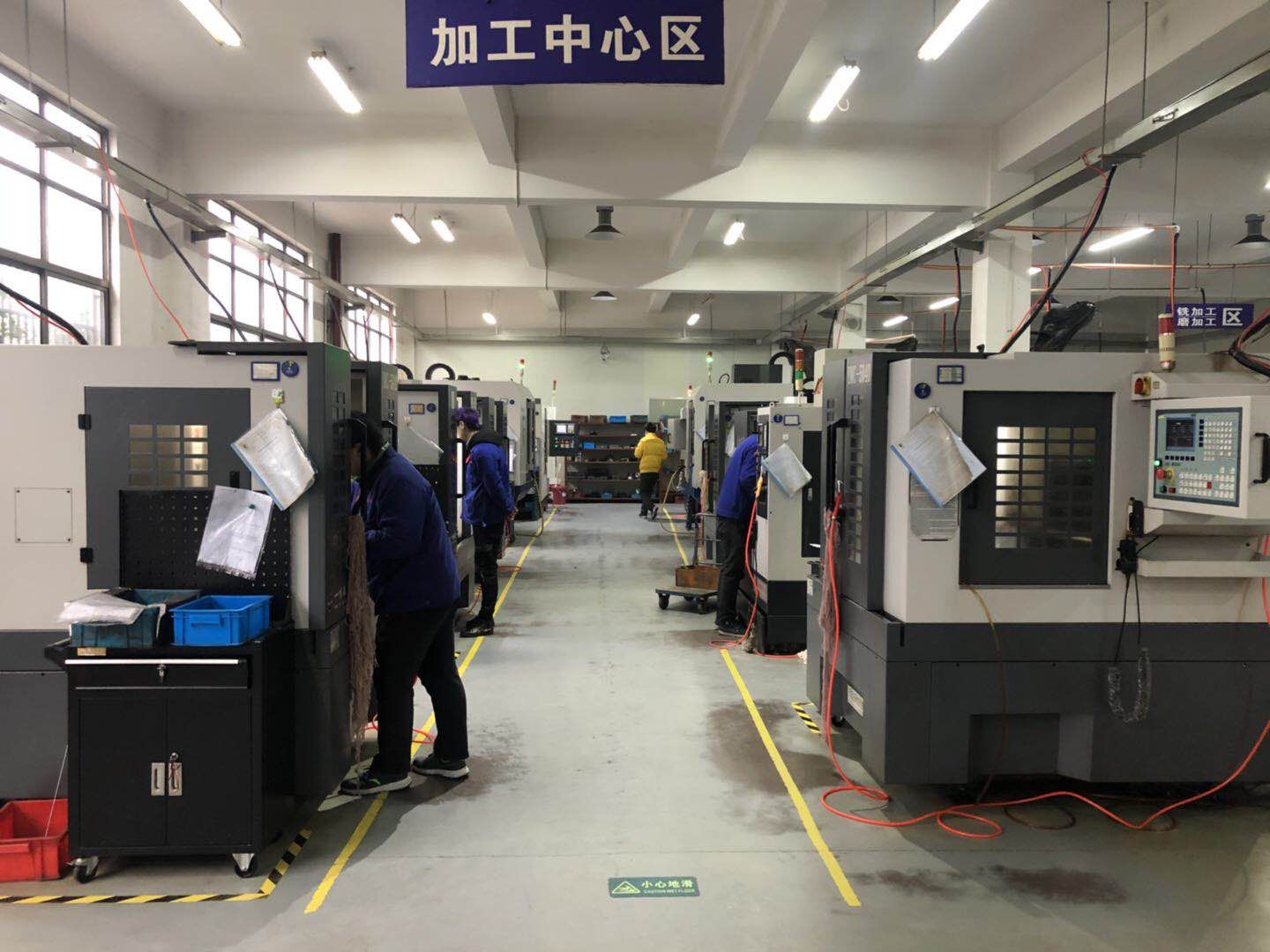
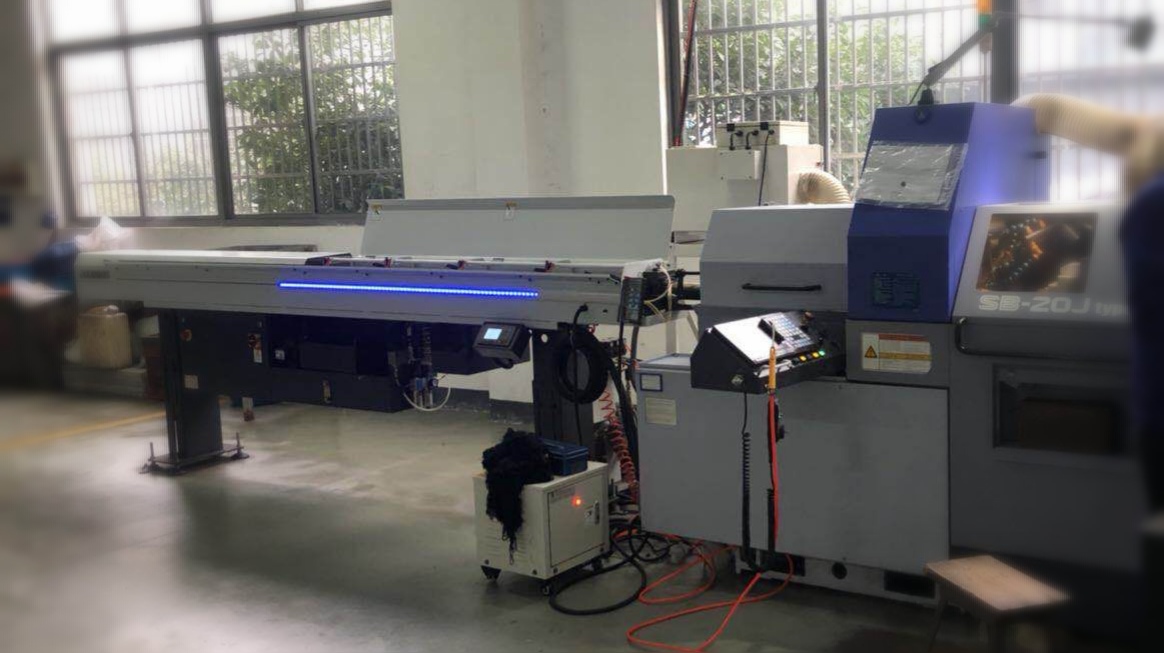
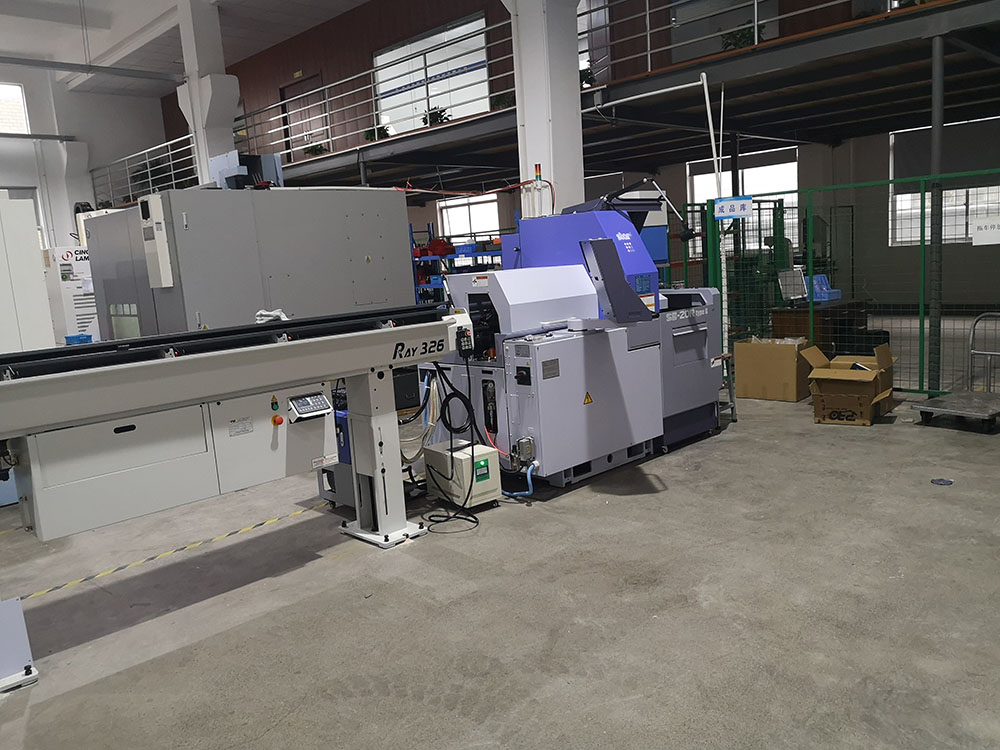
Maka Medical Technology Co., Ltd. - A Trusted Partner in Global Trauma Reconstruction & Spinal Fixation Solutions.
We are located in Changzhou city, CHINA. We are an established manufacturer of orthopedic trauma bone plates, bone screws, orthopedic interlocking nails, spine pedicle screws, cervical plates, PEEK cervical & lumbar cages, and related surgical instruments.
Strategically located in Changzhou's medical manufacturing hub, Maka Medical integrates material sourcing, precision machining, and strict quality control. Our facility serves global medical distributors, veterinary surgical networks, and hospital procurement departments requiring high-performing, cost-efficient implants.
Navigating regulatory landscapes is vital for international medical device supply chains. We offer comprehensive support to ensure smooth market entry and clinical adoption.
We provide essential technical documentation, including raw material certificates (ASTM F136/F138), ISO 13485 audit reports, and quality test data, to support your local registration processes.
Meeting the diverse size demands of veterinary orthopedics, we manufacture miniature locking plates, PEEK ACIF cages, and customized intramedullary systems designed for companion and large animals.
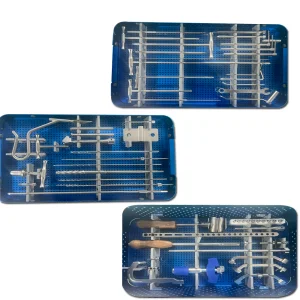
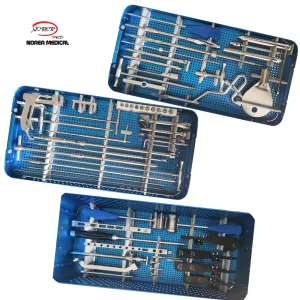
We provide full-service OEM and ODM contract manufacturing. This includes design prototyping, customized laser marking for UDI tracking, and custom instrument kits tailored to your surgical techniques.
Detailed industry and technical insights for healthcare buyers and distribution networks.
Our load-bearing implants, including the PFNA interlocking nails and spinal pedicle screws, are manufactured from premium medical-grade Titanium Alloy (Ti-6Al-4V ELI) complying with ASTM F136 standards. This extra-low interstitial (ELI) variant provides higher ductility, fracture toughness, and fatigue resistance than standard Grade 5 titanium, making it ideal for permanent bone fixation.
Polyetheretherketone (PEEK) is chosen for spinal interbody fusion cages because its elastic modulus closely matches that of human cortical bone (~18 GPa versus ~110 GPa for Titanium). This match reduces the risk of stress shielding—where the implant bears too much load, causing adjacent bone density to decrease. PEEK is also radiolucent, allowing surgeons to monitor fusion progress clearly on X-rays.
Yes. While our primary design principles target human surgical standards, many of our implants, including PEEK cages, pedicle screws, and expert tibial nails, are highly requested by veterinary orthopedic surgeons. We offer specific micro-sized variants tailored to the anatomical needs of companion animals.
Our facility is certified under the ISO 13485 medical quality management standard. Each batch of raw materials undergoes spectroscopic analysis to verify chemical composition, alongside optical comparator inspections on our CNC machining lines. Finished implants undergo passivation to maximize corrosion resistance before cleaning and packaging in cleanroom environments.
Our standard MOQs depend on the product category: standard locking screws and pins have lower MOQs, while specialized intramedullary nail systems or PEEK cages may require higher minimums. Standard lead times typically range from 15 to 30 days, depending on batch sizes and custom processing needs.
Advanced spinal implants, medical instrumentation, and micro-fixation screws.