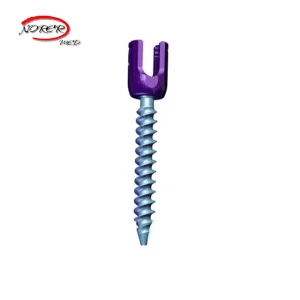
 Maka Medical Surgical
Maka Medical Surgical
Maka Medical Surgical
High-precision orthopedic spinal fixation hardware and raw titanium rods engineered to match demanding clinical standards in the Detroit metropolitan area.
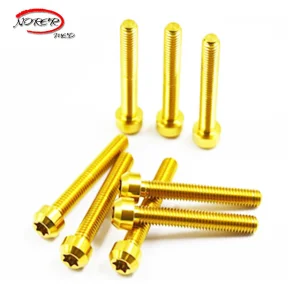
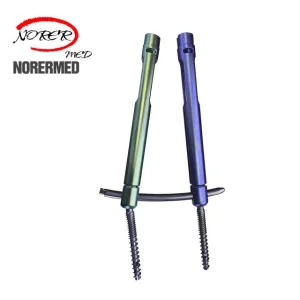
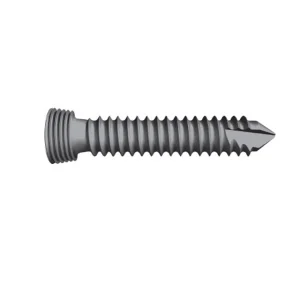
The metropolitan area of Detroit, Michigan—home to world-class healthcare systems such as the Henry Ford Health System, Detroit Medical Center (DMC), and Corewell Health—represents a major hub for advanced orthopedic surgery in the Midwestern United States. Driven by an aging population, a high prevalence of osteoarthritis, and active industrial and sports demographics, the demand for total joint reconstructions (hip and knee arthroplasty) and trauma fixation hardware has experienced steady, significant growth.
For hospitals and medical device distributors in Wayne, Oakland, and Macomb counties, securing a resilient and highly cost-efficient supply chain for orthopedic implants is critical. While domestic suppliers face persistent inflationary pressures and manufacturing backlogs, global sourcing partners offer a strategic release valve. The crossover between Detroit’s precision automotive manufacturing heritage and medical micro-machining is evident: local clinical buyers demand nothing less than absolute dimensional tolerances, sub-micron surface finishes, and biocompatible material validation that matches aerospace-grade requirements.
Detroit's urban Level 1 trauma centers handle a high volume of complex musculoskeletal reconstructions weekly. From interlocking intramedullary nails for femoral fractures to multi-axial pedicle screws for spinal stabilization, implant failures are unacceptable. Joint revision surgeries present a major financial and clinical burden to hospital groups under Medicare’s Comprehensive Care for Joint Replacement (CJR) model. Sourcing implants manufactured using Grade 23 (Ti-6Al-4V ELI) titanium and polyetheretherketone (PEEK) ensures that mechanical performance meets or exceeds clinical expectations for long-term implant survival.
Biomechanical pathways engineered to mitigate stress shielding, maximize primary mechanical stability, and promote long-term biological fixation.
Modern orthopedic implants must balance high fatigue strength with a low elastic modulus to prevent bone resorption. The utilization of Ti-6Al-4V ELI (ASTM F136 grade) titanium alloy represents the peak of surgical-grade metal manufacturing. Reducing interstitial elements like oxygen, nitrogen, and iron enhances fracture toughness and ductility, making it ideal for femoral stems, acetabular shells, and interlocking trauma nails.
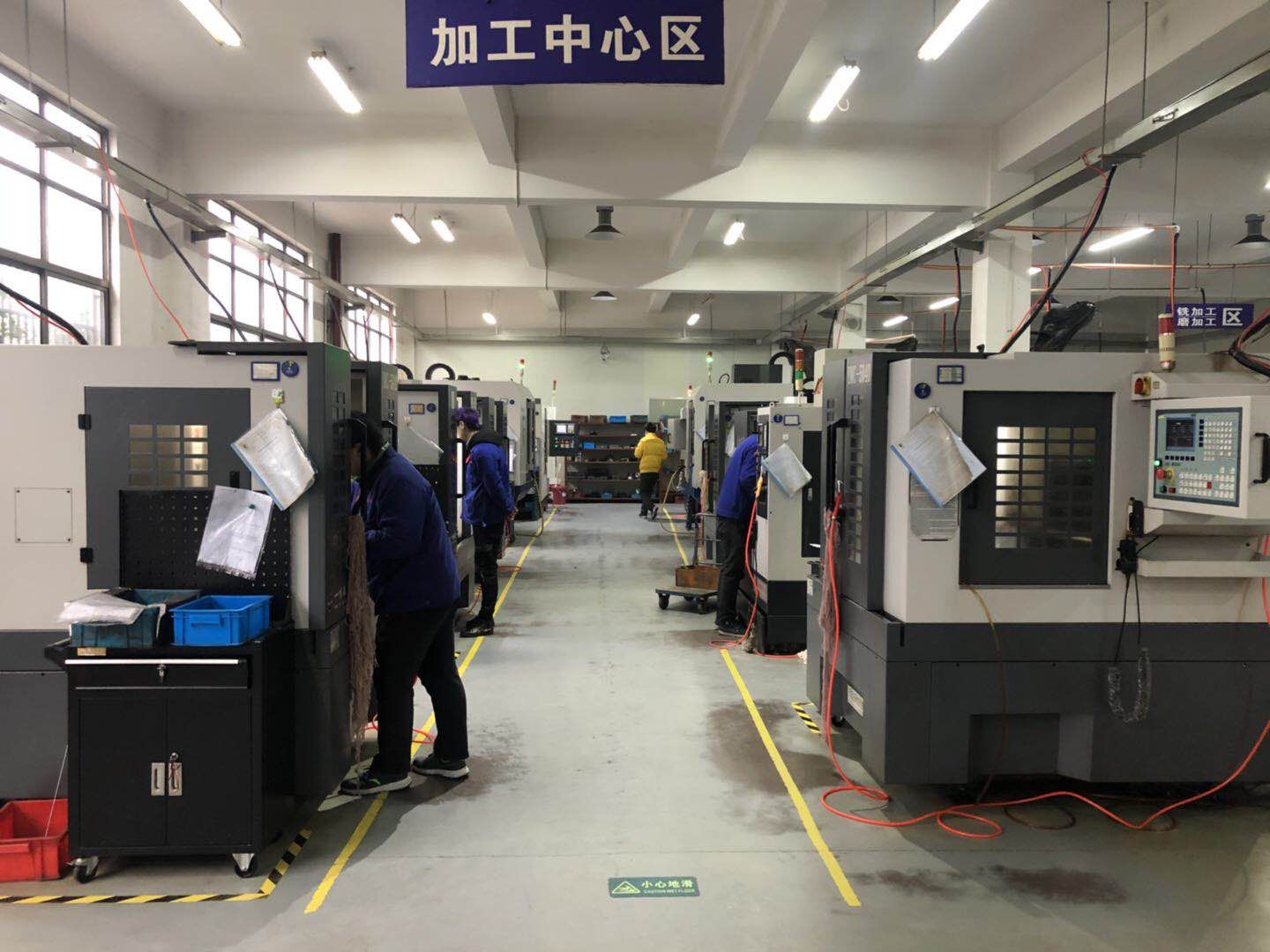
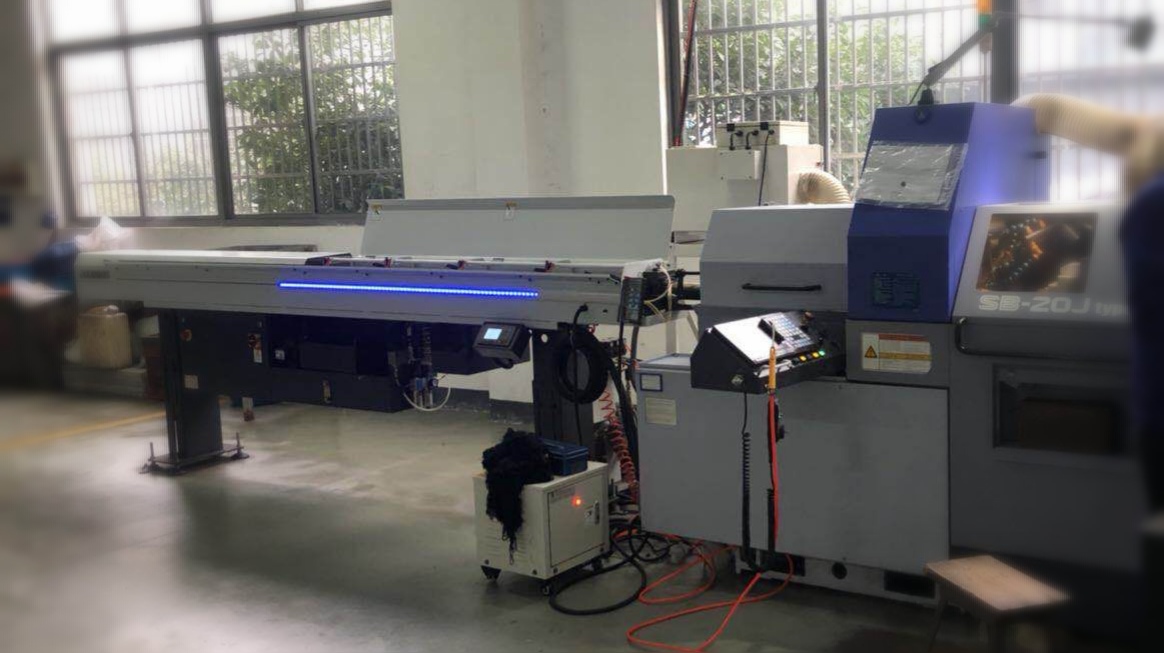
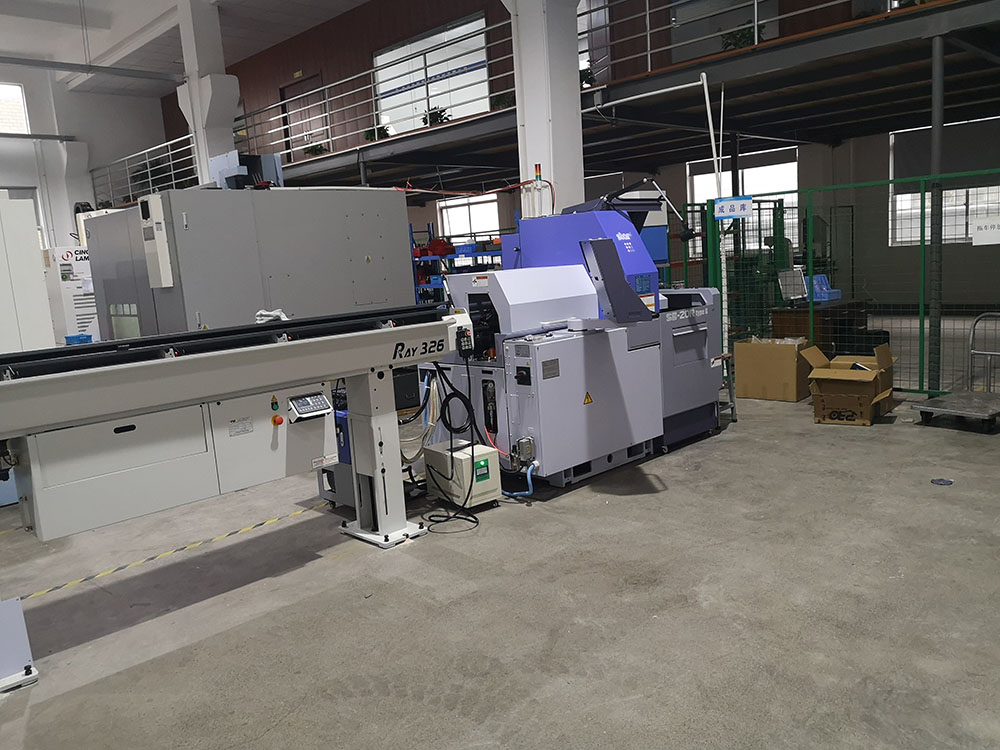
To address the specific biomechanical forces in total knee replacements, our fabrication lines employ state-of-the-art CNC grinding and multi-axis Swiss longitudinal machining. This level of control ensures that joint surfaces achieve a mirror-like finish (Ra < 0.05 μm) which limits poly wear, a primary driver of osteolysis and subsequent aseptic loosening.
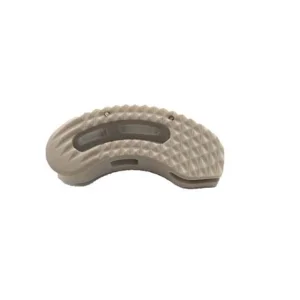
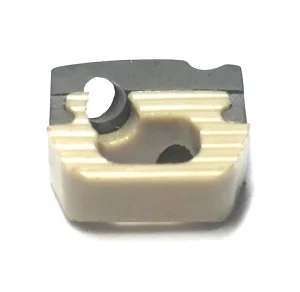
For spinal interbody fusion cages (such as TLIF and ACIF designs), Polyetheretherketone (PEEK) has established itself as the gold standard due to its radiolucency and bone-like elastic modulus. Unlike titanium, which can cause subsidence in osteoporotic patients, PEEK closely mimics the mechanical properties of cortical bone, distributing load evenly across the vertebral endplates.
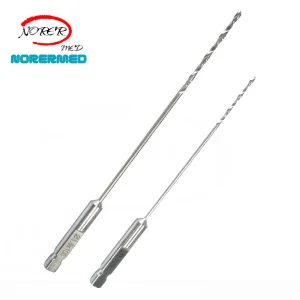
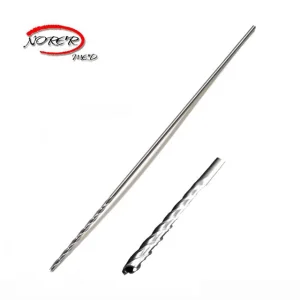
Precision-machined drill bits, femoral neck locking plates, and interlocking nail instrument kits engineered to streamline operating room workflows.
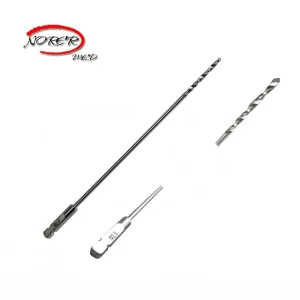
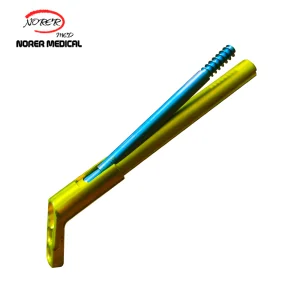
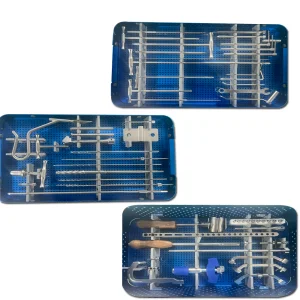
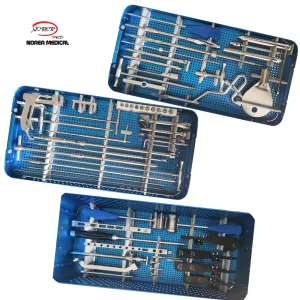
Maka Medical Technology Co., Ltd. operates from Changzhou, Jiangsu Province—the epicenter of China's medical device manufacturing sector. This geographical clustering offers unparalleled vertical integration. From sourcing premium titanium billets to advanced surface anodization, mechanical testing, and sterile cleanroom packaging, every production phase occurs within a 50-mile radius.
This concentrated ecosystem minimizes logistic delays and ensures strict quality control throughout manufacturing. In contrast to fragmented supply chains, the Changzhou medical device cluster leverages specialized tooling houses, automated passivating lines, and modern fatigue-testing laboratories. For orthopedic distributors in Detroit, this means accelerated lead times, flexible Minimum Order Quantities (MOQs), and consistent quality.
Every product batch is subject to rigorous testing before shipment, including:
Navigating US-FDA compliance, ASTM testing standards, and direct cold-chain/air logistics to Detroit Metropolitan Wayne County Airport (DTW).
Exporting Class II and Class III medical devices to the United States requires compliance with Food and Drug Administration (FDA) regulations. Maka Medical maintains an ISO 13485 certified Quality Management System (QMS) that underpins all production processes. Our design dossiers, raw material melt certificates, and validation reports are structured to support the 510(k) premarket notification pathway.
Whether you are registering products as an Own Brand Labeler (OBL) or leveraging our existing technical files, our regulatory team works closely with US agents to ensure clear documentation. We verify that all biocompatibility testing conforms to ISO 10993 standards, ensuring safety for human implantation.
With the Port of Detroit and Detroit Metropolitan Airport (DTW) serving as central logistics gateways, we offer tailored shipping routes designed to minimize lead times. High-value, critical orthopedic implants are shipped via express air freight, with transit times from Shanghai Pudong International Airport (PVG) to DTW averaging just 3 to 5 business days.
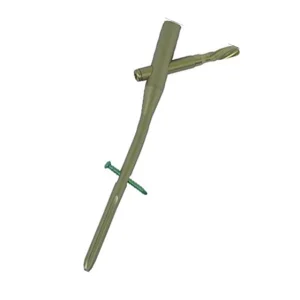
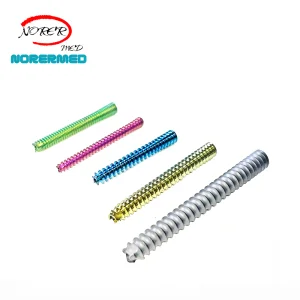
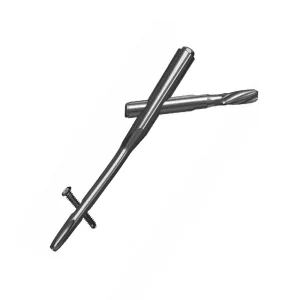
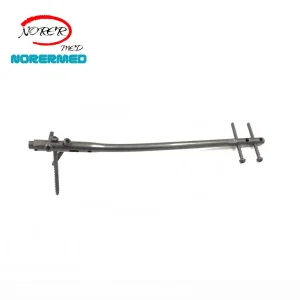
Biocompatible PEEK cages, expert interlocking nails, and headless cannulated compression screws engineered for optimal orthopedic performance.
A trusted, established partner in Changzhou, China, specializing in the development and manufacture of orthopedic trauma systems and surgical instruments.
Answers to key regulatory, metallurgical, and logistics questions for healthcare buyers in the Detroit metropolitan area.