Maka Medical Surgical
Maka Medical Surgical
Maka Medical Surgical
Direct from China's leading orthopedic engineering hub, serving major hospital networks across Jakarta, Surabaya, and Bandung.
A strategic analysis of the regulatory, financial, and clinical needs driving B2B orthopedic device procurement in Indonesia.
Indonesia is undergoing an unprecedented demographic transition. With a population exceeding 275 million, the segments of the population aged 60 and over are expanding rapidly. This demographic shift, combined with a rising prevalence of osteoarthritis and traumatic injuries resulting from urban expansion and traffic accidents, has driven a substantial surge in the demand for hip and knee arthroplasty. Large public hospitals, military healthcare facilities, and private healthcare networks alike are reporting consistent, year-on-year increases in demand for orthopedic implants and associated instrumentation.
Historically, joint replacement systems were treated as luxury treatments available to high-income patients. Today, however, the implementation of Indonesia's national health insurance scheme, the Jaminan Kesehatan Nasional (JKN), administered by BPJS Kesehatan, has democratized access to complex surgeries. Consequently, clinical buyers face the dual challenge of sourcing high-reliability implants that conform to rigorous anatomical specifications while strictly controlling unit costs to align with established INA-CBGs (Indonesia Case-Based Groups) reimbursement tariffs.
For international distributors and manufacturing partners, importing orthopedic implants into Indonesia requires a deep understanding of the regulatory landscape managed by the Ministry of Health (Kementerian Kesehatan Republik Indonesia - Kemenkes). Sourcing high-grade titanium implants, trauma plates, and spinal reconstruction hardware requires extensive dossier documentation, including ISO 13485 certification, Free Sale Certificates (FSC) from the country of origin, and comprehensive biocompatibility test reports (ISO 10993).
Additionally, the Indonesian government’s focus on the local content requirement, known as TKDN (Tingkat Komponen Dalam Negeri), is reshaping the supply chain. While local manufacturing is encouraged, the complex metallurgical processes required to produce medical-grade Titanium (Grade 5 / Ti-6Al-4V ELI) and implantable PEEK require advanced machinery and raw materials that are highly consolidated in China's industrial zones. Savvy Indonesian distributors bridge this gap by working closely with manufacturers like Maka Medical Technology, utilizing our technical documentation to obtain the necessary distribution licenses (Izin Penyalur Alat Kesehatan - IPAK) and product registration numbers (Nomor Izin Edar - NIE).
"To satisfy the cost requirements of the JKN system while maintaining clinical outcomes, Indonesian hospitals require orthopedic implants engineered to identical tolerances as Western alternatives, but delivered via highly efficient manufacturing supply chains."
Maka Medical Technology operates from Changzhou City, Jiangsu Province, which is globally recognized as the center of China’s high-precision orthopedic implant manufacturing industry. This geographic cluster offers significant supply chain efficiencies:
Visualizing the high-precision production environments where Maka Medical products are manufactured and quality-tested.
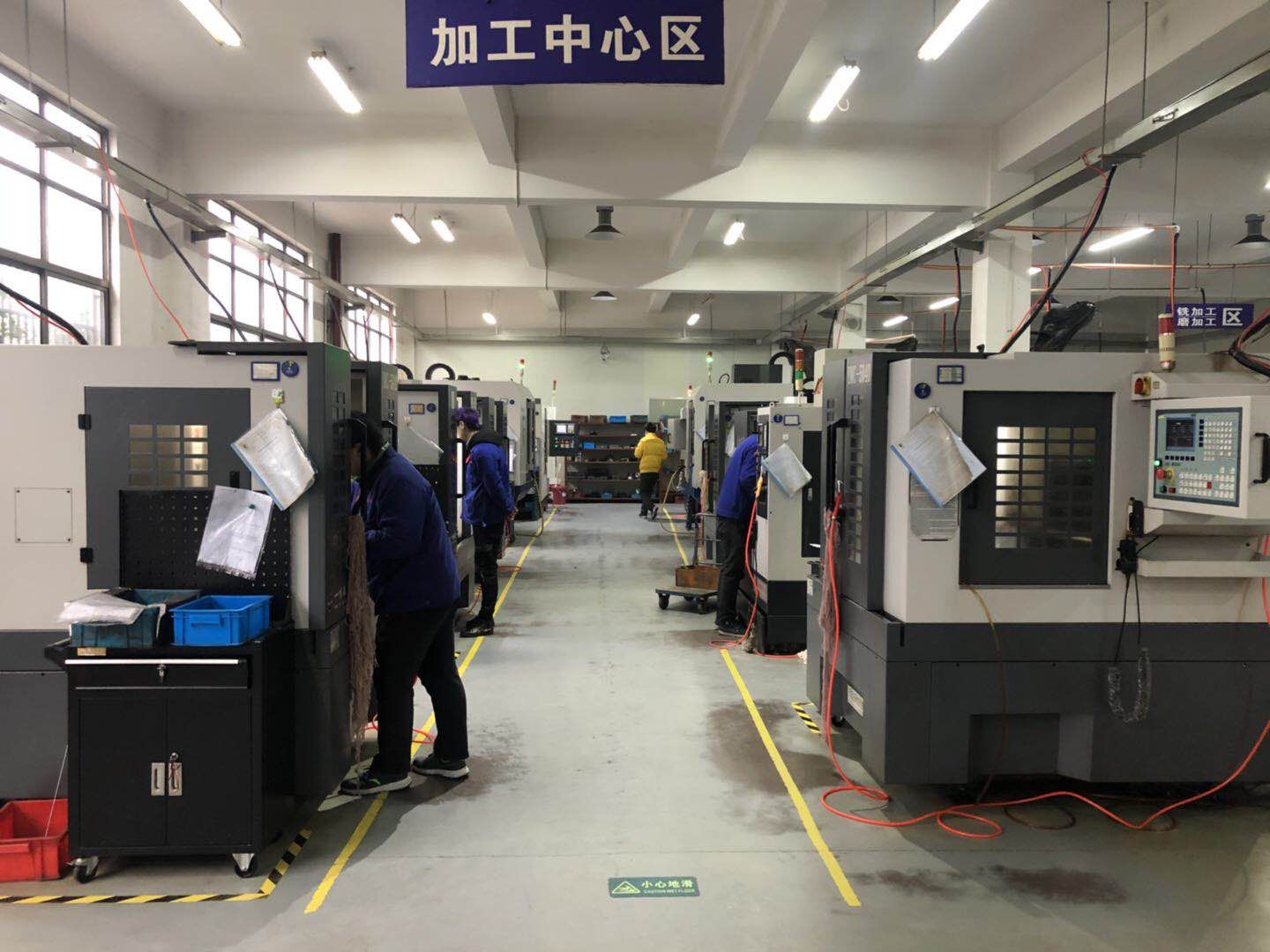
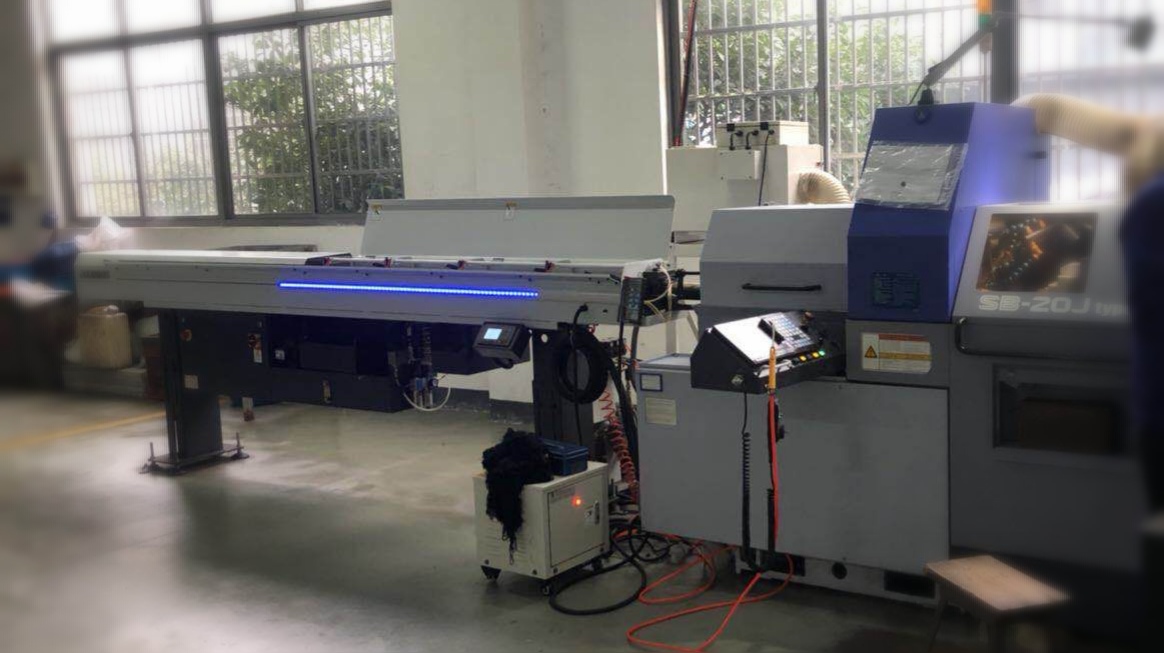
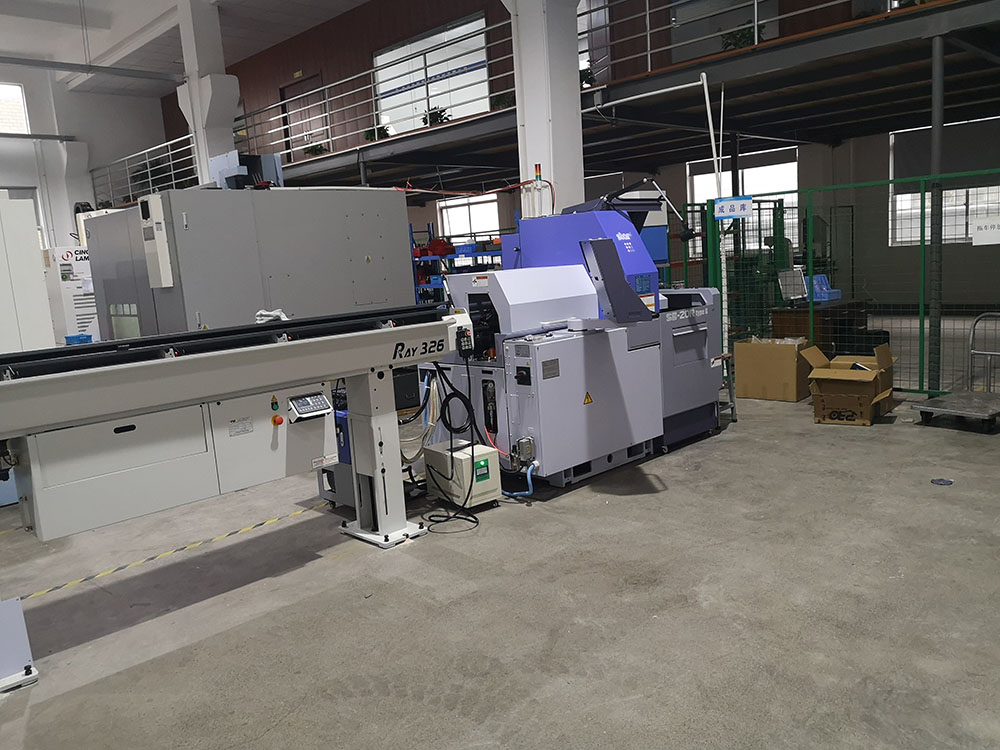
The reliability of orthopedic implants is fundamentally determined by their mechanical properties and compatibility with human bone. Our product portfolio, which ranges from interlocking femoral nails and PFNA systems to PEEK spinal cages, is developed with a deep focus on these critical factors.
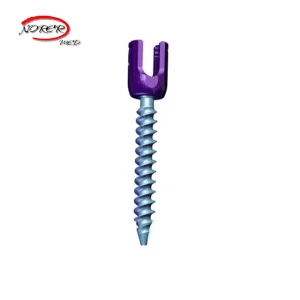
Titanium remains the gold standard for load-bearing orthopedic trauma devices like femoral and tibial interlocking nails, as well as spine pedicle screws. It offers an optimal balance of high tensile strength, fatigue resistance, and a relatively low elastic modulus compared to stainless steel. This lower modulus minimizes stress-shielding—a phenomenon where the metal implant carries all the mechanical load, leaving the adjacent bone to resorb due to lack of physical stimulation.
For spinal applications, such as cervical and lumbar interbody fusion cages (ACIF and TLIF systems), PEEK has emerged as a preferred material. Its modulus of elasticity closely matches that of human cortical bone, which encourages natural fusion and load sharing. Furthermore, PEEK is radiolucent, allowing surgeons to clearly assess the progress of bony fusion on post-operative X-rays without the scattering artifacts caused by metallic cages.
To promote osseointegration—the direct structural and functional connection between living bone and the surface of a load-bearing implant—our manufacturing processes utilize advanced surface modifications. These treatments create a micro-roughness that facilitates initial protein adsorption and subsequent osteoblast attachment, significantly improving early-stage stability.
Important details for medical device distributors, procurement managers, and orthopedists in Indonesia.
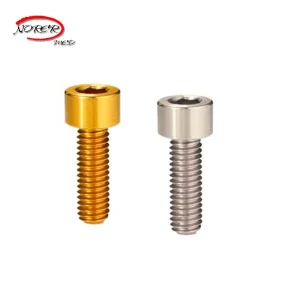
Explore our full range of certified implants, plates, and precision-machined fixation screws.