Maka Medical Surgical
Maka Medical Surgical
Maka Medical Surgical
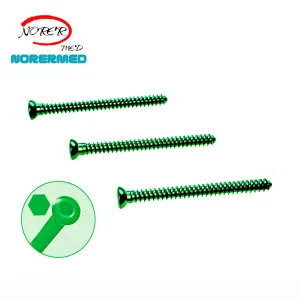
Engineered for physiological stress-distribution, optimal osteointegration, and anatomical compatibility in challenging trauma reconstructions.
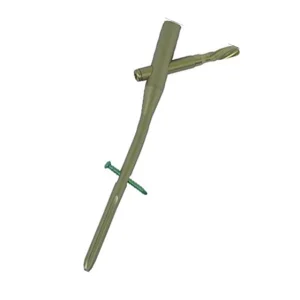
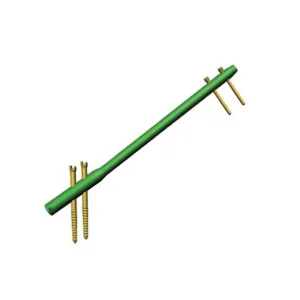
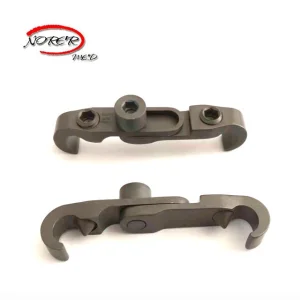
Kazakhstan's healthcare framework is undergoing a profound structural transition, marked by aggressive modernization of its medical facilities under the Social Health Insurance System (SOMS). In cities like Almaty, Astana, and Shymkent, regional trauma centers and private clinical groups are witnessing an unprecedented rise in the demand for reconstructive surgeries, specifically total hip arthroplasty (THA) and total knee arthroplasty (TKA). The convergence of an aging demographic, occupational injuries associated with the nation's robust mining and heavy industrial sectors, and a high incidence of degenerative joint diseases exacerbated by harsh northern continental climates has positioned orthopedic devices as critical public health priorities.
Historically reliant on Western European and North American implant suppliers, Kazakhstan's procurement agencies are increasingly seeking diversified supply chains. The primary driver is the need to balance cost-efficiency with uncompromising biocompatibility and biomechanical reliability. Medical grade titanium (Ti-6Al-4V ELI) and Polyether ether ketone (PEEK) implants from top-tier Chinese manufacturing hubs have bridged this gap, offering clinical equivalence to Western brands at a sustainable price point. This allows national healthcare budgets to cover a broader segment of the population waiting for joint replacements.
Globally, the hip and knee prosthesis market is driven by additive manufacturing (3D printing of porous titanium structures) and advanced surface treatments that accelerate osseointegration. Today's prosthetic designs focus heavily on minimizing wear particles—a major cause of aseptic loosening. Advanced manufacturers utilize ultra-high-molecular-weight polyethylene (UHMWPE) crosslinked liners coupled with high-purity ceramic or cobalt-chromium femoral heads. Simultaneously, titanium alloys remain the absolute gold standard for femoral stems, interlocking nails, and osteosynthesis plates due to their fatigue resistance and modular compatibility with human skeletal geometry.
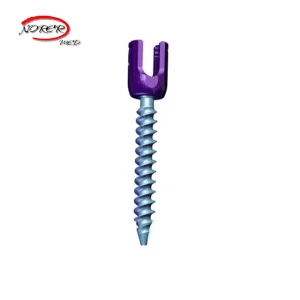
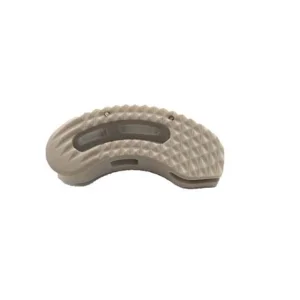
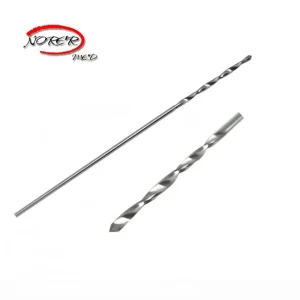
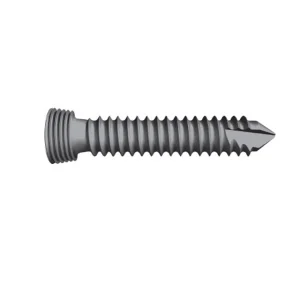
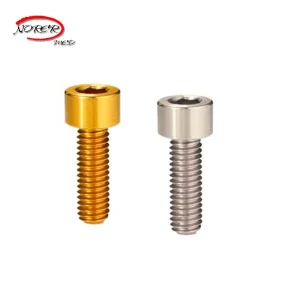
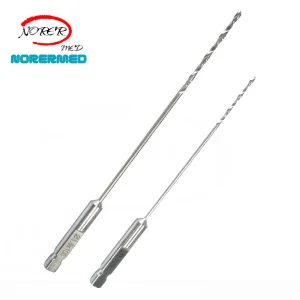
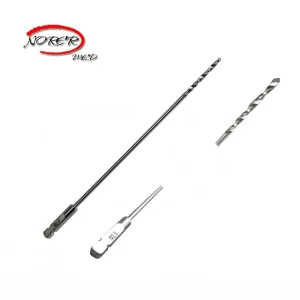
Covering high-load trauma requirements, spinal decompression cages, and precision surgical drilling tools.
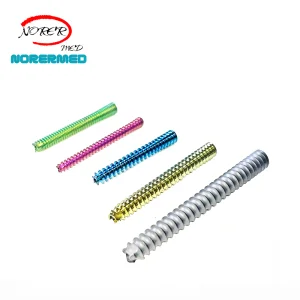
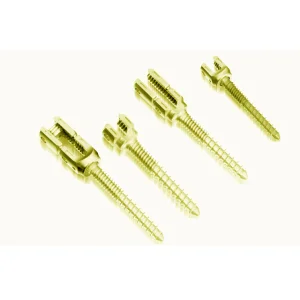
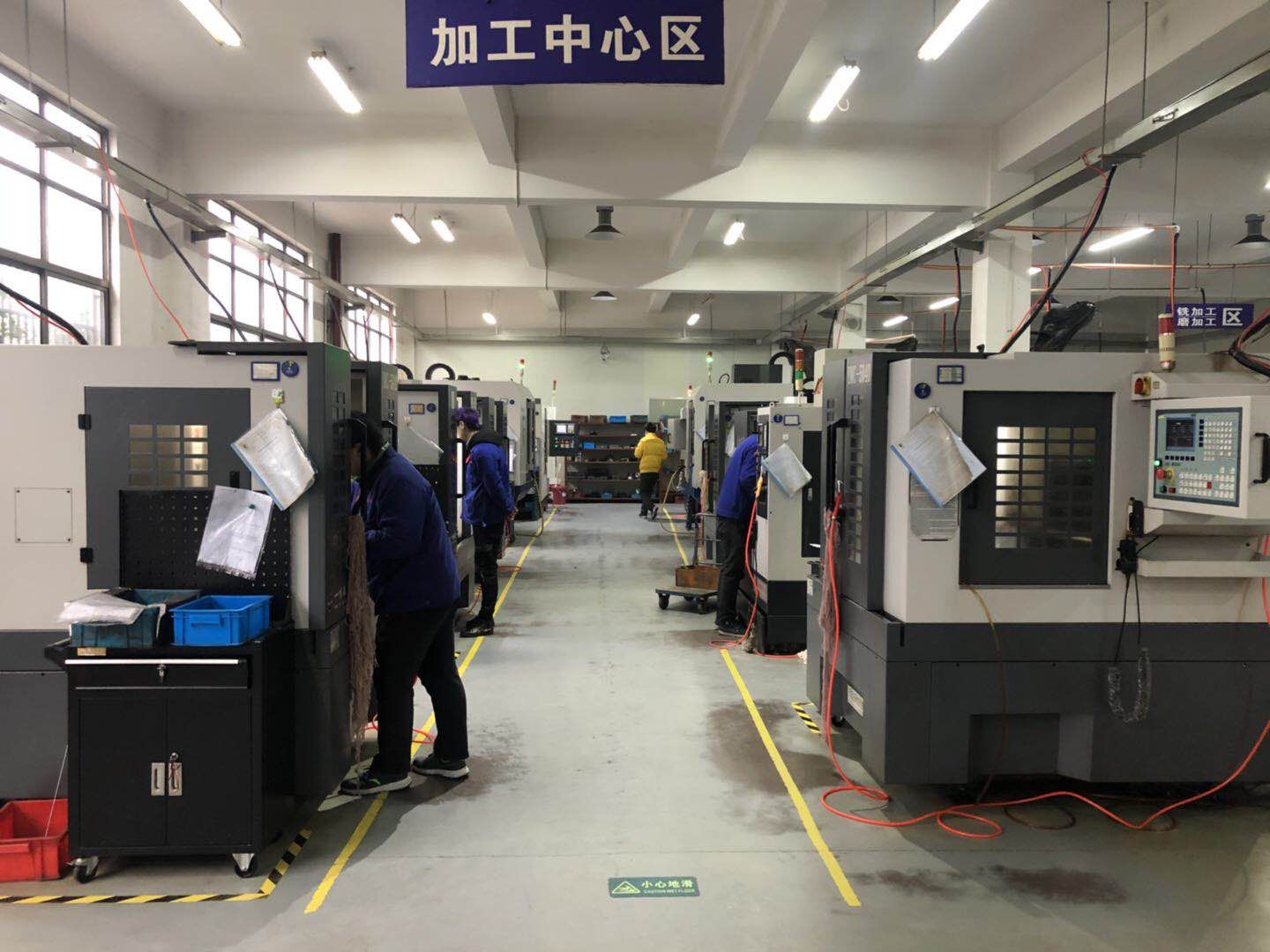
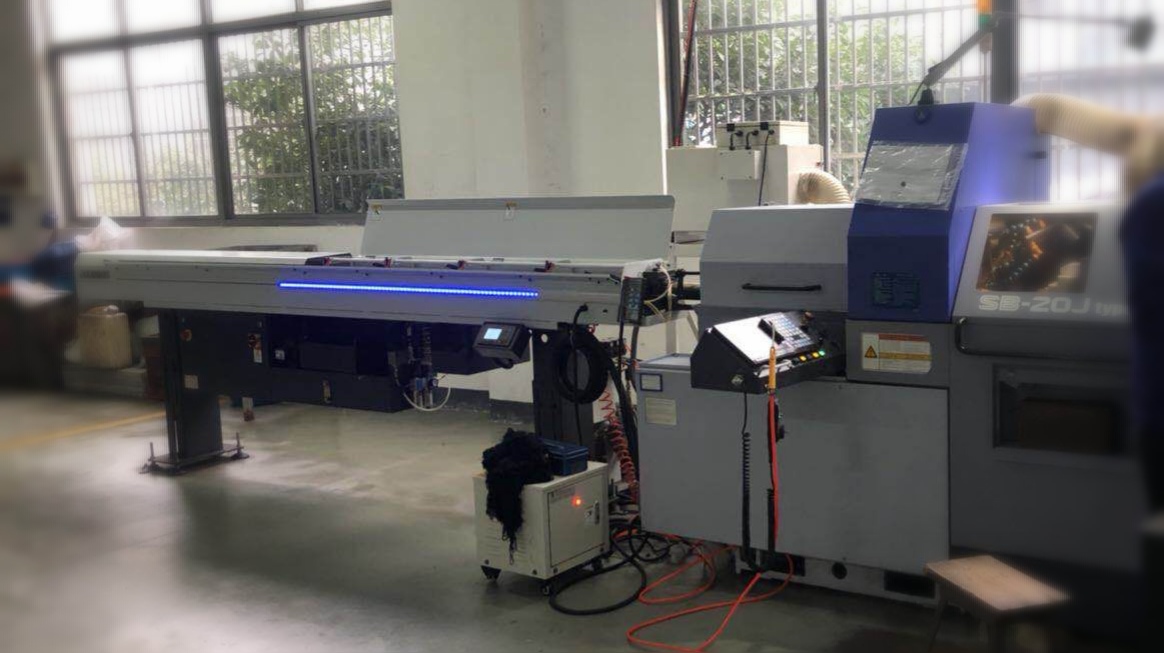
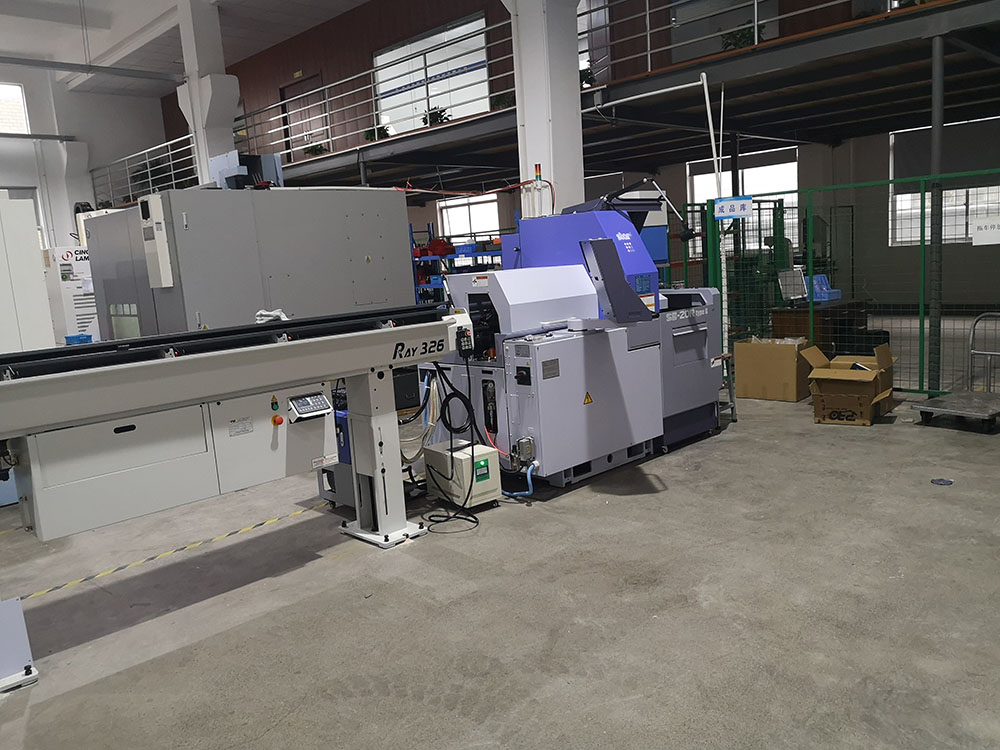
The orthopedic manufacturing corridor in Changzhou, Jiangsu province, has established itself as the epicenter of global orthopedic supply chains. This regional specialization is characterized by a concentrated ecosystem of material suppliers, state-of-the-art multi-axis CNC Swiss-type lathes, anodization finishing facilities, and class 10,000 cleanrooms for sterile packaging. This concentrated manufacturing supply chain drives significant cost efficiencies, allowing manufacturers like Maka Medical Technology Co., Ltd. to deliver raw materials processing, precision machining, and strict quality control at a fraction of the cost of decentralized manufacturers.
For procurement managers in Almaty or Nur-Sultan, sourcing directly from Changzhou provides three distinct advantages:
Entering the Kazakhstan medical device market requires adherence to strict regulatory pathways. With the ongoing harmonization of medical device registrations under the Eurasian Economic Union (EAEU) rules, suppliers must present comprehensive technical dossiers, clinical trial evaluations, and ISO 13485 quality system certifications. Maka Medical works closely with authorized representatives in Central Asia to facilitate national registration certificates through the National Center for Expertise of Medicines and Medical Devices of the Ministry of Health of the Republic of Kazakhstan, assuring complete legal compliance and uninterrupted supply chains.
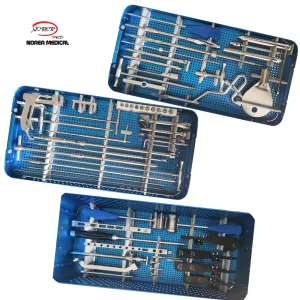
A complete surgical line designed for integration in public hospitals, private clinics, and veterinary academic institutions across Kazakhstan.
Logistical reliability is a critical pillar of orthopedic supply chains. Since medical devices must maintain clean packaging during transit, shipping routes must offer climate stability and low handling risks. Sourcing implants from Changzhou (Jiangsu) allows distributors in Kazakhstan to leverage the China-Europe Railway Express (specifically routes running through Lianyungang/Urumqi directly into Khorgos and Almaty). Rail transit typically reduces shipping times to 10–14 days, compared to the 40–50 days associated with sea freight routes servicing the region via European ports.
Moreover, local customs brokers can utilize established cross-border trade agreements between China and Kazakhstan. Direct dispatch of shipments containing sterile orthopedic plates, trauma interlocking nails, and spinal screws with detailed certificates of origin facilitates rapid customs clearance at regional borders, keeping local hospital inventories optimized.
Key technical, regulatory, and commercial information for orthopedic distributors and procurement managers in Kazakhstan.
Get in touch with our product engineers to request material test reports, dimensional blueprints, or pricing for the Kazakhstan market.
Direct manufacturer access ensuring competitive pricing, reliable material traceability, and dedicated clinical support.