Maka Medical Surgical
Maka Medical Surgical
Maka Medical Surgical
The orthopedic implant sector in Japan represents one of the most mature yet demanding markets globally. Characterized by a rapidly super-aging society, where over 29% of the population is aged 65 or older, Japan exhibits an intense and growing clinical demand for joint reconstructions, trauma fixation, and spinal intervention systems. Japanese healthcare providers maintain exceptionally high expectations regarding material purity, surface engineering, and dimensional accuracy.
Local Japanese manufacturing clusters—such as the famous metalworking hubs in Niigata (Tsubame-Sanjo area) and industrial centers in Tokyo and Osaka—possess world-renowned expertise in ultra-precision grinding and micromachining. However, domestic production capacities in Japan face structural challenges. High energy costs, localized labor shortages in heavy and precision industries, and the sheer overhead of maintaining PMDA (Pharmaceuticals and Medical Devices Agency) Class III and IV facility registrations drive up the final unit costs of locally manufactured implants.
Minimally Invasive Surgery (MIS) & Radiotranslucency: Surgeons in leading Japanese hospitals (such as Keio University Hospital and Osaka University Hospital) increasingly demand spinal implants that utilize advanced polyetheretherketone (PEEK) for load sharing and unobstructed post-operative imaging, paired with low-profile titanium alloy fixation elements.
For any global orthopedic implant manufacturer or distributor targeting the Japanese market, regulatory validation is the single largest hurdle. Japan’s Ministry of Health, Labour and Welfare (MHLW), working in tandem with the PMDA, enforces the Pharmaceutical and Medical Devices Act (PMD Act). Under this system, orthopedic implants—ranging from pedicle screws to locking plates—are categorized as Class III (Specially Controlled Medical Devices) or Class IV (High-Risk Specially Controlled Medical Devices).
Achieving compliance requires foreign manufacturers to appoint a local Marketing Authorization Holder (MAH) or Designated Marketing Authorization Holder (DMAH) in Japan. The factory must also comply with the rigorous MHLW Ministerial Ordinance No. 139 (QMS Ordinance), which is closely aligned with ISO 13485:2016 but contains unique requirements regarding record keeping, local reporting, and design history files (DHF). To successfully import implants, Chinese facilities must prove equivalence in raw material certifications (e.g., ASTM F136 for Ti-6Al-4V ELI, ASTM F2026 for PEEK) and undergo comprehensive process validation (IQ/OQ/PQ) for CNC turning, laser marking, and cleanroom packaging.
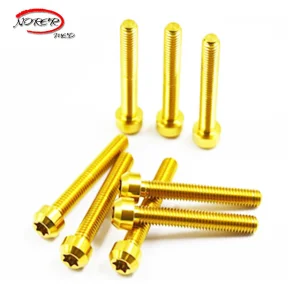
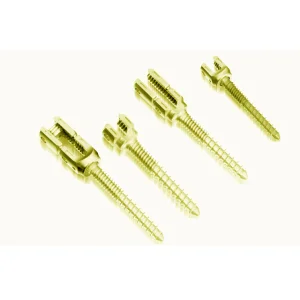
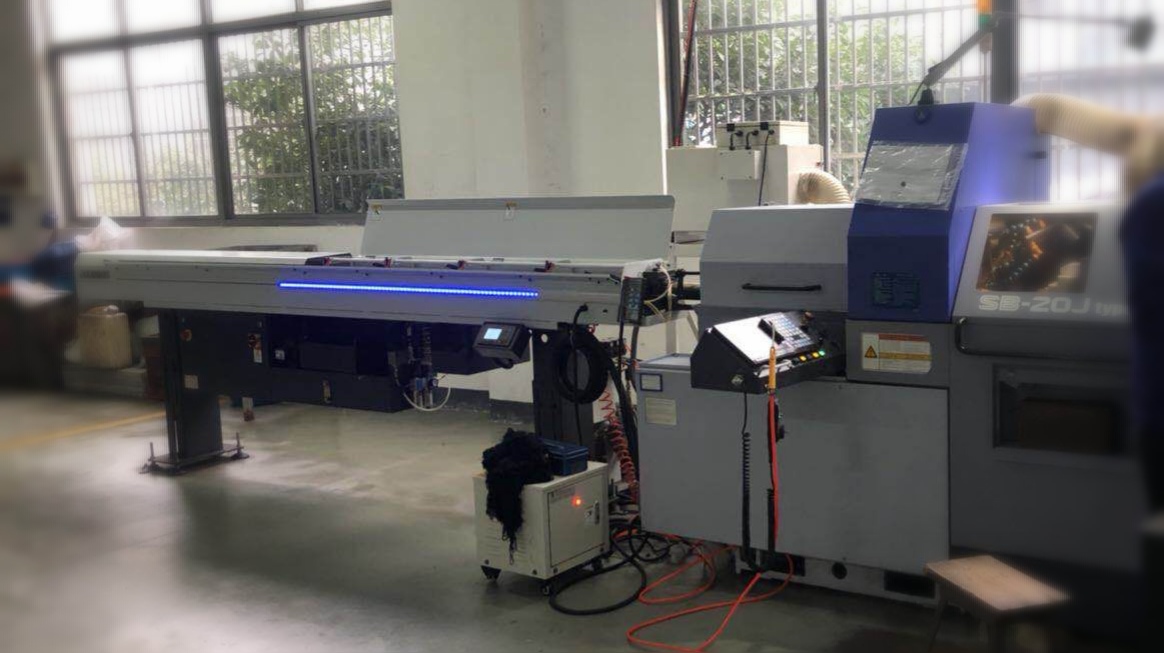
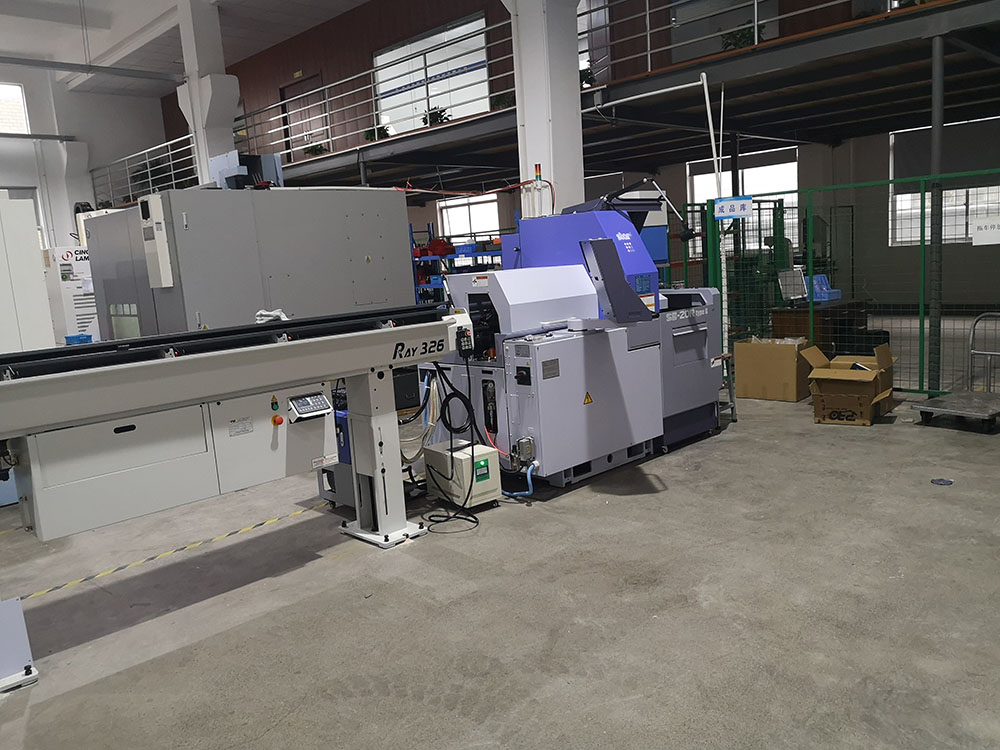
Equipped with Citizen and Star Swiss-type sliding head stock CNC lathes, ensuring sub-micron accuracy for complex thread configurations and bone screws.
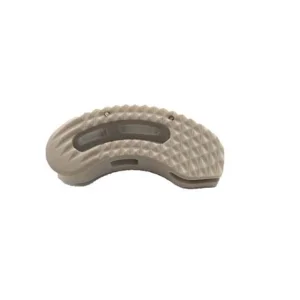
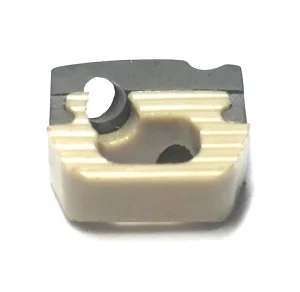
Advanced injection molding and precision extrusion of medical-grade PEEK polymer (Evonik / Solvay raw material sourcing) for cervical and lumbar fusion cages.
Full support for technical documentation dossiers including mechanical testing data (fatigue, static shear, pull-out) matching PMDA QMS Ordinance No. 139.
While Japanese medical device brands and hospitals maintain strict performance standards, importing directly from a high-quality Chinese factory represents an optimized procurement model. The Changzhou orthopedic manufacturing hub in Jiangsu, China, has evolved into a global powerhouse for trauma and spinal implants. Factories located in this region leverage extensive supply chain integration—from raw titanium billet forging to precision wire-EDM cutting and automated anodization—to dramatically reduce costs without compromising structural integrity.
| Evaluation Parameter | Local Production in Japan | Maka Medical (Changzhou, China Hub) |
|---|---|---|
| Raw Material Origin | Domestic (Kobe Steel) / USA Imported | ASTM F136 Eli Titanium / Solvay USA PEEK |
| Tooling & Machining | Ultra-precision, boutique batch limits | High-throughput Swiss CNC machining (Citizen/Star) |
| Labor & Scalability | High overhead, constrained production space | Highly scalable, automated multi-axis systems |
| Quality Management System | PMDA QMS / ISO 13485 | ISO 13485 / PMD Act Compliant Validation Dossiers |
| Cost Efficiency | Baseline premium pricing structure | Up to 40-50% cost-optimization on bulk OEM runs |
For Japanese OEMs, medical device distributors, and global veterinary clinics, sourcing from Maka Medical Technology Co., Ltd. provides a dual advantage: cost-effective bulk production and adherence to strict engineering standards. By utilising identical Swiss machining technology as Japanese local shops, our Jiangsu-based production center outputs implants with comparable surface finishes (Ra < 0.4 microns) and tolerance levels (+/- 0.005mm).
Maka Medical Technology Co., Ltd. is a leading manufacturer specializing in orthopedic medical devices. Our state-of-the-art facility in Jiangsu, China, manufactures orthopedic trauma bone plates, bone screws, orthopedic interlocking nails, spine pedicle screws, cervical plates, PEEK cervical & lumbar cages, and corresponding instrumentation. We serve global distributors, veterinary hospitals, and medical device companies requiring high-precision contract manufacturing that conforms to ISO 13485 guidelines.
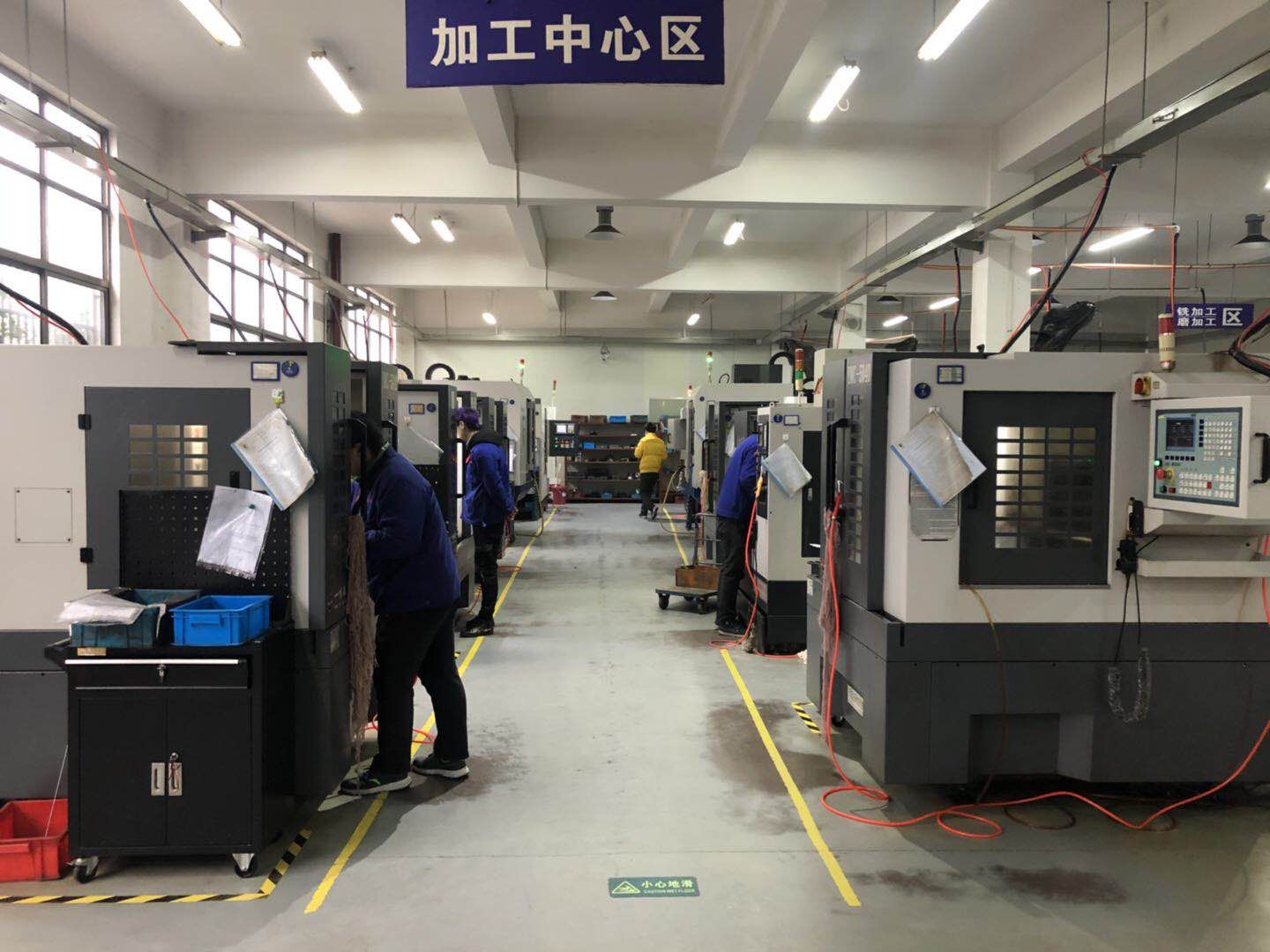
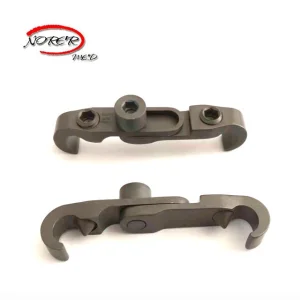
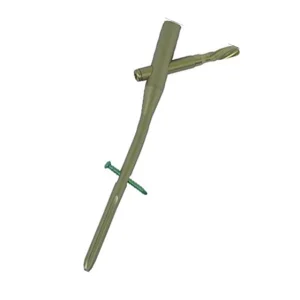
Our production environment integrates high-speed milling centers, multi-axis Swiss CNC turning stations, and class-validated ultrasonic cleaning lines. Below are key images from our production operations, showing our QA setup, machining floor, and material storage environments:
Sourcing managers in Japan and international distribution hubs must utilize a rigorous validation process when selecting an orthopedic manufacturing partner. Clinical failures, material contamination, or geometric deviations in spinal or trauma assemblies carry significant liability risk. Below are the key engineering markers and testing standards that must be verified:
Every shipment of implantable products must be accompanied by raw material mill test certificates. For metallic implants, Grade 23 Titanium Alloy (Ti-6Al-4V ELI) conforming to ASTM F136 is mandatory due to its lower interstitial element content compared to standard Grade 5, offering superior ductility and fracture toughness. For polymeric cage implants, raw material must be PEEK-OPTIMA or equivalent medical grades complying with ASTM F2026. Sourcing departments should reject any supplier unable to provide heat-number level material traceability.
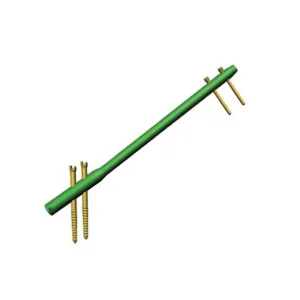
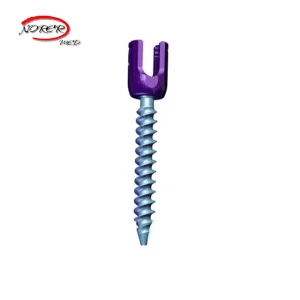
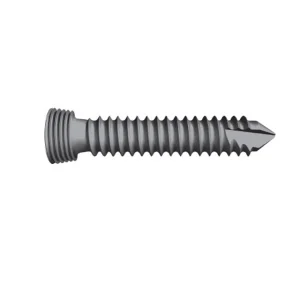
Pedicle and locking bone screws require extremely precise thread pitches and self-tapping flute geometries. Variations in screw thread profiles can lead to high insertion torque, bone cell necrosis, or loss of holding power. Maka Medical employs optical comparator inspection and digital profilometry to verify thread pitch tolerances within +/-0.01mm. Additionally, double-lead threads are utilized on our cortical bone screws to halve insertion time during critical surgeries.
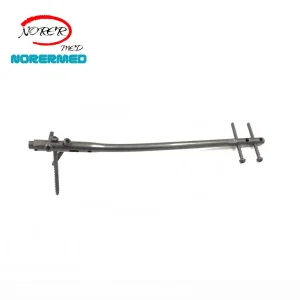
To assure clinical safety, implants must undergo extensive laboratory stress testing. Spinal constructs (pedicle screws and rods) must undergo static and fatigue testing according to ASTM F1717. Femoral and tibial interlocking nails undergo testing for torsional fatigue and bending resistance under ASTM F383 / F1264 protocols. Our engineering files contain detailed testing logs to support foreign product registration filings.
Partner with Maka Medical to secure high-precision, ISO 13485 certified orthopedic trauma and spinal implants. Bridge the gap between cost-efficiency and PMDA compliance.