Maka Medical Surgical
Maka Medical Surgical
Maka Medical Surgical
These high-demand spinal implants are built to match the strict clinical parameters of Chicago's premier orthopedic centers. Engineered with advanced materials like biocompatible PEEK and Grade 5 Titanium (Ti6Al4V ELI).
Chicago stands as one of the most vital clinical and logistics hubs in North America. Home to leading medical institutions, including Northwestern Memorial Hospital, Rush University Medical Center, and the University of Chicago Medicine, the city is a hotspot for pioneering orthopedic and neurosurgical research. Consequently, local distributors, healthcare purchasing networks (GPOs), and private practices demand spine surgery implants that meet strict biomechanical and regulatory standards.
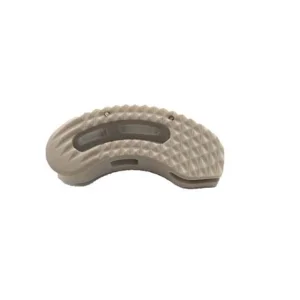
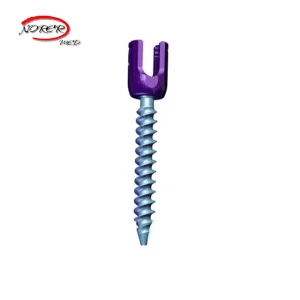
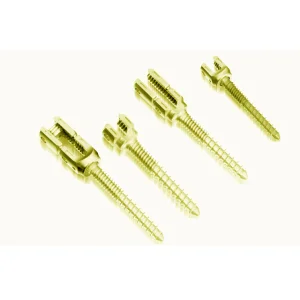
The local market requires spinal devices that support Minimally Invasive Surgery (MIS) protocols, which reduce hospital stays and optimize patient recovery times. In Chicago's competitive healthcare landscape, importers are actively looking for reliable OEM/ODM partners to secure a steady supply of titanium pedicle screws, PEEK (Polyetheretherketone) interbody cages, and anterior cervical plating systems that match local surgical standards.
By bridging the gap between local Chicago distribution hubs and state-of-the-art Chinese manufacturing facilities, buyers can achieve substantial cost savings without compromising on raw material grades, surface treatments, or precision tolerances.
Modern spine care is shifting from traditional open spinal fusion toward motion preservation and target-specific interbody fusion techniques. Manufacturers must continuously adapt to keep pace with these clinical changes.
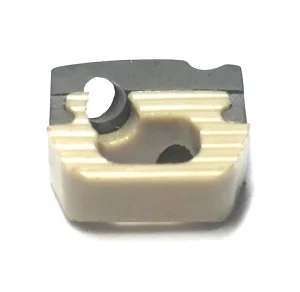
PEEK polymers offer a modulus of elasticity that closely matches human cortical bone. This reduces the risk of stress shielding and implant subsidence, making PEEK cages a preferred choice for transforaminal and anterior lumbar interbody fusion (TLIF/ALIF).
Direct Metal Laser Sintering (DMLS) produces porous structures that mimic trabecular bone. This promotes rapid osteointegration and biological fixation, helping patients recover faster.
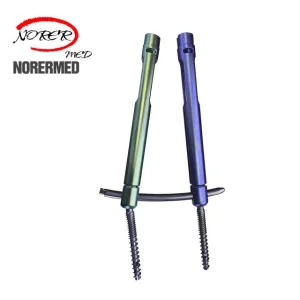
Minimally invasive spinal stabilization requires cannulated pedicle screws that are compatible with K-wire guidance and navigated robotic arms. This ensures highly accurate screw placement in the pedicle canal.
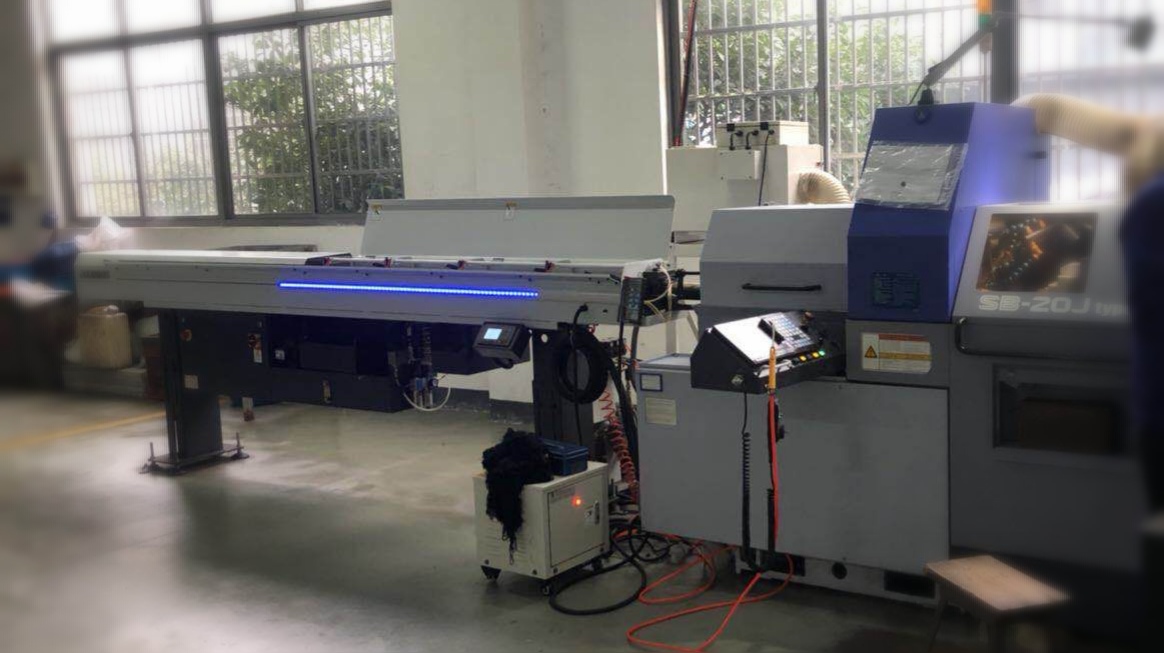
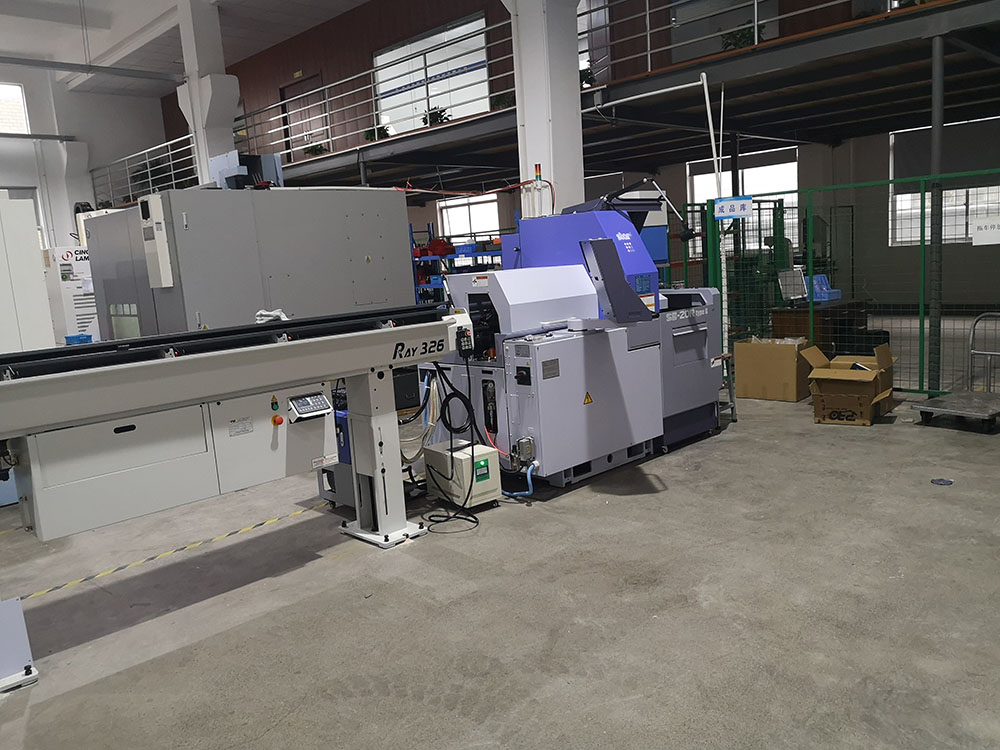
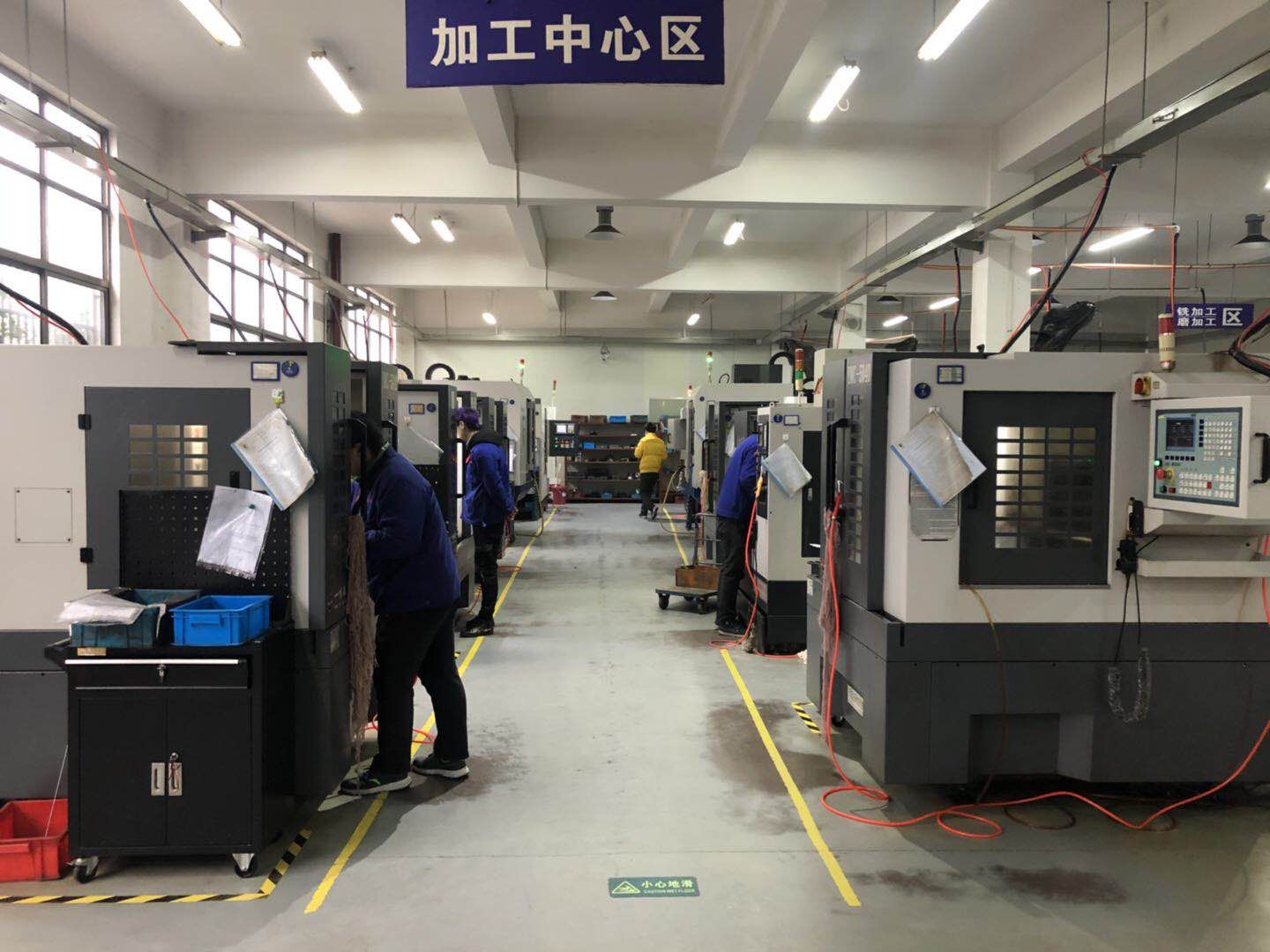
Importers in Chicago face rising raw material costs, regulatory compliance challenges, and shipping delays. In response, Chinese medical device manufacturing has transitioned to Industry 4.0 intelligent production. High-precision CNC Swiss-type lathes, automated optical inspection systems, and Class 10,000 cleanrooms ensure every component meets surgical specifications.
Changzhou, located in Jiangsu province, is China’s leading medical device cluster. Local manufacturers like Maka Medical leverage this integrated supply chain to source top-tier materials (such as US-made PEEK and medical-grade titanium rods) and process them with tight tolerances.
For Chicago distributors, this direct factory access means bypassing multiple middle layers. The result is a highly reliable supply chain that delivers ISO-certified, surgically validated implants at a fraction of the cost of domestic production, without compromising on quality or safety.
Our spinal implant portfolio is designed to meet the clinical requirements of a variety of institutions, from major trauma centers to outpatient surgery clinics.
In trauma units, high-torque titanium pedicle screws and interlocking intramedullary nails are critical for stabilizing unstable spinal column fractures and long bone injuries.
Outpatient clinics focus heavily on cost efficiency and patient outcomes. Minimally invasive posterior lumbar cervical cages and low-profile fixation plates help reduce recovery times and overall hospital costs.
With major veterinary hospitals throughout the Chicago metropolitan area, there is growing demand for specialized implant lines. Our mini-pedicle screws and custom veterinary locking plates provide precise solutions for canine and equine spinal care.
A technical breakdown of raw material performance metrics. Choosing the right material directly impacts clinical success, osseointegration rates, and long-term implant stability.
| Material Standard | Tensile Strength (MPa) | Elastic Modulus (GPa) | Biocompatibility Level | Primary Application |
|---|---|---|---|---|
| Titanium Ti6Al4V ELI (ASTM F136) | ≥ 860 | 110 - 114 | Excellent (Osteointegrative) | Pedicle Screws, Rods, Anterior Plates |
| PEEK Optima (ASTM F2026) | 90 - 100 | 3.6 - 4.0 | Excellent (Radiolucent) | TLIF/PLIF/ACIF Interbody Cages |
| Medical Stainless Steel (ASTM F138) | ≥ 490 | 190 - 200 | Good (Short-term/Interlocking) | Bone Screws, Drills, Guide Wires |
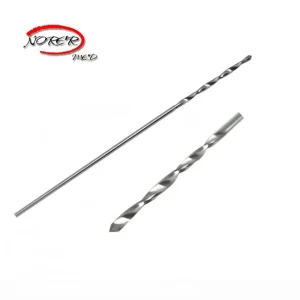
Explore our wider range of orthopedic trauma plates, interlocking nails, bone screws, and specialized surgical drill systems. Manufactured to strict tolerances for consistent clinical performance.
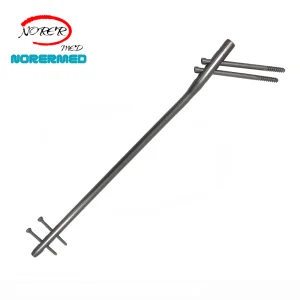
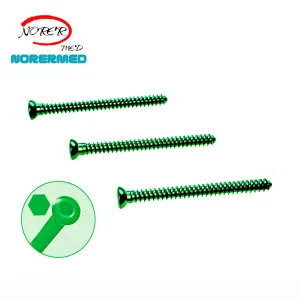
Partnering with a reliable manufacturer is key to scaling your supply chain. Learn more about our production capacity, quality management systems, and OEM capabilities.
Located in Changzhou, Jiangsu Province—the heart of China's medical device manufacturing sector—Maka Medical specializes in orthopedic implants and surgical instruments. We design and manufacture high-quality trauma plates, bone screws, interlocking intramedullary nails, spinal pedicle screws, anterior cervical plates, and PEEK interbody fusion cages.
By combining strict quality control processes with cost-effective manufacturing, we provide global distributors and hospital networks with clinical-grade implants that meet international standards.
Important technical and logistics questions for procurement officers, medical device distributors, and orthopedic surgeons.
Reduce lead times, lower manufacturing costs, and ensure consistent surgical quality. Contact our sales engineers to request custom quotes, engineering drawings, or product samples.
Send Inquiry Now