Maka Medical Surgical
Maka Medical Surgical
Maka Medical Surgical
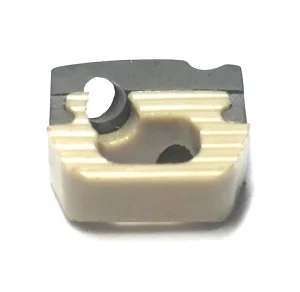
Serbia's medical device ecosystem is undergoing a major structural evolution. Managed under the national healthcare framework by the Republic Fund for Health Insurance (RFZO) and regulated stringently by the Medicines and Medical Devices Agency of Serbia (ALIMS), clinical centers from Belgrade to Niš require implants that balance world-class safety certifications with economically sustainable sourcing. Major hospitals such as the Clinical Centre of Serbia (UKCS) and private healthcare conglomerates like MediGroup are standardizing spinal fixation inventories, aiming to lower surgery costs while preserving clinical excellence.
The import-oriented nature of the Serbian spinal implant market places a heavy reliance on high-precision manufacturers. While Western European brands traditionally dominated the market, changes in healthcare administration and reimbursement parameters have prompted medical distributors in Central and Eastern Europe to diversify their supply chains. The search for ISO 13485-certified manufacturers offering equivalent biomechanical reliability has shifted attention to specialized, high-tier Chinese production zones.
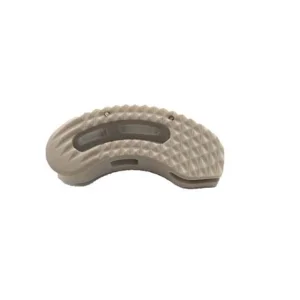
In global spine care, the selection of materials dictates clinical outcomes. The medical sector has witnessed a significant shift from pure titanium stabilization systems to advanced hybrid modalities. PEEK (Polyetheretherketone) has emerged as the premier choice for interbody cages (TLIF, PLIF, ACIF) due to its elastic modulus closely matching that of human cortical bone. This reduces the risk of stress shielding and subsequent implant subsidence. Additionally, the radiolucent nature of PEEK enables postoperative bone fusion visualization without artifacts under CT or MRI screening.
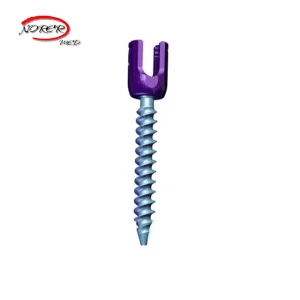
Simultaneously, medical-grade titanium alloys (typically Ti-6Al-4V ELI) remain the benchmark for pedicle screws, rods, and structural plates due to their exceptional fatigue limits, osseointegration characteristics, and biocompatibility. Modern spine implant factories must possess the capability to process both materials with sub-micron precision, utilizing multi-axis CNC machines and maintaining Class 100,000 cleanrooms for particulate control during final assembly and packaging.
Implants are designed to mimic physiological stress distribution, minimizing bone resorption and promoting rapid, stable osseointegration.
All packaging and final machining occur in sterile-controlled environments to eliminate bio-burden and particulate contamination.
Every production batch undergoes static and dynamic shear testing, axial pull-out, and torque validation under ASTM standards.
Located in the heart of China’s medical device hub, Changzhou City (Jiangsu Province), Maka Medical Technology Co., Ltd. represents the apex of localized production efficiency. The Changzhou industrial cluster benefits from a deeply integrated raw-material and manufacturing ecosystem. This allows us to source certified medical-grade titanium and raw PEEK stock with absolute transparency, while utilizing a highly skilled pool of precision engineers.
Our facility leverages advanced multi-axis CNC swiss-type lathes, dedicated milling centers, and specialized anodization lines to achieve manufacturing tolerances down to ±0.005mm. This specialized infrastructure translates into distinct competitive advantages for Serbian partners:
Corporate Brief: Maka Medical Technology Co., Ltd. employs between 11 to 50 dedicated professionals in Jiangsu, China. For over 10 years, we have specialized in the manufacture of orthopedic trauma plates, bone screws, interlocking intramedullary nails, spine screws, cervical plates, and PEEK interbody fusion systems.
The clinical demands in Southeast Europe, and specifically the Western Balkans, require highly versatile orthopedic solutions. Implants must perform reliably across three key environments:
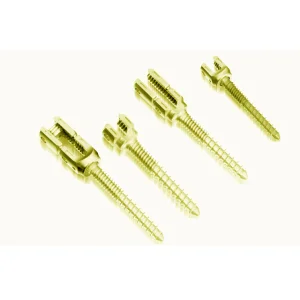
1. Human Reconstructive Spine Surgery: Public hospitals require cost-efficient spinal fixation kits (uniplanar/polyaxial pedicle screws and rods) that support surgical workloads for degenerative disc disease, spinal stenosis, and spondylolisthesis corrections.
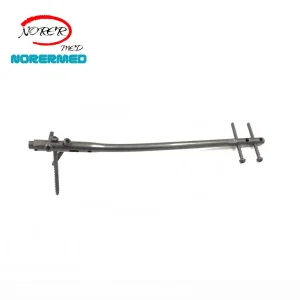
2. Emergency Trauma & Orthopedics: Trauma centers require interlocking intramedullary nail systems (for femur, tibia, and humeral fractures) that can be easily deployed using standardized instrumentation kits, reducing surgical times under acute trauma conditions.
3. Advanced Veterinary Clinics: Leading veterinary practices in Belgrade, Novi Sad, and Niš are increasingly adopting high-tier human orthopedics techniques. Small animal spine surgeries, canine hip arthroplasties, and fracture repairs require scaled titanium plates, miniature bone screws, and specialized veterinary PEEK cages to support complex cases in companion animals.
Precision is not just a promise; it is engineered into our daily protocols. View our production and testing setups that secure international trust:
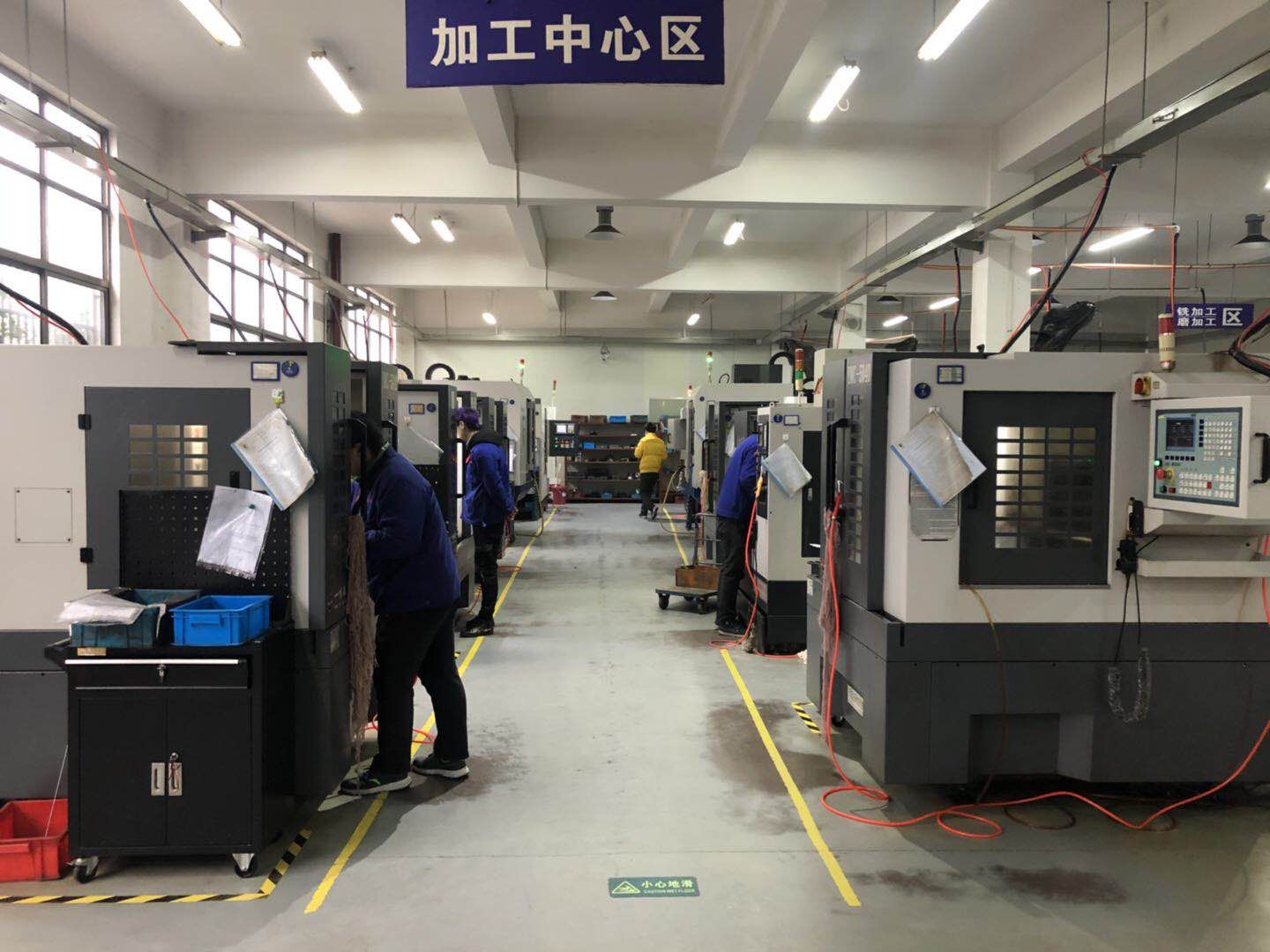
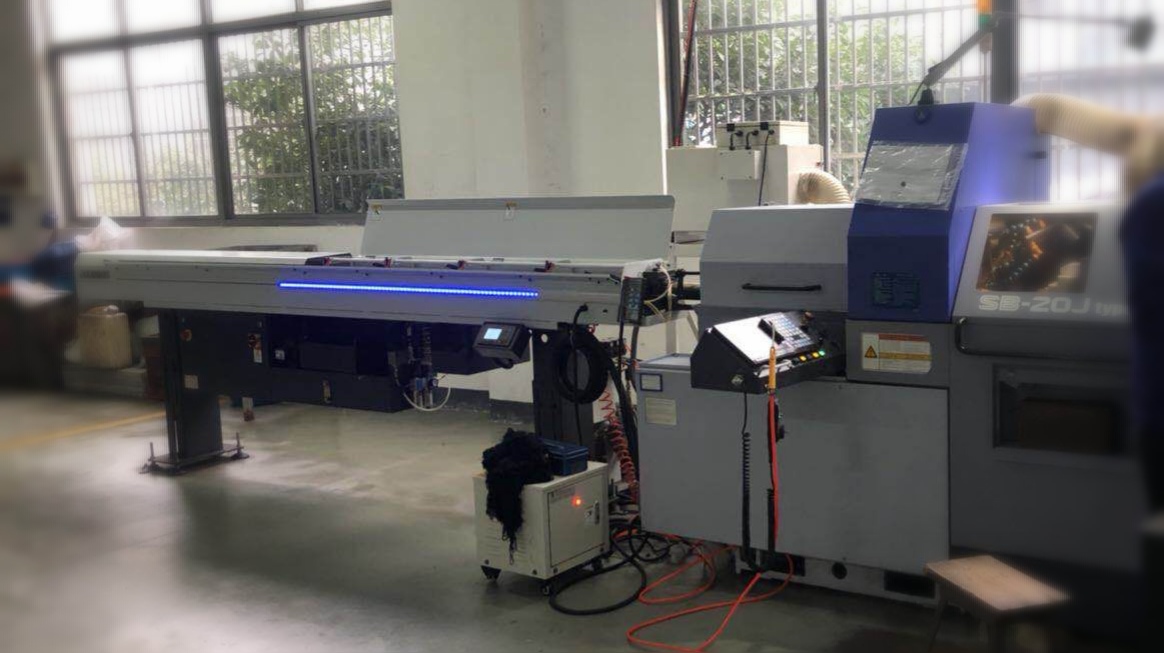
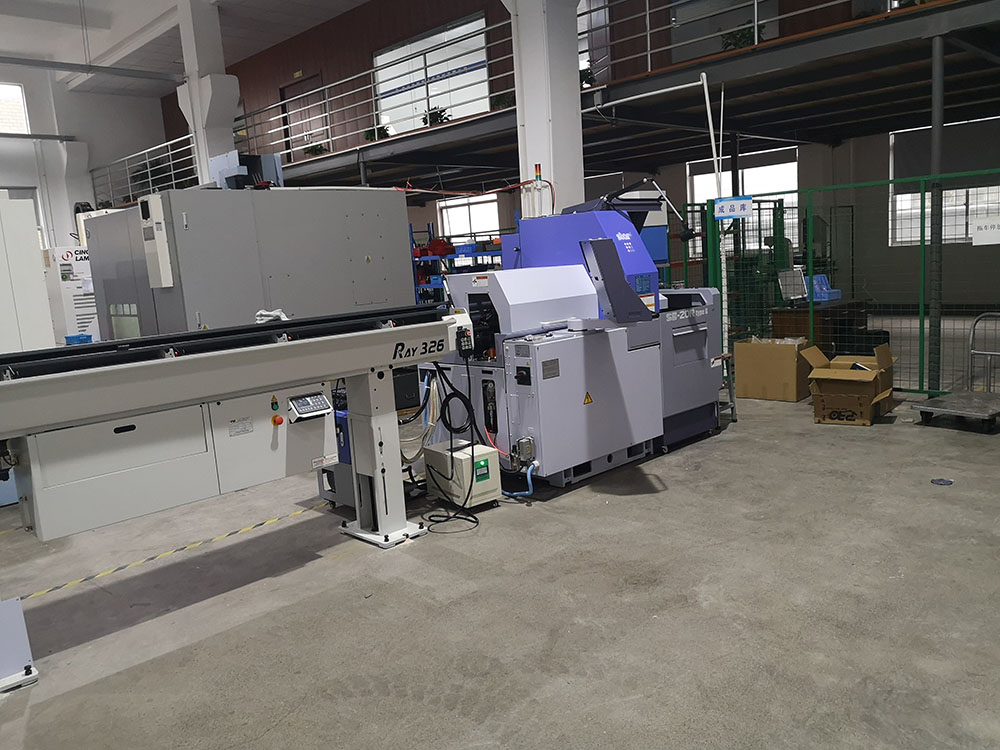
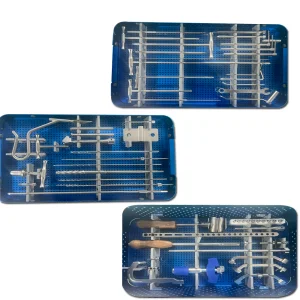
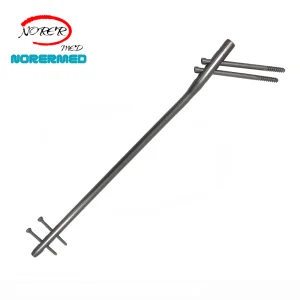
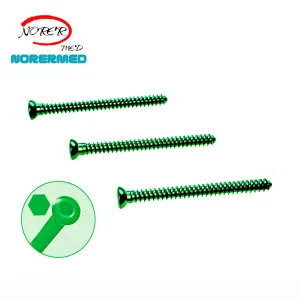
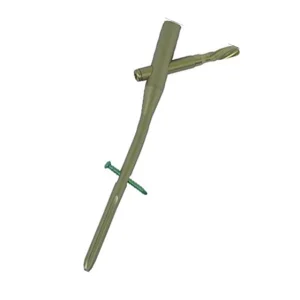
Partner with an established Chinese manufacturer to secure ISO 13485-certified spine implants, trauma plates, and custom orthopedic systems at direct factory pricing.
Send Inquiry Now