Maka Medical Surgical
Maka Medical Surgical
Maka Medical Surgical
High-performance stainless steel instrumentation deployed in top Bangladesh healthcare networks for precise surgical drilling.
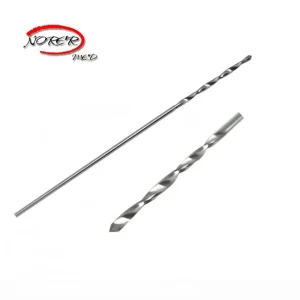
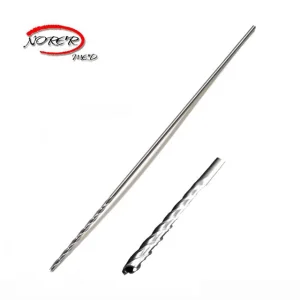
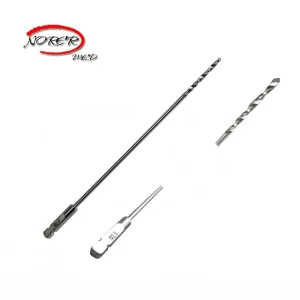
The healthcare infrastructure in Bangladesh is undergoing an unprecedented modernization curve. As metropolitan centers like Dhaka, Chittagong, and Sylhet expand, the establishment of highly specialized trauma care units, public medical colleges, and private multi-specialty hospitals has triggered a surge in demand for premium orthopedic devices. The National Institute of Traumatology and Orthopaedic Rehabilitation (NITOR) in Dhaka, along with major hospitals like Dhaka Medical College Hospital (DMCH), are processing thousands of compound fracture and reconstruction cases daily.
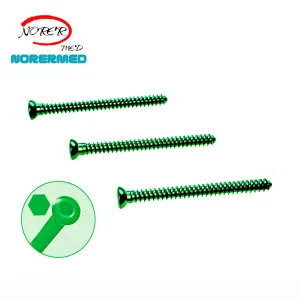
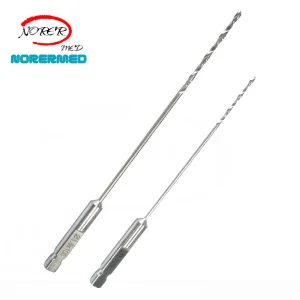
Due to high urban density and the expansion of national highways, high-energy impact injuries such as road traffic accidents (RTA) represent a significant portion of hospital admissions. This clinical landscape creates an urgent necessity for durable, implantable hardware (such as titanium interlocking nails, cervical plates, and cortical cancellous screws) and high-tolerance cutting/drilling tools (like stainless steel drill bits) that can withstand high torque without fatigue failure.
Historically, Bangladesh relied heavily on expensive European or American imports, which placed a massive financial burden on patients paying out-of-pocket, or on lower-grade local fabrications that lack structural integrity. Maka Medical bridges this gap by delivering ISO 13485 and CE compliant surgical hardware directly from our Changzhou manufacturing hub, matching Western specifications at regional economics.
We process medical-grade Titanium Alloy (Ti6Al4V ELI) and Stainless Steel (316LVM) raw materials sourced from certified metallurgical mills, complete with chemical analysis certificates (MTR) to meet stringent DGDA regulations.
Our bone screws and interlocking nail systems are engineered using swiss-type sliding headstock lathes, guaranteeing dimensional tolerances of ±0.005mm for flawless surgical alignment.
How Maka Medical optimizes production lead times, shipping routes, and customs clearances for Bangladeshi B2B partners.
Located in Changzhou City, Jiangsu Province (the epicentre of China's orthopedic technology cluster), Maka Medical leverages a dense ecosystem of surface finishing, heat treatment, and raw material sourcing. This structural advantage reduces lead times to under 30 days for complex OEM runs.
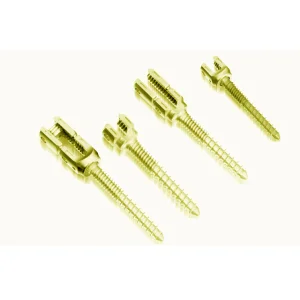
We facilitate streamlined logistics into Bangladesh. High-value, urgent shipments of surgical drill bits and pedicle screws are air-freighted via Shanghai (PVG) to Dhaka (DAC). Large-scale orthopedic trauma plate and interlocking nail volume consignments are routed from Shanghai Port directly to Chittagong Port (CGP).
Our regulatory support team assists Bangladeshi importers in registering medical devices with the Directorate General of Drug Administration (DGDA). We provide complete dossiers including ISO 13485:2016 certifications, Declarations of Conformity, and Free Sale Certificates (FSC).
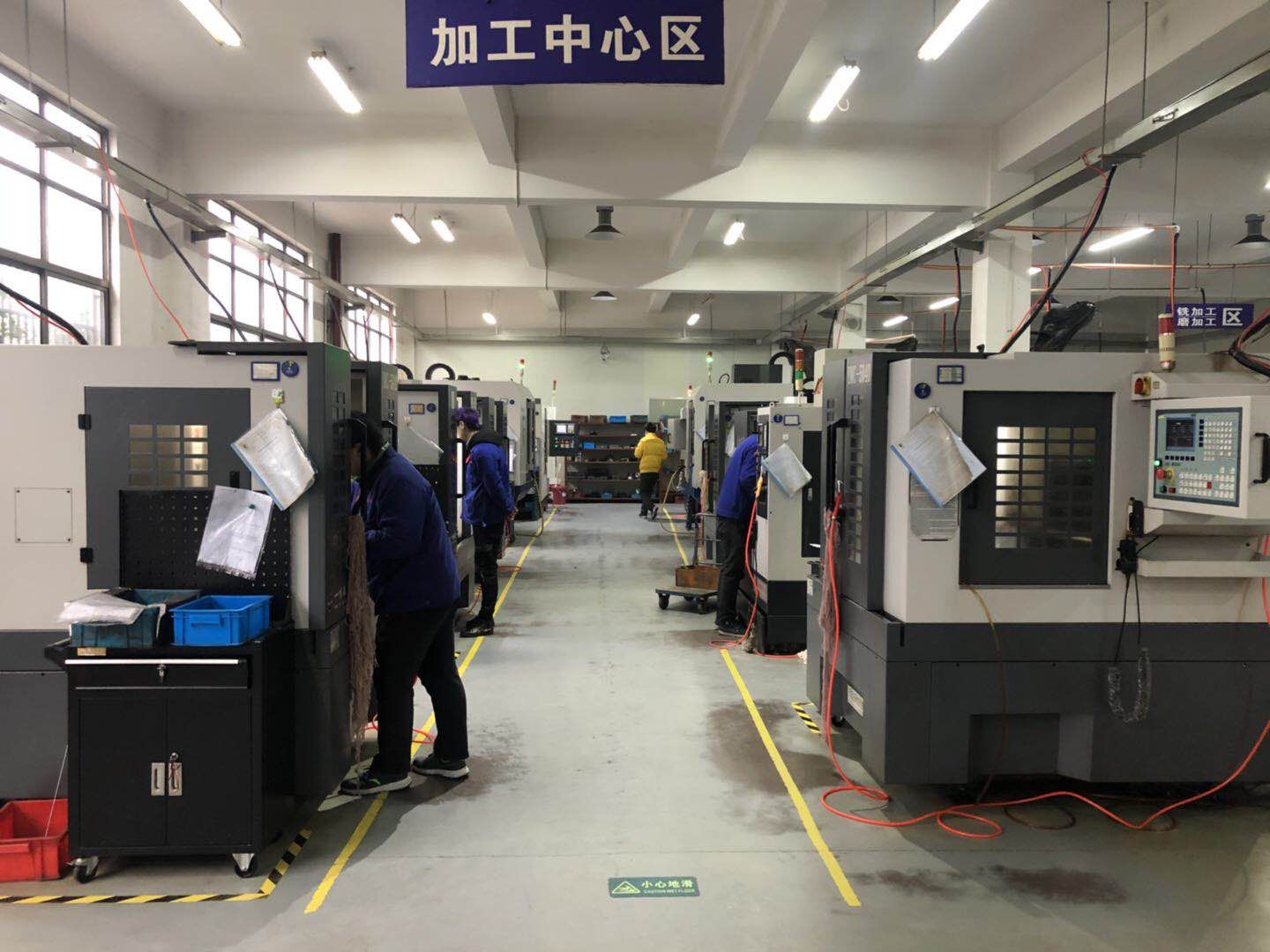
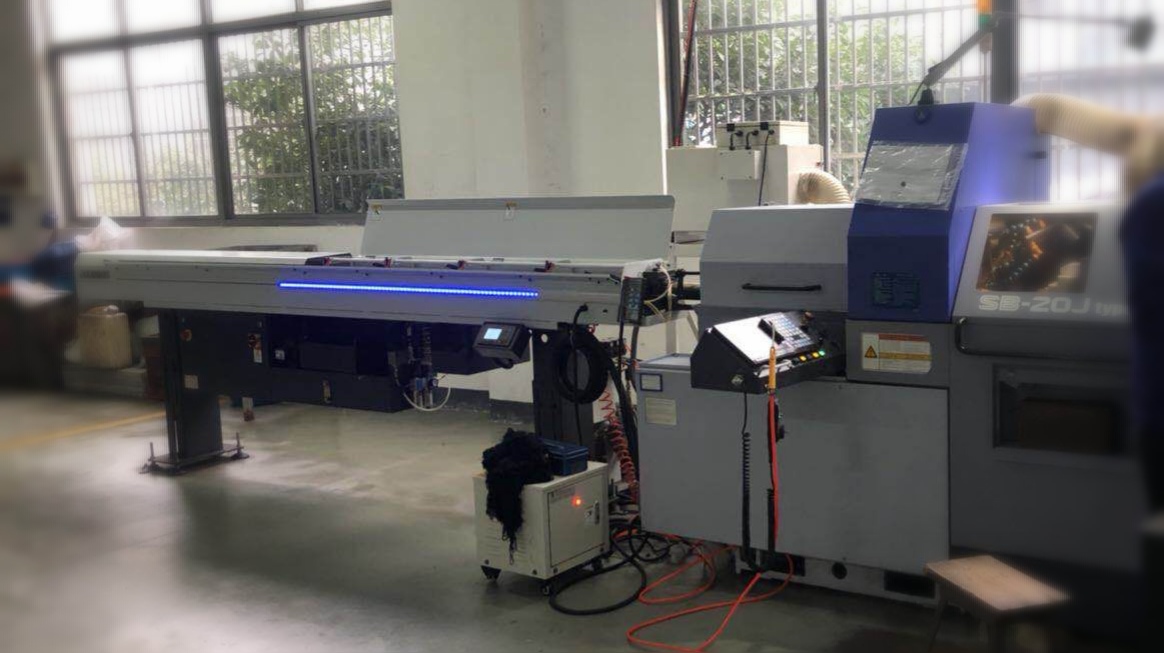
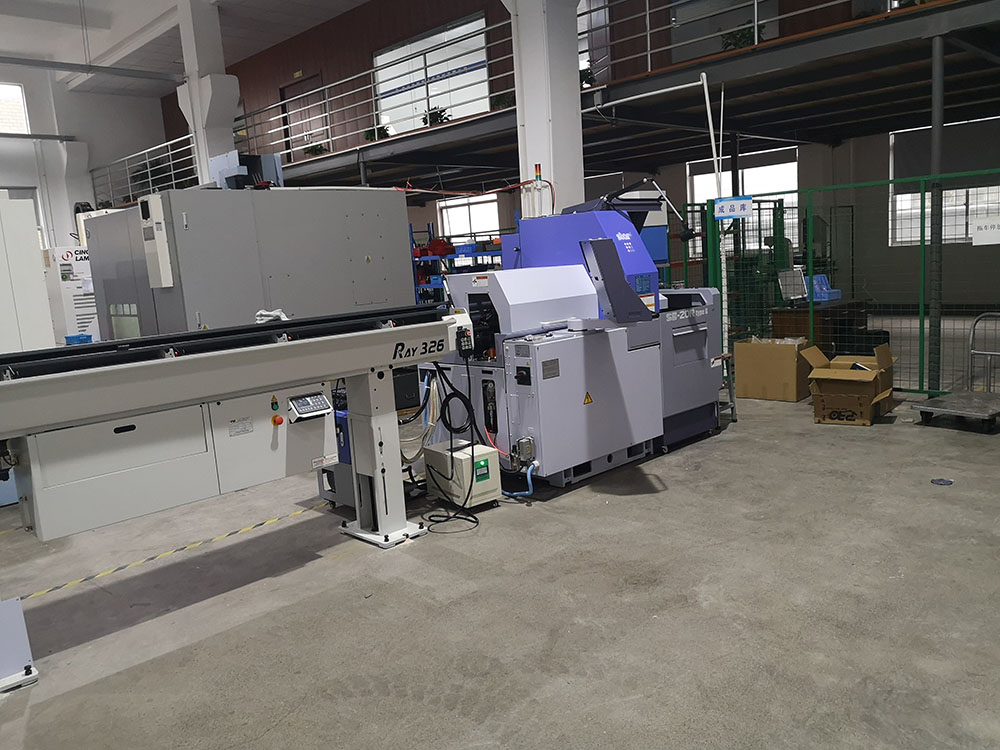
In modern osteosynthesis, clinical success is dictated by the biomechanical compatibility between the implant and host bone. Maka Medical's research division focuses on two major materials and design pathways to address clinical challenges, particularly in tropical developing countries like Bangladesh where infection prevention and cost efficiency are crucial.
For load-bearing implants like femoral and tibial interlocking nails, we utilize Ti-6Al-4V ELI (Extra Low Interstitial). This alloy provides a lower modulus of elasticity closer to cortical bone, reducing the risks of "stress shielding" which often leads to bone resorption. For internal fixation of complex shaft fractures where high tensile stiffness is needed, our vacuum-melted 316LVM Stainless Steel series provides the optimal balance of ductility and corrosion resistance in humid tropical climates.
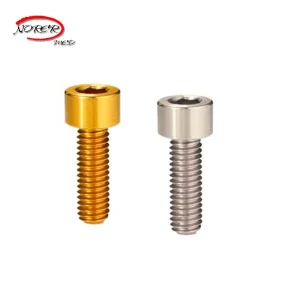
To reduce bacterial adhesion—a leading cause of revision surgeries in trauma centers—all Maka Medical bone screws and plate systems undergo electrochemical anodization. Anodizing creates a dense oxide barrier that increases corrosion resistance, prevents metal ion release, and allows color-coding (e.g., green for locking, blue for cortical, gold for cancellous), enabling surgeons in fast-paced Dhaka operating rooms to select instruments with absolute precision.
For degenerative disc diseases, spinal trauma, and cervical disc herniations, our PEEK (Polyetheretherketone) cervical and lumbar fusion cages offer radiological transparency. This allows surgeons in Bangladesh to track bone graft fusion progress on post-operative X-rays without the metallic artifacts caused by traditional titanium cages.
Engineered to comply with international standards and optimize surgical outcomes across Bangladesh hospitals.
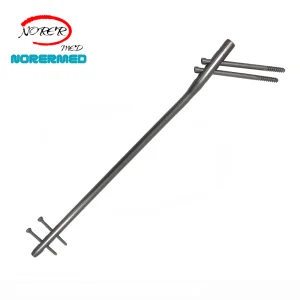
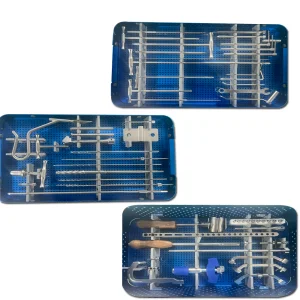
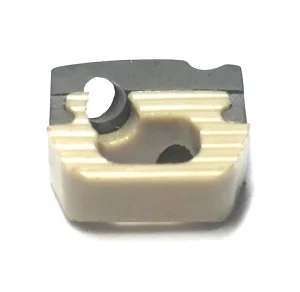
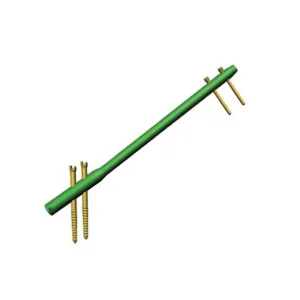
Resolving technical, logistics, and compliance queries for orthopedic device procurement in Bangladesh.
Are you a medical device distributor, hospital procurement manager, or private health network operator in Bangladesh? Contact Maka Medical to request customized quotations, raw material certifications, and product samples today.
Send Inquiry Now