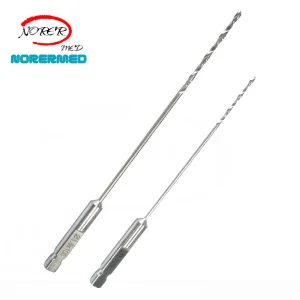
Maka Medical Surgical
Maka Medical Surgical
Maka Medical Surgical
High-performance titanium intramedullary nails engineered for traumatic fracture fixation, conforming to stringent FDA and ASTM specifications.
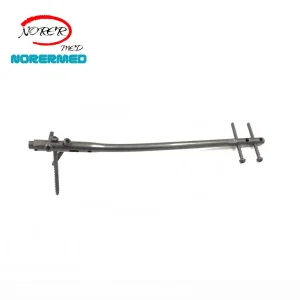
Expert design optimization for proximal and distal multi-planar locking in Seattle clinical applications.
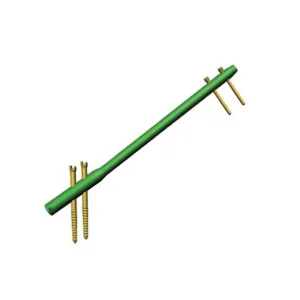
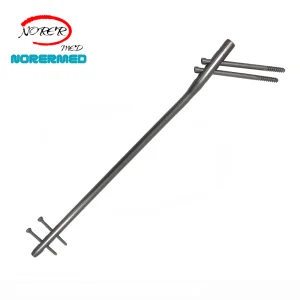
Anatomical curvature and advanced mechanical stability for demanding femoral shaft reconstructions.
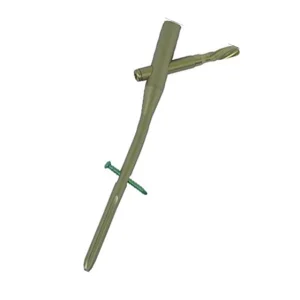
Dual-purpose biomechanical design optimizing helical blade compression for human and veterinary care.
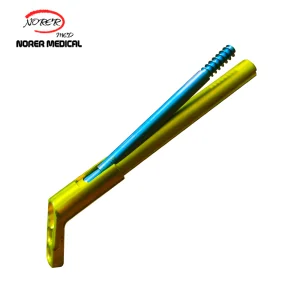
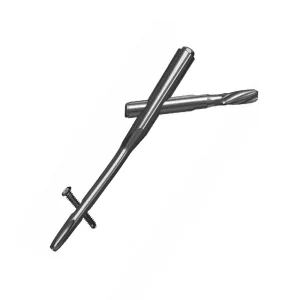
Minimally invasive stabilization system designed for complex femoral neck fractures.
Bridging the gap between Pacific Northwest clinical excellence and highly optimized medical manufacturing hubs.
The Seattle and wider Pacific Northwest (PNW) healthcare corridor—anchored by world-renowned clinical research institutions like the University of Washington (UW) Medicine, Harborview Medical Center (a prominent Level 1 Trauma Center serving Washington, Alaska, Montana, and Idaho), and Swedish Medical Center—demands surgical instruments and implants of uncompromising quality. Orthopedic surgeons in Seattle are at the forefront of clinical trials and biomechanical studies, pushing the requirements for implant performance.
Local procurement paradigms in Seattle hospitals are characterized by a dual-objective challenge: achieving optimal patient outcomes while mitigating rising healthcare costs. As surgical instrument manufacturers look to supply this region, there is an increasing demand for high-strength, biocompatible implants like the Interlocking Nail System. The integration of local clinical feedback with agile manufacturing units ensures that the trauma systems deployed in Washington state align with the rapid surgical pacing of modern operating rooms.
Globally, the orthopedic trauma implant market is transitioning from simple structural stabilization toward active biological load-sharing. To remain competitive, surgical instrument manufacturers must leverage sophisticated metallurgical tooling and automated CNC Swiss-type machining. As a premier manufacturer based in Changzhou, China, Maka Medical Technology Co., Ltd. fills a critical niche in the global supply chain, serving as a reliable OEM/ODM partner.
By utilizing high-precision manufacturing processes and sourcing medical-grade titanium (Ti-6Al-4V ELI) that complies with ASTM F136 standards, Maka Medical offers an optimized price-to-performance ratio. This allows Seattle medical device distributors and surgical groups to bypass the inflated costs associated with legacy domestic brands, while retaining the exacting quality standards required by FDA regulatory pathways and regional hospital networks.
Traditional rigid stainless steel implants often absorb the mechanical load that should naturally pass through the healing bone, leading to localized osteoporosis. Our Titanium alloys match the Young’s modulus of cortical bone closer than steel, optimizing load sharing.
Advanced interlocking configurations (such as proximal dynamic/static locking options and distal targeting holes) enable surgeons to counter torsional, axial, and bending forces, securing unstable segment fractures effectively.
The PFNA (Proximal Femoral Nail Antirotation) system utilizes a unique helical blade designed to compact the bone trabeculae rather than remove it. This provides superior resistance to cut-out, especially in osteoporotic bone.
The trajectory of intramedullary implants is heavily focused on smart-device integration and surface bio-activation. Over the next five years, the industry anticipates:
Analyzing specific patient cohorts and trauma mechanisms typical to the Seattle metro area.
Seattle is a hub for outdoor recreation, including skiing at Snoqualmie Pass, mountain biking in the Cascade Range, and alpine climbing. These activities result in a higher-than-average incidence of complex, high-energy tibial and femoral shaft fractures among young, active demographics. The *Expert Tibial Nailing System* and *GAMA Femoral Nails* are engineered to withstand the torsional loads of early mobilization protocols preferred by active PNW patients.
With an aging population across the Puget Sound region, Seattle clinics frequently manage subtrochanteric and femoral neck fractures in patients with compromised bone mineral density. The *PFNA Interlocking Nail System* is critical here. Its helical blade compactions offer superior purchase in osteoporotic bone structures, reducing post-operative complications and mechanical failure rates compared to standard bone plates.
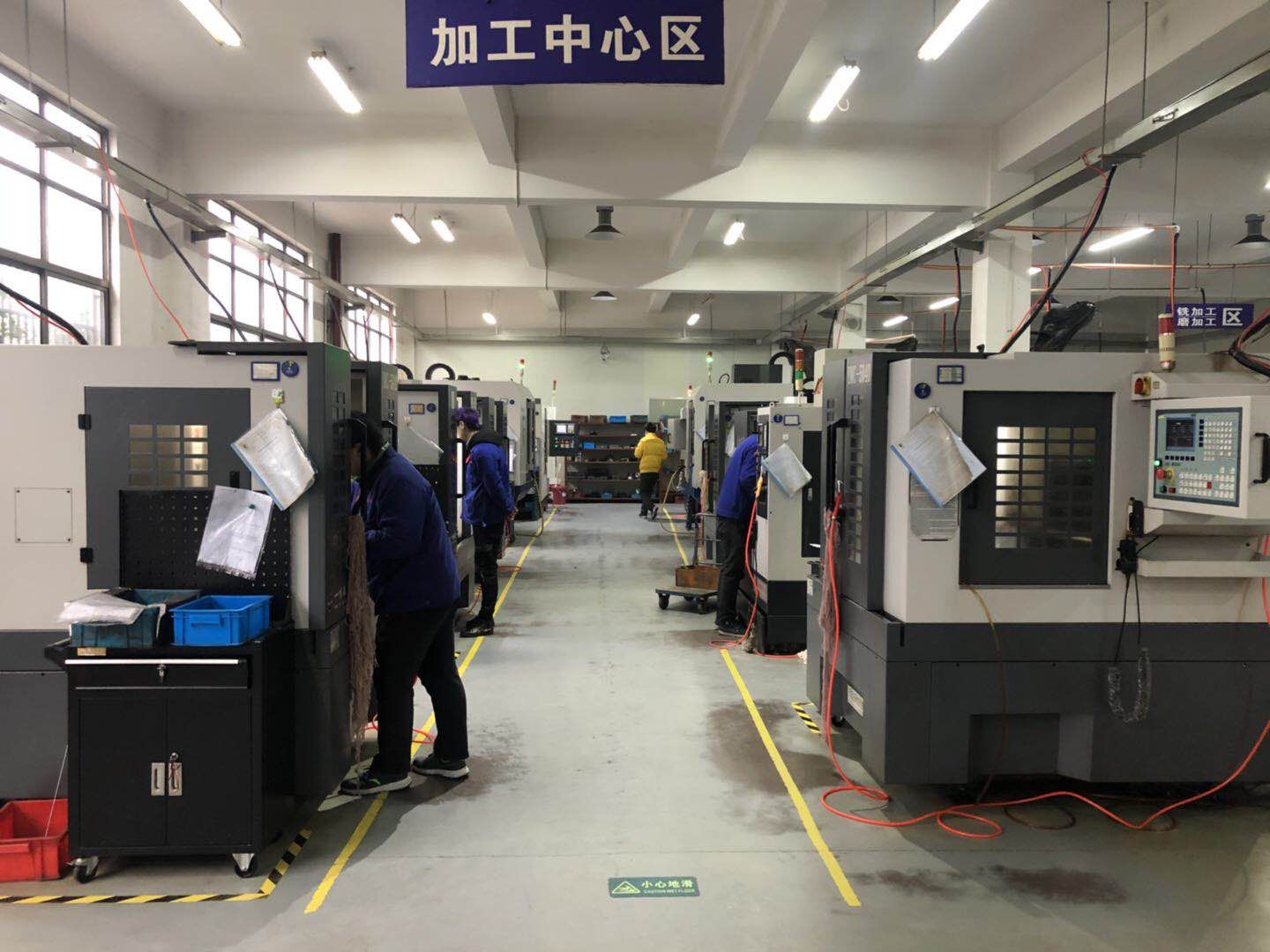
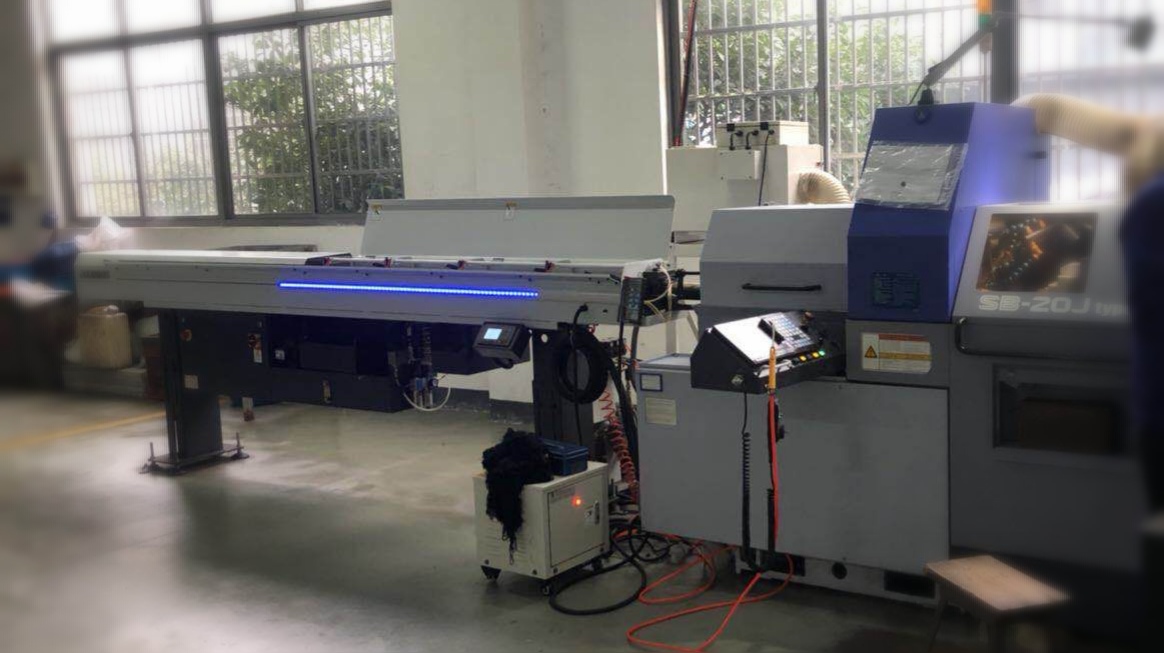
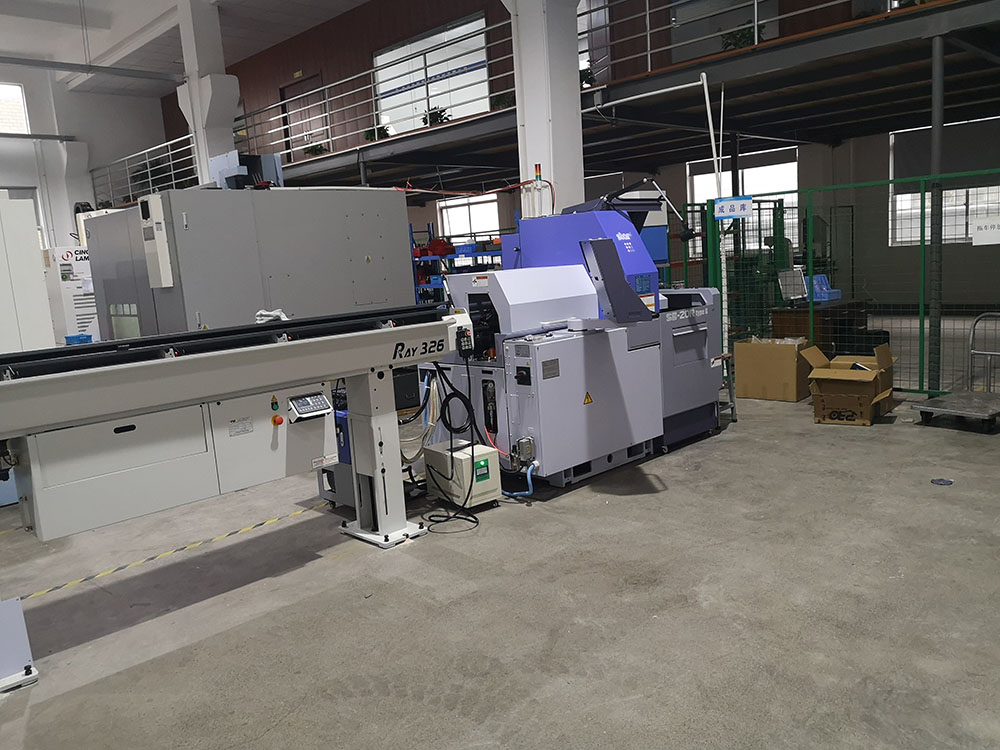
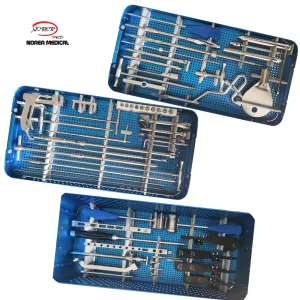
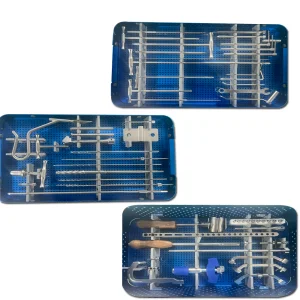
Full suite of implants, fixation devices, and precision orthopedic tools engineered for seamless intraoperative execution.
Strengthening supply chain stability, regulatory pathways, and instrumentation design for the US healthcare sector.
Navigating FDA 510(k) applications, European CE marks, and ISO 13485 certifications. We supply standard-compliant documentation packages to support your registration requirements.
From mechanical modeling and prototyping to high-volume production. Custom lengths, distal targeting configuration, and unique implant geometries tailored to local clinical specifications.
Implant systems can be supplied clean or pre-sterilized, sealed in premium protective packaging, ensuring integrity during long-range transport to Pacific Northwest receiving bays.
Technical and regulatory answers regarding the design, import, and clinical application of intramedullary implants.
We act as a direct manufacturing partner, providing high-precision trauma plates, interlocking nails, and spine systems at competitive wholesale price points. By eliminating intermediary trading companies, Seattle distributors can capture higher margins while offering regional hospitals premium titanium components manufactured to ISO 13485 standards.
We exclusively utilize medical-grade Titanium Alloy (typically Ti-6Al-4V ELI / Extra Low Interstitials) that conforms to ASTM F136 specifications. This medical alloy offers high biocompatibility, fatigue resistance, and an optimal elastic modulus to reduce stress shielding compared to stainless steel.
The PFNA (Proximal Femoral Nail Antirotation) helical blade achieves bone compaction during insertion rather than bone removal. This compacting action creates a higher mechanical surface area hold, dramatically reducing rotation and cut-out failures in senior osteoporotic patients, which is a major concern for Level 1 trauma units.
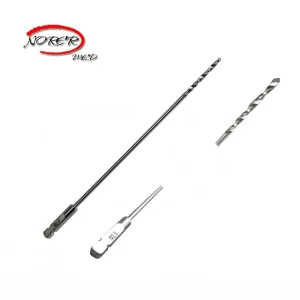
Yes, our orthopedic instrument kits—including the Expert Tibial and Femoral kits—are designed to interface with standard surgical power systems (like AO Quick Coupling and standard drill bits). The extraction and insertion guides are precision machined to ensure tight tolerances during surgery.
Depending on configuration complexity, prototype designs are typically completed within 3 to 4 weeks. Upon design approval, bulk production runs take between 30 to 45 days. We offer air freight logistics to the Seattle-Tacoma International Airport (SEA) to minimize delivery times for critical clinical restocks.