 Maka Medical Surgical
Maka Medical Surgical
Maka Medical Surgical
Immediate procurement options featuring surgical-grade titanium hardware manufactured under rigorous global quality metrics.
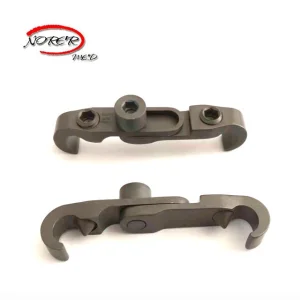
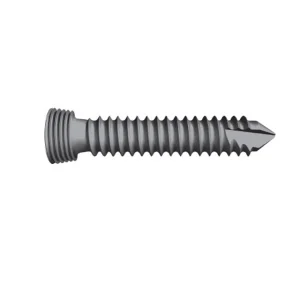
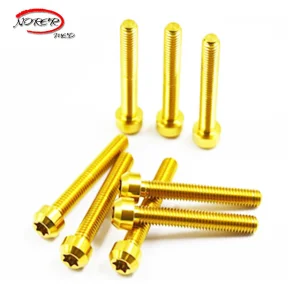
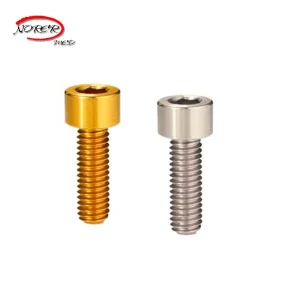
Egypt is undergoing a major industrial transition, driven by the ambitious Egypt Vision 2030. As the largest consumer market in the Middle East and North Africa (MENA), Egypt is shifting from a reliance on imported finished products to localized manufacturing, advanced medical infrastructure, and regional production hubs. Special economic zones like the Suez Canal Economic Zone (SCZONE) have established Egypt as a key corridor for global trade, generating a need for high-performance materials such as titanium.
In the medical and industrial sectors, titanium is highly valued for its strength-to-weight ratio, biocompatibility, and corrosion resistance. In Cairo, Alexandria, and Giza, the healthcare sector is modernizing, driving up the demand for orthopedic implants, trauma plates, and custom spine stabilization parts. Our custom titanium parts address this demand, offering Egyptian medical institutions and manufacturing companies access to advanced metallurgy and manufacturing processes without supply chain delays.
Utilizing high-grade ELI (Extra Low Interstitial) Grade 5 titanium (Ti-6Al-4V) and Pure Titanium (Grade 2/4) to satisfy stringent ISO 5832 and ASTM F136 requirements.
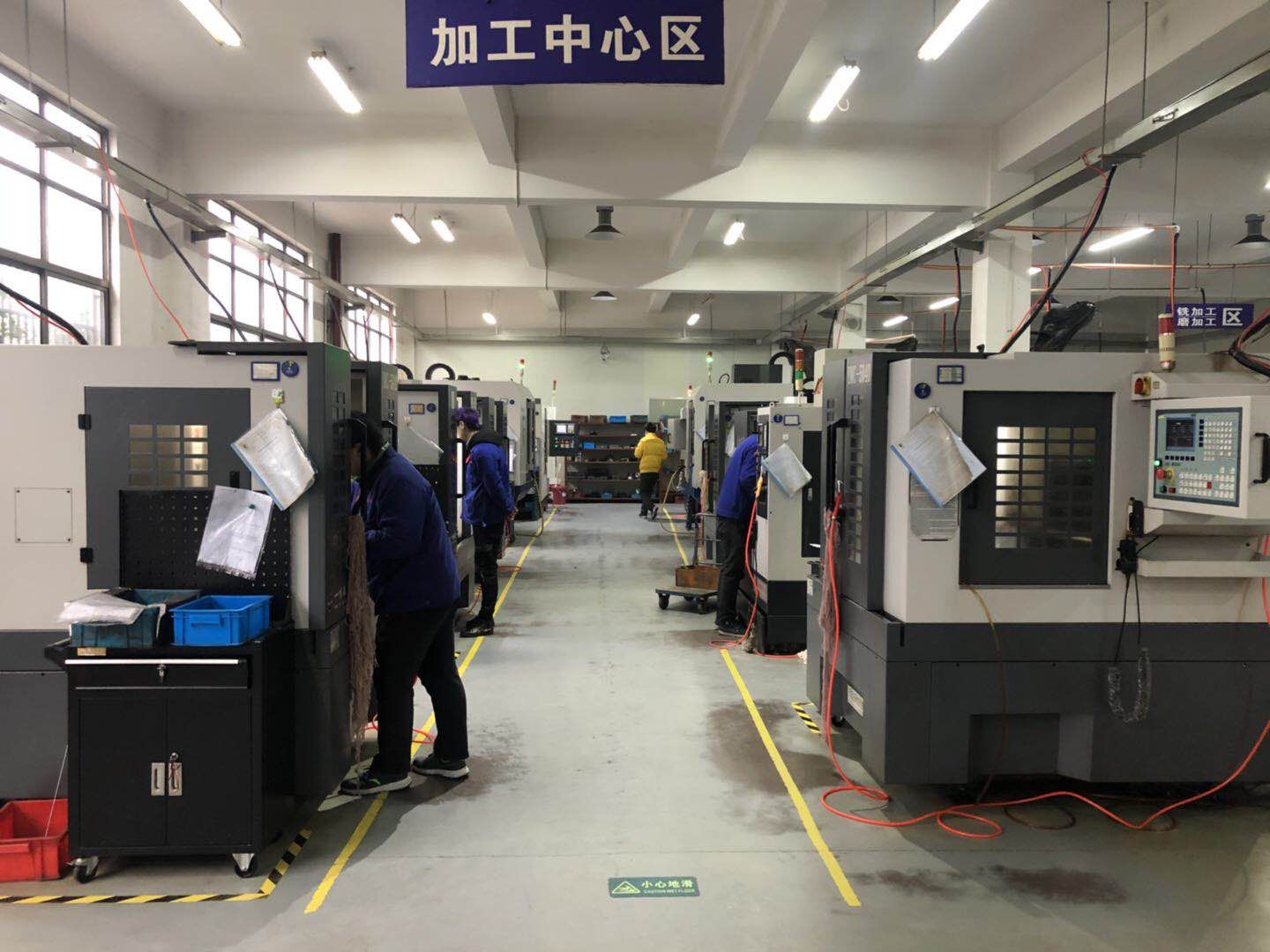
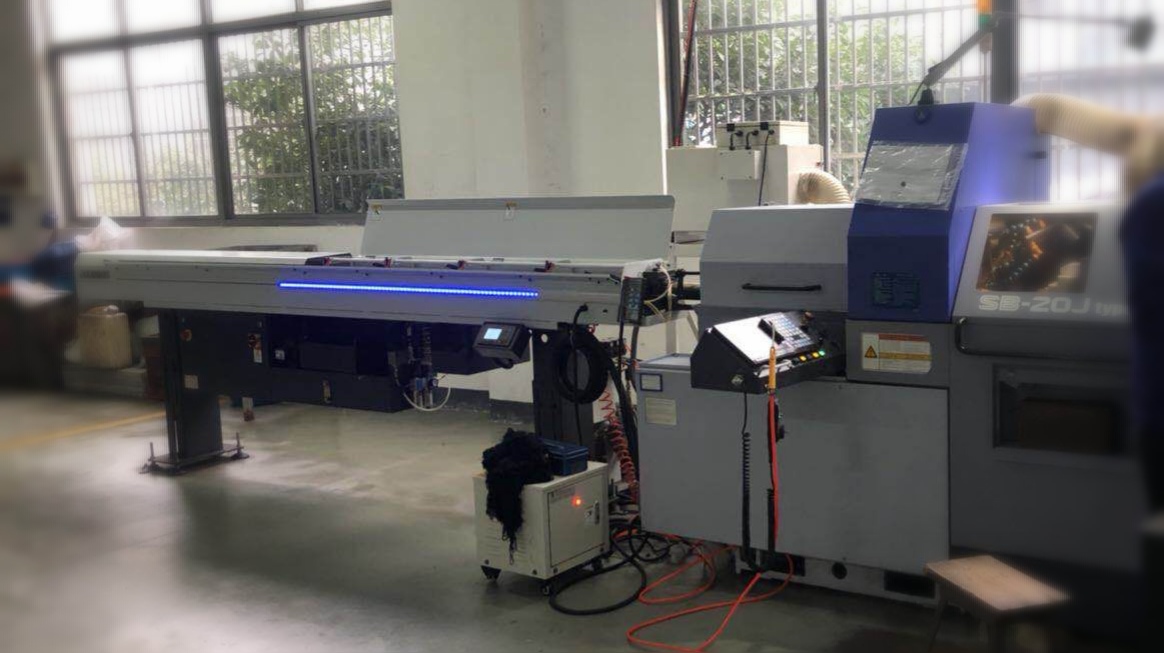
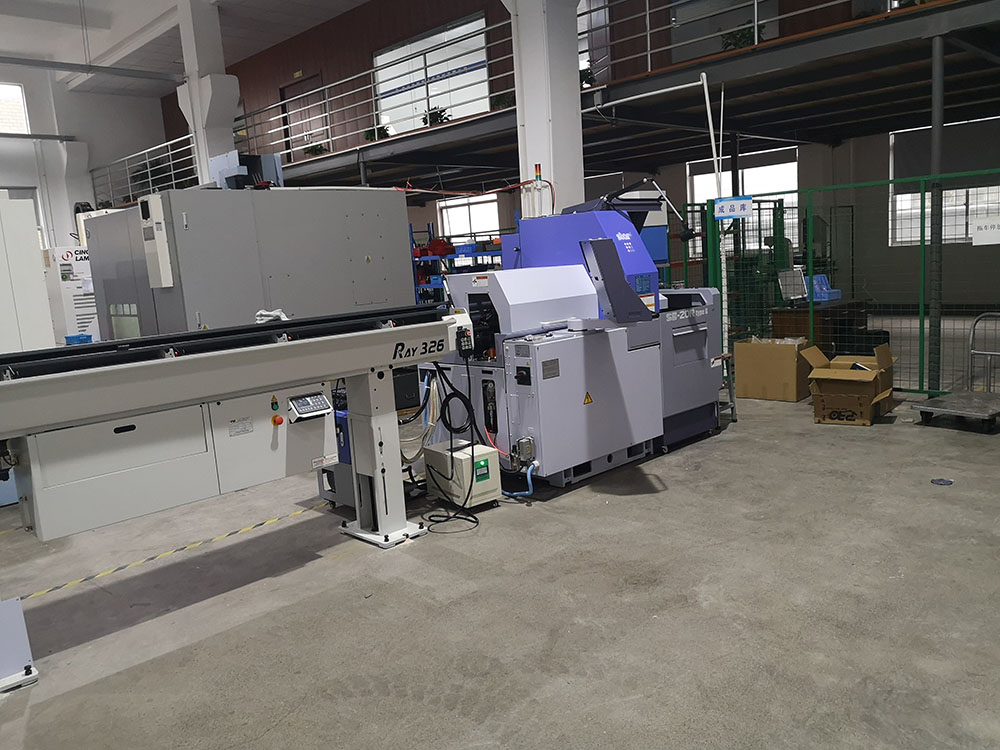
Equipped with advanced multi-axis CNC machines and Swiss-type lathes capable of achieving dimensional tolerances as tight as ±0.005mm.
Advanced electrochemical anodization (Type II & Type III), acid etching, and passivation treatments to optimize biocompatibility and fatigue life.
Understanding the international supply landscape and how Maka Medical leverages Chinese advanced manufacturing to support Egyptian industries.
The global demand for custom titanium components is growing, driven by the expansion of aerospace technology, medical implants, and defense systems. Due to the high cost of processing titanium, traditional manufacturers often face long lead times and high material waste. Industry 4.0 changes this dynamic through automated production, real-time quality control, and optimized material usage.
Located in the manufacturing hub of Changzhou, Jiangsu, China, Maka Medical Technology Co., Ltd. combines localized cost-efficiency with high-precision manufacturing. Our facility utilizes connected smart manufacturing systems, Automated Optical Inspection (AOI), and precise ERP resource allocation to streamline production. For Egyptian distributors and procurement offices, this translates to shorter lead times, consistent material certification, and reliable supply chain security.
Years in Global Supply
ISO Quality Standard
Machining Tolerance
Raw Material Traceability
The application of titanium custom parts in Egypt covers several key areas:
Navigating the importing process for medical equipment and custom industrial parts in Egypt requires compliance with regulations set by the Egyptian Drug Authority (EDA) and local custom offices. Maka Medical provides comprehensive documentation, including Raw Material Certificates (MTC), ISO 13485 certification, biocompatibility test results, and packaging inspections to support clear documentation.
Our logistics network manages transport from Chinese ports (such as Shanghai and Ningbo) directly to Alexandria, Port Said, and Cairo International Airport. We utilize custom packaging solutions to maintain cleanliness and prevent contamination during transport.
Browse our wide-ranging portfolio of medical implants, trauma hardware, and specialized custom screws designed for human and veterinary applications.
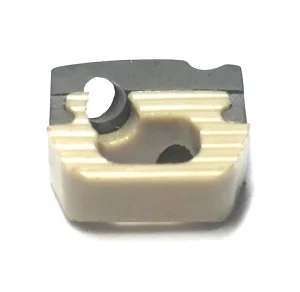
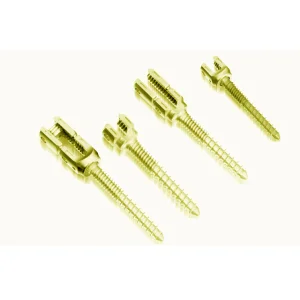
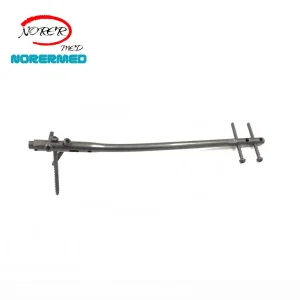
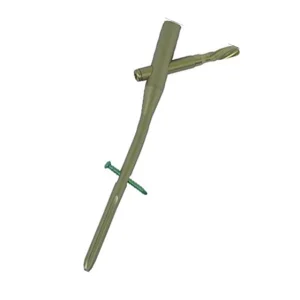
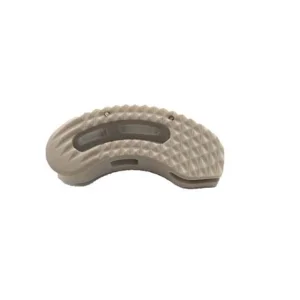
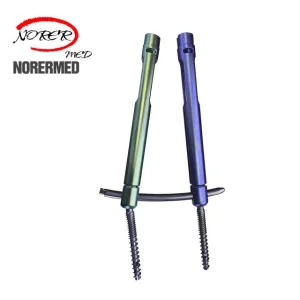
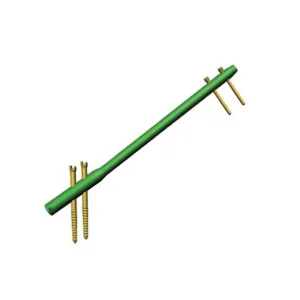
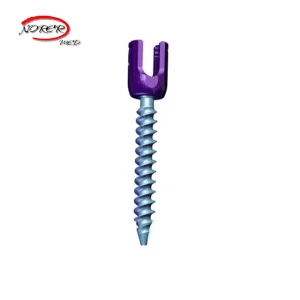
At Maka Medical, quality control is central to our manufacturing process. We maintain traceability throughout production—from raw titanium ingots to the finished parts shipped to Egypt. Each batch undergoes rigorous testing to ensure it meets international quality standards.
Our quality verification processes include:
Find answers to common queries regarding custom titanium manufacturing, import logistics, and certifications for the Egyptian market.
Q1: Which grades of titanium do you use for custom medical parts?
We primarily use medical-grade Titanium Grade 5 (Ti-6Al-4V ELI) and Pure Titanium (Grades 2 and 4), which comply with ISO 5832-3 and ASTM F136 standards. These alloys offer high tensile strength, biocompatibility, and integration with human bone structure.
Q2: How do you support the registration process with the Egyptian Drug Authority (EDA)?
We supply a complete document pack, including ISO 13485 certifications, Material Test Reports (MTR), sterilization verification files, and manufacturing records. This documentation supports local Egyptian importers through the EDA clearance and registration process.
Q3: What is the typical lead time for custom titanium parts sent to Egypt?
Lead times depend on the design complexity and batch size. Standard components are processed and shipped within 15 to 30 days. Custom OEM/ODM designs generally require 4 to 6 weeks, which includes prototype testing, final CNC machining, and quality assurance inspection.
Q4: Do you support manufacturing custom veterinary orthopedic parts?
Yes, we provide custom veterinary implants, including Locking Infusion Cages (PEEK), specialized bone plates, and mini-pedicle screws designed for small animals and larger working animals in Egypt's veterinary clinics.
Q5: What packaging methods are used to prevent transit damage and contamination?
Implants are cleaned and packed within our Class 100,000 cleanroom. They are packaged using double-layered sterile barrier peel pouches or protective containers. Bulk orders are boxed in shock-resistant crates to protect them during ocean or air transport to Egypt.
Q6: What is the Minimum Order Quantity (MOQ) for custom titanium machining?
For standard locking screws and plates, we offer flexible MOQs. For specialized custom CNC titanium parts, the MOQ depends on the geometry, size, and material utilization. Contact our engineering support team to discuss your project requirements.